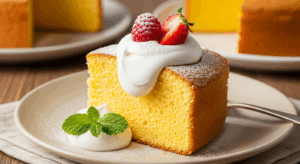




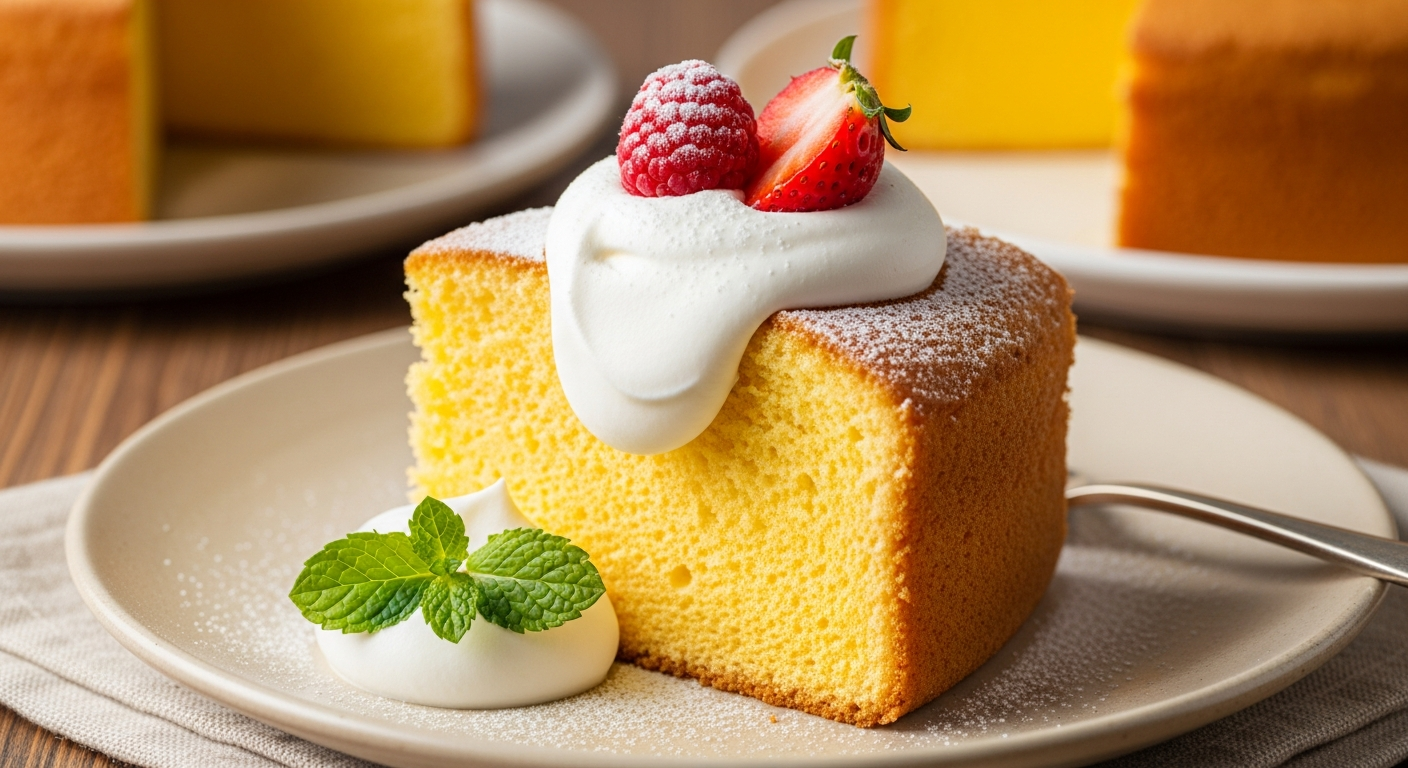
There’s a quiet magic in the humble yellow sponge cake-a canvas of golden crumb that carries the promise of lightness adn delight in every bite. Beyond its unassuming appearance lies an art form perfected through delicate balance: the harmonizing of airy texture with a tender crumb, the subtle sweetness that whispers rather than shouts, and the warm hue that invites you to savor its simple elegance. In this article, we unravel the secrets behind crafting the perfect yellow sponge cake-light, fluffy, and irresistibly tender-celebrating a timeless dessert that continues to captivate bakers and dessert lovers alike.
Mastering the Perfect Batter for an Airy Sponge Cake
The art of yellow sponge cake begins with understanding the delicate balance between technique and ingredient chemistry. Achieving a light, airy texture that practically melts on the tongue is no accident-it’s science in action combined with a little kitchen intuition. From whipping eggs to the precise selection of ingredients that create that vibrant golden hue, every step counts toward the final masterpiece.
the Science Behind Achieving Ultimate Fluffiness
At the heart of any airy sponge cake is the creation and preservation of tiny air bubbles. These bubbles form when eggs are beaten, trapping air inside a protein network that sets in the structure during baking. To master this, use room-temperature eggs, which whip more easily and evenly. Incorporating sugar gradually helps stabilize these bubbles. Folding the dry ingredients in with a gentle hand keeps the batter aerated and prevents deflation. The result is a sponge that rises beautifully with a tender crumb and a springy bounce.
Choosing the Right Ingredients for Vibrant Yellow Hue
Color in a yellow sponge cake is influenced by several factors-from the eggs to the flour type. Opt for fresh, free-range eggs with deep yellow yolks, as their natural pigmentation lends instant color.Using cake flour instead of all-purpose reduces gluten formation, keeping the crumb fine and soft, which also holds moisture better. A touch of natural vanilla extract enhances the subtle golden tone, while avoiding artificial colorings allows the cake’s true essence to shine through.
Expert Tips for Baking and Cooling to Preserve Texture
Precise oven temperature is key: too high, and the crust will form too quickly, constraining rise; too low, and the cake may collapse. Preheat your oven fully and bake on the middle rack for even heat distribution. Once baked, invert the pan onto a wire rack instantly to cool-this helps maintain the sponge’s lofty structure by preventing contraction. Let it cool fully before slicing to keep the cake light and fluffy, ideal for layering or serving on its own.
Prep and Cook Time
- preparation: 20 minutes
- Baking: 25 minutes
- Cooling: 30 minutes
Yield
1 8-inch round cake (serves 8)
Difficulty Level
Medium – requires careful folding and timing but perfect for home bakers seeking a refined skill.
Ingredients
- 5 large eggs, room temperature
- 1 cup granulated sugar
- 3/4 cup cake flour, sifted
- 1/4 teaspoon salt
- 2 tablespoons unsalted butter, melted and cooled
- 1 teaspoon pure vanilla extract
- 1/4 teaspoon cream of tartar (optional, helps stabilize egg whites)
Instructions
- Preheat your oven to 350°F (175°C). Grease and line an 8-inch round cake pan with parchment paper.
- Separate the eggs: Place whites in a large bowl and yolks in another. Add cream of tartar to the whites if using.
- Whip the egg whites: Using an electric mixer, beat the whites until soft peaks form. Gradually add half the sugar and whip until stiff, glossy peaks develop.
- whisk the yolks: Combine yolks with remaining sugar and vanilla.Beat until pale, thick, and creamy, about 3-4 minutes.
- Fold yolks into whites: Gently fold the yolk mixture into the whites in three additions, preserving the airy texture.
- Sift flour and salt: Over the batter, carefully fold in the dry ingredients in two additions, avoiding overmixing.
- Add melted butter: Drizzle the cooled butter around the bowl’s edge and fold just until incorporated.
- Pour batter into prepared pan gently smoothing the top with a spatula.
- Bake 25 minutes: Check doneness by lightly pressing the surface; it should spring back. A toothpick inserted should come out clean.
- Invert and cool: Immediately turn the pan upside down on a cooling rack. Once cooled (~30 minutes), carefully remove from the pan.
Chef’s Notes & Tips for Success
- Room temperature eggs whip to greater volume-don’t skip this step.
- be gentle folding in flour: Overmixing collapses the air pockets, leading to a denser cake.
- use cake flour for the tenderest crumb; substitute with all-purpose if unavailable, but reduce flour quantity slightly.
- Cream of tartar helps stabilize egg whites but is optional.
- For a deeper yellow, try using organic or pasture-raised eggs with naturally richer yolks.
- To make ahead: wrap cooled cake tightly and freeze up to 1 month. Thaw at room temperature before serving.
- Fixing a sunken cake: Check your oven temperature with an oven thermometer – inaccurate heat is often the culprit.
Serving Suggestions
This yellow sponge cake shines solo or layered with fresh fruit and whipped cream for an elegant finish.Dust the top with powdered sugar for a simple yet charming look. For a refined touch,garnish with edible flowers or thin lemon zest strips to complement the cake’s delicate sweetness. Pair servings with a fresh berry compote or a light citrus curd to amplify the vibrant flavors.
| Nutrient | Per Serving (1/8 cake) |
|---|---|
| Calories | 190 |
| Protein | 5g |
| Carbohydrates | 28g |
| Fat | 6g |
For more insights on achieving perfect sponge textures, check out our guide on whipping egg whites like a pro. To deepen your understanding of baking science, visit the King Arthur Baking Company’s sponge cake science page.

Q&A
Q&A: The Art of yellow Sponge Cake: Light, Fluffy, Perfect
Q1: What makes a yellow sponge cake different from other cakes?
A1: Yellow sponge cake is cherished for its airy texture and shining golden hue, achieved primarily through a careful balance of egg yolks and whites.Unlike denser cakes, it relies on whipped eggs to trap air, creating a sponge that feels light as a cloud and melts in your mouth with every bite.
Q2: How do you achieve the perfect light and fluffy texture?
A2: The secret lies in technique and patience. Separating the eggs and whipping the whites to stiff peaks before gently folding them into the batter ensures maximum air incorporation. This delicate folding prevents the batter from deflating, preserving the sponge’s signature fluffiness.
Q3: Why is the yellow color so important, and how is it enhanced naturally?
A3: The golden-yellow color is a hallmark of a classic yellow sponge cake, signaling richness and freshness. Using high-quality, fresh egg yolks-preferably from pasture-raised hens-and a touch of natural butter or cream can deepen this hue without artificial coloring, creating inviting warmth in both appearance and flavor.
Q4: Can substituting ingredients still yield the same fluffy result?
A4: Substituting key ingredients can be tricky but not unachievable. Such as, using cake flour instead of all-purpose flour results in a finer crumb due to its lower protein content. While plant-based milks can be used, they may slightly alter the texture; careful adjustment and experimentation help maintain that signature lightness.
Q5: What common mistakes should bakers avoid?
A5: Overmixing the batter after folding in the egg whites is a frequent culprit that deflates your sponge. Additionally, opening the oven door too early can cause the cake to collapse. Proper measurement, gentle technique, and patience with baking time are essential for success.
Q6: How can one creatively enhance a yellow sponge cake without losing its essence?
A6: Adding subtle twists like freshly grated citrus zest, a hint of vanilla bean, or a mild sprinkle of cinnamon can elevate the cake’s flavor while preserving its delicate nature. Light fillings such as whipped cream or fresh berries complement rather than overpower the sponge’s tender crumb.
Q7: What role does temperature control play in baking the perfect sponge?
A7: Oven temperature must be just right-too hot, and the sponge will brown too quickly, forming a crust that inhibits rise; too low, and it won’t set properly. Preheating the oven and baking at a moderate, consistent temperature ensures an even rise and a beautifully tender texture.
Q8: How can the yellow sponge cake be served or enjoyed?
A8: Yellow sponge cake is versatile: enjoy it plain with a dusting of powdered sugar, layered with fresh fruit and whipped cream for an elegant dessert, or paired with a light drizzle of honey or a tangy citrus glaze. Its soft texture makes it ideal for coffee or tea time, inviting moments of simple pleasure.
Q9: How does the science of eggs impact the sponge’s structure?
A9: Eggs act as natural leaveners and binding agents. When egg whites are whipped, they create a network of air bubbles stabilized by proteins, which expand in the heat of the oven to give the cake volume. Yolks add richness, color, and moisture, balancing structure with tenderness.Q10: What is the cultural significance of the yellow sponge cake in baking traditions?
A10: The yellow sponge cake has long symbolized festivity and comfort in many cultures. Its simplicity and lightness make it a classic choice for birthdays, afternoon teas, and festive occasions, embodying the joy of handmade, heartfelt baking that connects generations.
Concluding Remarks
In the delicate dance of ingredients and technique, the yellow sponge cake emerges as a timeless masterpiece-light as a whisper, fluffy as a summer cloud, and perfectly golden in every bite. Mastering this art is more than just following a recipe; it’s about understanding the science and soul behind each fold and whisk. Whether enjoyed plain, layered with cream, or adorned with berries, the yellow sponge cake invites both novice bakers and seasoned patissiers to celebrate simplicity elevated. So next time you crave a slice of pure, airy bliss, remember: perfection lies not just in the outcome, but in the joyful journey of creating this classic delight.