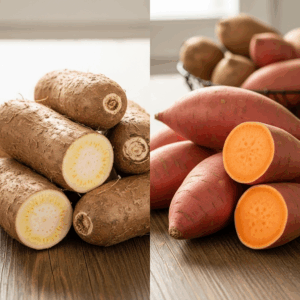



Beneath the vibrant colors and comforting flavors of our favorite dishes lies a longstanding culinary conundrum: the yam versus sweet potato dilemma. These two root vegetables, often used interchangeably in kitchens and grocery aisles alike, carry distinct histories, textures, and tastes that are frequently misunderstood or overlooked. Join us as we peel back the layers of this root veggie mystery, unraveling the origins, differences, and cultural meaning of yams and sweet potatoes-so you can finally tell them apart and appreciate each for their unique place at the table.
Yams vs sweet potatoes often spark culinary curiosity, and understanding their botanical differences unlocks new ways to appreciate these vibrant root vegetables. While commonly confused, these tubers hail from distinct plant families and present unique nutritional benefits and flavor profiles that can elevate your cooking repertoire. LetS dive deep to explore how these root veggies differ and how best to select, store, and savor them in your dishes.
Prep and Cook Time
- Readiness: 10 minutes
- Cooking: 30-40 minutes
- Total: 40-50 minutes
Yield
- Serves: 4 generous portions
Difficulty Level
- Easy - Perfect for beginners and seasoned cooks alike
Ingredients
- 2 large yams (about 2 pounds), peeled and cut into 1-inch cubes
- 2 large orange-fleshed sweet potatoes (about 2 pounds), peeled and cubed
- 3 tablespoons olive oil
- 1 teaspoon ground cinnamon
- 1/2 teaspoon smoked paprika
- Salt and freshly ground black pepper, to taste
- 2 cloves garlic, minced
- 1 tablespoon fresh thyme leaves
- 1 tablespoon maple syrup (optional, for subtle sweetness)
- Fresh parsley, chopped, for garnish
instructions
- Preheat your oven to 425°F (220°C) for a crispy texture and deep caramelization of the root vegetables.
- Combine the yams and sweet potatoes in a large mixing bowl. Drizzle with olive oil and toss to coat evenly.
- Add ground cinnamon, smoked paprika, garlic, thyme, salt, and pepper. Toss again until all cubes are well-seasoned. The spices will enhance the subtle earthiness of yams and the natural sweetness of sweet potatoes.
- Spread the veggies on a rimmed baking sheet in a single layer to ensure even roasting. Avoid overcrowding to prevent steaming instead of roasting.
- Roast in the oven for 25 minutes, then gently flip the cubes to brown all sides evenly.
- After another 10-15 minutes, remove from the oven once they are tender and have golden, caramelized edges.
- Drizzle with maple syrup if desired, and toss lightly to coat for an added dimension of sweet flavor that plays wonderfully with both yams and sweet potatoes.
- Garnish with fresh parsley and serve warm.
Chef’s Notes
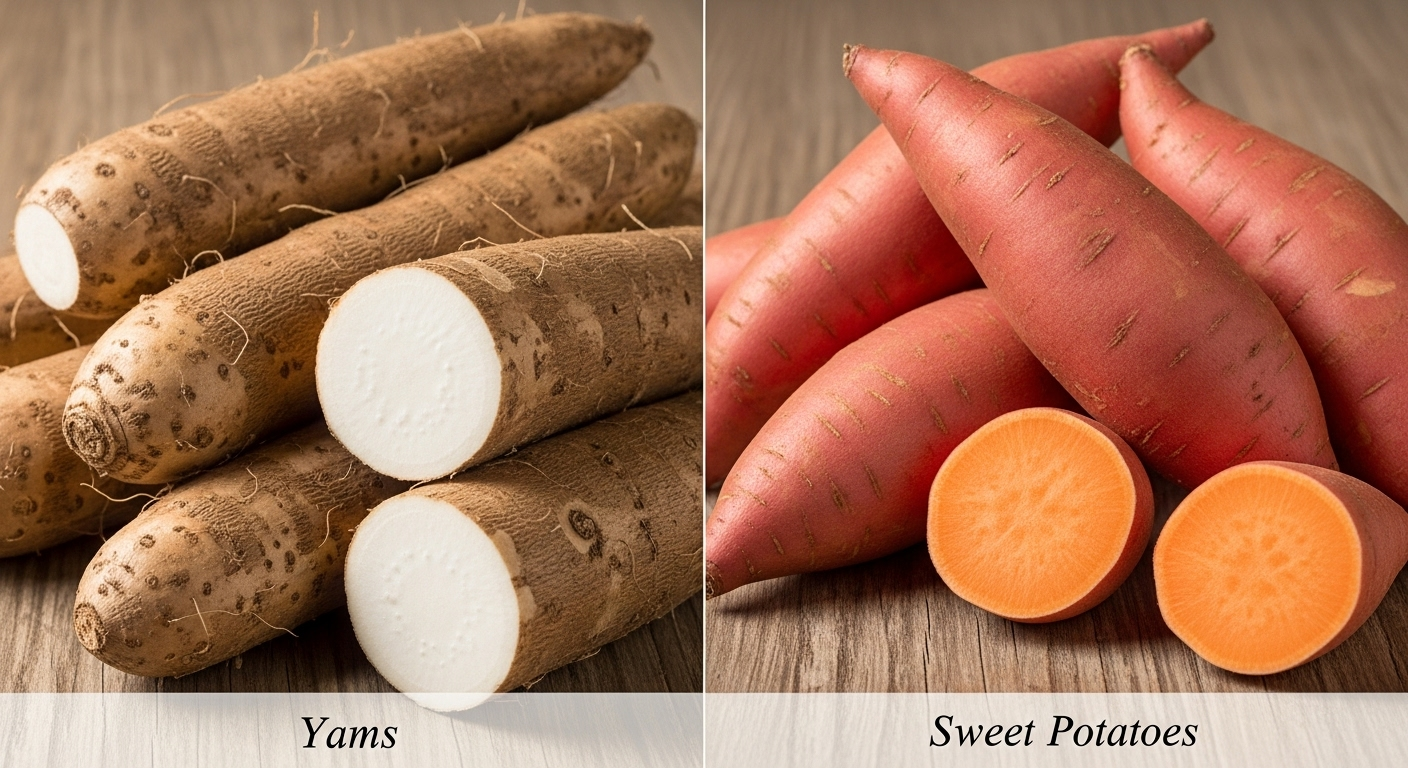
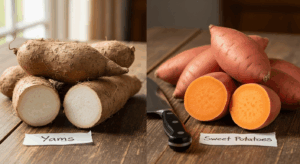
- Choose yams that are firm with rough,dark brown skin-avoid any that are soft or sprouting.
- Sweet potatoes are shorter and have smoother skin; orange varieties tend to be sweeter, while white ones are milder.
- for a creamy texture,boil the cubes before roasting,but keep in mind this lessens crispiness.
- Swap smoked paprika for chili powder for a spicy kick or cumin for earthy warmth.
- Store unwashed yams and sweet potatoes in a cool, dark place away from moisture; refrigeration can alter texture and sweetness.
- Make-ahead tip: Roast the cubes ahead of time and reheat in a hot oven to restore their crisp edges.
Serving Suggestions
Serve these roasted yams vs sweet potatoes as a vibrant side dish to grilled meats, roasted chicken, or hearty legumes.Sprinkle with chopped toasted pecans or crumbled feta to add texture contrast. For a festive touch, add a drizzle of tangy balsamic glaze or a dollop of Greek yogurt. These colors and flavors bring warmth and brightness to any plate, making your meals not only nourishing but visually irresistible.
| Nutrient | Yams (per 100g) | sweet Potatoes (per 100g) |
|---|---|---|
| Calories | 118 | 86 |
| Protein | 1.5 g | 1.6 g |
| Carbohydrates | 27.9 g | 20.1 g |
| Fat | 0.2 g | 0.1 g |
| Vitamin A (IU) | 14 | 14,187 |
for more delicious recipes featuring root vegetables, check our Root Vegetables Explored collection. To deepen your botanical understanding, visit the Missouri Botanical Garden on Yams.

Q&A
Yams vs Sweet Potatoes: Unveiling the Root Veggie Mystery – Q&A
Q1: Are yams and sweet potatoes the same thing?
A: Not quite! Though often used interchangeably in America,yams and sweet potatoes come from wholly different plant families. Sweet potatoes belong to the morning glory family (Convolvulaceae), while yams are related to lilies and grasses (Dioscoreaceae).In short, a sweet potato is not a yam, and a yam is not a sweet potato!
Q2: Why do people confuse yams and sweet potatoes so often?
A: The confusion largely stems from marketing and naming conventions in the U.S. In grocery stores, soft, orange-fleshed sweet potatoes are often mislabeled as “yams” to distinguish them from their firmer, pale-fleshed counterparts. true yams are typically imported and less common here, making the terms muddled in everyday language.
Q3: how can I tell a real yam from a sweet potato at the store?
A: Real yams usually have rough, scaly, brown or dark skin and a starchy, frequently enough white or purple flesh. Sweet potatoes have smooth skin that can be orange, yellow, or even purple, and their flesh tends to be sweeter and moister. if it’s labeled “yam” in a U.S. supermarket, it’s most likely a sweet potato playing dress-up.
Q4: What about nutrition? Are yams and sweet potatoes equally healthy?
A: Both are nutritious and delicious in their own right but differ slightly. Sweet potatoes are rich in beta-carotene (especially the orange ones), vitamin C, and fiber. Yams provide more potassium and manganese and have a higher starch content, making them slightly less sweet.Both make excellent additions to a balanced diet.
Q5: Do yams and sweet potatoes taste different?
A: Yes! Sweet potatoes-and especially the orange varieties-are sweet, creamy, and moist when cooked. True yams tend to be drier, starchy, and less sweet, with an earthy, nutty flavor. the taste difference is as distinct as night and day once you’ve had the real deal.
Q6: Can I substitute yams and sweet potatoes interchangeably in recipes?
A: It depends on the dish. For creamy, sweet mashed sides or casseroles, sweet potatoes are ideal. For recipes requiring a starchier, drier texture-think hearty stews or fried chips-yams can shine. If you only have one, just be mindful of the texture and sweetness differences.
Q7: Why do some conventional cuisines specifically call for yams?
A: Yams are staple foods in many African, Caribbean, and Asian cultures, prized for their unique texture and ability to keep well in tropical climates. They hold cultural significance in festivals and rituals, where their earthy flavor and starchy consistency play starring roles that sweet potatoes can’t quite duplicate.Q8: What’s the takeaway for the curious root veggie lover?
A: Next time you’re at the market, don’t be fooled by labels! Embrace the sweet, velvety charm of sweet potatoes and appreciate the hearty, robust character of true yams. Knowing their differences lets you unlock new culinary adventures and honor the rich history behind these humble roots.
Q9: Any fun fact to impress your friends?
A: Absolutely! Despite the confusion, “yam” comes from the West African word “nyami,” meaning “to eat.” So when you ask for yams,you’re actually tapping into centuries of cultural tradition-and maybe a delicious story to share around the dinner table.
Key Takeaways
Whether you’re stocking your kitchen or exploring new recipes, understanding the subtle-and sometimes not-so-subtle-differences between yams and sweet potatoes can transform your culinary experience. These humble root vegetables each bring their own unique textures,flavors,and cultural stories to the table,making them far more than just confusing labels at the grocery store. So next time you’re faced with these versatile tubers, you’ll know exactly what you’re inviting to your plate-a splash of history, a burst of flavor, and a world of delicious possibility. Embrace the mystery no more; the roots beneath our feet have never tasted so intriguing.