





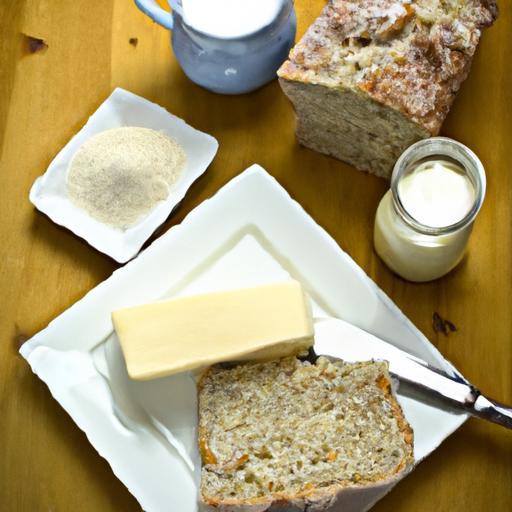
There’s something undeniably comforting about the smell of freshly baked bread wafting through the kitchen-warm, inviting, and hinting at the deliciousness to come. Enter wholesome cottage cheese bread: a soft, savory delight that marries the creamy tang of cottage cheese with the hearty goodness of homemade bread. This unique loaf isn’t just a treat for your taste buds; it’s a nourishing twist on a classic staple, offering a tender crumb and subtle richness that makes every slice irresistibly satisfying.In this article, we’ll explore the magic behind cottage cheese bread, uncover its healthful benefits, and share tips to help you bring this cozy creation from oven to table. Whether you’re a seasoned baker or a curious beginner, get ready to discover a bread that’s as wholesome as it is appetizing.
Wholesome Cottage Cheese Bread captivates with its irresistibly soft crumb and subtle tang, making it a unique twist on customary bread that’s brimming with nourishing ingredients.Rooted in the art of combining dairy’s creamy goodness with the wholesome heartiness of fresh flour and natural leavening, this bread turns simple pantry staples into a comforting, savory delight perfect for any time of day.
Prep and Cook Time
Readiness: 15 minutes | Rise Time: 1 hour 45 minutes | Baking: 35-40 minutes | Total Time: Approximately 2 hours 40 minutes
Yield
One 9×5-inch loaf, serving 10 slices – ideal for family breakfasts, toasts, or nourishing sandwiches.
Difficulty Level
Medium: Perfect for bakers with basic bread-making experience ready to elevate their skills with dairy enrichment.
ingredients
- 2 cups all-purpose flour, sifted
- 1 cup whole milk cottage cheese, well-drained
- 1/2 cup lukewarm water (about 100°F)
- 2 1/4 tsp active dry yeast (one packet)
- 2 tbsp unsalted butter, melted and cooled
- 1 tbsp honey or pure maple syrup
- 1 tsp sea salt
- 1/2 tsp baking powder
- 1 large egg, beaten (for glaze)
Instructions
- Activate the yeast: In a small bowl, combine the lukewarm water with honey and sprinkle the yeast over the surface.Let it sit for 5-7 minutes until foamy, signaling active yeast ready to work magic.
- Mix the wet ingredients: In a large mixing bowl, blend the cottage cheese and melted butter until creamy. Add the sifted flour, baking powder, and salt. Stir gently to lightly combine.
- Create the dough: Pour the frothy yeast mixture into the bowl. Using a wooden spoon or dough hook attachment, mix until a soft dough forms. If it feels sticky, add a teaspoon of flour at a time until manageable but still tender.
- Knead gently: Turn the dough onto a floured surface and knead for 5-7 minutes until smooth and elastic. The addition of cottage cheese makes the dough soft, so be gentle to preserve its moisture.
- First rise: Place the dough in a lightly oiled bowl,turning onc to coat.Cover with a damp towel or plastic wrap and let rise in a warm, draft-free spot for about 1 hour, or until doubled in size.
- Shape the loaf: Punch down the risen dough and shape it into a smooth, oval loaf. Place it in a greased 9×5-inch loaf pan.cover again and allow it to rise for 30-45 minutes until puffed.
- Prepare for baking: Preheat your oven to 375°F (190°C). Brush the loaf with the beaten egg for a glossy, golden crust that irresistibly catches the eye.
- Bake: Position your loaf in the oven and bake for 35-40 minutes. The bread should sound hollow when tapped and have a deep golden crust.If it browns too quickly, tent with foil after 25 minutes.
- Cool thoroughly: remove the bread from the pan and place on a wire rack to cool completely. Cutting too soon may compress the delicate crumb and rob the bread of its perfect softness.
Chef’s Notes: Tips for Success
- Drain the cottage cheese well to avoid excess moisture that could weigh down the dough.
- Substitute half the all-purpose flour with whole wheat flour for added fiber and a nuttier depth, though this will yield a denser crumb.
- for a dairy-free twist, try plant-based ricotta substitutes, but expect textural differences.
- If your dough feels too sticky to knead, rest it for 10 minutes so the flour hydrates fully before trying again – patience makes perfect bread!
- Make ahead: This bread freezes beautifully. Wrap completely in plastic wrap and aluminum foil, then defrost at room temperature before slicing.
Flavor Pairings and Serving Suggestions for Savory Satisfaction
This bread pairs beautifully with creamy avocado smash topped with a pinch of chili flakes and flaky sea salt or serves as a hearty foundation for open-faced smoked salmon and dill sandwiches. Butter with a drizzle of herb-infused olive oil and a sprinkling of cracked black pepper elevates it effortlessly. Garnish with fresh rosemary or thyme sprigs for an aromatic touch when serving.
Tips for Storing and Enjoying Cottage cheese bread Fresh
Store your loaf at room temperature in a breathable bread bag or lined paper bag to maintain its soft crust without trapping moisture,which causes sogginess. Avoid refrigeration as it speeds up staling. for longer storage, cut slices and freeze them with parchment paper between slices to prevent sticking. Toast frozen slices directly for a taste as fresh as the day it was baked.
| Nutrient | Per Slice (approx.) |
|---|---|
| Calories | 110 kcal |
| Protein | 6 g |
| Carbohydrates | 15 g |
| fat | 3.5 g |

For further delicious bread inspirations, explore our Artisan Whole Grain Breads post, where wholesome ingredients transform into comforting classics.
Q&A
Q&A: Wholesome Cottage Cheese Bread – A Soft & Savory Delight
Q1: What makes cottage cheese bread different from regular bread?
A1: Cottage cheese bread is uniquely soft and tender thanks to the addition of creamy cottage cheese in the dough. This ingredient adds moisture and a subtle tang,resulting in a loaf that’s fluffier and more flavorful than typical bread. Its texture is pleasantly light, yet satisfying, making it a perfect companion for both sweet and savory dishes.
Q2: Is cottage cheese bread difficult to make at home?
A2: Not at all! Cottage cheese bread is surprisingly easy to prepare. The dough usually requires basic baking staples like flour, yeast, eggs, and milk, with cottage cheese blended in to enhance the texture. with a bit of patience during rising times, even beginner bakers can enjoy the rewarding experience of homemade cottage cheese bread.
Q3: Can I use cottage cheese bread for sandwiches?
A3: Absolutely! Its soft, slightly tangy crumb pairs wonderfully with an array of sandwich fillings-from crisp vegetables and creamy spreads to roasted chicken or grilled vegetables. As it holds moisture well, it won’t turn soggy quickly, making it ideal for hearty, wholesome sandwiches.
Q4: how does cottage cheese affect the nutritional profile of the bread?
A4: Incorporating cottage cheese boosts the protein content and adds beneficial calcium and probiotics to the bread.It also helps create a lower-fat alternative to breads made with butter or heavy cream.This makes cottage cheese bread not only delicious but also a wholesome option for those seeking more nourishment in their baked goods.
Q5: Can I customize the flavor of my cottage cheese bread?
A5: Definitely! Cottage cheese bread serves as a versatile base. You can enhance it with herbs like rosemary or thyme for an aromatic twist, add a touch of garlic powder for savory punch, or mix in some seeds and nuts for texture and extra nutrition. Each variation offers a new way to enjoy this comforting loaf.
Q6: What’s the best way to store cottage cheese bread?
A6: To maintain its soft texture, store cottage cheese bread in an airtight container or wrap it tightly in plastic wrap at room temperature. It’s best consumed within 2-3 days for optimum freshness. For longer storage, freezing sliced portions is a great option-just toast or warm slices before serving.
Q7: Is cottage cheese bread suitable for people with lactose intolerance?
A7: Cottage cheese contains lactose, so for those with lactose intolerance, it might cause discomfort. However, there are lactose-free cottage cheese options available that can be used as a substitute. Alternatively, experimenting with plant-based soft cheeses can yield a similar texture with less lactose.
Q8: Could I make a sweet version of cottage cheese bread?
A8: Yes! While traditionally savory, cottage cheese bread’s mild tang works beautifully with sweet additions like honey, cinnamon, or dried fruits. This creates a moist, tender loaf suitable for breakfast or an afternoon treat-imagine warm slices spread with a bit of jam or nut butter.
Q9: What’s the secret to achieving that perfect soft crumb?
A9: The key is balancing the moisture from the cottage cheese with the right amount of flour and proper kneading. Allowing the dough to rise adequately ensures lightness, and baking at the right temperature locks in softness. Avoid overbaking to prevent dryness-remove the bread as soon as it’s golden and cooked through.
Q10: Can children enjoy cottage cheese bread?
A10: Cottage cheese bread is a family-friendly favorite! It’s soft enough for little ones to chew easily and packed with protein to support growing bodies. plus, its subtle flavor profile means it pairs well with kid-approved spreads like cream cheese or fruit preserves.
In Summary
In the world of comforting baked goods, Wholesome Cottage Cheese bread stands out as a soft and savory delight that nourishes both body and soul. Its tender crumb, enriched by the creamy tang of cottage cheese, offers a unique twist on traditional bread, making every bite a gentle celebration of wholesome ingredients. Whether enjoyed fresh from the oven or as an accompaniment to your favorite meal, this bread invites you to savor simplicity elevated by thoughtful, nourishing flavors.So next time you seek a bread that feels like a warm hug-soft, satisfying, and subtly savory-look no further than this delightful cottage cheese creation.Your kitchen, and your taste buds, will thank you.