




In the vibrant tapestry of Indian cuisine, few dishes captivate the senses quite like biryani.Bursting with aromatic spices, tender vegetables, and fragrant basmati rice, vegetable biryani is a festivity of flavor and tradition wrapped in every grain. whether you’re a seasoned cook or a curious foodie, mastering the art of this beloved dish means unlocking a world where each bite tells a story of heritage, warmth, and culinary passion. Join us as we embark on a flavorful journey to craft the perfect vegetable biryani-a harmonious blend of texture, spice, and subtlety that promises to delight your palate and inspire your kitchen adventures.
Choosing the Freshest Ingredients for an Authentic Vegetable Biryani Experiance
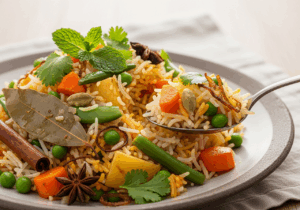
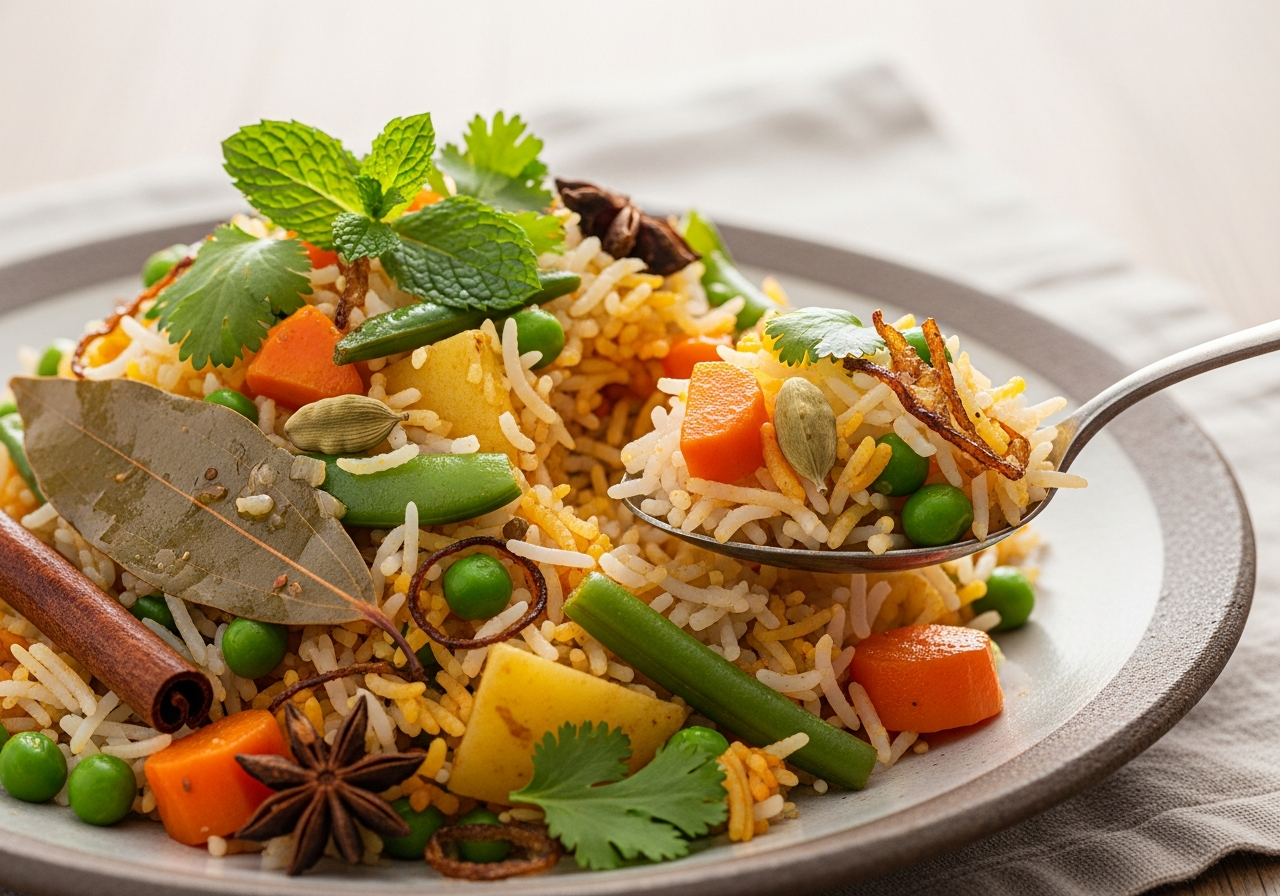
Savor the Flavors: A Guide to Perfect Vegetable Biryani begins with selecting the freshest ingredients, which form the soul of this vibrant and comforting dish. Authentic vegetable biryani comes alive when you opt for crisp vegetables bursting with color and vitality-think luminous orange carrots, deep green peas, and fragrant fresh coriander. The key is to choose vegetables that hold their texture through slow cooking without turning mushy, such as cauliflower florets, cubed potatoes, and slightly crunchy beans. Aromatic basmati rice, preferably aged for at least six months, lends an unmatched fluffy and separate grain structure that will elevate your biryani experience.
When sourcing spices, prefer whole variations like fragrant cinnamon sticks, warm cardamom pods, and earthy cloves. Freshly grinding these spices unlocks their full potential, imprinting your dish with authentic warmth and complexity.High-quality saffron threads,soaked gently in warm milk,add a luxuriously floral and golden hue that few shortcuts can replace.
Prep and Cook Time
- Preparation: 25 minutes
- Cook: 45 minutes
- Total: 1 hour 10 minutes
Yield
Serves 4 to 5 hungry guests
Difficulty Level
Medium – ideal for home cooks ready to master classic layering and spice blending techniques
Ingredients
- 2 cups aged basmati rice, rinsed and soaked for 30 minutes
- 1 medium onion, thinly sliced
- 1 cup cauliflower florets
- 1 medium carrot, diced
- 1/2 cup green peas (fresh or frozen)
- 1/2 cup green beans, chopped
- 1 medium potato, peeled and cubed
- 1/4 cup chopped fresh coriander leaves
- 1/4 cup chopped fresh mint leaves
- 4 tablespoons ghee or vegetable oil
- 1 teaspoon cumin seeds
- 4 green cardamom pods, lightly crushed
- 3 cloves
- 1 small cinnamon stick (2 inches)
- 1 bay leaf
- 1 teaspoon ginger-garlic paste
- 1 teaspoon red chili powder
- 1/2 teaspoon turmeric powder
- 1 teaspoon garam masala
- 1/2 teaspoon ground coriander
- Salt, to taste
- 1/4 teaspoon saffron threads, soaked in 2 tablespoons warm milk
- 1/4 cup fried onions (optional, for garnish)
- 2 cups water or vegetable broth
mastering the Art of Spice Blending to Elevate Your Biryani
Integrating a harmonious spice blend is where your vegetable biryani transcends from good to legendary.Begin by heating oil or ghee until fragrant, then temper whole spices-cumin seeds, cardamom, cloves, cinnamon, and bay leaf-to infuse every bite with depth. The foundation is the balance between heat, earthiness, and floral notes. A freshly ground garam masala layered at the end weaves in warmth, while red chili powder adds a gentle prickling sensation that awakens the palate.
Don’t underestimate the magic of a ginger-garlic paste sautéed just until golden; it releases essential oils that form the backbone of your biryani’s aroma. Marrying these spices with tender vegetables and rice ensures each grain carries a piece of your craft, culminating in a dish that’s fragrant, colorful, and irresistibly appetizing.
Step-by-Step Techniques for Layering and Cooking to Perfection
- Parboil the rice: Bring 4 cups of water to a boil, add salt and soaked rice, then cook until 70% done-grains should crack but not break. Drain and rinse under cool water to stop cooking.
- Sauté vegetables: In a heavy-bottomed pot, heat ghee/oil, temper whole spices, then add sliced onions. Cook until golden, about 8 minutes, stirring frequently.
- Add ginger-garlic paste and cook until aromatic, about 2 minutes.
- Stir in diced vegetables, turmeric, chili powder, ground coriander, salt, and cook covered for 8-10 minutes or until veggies are tender but firm.
- Layer the biryani: spread half of the parboiled rice over the vegetable mixture. Sprinkle half of the chopped mint and coriander. Drizzle half the saffron milk evenly.
- Repeat the rice and herb layers: Add the remaining rice, then herbs, and saffron milk. Lightly press the layers down but don’t compact.
- Cover tightly: Seal the pot with a tight-fitting lid or dough to trap steam.
- Dum cooking: Place the pot on a low flame with a heat diffuser or tawa for 25-30 minutes. This slow steaming melds flavors and cooks rice fully.
- Rest and fluff: Turn off the heat and let the biryani sit undisturbed for 10 minutes. Gently fluff with a fork while mixing layers carefully.
- garnish: Top with crispy fried onions and a handful of fresh coriander for visual and textural contrast.
Serving Suggestions and Pairings to Complement Your Vegetable Biryani
Present your vegetable biryani steaming hot on a large platter, ideally garnished with extra fresh herbs and golden fried onions that add a pop of crunch and color. Accompany this dish with a cool, creamy cucumber raita-a yogurt side tempered with cumin and finely chopped mint-to balance the spices and refresh the palate. A crisp Indian salad of thinly sliced onions, tomatoes, and lemon wedges is a bright, tangy contrast. For a heartier meal, a bowl of chickpea curry (chana masala) pairs beautifully, enhancing the plant-based protein profile.
To elevate your table further, serve with warm roti or naan bread, allowing guests to scoop up the rich layers. Don’t forget a chilled mango lassi to round out the meal with sweetness and spice harmony. These thoughtful pairings create an irresistible feast that honors the essence of authentic Indian cuisine.
Chef’s Notes: Tips for Success
- Use aged basmati rice if possible; the grains separate better and absorb flavors beautifully.
- Soaking saffron in warm milk brings out a richer color and aroma-don’t skip this step.
- Keep vegetables slightly firm by avoiding overcooking before layering; they will finish cooking during dum.
- For a vegan version, use vegetable oil or coconut oil rather of ghee without compromising richness.
- Layering with fresh herbs between rice and vegetables ensures bursts of green freshness in every bite.
- Seal the pot lid firmly during dum cooking to trap fragrant steam, which is key for authentic biryani texture.
| Nutrient | Per Serving |
|---|---|
| Calories | 340 kcal |
| Protein | 8 g |
| Carbohydrates | 62 g |
| Fat | 6 g |

For more flavorful Indian rice dishes, check out our detailed collection of Indian rice recipes. For an in-depth spice profile,read the informative guide on selecting the best spices for Indian cooking.
Q&A
Q&A: Savor the flavors – A Guide to Perfect Vegetable Biryani
Q1: What makes vegetable biryani different from other rice dishes?
A: Vegetable biryani stands out for its intricate layering of fragrant basmati rice, an aromatic blend of spices, and colorful vegetables. Unlike simpler rice dishes, biryani involves slow cooking to marry textures and flavors, creating a harmonious symphony of spice, aroma, and taste that lingers with every bite.
Q2: which vegetables work best in a vegetable biryani?
A: The magic of vegetable biryani lies in its versatility. Classic choices include carrots, potatoes, peas, beans, and cauliflower. These vegetables provide both texture and mild sweetness. Adding tender bell peppers,zucchini,or mushrooms can introduce exciting new dimensions. The key is to choose vegetables that hold their shape without turning mushy after slow cooking.
Q3: How important are the spices in vegetable biryani, and what are the essentials?
A: Spices are the soul of biryani. Essential spices include cinnamon sticks, cardamom pods, cloves, bay leaves, and star anise.Ground spices such as turmeric, coriander, red chili powder, and garam masala elevate the dish’s complexity. Each spice layer brings depth, warmth, and subtle heat – but balance is key to avoid overpowering the fresh vegetable flavors.
Q4: Can you explain the importance of rice preparation in biryani?
A: Absolutely! Basmati rice is the preferred choice for its long, slender grains and delightful aroma. Rinsing the rice multiple times removes excess starch,preventing clumping. Parboiling the rice before layering ensures it finishes cooking perfectly when steamed with vegetables and spices. This technique keeps the grains fluffy and separate,essential for a visually stunning and flavorful biryani.
Q5: What is ‘dum’ cooking, and why is it essential for biryani?
A: ‘Dum’ refers to the slow-steaming technique where the pot is sealed tightly, often with dough or foil, trapping steam inside. This gentle cooking allows flavors to infuse deeply, vegetables to tenderize without disintegrating, and rice to absorb aromatic spices. Dum cooking’s slow magic creates the signature layered taste and texture unique to biryani.
Q6: How can I make my vegetable biryani more aromatic and flavorful?
A: In addition to the core spices, fresh ingredients like chopped mint, cilantro, and fried onions are game changers. A sprinkle of saffron soaked in warm milk added during layering gives an irresistible fragrance and a golden hue. a squeeze of lemon or a dash of rose water or kewra water can add a subtle floral brightness that elevates the entire dish.
Q7: Are there any tips for serving vegetable biryani that enhance the experience?
A: Serving vegetable biryani with cooling sides like raita (yogurt mixed with cucumber and spices) creates a perfect balance of heat and freshness. A simple salad of sliced onions, cucumber, and tomatoes dressed with lemon juice adds a crisp texture contrast. For a truly celebratory meal, pair it with a side of spiced vegetable curry or a tangy pickle.
Q8: How can I store and reheat leftover vegetable biryani without losing its charm?
A: Leftovers can be refrigerated in an airtight container for up to two days. To reheat,sprinkle a little water over the biryani and cover it with a lid or foil before warming in a pan or oven. This technique helps steam the rice gently, restoring its fluffiness and preventing it from drying out. Avoid microwaving uncovered, which can lead to uneven heating.
Q9: Is vegetable biryani suitable for special occasions or everyday meals?
A: Vegetable biryani is wonderfully versatile.Its vibrant colors, rich aromas, and complex flavors make it a showstopper for festive occasions and gatherings. At the same time, with a bit of prep, it also fits beautifully into weekday dinners for a satisfying and nourishing meal that feels special yet approachable.
Q10: Can I customize the heat level in vegetable biryani to suit different palates?
A: Absolutely! The chili powder and fresh green chilies can be adjusted to your preferred spice level. For those who prefer milder flavors,reducing red chili or omitting green chilies works perfectly while relying more on fragrant spices to carry the dish. For spice lovers, adding freshly chopped chilies or a pinch of black pepper can give your biryani that extra kick.
Dive into vegetable biryani’s vibrant palette and rich history, and let each bite take you on a fragrant journey through layers of tradition and culinary artistry!
Closing Remarks
As the aromatic spices settle and the vibrant colors of your vegetable biryani come together, you’ve not only cooked a meal-you’ve crafted an experience. Each bite tells a story of tradition, patience, and the harmonious blend of nature’s bounty. whether you’re a seasoned biryani lover or a curious culinary adventurer, this guide has unveiled the secrets to elevating your vegetable biryani to perfection. So, embrace the journey of flavors, experiment with your favorite veggies and spices, and most importantly, savor every mouthful of this timeless dish that brings warmth, comfort, and celebration to your table. Happy cooking-and even happier eating!