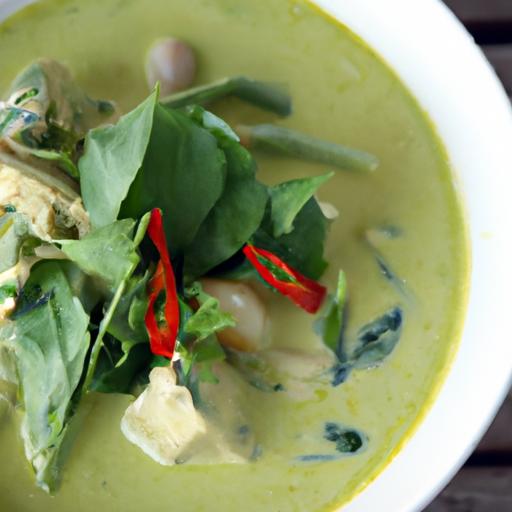



There’s a certain alchemy in the kitchen when vibrant spices meet creamy coconut milk – and few dishes showcase this enchanting duet quite like green curry. Bursting with layers of bold,aromatic flavors,green curry is more than just a meal; it’s a sensory journey through the lush landscapes of southeast Asia. From the fiery heat of fresh green chilies to the rich,velvety embrace of coconut milk,this beloved Thai classic unlocks a magic that transforms simple ingredients into a harmonious symphony of taste. In this article, we’ll explore the secrets behind green curry’s irresistible allure and reveal how coconut milk plays a starring role in crafting its luscious, unforgettable flavor.
Unlocking flavors lies at the heart of Thai cuisine, and few dishes embody this better than the luscious marriage of vibrant green curry paste with creamy coconut milk. This dish dances on the palate with its intricate blend of fresh herbs,aromatic spices,and cooling sweetness,inviting you into a world where heat and harmony coexist beautifully.
Prep and Cook time
- Planning: 15 minutes
- Cooking: 25 minutes
- Total Time: 40 minutes
Yield
Serves 4 generous portions
Difficulty Level
Medium – approachable for home cooks eager to deepen their Thai culinary repertoire
Ingredients
- 3 tbsp green curry paste (store-bought or homemade for maximum freshness)
- 1 can (14 oz) coconut milk, well shaken
- 2 tbsp vegetable oil or coconut oil
- 1 lb boneless chicken thighs, cut into bite-sized pieces (substitute with tofu or chicken breast if preferred)
- 1 cup Thai eggplants, quartered (or substitute with green zucchini)
- 1/2 cup bamboo shoots, thinly sliced
- 1 cup snap peas, trimmed
- 2 tbsp fish sauce (or soy sauce for vegetarian version)
- 1 tbsp palm sugar (or light brown sugar)
- 4-5 kaffir lime leaves, torn into pieces
- Fresh Thai basil leaves, handful for garnish
- Fresh red chili slices, for optional garnish and extra heat
- Steamed jasmine rice, for serving
Instructions
- Heat the oil in a large skillet or wok over medium heat.Add the green curry paste and sauté gently for 1-2 minutes until fragrant and glossy, stirring frequently to prevent burning.
- Pour in half the coconut milk and stir to blend with the curry paste. Let it simmer gently until the oil separates slightly-this signals a rich, roasted flavor developing, about 4-5 minutes.
- Add the chicken pieces, coating them thoroughly in the curry mixture. Cook until the chicken is mostly opaque, about 5 minutes, stirring occasionally for even cooking.
- Pour in the remaining coconut milk and bring the curry to a gentle simmer.
- incorporate the Thai eggplants, bamboo shoots, and snap peas. Stir to combine and continue to simmer until the vegetables are tender but still crisp, roughly 6-8 minutes.
- Season the curry with fish sauce and palm sugar, balancing salty and sweet flavors carefully. Add the torn kaffir lime leaves for a bright citrus aroma. Taste and adjust seasoning as needed-you want a vibrant,harmonious flavor.
- Remove from heat and stir in a handful of fresh Thai basil leaves for an herbal finish just before serving.
- Serve hot over steamed jasmine rice, garnished with additional basil and red chili slices if you like an extra kick of heat and color.
tips for Success: Elevate Your Green Curry Experience
- Make your own paste: Freshly ground green curry paste using ingredients like green chilies,lemongrass,shallots,galangal,and coriander roots will reveal a brighter,deeper flavor profile.
- Use full-fat coconut milk: its creamy texture forms the signature silky base that balances the curry’s heat and herbal notes perfectly.
- Don’t rush the simmer: Allow the coconut milk and curry paste to gently cook until the oils separate for a more complex taste.
- Adjust heat carefully: If you prefer milder curry, reduce the amount of green curry paste but keep the aromatics for full-bodied flavor.
- Try alternative proteins: For a vegetarian or vegan option, replace chicken with firm tofu or tempeh and use soy sauce rather of fish sauce.
- Prep ahead: The curry tastes even better the next day as flavors meld-perfect for meal prep.
Serving Suggestions
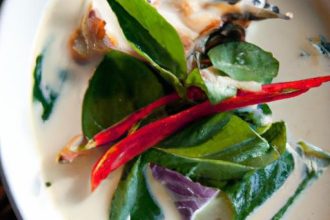
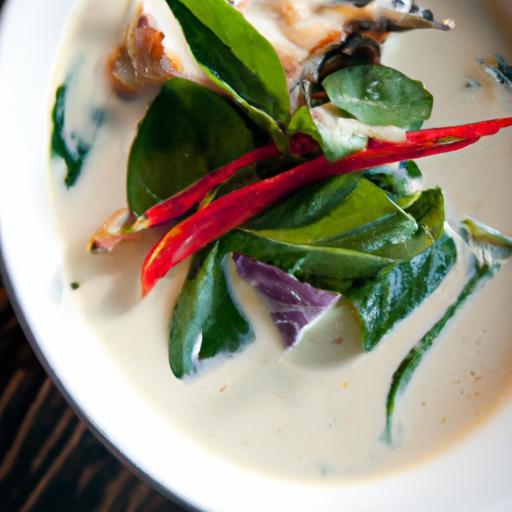
Present this vibrant green curry nestled alongside a mound of fragrant jasmine rice on a broad white plate to create contrast with the curry’s lush emerald hue. Garnish with fresh Thai basil leaves, finely sliced red chili, and a wedge of lime for that extra zing. For an elegant touch,serve in a rustic earthenware bowl to evoke the warmth of Thai street food culture.
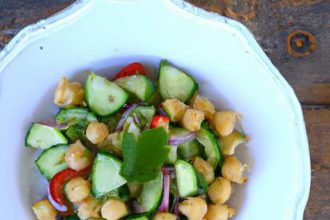
Pair your curry with a simple cucumber salad or crunchy papaya salad to introduce refreshing crispness and balance the creamy spice.
| Nutrient | Per Serving |
|---|---|
| Calories | 450 kcal |
| Protein | 30 g |
| Carbohydrates | 18 g |
| Fat | 28 g |
Explore our guide to Thai coconut curries for more culinary inspiration.
For detailed insights on the green curry paste’s traditional herbs and origins, visit Encyclopaedia Britannica.

Q&A
Q&A: Unlocking Flavors: The Magic of Green Curry with Coconut Milk
Q1: what makes green curry unique compared to othre curry varieties?
A1: Green curry’s vibrancy lies in its harmonious blend of fresh green chilies, aromatic herbs like Thai basil and cilantro, and that unmistakably creamy texture from coconut milk. Unlike red or yellow curries, green curry balances heat and sweetness with an herbal brightness that feels both lively and soothing on the palate.
Q2: How dose coconut milk enhance green curry?
A2: Coconut milk acts as the velvety backbone of green curry, mellowing the spiciness while enriching every spoonful with a subtle tropical sweetness. Its creamy texture allows the curry paste’s intricate layers of flavor-lemongrass, galangal, kaffir lime leaves-to shine without overpowering them. Essentially, coconut milk transforms the curry into a luscious, smooth symphony of taste.
Q3: Can green curry be made with dietary restrictions in mind?
A3: Absolutely! Green curry is wonderfully adaptable. It shines just as brightly with chicken, tofu, or an array of vegetables like eggplant, green beans, and bamboo shoots. For vegetarian or vegan versions, simply ensure the curry paste is free from shrimp paste or fish sauce, or substitute with plant-based alternatives. The creamy coconut milk keeps every choice rich and satisfying.Q4: What is the secret to achieving the perfect balance of spice in green curry?
A4: The magic lies in layering. Start by gently frying the green curry paste to release its essential oils, then slowly simmer with coconut milk so the flavors meld beautifully. Adjust fresh green chilies or coconut milk quantities during cooking to tailor the heat to your liking.Finishing with fresh herbs and a squeeze of lime adds brightness that tempers and elevates the spice.
Q5: Why is fresh herb garnish important in green curry?
A5: Fresh herbs like thai basil and cilantro aren’t just decoration-they add bursts of aroma and fresh, slightly sweet or citrusy notes that lift the richness of the curry. They create textural contrast and a fragrant invitation before the first bite, completing the multidimensional taste experience of green curry.
Q6: how can one recreate the authentic flavor of Thai green curry paste at home?
A6: Authentic green curry paste is a lively blend of fresh green chilies, garlic, shallots, galangal, lemongrass, kaffir lime zest, coriander roots, and cumin seeds, freshly pounded or blended into a vibrant paste. Using fresh ingredients and toasting the spices before blending unlocks deep, bright flavors that set your curry apart from store-bought versions.
Q7: What are some ideal side dishes to complement green curry with coconut milk?
A7: Steamed jasmine rice is the classic pairing, absorbing the luxurious sauce perfectly. For variety, try sticky rice for a comforting bite, or light vegetable stir-fries that echo the curry’s freshness. A crisp cucumber salad or pickled vegetables can also add a refreshing crunch, balancing the curry’s richness.
Q8: Can green curry be enjoyed chilled or only hot?
A8: Traditionally served hot to showcase its complex flavors, green curry can also be enjoyed at room temperature or gently reheated. While chilling can mute some aromas,the creaminess of coconut milk still delivers a comforting experience. Try leftover green curry on wraps or as a flavorful sauce for cold noodles for a twist on the classic.
Q9: How does green curry reflect Thai culinary ideology?
A9: green curry epitomizes the Thai philosophy of balancing the five key tastes-sweet, salty, sour, bitter, and spicy-in one dish. The interplay of fresh herbs, spices, creamy coconut milk, and a hint of acidity creates a harmonious flavor profile that celebrates freshness, complexity, and vibrant contrasts, just as Thai cuisine intends.
Q10: What’s a simple tip for making green curry more aromatic at home?
A10: Always toast your green curry paste in a little oil before adding coconut milk and other ingredients. this step releases the essential oils from the herbs and spices, waking up their aroma and intensity.Fresh lime juice and Thai basil added just before serving will also boost the curry’s fragrant appeal beautifully.
in summary
As the rich, aromatic notes of green curry mingle with the creamy sweetness of coconut milk, we uncover more than just a meal-we unlock a vibrant tapestry of culture, tradition, and culinary artistry. this harmonious blend not only delights the palate but also invites us to explore the stories and flavors that have traveled through time and across borders. Whether you’re a seasoned cook or a curious foodie, embracing the magic of green curry with coconut milk opens a gateway to endless experimentation and sensory adventure. So next time you savor that luscious bite, remember: you’re tasting a masterpiece crafted by nature, heritage, and a touch of culinary genius.