




In the heart of bustling bazaars and quiet homes alike, the rich aroma of Turkish coffee weaves a timeless tale-one steeped in ritual, culture, and patience. More than just a morning pick-me-up, Turkish coffee is an art form that has transcended centuries, inviting each cup to tell a story of tradition and togetherness. From the gleaming cezve to the delicate grounds that settle at the bottom, every step of the brewing process is a dance between precision and patience. This sacred ritual is not merely about drinking coffee; it’s about slowing down, savoring the moment, and connecting with a heritage that has been lovingly preserved through generations. Join us as we explore the enchanting world of Turkish coffee brewing-a journey into a beverage that is as rich in history as it is in flavor.
The Timeless Art and Ritual of Turkish Coffee Brewing invites coffee lovers into a world where centuries-old traditions and precise craftsmanship meld into one transcendent cup.Originating from the Ottoman Empire era, this iconic brew is much more than just a morning stimulant-it symbolizes hospitality, storytelling, and moments of connection. My first encounter with Turkish coffee was in a bustling Istanbul café, where the aroma was as enchanting as the ritual itself. It’s this heritage and sensory experience I aim to bring alive, guiding you through every step of mastering this conventional brewing technique to savor its authentic flavor in your own home.
Prep and Cook Time
- Preparation: 5 minutes
- Brewing: 10 minutes
- Total Time: 15 minutes
Yield
Serves 2 small cups (60-70 ml each)
Difficulty Level
Medium – Requires attention and patience for the perfect foam and flavor extraction
Ingredients
- 2 heaping teaspoons finely ground Turkish coffee (preferably Arabica beans,roasted medium-dark)
- 1 cup cold,filtered water (about 70 ml per serving)
- 1-2 teaspoons sugar (optional,adjust to taste)
- Cardamom pods or ground cardamom (optional,for a fragrant touch)

Instructions
- Choose your cezve,the traditional small copper pot designed for even heat distribution. Add cold water measured precisely, as water quantity affects brewing intensity.
- Add the Turkish coffee grounds directly into the cezve. For a classic brew, do not stir yet.
- Add sugar now if you prefer your coffee sweetened. Stir gently just to dissolve the sugar and mix grounds.
- Place the cezve on low heat. Patience is crucial here. Watch closely as the coffee slowly warms without stirring.
- As the coffee nears boiling, a dense foam will start forming. This foam, called “köpük,” is the soul of Turkish coffee. Just before it boils over, remove the cezve from heat.
- Using a teaspoon, carefully skim some foam and divide it evenly into your cups.
- Return the cezve to low heat and let it come close to frothing a second time-but avoid boiling over.
- Pour the coffee slowly into the cups, allowing the grounds to settle at the bottom.
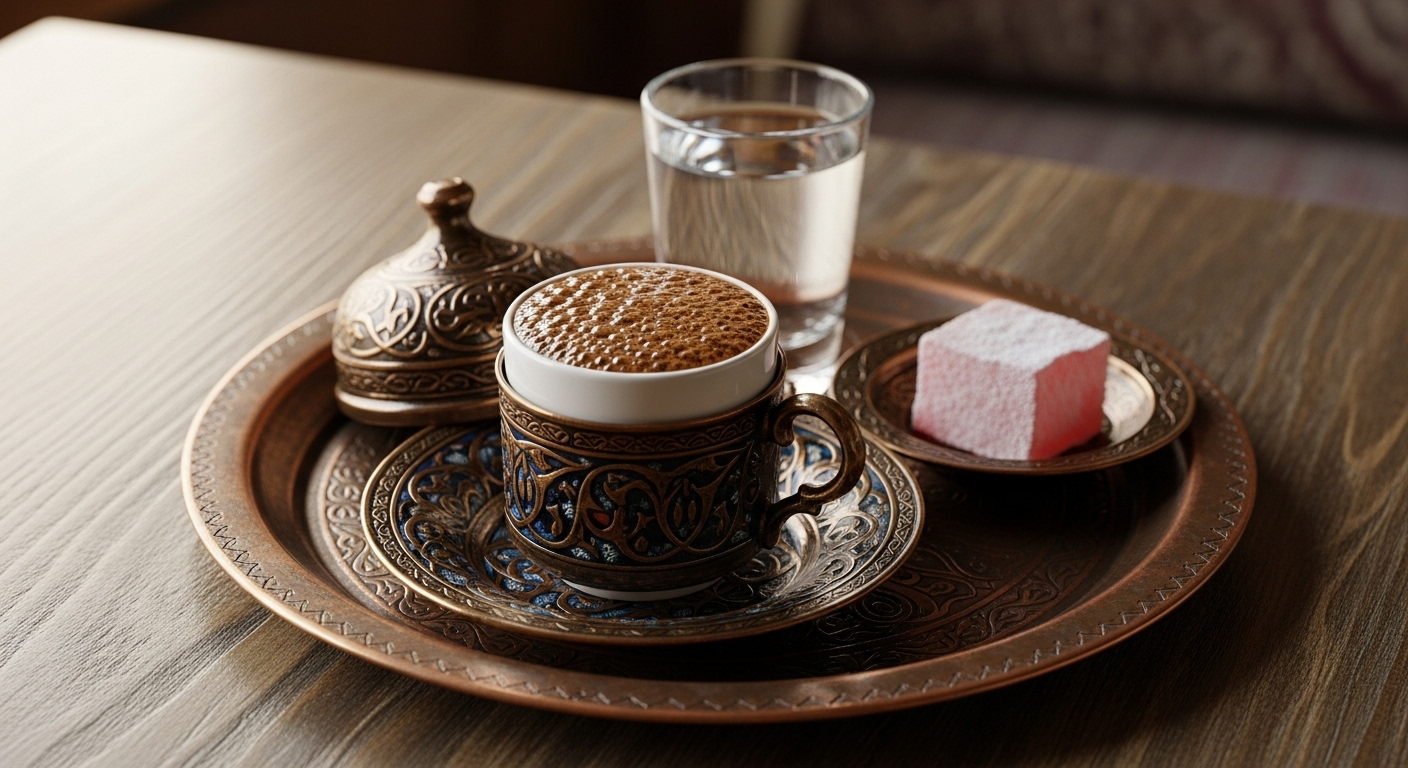
- Let it rest for a minute then serve instantly, accompanied by a glass of cold water and a small piece of Turkish delight or dark chocolate.
Tips for Success
- The grind size is critical-ultra-fine, almost powder-like Turkish coffee grind is necessary for authentic texture and flavor extraction. Ask your roaster specifically for “Turkish grind.”
- Never stir the coffee after heating starts. This preserves the foam and ensures a smooth cup.
- Low and steady heat is key. Rushing the process will burn the grounds, leaving a bitter taste.
- Try adding a pinch of cardamom ground or whole pods for a classic spice twist cherished in Middle Eastern culture.
- Invest in a quality cezve copper pot for consistent results-its thermal conductivity aids in building frothy foam crucial to presentation and taste.
- Make ahead tip: Turkish coffee should always be brewed fresh, but you can pre-measure grounds and sugar to save prep time.
Serving Suggestions
Present your Turkish coffee in small, ornately decorated cups called fincan to enhance the cultural ambiance. Offer a glass of cold water on the side to cleanse the palate before tasting. Complement this authentic experience with a traditional sweet treat like lokum (Turkish delight) or a small piece of dark chocolate to balance the coffee’s bold earthiness. Gather loved ones, share stories, and allow each sip to transport you to winding bazaars and majestic palaces, where this brew was born and perfected.
| Nutritional Facts (per serving) | Amount |
|---|---|
| Calories | 15 kcal |
| Protein | 0.3 g |
| Carbohydrates | 3 g (depends on sugar added) |
| Fat | 0 g |

To deepen your mastery, explore more about coffee origins and brewing techniques in our Ultimate Guide to Coffee Brews and discover the fascinating history behind coffee culture worldwide from reputable coffee institutions like the Specialty Coffee Association.
Q&A
Q&A: The Timeless Art and Ritual of Turkish Coffee Brewing
Q1: What makes Turkish coffee diffrent from other coffee brewing methods?
A1: Turkish coffee is distinguished by its unique preparation and presentation. Unlike drip or espresso methods, Turkish coffee involves finely ground coffee simmered directly in water with sugar (if desired) in a special pot called a cezve. The coffee is never filtered, resulting in a thick, velvety brew that settles at the bottom of the cup. This traditional method creates a richly aromatic and intensely flavorful experience.
Q2: Why is the grind size so significant in Turkish coffee?
A2: The grind size used for Turkish coffee is the finest-almost powder-like-much finer than espresso grind. This ultra-fine texture allows the coffee particles to remain suspended in the water during brewing, producing the signature rich, dense texture and strong flavor. A coarser grind would result in a weak brew and a less smooth mouthfeel.
Q3: What is a cezve, and why is it essential?
A3: A cezve (pronounced jehz-veh) is a small, long-handled pot traditionally made of copper or brass, specially designed for brewing Turkish coffee. Its shape – a wide base with a narrow neck – helps to retain the foam formed during brewing, which is an important aspect of the coffee’s texture and presentation. The cezve ensures even heat distribution, crucial for gently bringing the coffee to a frothy rise without boiling over.
Q4: Can you describe the brewing ritual itself?
A4: Brewing Turkish coffee is an artful and mindful ritual. Finely ground coffee and cold water are combined in the cezve, often with sugar added upfront. The pot is placed over low heat, encouraging a slow and gentle infusion. As the coffee heats, a thick foam forms on top-the hallmark of a perfectly brewed cup. Just before boiling, the foam is carefully scooped into each cup to preserve it, then the pot is returned to the heat for one or two more gentle rises.This ceremony builds anticipation and invites one to savor the process as much as the coffee.
Q5: What role does foam play in Turkish coffee?
A5: Foam, or kaimaki, is treasured in Turkish coffee culture-it’s a sign of a well-prepared cup and is associated with freshness and quality. The foam’s delicate texture enhances the sensory experience, creating a creamy layer atop the thick coffee body. Skilled brewers strive to preserve this foam when serving, often dividing it evenly among cups before pouring the rest of the brew.
Q6: Is sugar always added to turkish coffee?
A6: Sugar is optional and traditionally added at the start of brewing, not afterward. the coffee is typically prepared in one of three sweetness levels: sade (plain,no sugar),az şekerli (lightly sweetened),and şekerli (sweet). Stirring after brewing is avoided to maintain the foam and the coffee’s integrity.
Q7: How is Turkish coffee traditionally served?
A7: Turkish coffee is served in small, delicate cups called fincan. The coffee is presented alongside a glass of water to cleanse the palate and often accompanied by a small sweet treat like Turkish delight or nuts. The slow, thoughtful sipping of Turkish coffee is meant to encourage conversation, reflection, and hospitality.
Q8: What cultural significance does Turkish coffee hold?
A8: turkish coffee is more than a drink-it’s a symbol of community, tradition, and connection.It plays a starring role in social gatherings, family visits, and ceremonies, where brewing and sharing coffee fosters hospitality and respect. Its place in folklore, poetry, and even fortune-telling (reading coffee grounds) illustrates its deep woven roots in cultural identity.Q9: Can Turkish coffee grounds be used for fortune-telling?
A9: Yes! the coffee grounds left at the bottom of the cup after drinking are traditionally used for tasseography (coffee fortune-telling). Cups are turned upside down and allowed to cool; the shapes formed by the grounds stoke imagination and storytelling, often interpreted by skilled readers to reveal insights or playful predictions.
Q10: How has Turkish coffee influenced other coffee cultures around the world?
A10: Turkish coffee’s brewing technique and cultural rituals have inspired many coffee traditions across the Middle East, North Africa, and the Balkans. Its influence can be seen in variations like Greek coffee and arabic coffee, each adapting the method with regional flavors and customs. The enduring popularity of Turkish coffee globally testifies to its timeless charm and universal appeal.
Concluding Remarks
As the last sip of Turkish coffee lingers on the palate, so too does the rich tradition woven into every cup-a ritual that transcends mere caffeine and becomes a profound cultural experience. Brewing turkish coffee is more than a method; it is an art form steeped in history, patience, and connection. With its distinctive foam, robust flavor, and the promise of whispered fortunes in the grounds, this timeless practice invites us to slow down, savor the moment, and partake in a centuries-old dialog between past and present. Whether enjoyed in a bustling café or the quiet comfort of home, Turkish coffee continues to be a symbol of hospitality, conversation, and ritual-a small, potent reminder that in the simple act of brewing, we find stories, community, and a taste of tradition that endures.