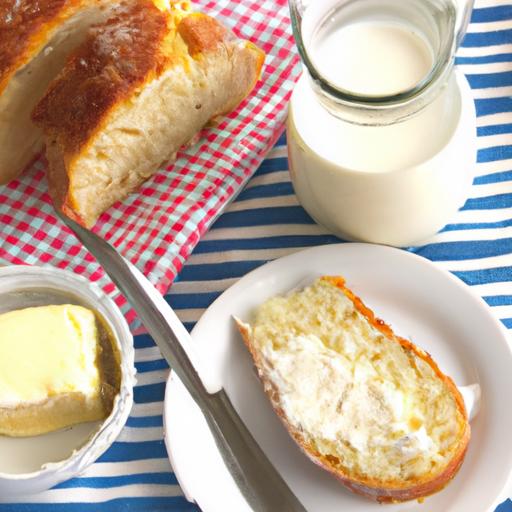




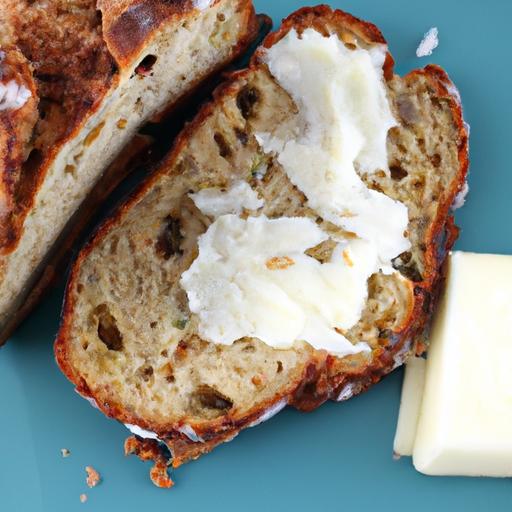
Imagine sinking your teeth into a slice of bread so tender, soft, and delightfully fluffy that it almost melts in your mouth. What if the secret to this irresistible texture isn’t some exotic ingredient, but a humble dairy delight sitting quietly in your fridge-cottage cheese? In the world of baking, cottage cheese often flies under the radar, overshadowed by butter and milk.Yet, this creamy, tangy marvel holds the key to transforming ordinary bread into an exceptional treat. join us as we unravel the creamy secret behind soft, fluffy cottage cheese bread, exploring how this simple ingredient can elevate your homemade loaves to cloud-like perfection.
The creamy secret to soft, fluffy cottage cheese bread lies not just in the inclusion of this luscious dairy component but in the careful balancing of texture and moisture it brings to every bite. Originating from customary European farmhouse recipes, cottage cheese has long been treasured for its unique ability to tenderize dough while infusing it with subtle tang and richness. As a Culinary Content creator and Food Stylist, I’m delighted to guide you through how this humble ingredient transforms ordinary bread into a tender, pillowy masterpiece with a flavor depth that is utterly addictive.
Prep and cook Time
- Preparation: 20 minutes
- Proofing: 1 hour 30 minutes (including two rises)
- Baking: 30 minutes
- Total Time: Approximately 2 hours 20 minutes
Yield
Makes one standard 9×5 inch loaf, serving 8 slices
Difficulty Level
Medium – Ideal for bakers comfortable with yeast dough and gentle folding techniques.
Ingredients
- 2 ½ cups all-purpose flour, sifted
- 1 cup full-fat cottage cheese, well-drained and room temperature
- ¼ cup whole milk, warmed (105°F)
- 2 ¼ tsp active dry yeast (1 packet)
- 2 tbsp granulated sugar
- 1 large egg, room temperature
- 3 tbsp unsalted butter, softened
- 1 tsp salt
Instructions
- Activate the yeast: In a small bowl, combine the warm milk with sugar and active dry yeast. Stir gently, then let it sit for 5 to 7 minutes, or until frothy. This is your proof the yeast is alive and ready to work its magic.
- Prepare the cottage cheese: Using a fine sieve or cheesecloth, drain excess liquid from the cottage cheese thoroughly to avoid a soggy dough. Let it come to room temperature for an even mix.
- Mix the dough: In a large bowl, whisk the egg lightly. Add the softened butter,salt,drained cottage cheese,and the yeast mixture. Gradually incorporate the sifted flour, stirring with a wooden spoon until the dough just pulls together. Avoid over-mixing at this stage to keep the texture soft.
- Knead gently: Transfer dough to a floured work surface. Knead gently for about 8 minutes. The dough will feel soft and slightly tacky but should not stick to your hands.Use a bench scraper if needed to fold and stretch dough carefully.
- First rise: Place the dough in an oiled bowl, cover with a clean towel, and let it rise in a warm spot for about 1 hour or until doubled in size. The cottage cheese’s moisture enhances the dough’s elasticity and rise, giving it extra fluffiness.
- Shape the loaf: Punch down the risen dough to release gas. Shape it gently into a loaf, avoiding aggressive handling.Place it into a greased 9×5 inch loaf pan ensuring the surface remains smooth for an even crust.
- Second rise: Cover the loaf loosely and allow it to rise again for 30 minutes or until the dough rises slightly above the edge of the pan.
- Bake to perfection: Preheat your oven to 350°F (175°C). Bake the loaf for 28-30 minutes until golden brown on top and a toothpick inserted in the center comes out clean. The cottage cheese helps retain moisture in the crumb, resulting in extended freshness after baking.
- Cool thoughtfully: Remove bread from the pan and place on a wire rack to cool wholly.This step is crucial as it prevents sogginess and allows the bread to set its airy texture.
Chef’s Notes: Tips for Success
- Choosing Cottage Cheese: Opt for full-fat, fresh cottage cheese with small curds; larger curds tend to form uneven pockets in your loaf.
- balancing Moisture: Draining excess liquid from cottage cheese is key. Too wet, and the bread dough can become gummy; too dry, and you lose creaminess.
- Kneading Technique: Knead gently and avoid overworking the dough, which can lead to a dense loaf.Aim for a soft, supple consistency that springs back when pressed.
- Extension of Shelf Life: The natural lactic acid from cottage cheese acts as a mild preservative, keeping the bread soft for days when stored in an airtight container.
- Make-Ahead: Dough can be refrigerated overnight after the first rise-bring it back to room temperature before shaping and the second rise.
Serving suggestions
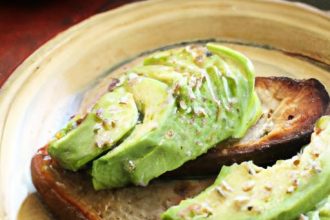
This soft, fluffy bread shines best when served slightly warm with a slather of whipped honey butter or a delicate layer of berry preserves. For a savory twist, pair slices with avocado smash topped with cracked black pepper and a pinch of smoked paprika. Garnish your platter with fresh herbs like rosemary or thyme to enhance the homemade appeal and invite guests to explore creative toppings. A light dusting of powdered sugar or a drizzle of olive oil and sea salt can also elevate the bread as an elegant accompaniment for cheese boards or rustic brunch spreads.
| Nutrition | Per Slice (1/8 loaf) |
|---|---|
| Calories | 150 |
| Protein | 7g |
| Carbohydrates | 20g |
| Fat | 5g |
Explore more yeast bread recipes and deepen your baking skills.
For further insights into yeast behavior and dairy’s impact on baking, visit King Arthur Baking’s Yeast Guide.

Q&A
Q&A: The Creamy Secret to Soft, Fluffy Cottage Cheese Bread
Q1: What makes cottage cheese a game-changer in bread baking?
A1: Cottage cheese brings a unique creaminess and moisture to the dough that’s hard to replicate with traditional ingredients. its natural curds add a gentle tang and tender crumb, resulting in bread that’s irresistibly soft and fluffy. Plus, it enriches the loaf with protein, making every bite satisfyingly wholesome.
Q2: How does cottage cheese affect the texture of the bread?
A2: The moisture and fat content in cottage cheese interact with gluten in a way that softens the crumb and keeps the bread tender for longer. this creates a light, airy texture that still holds together beautifully-a perfect balance between fluffy and sturdy.
Q3: Do I need to adjust the liquid ingredients when adding cottage cheese?
A3: usually, yes. As cottage cheese adds moisture, it’s wise to reduce other liquids slightly to prevent the dough from becoming too wet. Start by substituting part of the milk or water with cottage cheese, then tweak as needed to achieve a dough that’s soft but manageable.
Q4: Can I use any type of cottage cheese for baking?
A4: While low-fat and regular cottage cheese both work, avoid varieties with added herbs or fruit to keep flavors neutral. Lumpy curds are preferable as they break down during kneading, enriching the dough without leaving large pockets of cheese.
Q5: Will cottage cheese affect the rise of my bread?
A5: cottage cheese can slightly slow fermentation because of its acidity, but the effect is subtle.using a bit more yeast or giving the dough a slightly longer rise helps ensure a lofty, fluffy loaf. The payoff is worth the wait!
Q6: How can I incorporate cottage cheese into my favorite bread recipe?
A6: Replace part of the liquid (milk,water,or cream) with an equal volume of cottage cheese,and gently fold it into the dough during mixing. For best results, incorporate it early to allow even hydration and flavor melding throughout the loaf.
Q7: Does cottage cheese bread keep well?
A7: Thanks to its moisture-retaining qualities, cottage cheese bread stays soft and fresh longer than many traditional breads. Store it in an airtight container at room temperature, and enjoy a tender slice days after baking.
Q8: Can I add herbs, seeds, or other flavors to cottage cheese bread?
A8: Absolutely! Cottage cheese acts as a mild, creamy backdrop that pairs wonderfully with fresh herbs like rosemary or dill, seeds such as sunflower or flax, and even garlic or onion powder. These additions can enhance complexity without overpowering the delicate texture.
Q9: Is cottage cheese bread suitable for special diets?
A9: Cottage cheese bread is a great option for those seeking protein-enriched, nutrient-dense homemade bread. while it contains dairy, the soft, fluffy result is a wholesome choice to richer, butter-heavy breads – perfect for balanced eating when you want comfort with a nutritious twist.
Q10: What’s a simple, tried-and-true method to start baking with cottage cheese?
A10: Begin by mixing cottage cheese into your favorite basic bread dough recipe in place of some liquid ingredients.Knead well to break down curds, then proceed with normal rising and baking. With a little experimentation, you’ll uncover the creamy secret to soft, fluffy bread that elevates every meal.
In Summary
With its velvety texture and pillowy crumb,cottage cheese has quietly transformed humble bread into something extraordinary. Now that you know the creamy secret behind soft, fluffy cottage cheese bread, you can bring this delightful twist into your own kitchen. Whether enjoyed fresh from the oven or toasted with a swipe of butter, this bread promises a comforting bite that’s as nourishing as it is delicious. So, roll up your sleeves, embrace the magic of creaminess, and let every loaf tell a story of soft, fluffy bliss that elevates your everyday baking to a new, irresistible level.