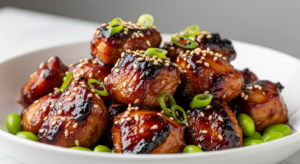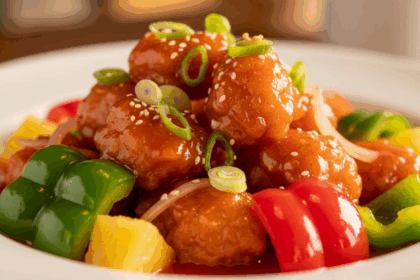


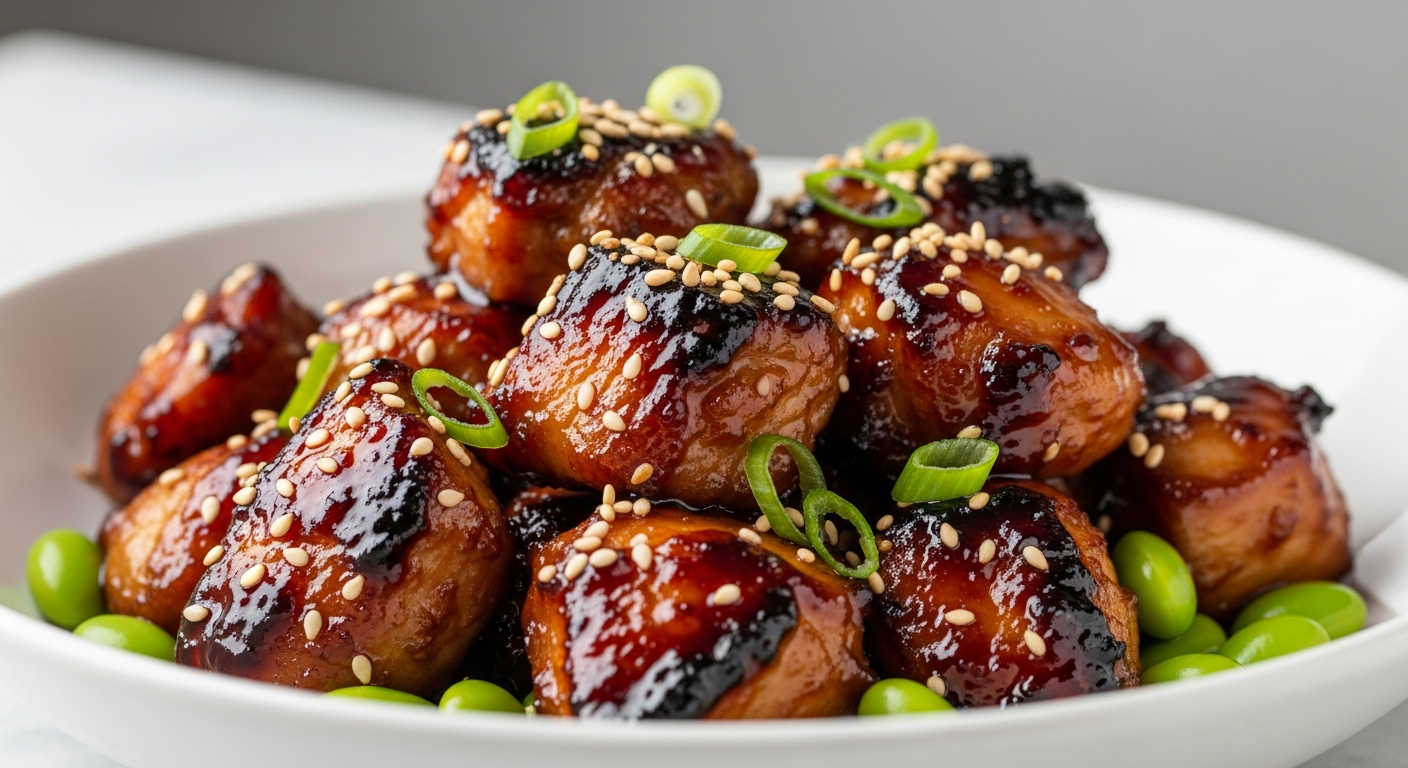
Teriyaki Chicken is more than just a beloved dish; it’s a harmonious dance between sweet and savory that has captivated taste buds around the world. But what is it about this seemingly simple combination that makes it so irresistible? Behind every glossy, caramelized bite lies a rich tapestry of history, technique, and flavor balance waiting to be uncovered.
In this article,we’ll peel back the layers of Teriyaki Chicken-exploring its origins,the secrets to crafting the perfect sauce,and tips to elevate this classic to your very own culinary masterpiece. Prepare to unlock the savory-sweet symphony that makes Teriyaki Chicken a timeless favorite.
Teriyaki chicken is a hallmark of Japanese cuisine, embodying a delicate dance between sweet and savory flavors that has captivated taste buds worldwide. Rooted deeply in conventional Japanese cooking, this dish has evolved from simple grilled meats basted with soy-based sauces to an international sensation celebrated in countless variations.
Mastering teriyaki chicken allows you to unlock the essence of umami, perfectly balancing sugar’s sweetness with soy’s salty depth and the gentle tang of mirin or sake, turning each bite into a luscious harmony of flavors.
Prep and Cook Time
- Planning: 20 minutes
- Marinating: 1 to 4 hours
- Cooking: 15 minutes
- Total Time: Approximately 1 hour 35 minutes (including marinating)
Yield
Serves 4 generously, perfect for family dinners or sharing with friends.
Difficulty Level
Easy to Medium – Ideal for those familiar with basic stovetop cooking, yet approachable for confident beginners looking to elevate their culinary skills.
Ingredients
- 4 boneless, skin-on chicken thighs (about 1.2 pounds), well-trimmed
- 1/2 cup soy sauce (preferably low sodium for better control over saltiness)
- 1/4 cup mirin (Japanese sweet rice wine)
- 3 tbsp granulated sugar
- 2 tbsp sake (optional, enhances umami and tenderizes)
- 1 tbsp freshly grated ginger
- 2 cloves garlic, finely minced
- 1 tbsp toasted sesame oil
- 1 tbsp cornstarch mixed with 2 tbsp cold water (optional, for sauce thickening)
- 2 green onions,ly thinly sliced for garnish
- sesame seeds for garnish
Instructions
- Prepare the marinade: In a medium bowl, whisk together the soy sauce, mirin, sugar, sake, ginger, garlic, and toasted sesame oil until sugar is fully dissolved.
- Marinate the chicken: Place the chicken thighs in a resealable bag or shallow dish, and pour the marinade over them. Seal and refrigerate for 1 to 4 hours. Longer marination deepens flavors and tenderizes the meat.
- Remove and pat dry: Take the chicken out of the marinade, reserving the marinade for sauce. Lightly pat the chicken dry with paper towels to ensure a crisp, caramelized finish during cooking.
- Cook the chicken: Heat a large non-stick skillet over medium heat. Place chicken thighs skin-side down and cook undisturbed for 7 minutes until skin is golden and crispy.
- Flip and continue cooking: Turn chicken over and cook for another 5 to 6 minutes until cooked thru (internal temperature 165°F/74°C). Adjust heat as needed to prevent burning.
- Reduce marinade into sauce: While chicken cooks, pour the reserved marinade into a small saucepan. Bring to a boil, then simmer for 3-5 minutes until slightly thickened. For a glossy finish, stir in cornstarch slurry, cook 1 minute until velvety smooth.
- Glaze the chicken: Spoon the thickened sauce generously over the cooked chicken in the skillet, turning the chicken a few times to coat well and infuse flavor.
- Plate and garnish: Transfer chicken to serving plates, drizzle with any remaining sauce from the pan.garnish with sliced green onions and a sprinkle of toasted sesame seeds for a fresh,nutty contrast.
Tips for Success
- Choosing the right cut: Skin-on chicken thighs are best due to their juicy, tender texture and how the skin crisps beautifully; breasts can be used but require careful timing to avoid drying out.
- Marinate magic: Marinating at least 1 hour is essential, but 4 hours yields the brightest, most complex taste. Avoid overnight to prevent an overly salty bite.
- Caramelization matters: Patting chicken dry before searing helps the skin crisp rather than steam, creating that iconic golden crust.
- Sauce thickness: Adjust the cornstarch amount if you want a thinner glaze; the sauce should coat and cling softly, not coat like a gravy.
- Make ahead: Sauce can be prepared up to 3 days ahead and refrigerated. Reheat gently and whisk before use.
- Variations to try: Substitute coconut sugar or honey for granulated sugar for a different sweetness profile; add a splash of freshly squeezed lemon juice just before serving for a nuanced tang.
Serving Suggestions
Serve your teriyaki chicken next to steamed white rice or fluffy jasmine rice, which acts as the perfect canvas for soaking up extra sauce. For a crisp contrast, serve with lightly sautéed bok choy or snap peas tossed in sesame oil and a pinch of sea salt. A simple sprinkle of toasted sesame seeds and finely sliced green onions vibrantizes the plate, enhancing the dish’s inviting aroma and texture. For added crunch,you could add roasted peanuts or a side of pickled ginger. This colorful presentation will delight both the eyes and palate.
| Nutrient | Per Serving |
|---|---|
| Calories | 320 kcal |
| Protein | 28 g |
| Carbohydrates | 10 g |
| Fat | 18 g |
For deeper insight into traditional Japanese cooking techniques, consider exploring our guide on basic Japanese cooking methods. To understand soy sauce’s rich history and varieties that elevate the dish, the SoySauce.com offers an authoritative resource.
Q&A
Q&A: Teriyaki Chicken – Unlocking the secrets of Sweet & Savory
Q1: What exactly is teriyaki chicken,and why is it so beloved worldwide?
A1: Teriyaki chicken is a classic Japanese dish where tender chicken is glazed with a luscious sauce that masterfully balances sweetness and umami-rich savoriness. Its irresistible charm comes from this harmonious interplay-sweet mirin and sugar meet salty soy sauce, creating a flavor profile that’s both comforting and exciting. this balance makes it a global favorite, perfect for any occasion from quick weeknight dinners to festive gatherings.
Q2: What are the core ingredients that give teriyaki chicken its signature flavor?
A2: At the heart of every teriyaki sauce lie soy sauce, mirin (a sweet rice wine), and sugar or honey. Thes ingredients blend to create a glossy, caramelized coating that’s sticky and satisfying. Sometimes freshly grated ginger or garlic join the mix, adding a gentle kick that deepens the flavor without overpowering the delicate balance.
Q3: Can teriyaki chicken be made healthier without sacrificing flavor?
A3: Absolutely! You can opt for lean cuts like boneless, skinless chicken breast and use low-sodium soy sauce to reduce salt content. Swapping traditional sugar with natural sweeteners such as honey or maple syrup not only lightens the dish but introduces subtle new flavor notes. Also, cooking techniques like grilling or baking instead of frying keep it lighter while still caramelizing the sauce beautifully.
Q4: How do you achieve that perfect glossy glaze on teriyaki chicken?
A4: The secret lies in technique and timing. After marinating or seasoning,the chicken is cooked on medium-high heat to allow the sugars in the sauce to caramelize without burning. As the sauce thickens, continuously spooning it over the chicken builds that irresistible sheen and coats every nook with sticky goodness.
Q5: Are there cultural nuances or variations in how teriyaki chicken is traditionally prepared?
A5: Yes! While the foundational flavors remain consistent, regional touches vary. In Japan, teriyaki tends to be lighter and less sweet, highlighting the natural flavor of the chicken. Elsewhere-especially in Western adaptations-recipes ofen amplify the sweetness or add ingredients like sesame seeds and scallions for extra texture and aroma. These variations highlight how teriyaki transcends its roots, adapting deliciously to different palates.
Q6: What are the best side dishes to pair with teriyaki chicken for a well-rounded meal?
A6: Teriyaki chicken’s rich, shiny sauce pairs beautifully with simple, complementary sides. steamed jasmine rice or fluffy sticky rice absorb the sauce perfectly, while lightly sautéed seasonal vegetables-such as broccoli, snap peas, or bok choy-add freshness and crunch. For an added burst of texture, sprinkle toasted sesame seeds or pickled ginger atop the dish.
Q7: How can home cooks elevate their teriyaki chicken from everyday to extraordinary?
A7: Elevation comes down to freshness and balance. Using freshly grated ginger and garlic brightens the sauce, while adjusting sweetness and saltiness to suit your taste ensures harmony. Don’t rush the cooking; slow caramelization makes all the difference. finishing with a sprinkle of freshly chopped scallions or a dash of chili flakes introduces color and contrast, transforming a humble meal into a feast for all senses.
Q8: What’s the history behind the name “teriyaki”?
A8: The word “teriyaki” combines two Japanese terms: “teri,” meaning glaze or shine, and “yaki,” meaning to grill or broil. Together, they describe the cooking method that results in meat or fish glazed in a shiny, flavorful sauce. This evocative name perfectly captures the essence of the dish,where visual appeal and savory taste walk hand in hand.
Q9: Is it possible to recreate teriyaki chicken with other protein options?
A9: While chicken is the classic choice, teriyaki sauce’s versatility allows it to complement other proteins like tender slices of beef, firm white fish, or even tofu for a plant-based spin.Each protein brings its own texture and flavor, making teriyaki a wonderfully adaptable sauce that brings sweet-savory magic to many dishes.
Q10: What’s a simple tip for marinating teriyaki chicken to maximize flavor absorption?
A10: Marinate your chicken for at least 30 minutes,but preferably a few hours (or overnight when time allows) in the refrigerator. This gives the sauce time to deeply penetrate the meat, resulting in juicy, flavorful bites. For even seasoning, pierce the chicken lightly with a fork or score the surface so the marinade can seep in more efficiently.
Unlocking teriyaki chicken’s secrets is all about embracing balance-sweetness and savoriness, simplicity and depth, tradition and creativity. whether you stick to the classic or experiment boldly, this dish invites you to savor the art of glazed delight.
Final Thoughts
As we close the chapter on the tantalizing world of teriyaki chicken,it’s clear that this beloved dish is much more than a simple blend of sweet and savory. It’s a harmonious dance of flavors-where soy meets sugar, and ginger wraps around garlic in a fragrant embrace. Unlocking the secrets of teriyaki chicken reveals not only culinary techniques but also a cultural story simmering through time.
Whether you’re a kitchen novice or a seasoned chef, embracing these insights invites you to recreate that glossy, caramelized perfection on your own stove. So next time you crave a dish that sings with balanced boldness and comforting warmth, remember: teriyaki chicken is more than a recipe-it’s an invitation to savor the art of flavor itself.