



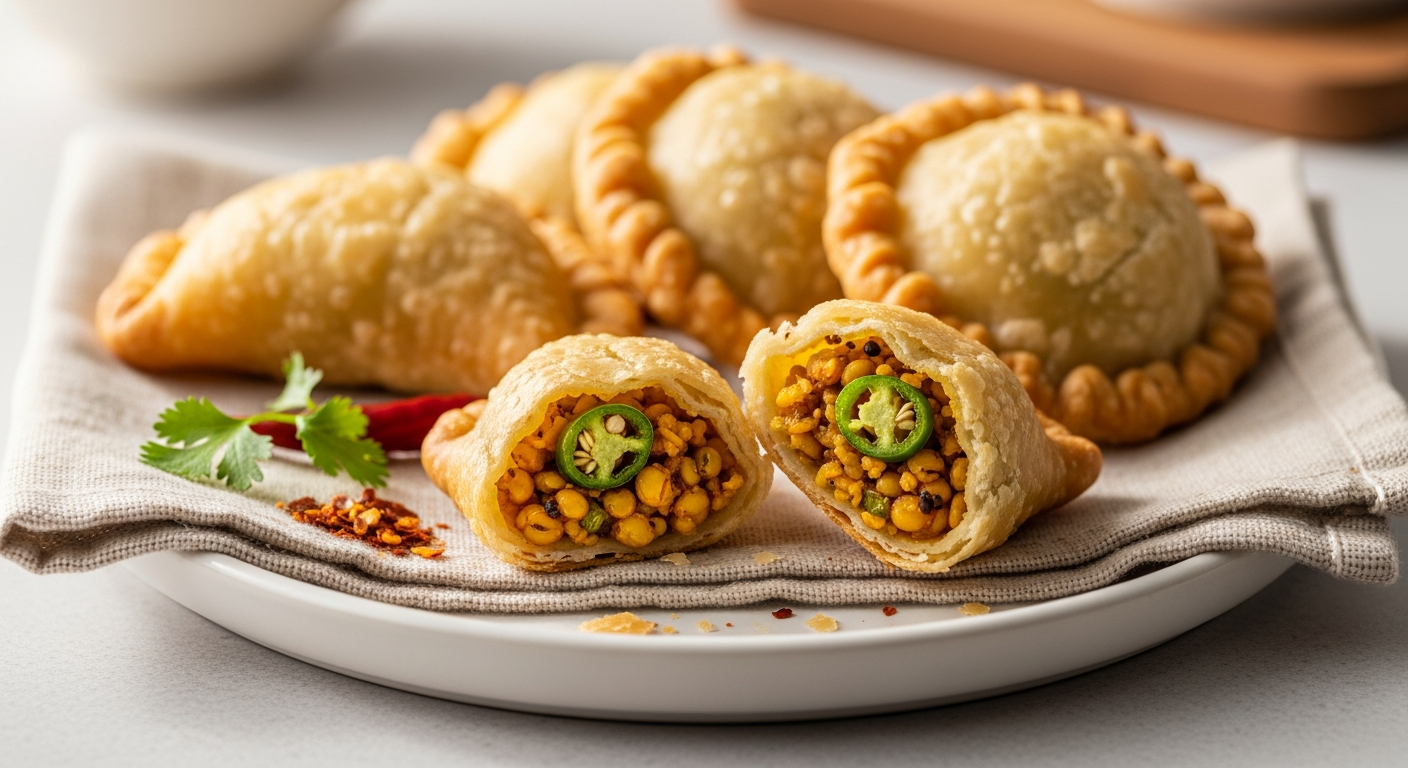
Crisp, golden, and bursting with bold flavors, the humble kachaudi stands as a testament too the rich tapestry of Indian street food. This spicy stuffed pastry, beloved across regions, offers more than just a snack-it’s a flavorful journey into the heart of vibrant spices and traditional craftsmanship. From its flaky, buttery crust to the zesty, aromatic filling that tingles the taste buds, kachaudi embodies a perfect harmony of texture and taste.In this article, we delve into the origins, variations, and culinary magic behind this zesty delight, inviting you to explore the irresistible world of spicy stuffed pastries that continue to captivate food lovers around the globe.
Origins and Cultural meaning of Kachaudi in Indian Cuisine
Kachaudi has long held a cherished place in the vibrant tapestry of Indian street food and festive fare. Originating from the northern regions, especially Rajasthan and Uttar pradesh, this zesty delight embodies centuries-old culinary traditions. Rooted in royal kitchens and bustling market stalls alike, kachaudi was originally crafted as a savory pastry to satiate hunger during long travels or festive celebrations.
Its signature crisp exterior coupled with a warmly spiced filling reflects the Indian ethos of balancing textures and layers of flavors. Over time, kachaudi became synonymous with joyous occasions like Holi and Diwali, bringing families and communities together to share in its bold taste and comforting crunch. Today, it continues to captivate food lovers beyond borders, celebrated not just as a snack but as a cultural emblem of hospitality and zestful eating.
Ingredient Spotlight: Exploring the Bold Spices and Flavors Inside
Kachaudi’s appeal lies in the carefully curated blend of spices that blend harmoniously within its filling, each contributing to an unforgettable flavor profile. The core ingredients include split yellow moong dal, which provides a creamy, slightly nutty base for the stuffing. The real magic arrives from an aromatic mix of asafoetida (hing), fennel seeds, cumin, and red chili powder, infusing warmth and a hint of fiery zest. Fresh ginger adds a subtle pungency, while black salt enhances the overall umami. This flavorful melange is further lifted by a dash of amchur (dry mango powder), giving kachaudi its iconic tangy brightness. This combination delivers a bold yet balanced taste experience, making every bite an exciting encounter with traditional Indian spices.
Step by Step Guide to Crafting the Perfect Crispy Kachaudi at Home
Prep and Cook Time: 45 minutes prep | 30 minutes cook
Yield: 10-12 pieces
Difficulty Level: Medium
Ingredients
- 1 cup all-purpose flour, sifted
- 2 tbsp semolina (rava), for extra crispness
- 3 tbsp oil (plus extra for deep frying)
- 1 cup split yellow moong dal, rinsed and soaked for 1 hour
- 1 tsp cumin seeds
- 1 tsp fennel seeds
- ¼ tsp asafoetida (hing)
- 1 tsp grated fresh ginger
- 1-1.5 tsp red chili powder (adjust to taste)
- ½ tsp turmeric powder
- 1 tsp amchur (dry mango powder)
- 1 tsp black salt
- Salt to taste
- 2 tbsp finely chopped fresh coriander leaves
- Warm water to knead the dough
Instructions
- Prepare the dough: In a mixing bowl, combine the sifted all-purpose flour, semolina, and 2 tablespoons of oil. Gradually add warm water and knead to form a smooth,firm dough. Cover with a damp cloth and set aside.
- Cook the dal: Drain soaked moong dal and pressure cook with a little water until soft but not mushy (about 2 whistles). Alternatively, boil in a pot stirring occasionally to avoid sticking.
- Prepare the filling: Heat 1 tablespoon of oil in a pan on medium heat.Add cumin seeds and fennel seeds, sauté until fragrant (about 30 seconds). Add asafoetida and ginger, then stir in the cooked dal.
- Add red chili powder, turmeric, black salt, amchur, and regular salt. Cook the mixture for 5-7 minutes, stirring gently, until it thickens and the flavors meld beautifully. Remove from heat, fold in chopped coriander, and let it cool.
- Shape the kachaudis: Divide the dough into equal-sized small balls. Roll out each ball into a 3-inch circle. Place a spoonful of the cooled filling in the center, gather the edges, and seal tightly. Flatten gently with your palms or roll carefully into a 3-4 inch disc, ensuring the filling does not spill out.
- Fry to perfection: Heat oil in a deep frying pan over medium heat. To test readiness, drop a small piece of dough into the oil-it shoudl rise steadily without smoking.Fry each kachaudi in batches, turning frequently, until golden brown and crisp on all sides (about 4-5 minutes). Drain on paper towels.
- Serve warm. The first crunchy bite reveals the tantalizing, spiced filling embraced by a flaky exterior-a true party of texture and flavor.
Chef’s Notes and Tips for Success
- Dough firmness: The dough should be smooth but firm, not soft or sticky. this helps maintain the kachaudi’s crispness.
- Filling texture: Avoid overcooking the dal; the stuffing should be dry to prevent sogginess inside the pastry.
- rolling tip: Use minimal flour for rolling; too much flour will toughen the pastry.
- variations: Try substituting moong dal with chana dal for a slightly nuttier taste, or add chopped green chilies for extra heat.
- Make-ahead: Prepare filling and dough in advance; assemble just before frying for freshest texture.
Pairing and Serving suggestions to Elevate Your Kachaudi Experience
Kachaudi pairs beautifully with chilled sweet tamarind chutney and tangy green coriander-mint chutney, balancing the spiciness with refreshing notes. Accompany with a cup of masala chai for a classic Indian snack time that delights the senses. Garnish with thinly sliced red onions and a sprinkle of chaat masala to elevate presentation and add layers of flavor.
For a more indulgent platter, serve alongside crispy papad and a dollop of thick yogurt infused with roasted cumin. The contrasts between hot, cold, spicy, and creamy create an irresistible sensory harmony.Perfect as a teatime treat or as part of a festive spread, these suggestions transform kachaudi from a humble street snack into a festive culinary celebration.

| Nutrient | Per Serving (1 Kachaudi) |
|---|---|
| Calories | 150 kcal |
| Protein | 5 g |
| Carbohydrates | 18 g |
| Fat | 7 g |
For a complementary deep dive into Indian snacks, check out our guide on Besan Kachori Recipes. To understand the health benefits and ancient use of key spices like fennel and asafoetida, visit the authoritative National Center for Biotechnology Details.
Q&A
Q&A: Kachaudi – Exploring the Zesty Delight of Spicy Stuffed Pastries
Q1: What exactly is Kachaudi?
A: Kachaudi is a beloved indian snack, often described as a spicy stuffed pastry. It’s a deep-fried delight, with a crisp, flaky outer shell encasing a flavorful filling made primarily from spiced lentils, peas, or other legumes. A burst of aromatic spices combined with a golden, crunchy exterior makes it a favorite street food across many regions.
Q2: Where did Kachaudi originate?
A: Though enjoyed throughout India, Kachaudi is traditionally linked to the northern states like Rajasthan and Uttar Pradesh. Each region adds its own twist-some favor a tangy, fiery filling, while others keep it earthy and mild. This pastry has a rich history, often associated with festive occasions and roadside snack stalls.
Q3: What are the typical ingredients in the Kachaudi filling?
A: The fillings vary widely but typically include yellow moong dal, urad dal, or chana dal, combined with spices such as cumin, coriander, fennel seeds, asafoetida, red chilies, and garam masala. Some versions also incorporate ginger, garlic, and fresh green chilies to elevate the zestiness.
Q4: How is Kachaudi prepared at home?
A: Making Kachaudi involves preparing a dough-usually from refined flour-and a spiced lentil mixture. The lentils are soaked, cooked lightly, then mashed and mixed with aromatic spices. Small balls of dough are rolled out, filled generously, sealed, and then deep-fried until golden and crispy.the result is a perfect combination of crunchy and spicy textures.
Q5: Can Kachaudi be enjoyed during specific times of the day?
A: Absolutely! Kachaudi is incredibly versatile-it makes for a perfect breakfast snack alongside hot chai, a midday munchie, or an evening treat at bustling markets. Its hearty nature and zest make it satisfying anytime hunger strikes.
Q6: Are there any popular accompaniments for Kachaudi?
A: Yes! Kachaudi is commonly served with sweet and tangy tamarind chutney, spicy green chutney, or yogurt-based dips that balance its richness. Some enjoy it paired with aloo sabzi (potato curry), turning it into a wholesome meal.
Q7: How does Kachaudi differ from other stuffed pastries like samosas?
A: While both are stuffed and fried pastries, Kachaudi’s filling is usually made from spiced lentils and is denser, whereas samosas frequently enough contain mashed potatoes, peas, or minced vegetables with a lighter spice profile. Kachaudi dough is frequently enough slightly thicker and flakier, creating a distinct texture that sets it apart.
Q8: Can Kachaudi be made gluten-free or vegan?
A: Traditional Kachaudi is typically vegan, as it doesn’t include dairy or eggs. For gluten-free versions, the dough can be adapted with option flours like chickpea or rice flour, though it may alter the texture slightly. The filling’s base of lentils and spices remains a naturally plant-based option.
Q9: What makes Kachaudi such a popular snack across India?
A: Its irresistible combination of crunch,spice,and warmth makes Kachaudi an all-time favorite. It’s easy to eat on the go, packed with flavors that awaken the palate, and carries a nostalgic charm for many who grew up enjoying it at bustling street stalls or family kitchens.
Q10: Are there any creative variations of Kachaudi worth trying?
A: Definately! Modern twists involve adding mashed vegetables like sweet potatoes or spinach to the filling,experimenting with different spice blends like smoked paprika or chaat masala,and baking instead of deep-frying for a lighter version. These creative variations keep the spirit of Kachaudi alive while appealing to contemporary tastes.
Explore the zest and heritage of Kachaudi, and let this humble stuffed pastry introduce you to a world of bold Indian flavors that celebrate both tradition and innovation.
In Conclusion
As the final crumbs of a piping hot kachaudi melt away, what lingers is more than just the fiery burst of spices-it’s a celebration of culinary heritage wrapped in flaky, golden layers. This humble pastry, with its vibrant fillings and crispy embrace, tells tales of bustling bazaars and festive gatherings, inviting food lovers to savor a zestful experience that transcends time and tradition.
Whether enjoyed as a street-side snack or a cherished homemade treat, kachaudi remains a delicious testament to the art of bold flavors and comforting textures. So next time your taste buds crave a spirited adventure, let the spicy charm of kachaudi lead the way into a world where every bite is a flavorful journey.