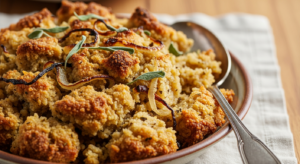


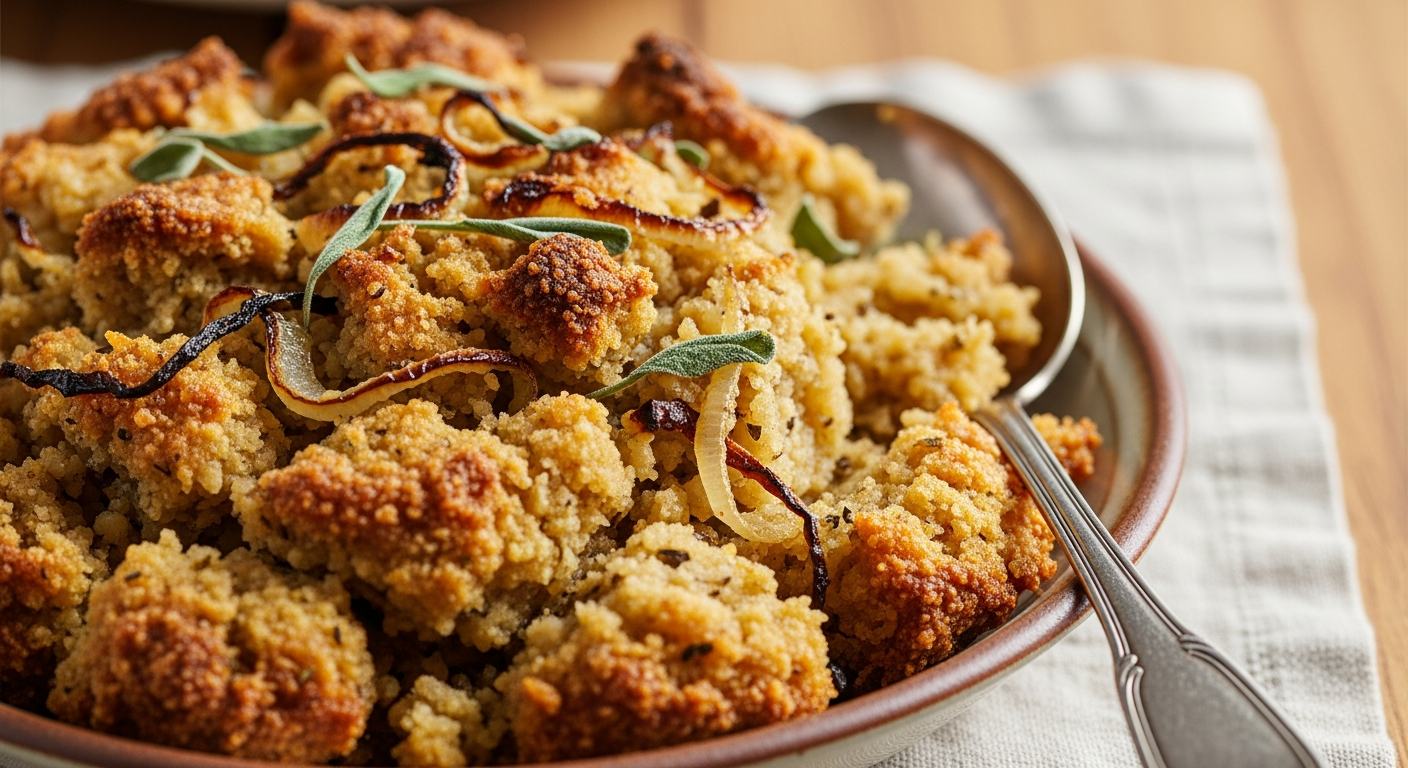
As the aroma of roasting turkey fills the air and holiday cheer wraps around every gathering, there is one dish that quietly steals the spotlight on the festive table: sage and onion stuffing. This timeless classic, with its fragrant blend of earthy herbs and sweet, caramelized onions, has long been a beloved cornerstone of celebratory feasts across generations. More than just a side dish, sage and onion stuffing carries stories of tradition, comfort, and home-cooked love, making it an essential savory delight that elevates every holiday party. Join us as we unravel the history, flavors, and secrets behind this enduring favorite-proving why sage and onion stuffing will forever remain a savory holiday classic.
Timeless Sage & Onion Stuffing is the heartwarming centerpiece of manny festive tables, embodying the quintessential flavors of holiday gatherings. With its deeply aromatic sage and perfectly caramelized onions, this stuffing not only elevates your meal but also sparks nostalgia, reminiscent of cherished family celebrations. The magic lies in balancing herbaceous notes with rich, savory layers for a moist, fluffy texture that complements every bite of your roasted favorites.
Prep and Cook Time
- Preparation: 20 minutes
- Cooking: 40 minutes
- Total Time: 1 hour
Yield
serves 8 generous portions – perfect for holiday feasts and spirited gatherings.
Difficulty Level
Medium – approachable for home cooks with basic knife skills and sauté experience.
Ingredients
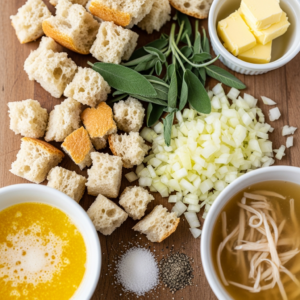
- 10 cups day-old white bread, cut into 1-inch cubes
- 5 tbsp unsalted butter
- 2 large yellow onions, finely diced
- 3 cloves garlic, minced
- 3 tbsp fresh sage, finely chopped (about 1/4 cup packed)
- 2 tsp fresh thyme leaves
- 2 ½ cups low-sodium vegetable stock, warmed
- 1 tsp kosher salt
- ½ tsp ground black pepper
- 1 tsp poultry seasoning (optional for added warmth)
- 2 large eggs, lightly beaten
Instructions
- Preheat your oven too 350°F (175°C). Butter a 9×13-inch baking dish and set aside.
- Toast the bread cubes: Spread bread evenly on a baking sheet and toast for 8-10 minutes until lightly golden and crisp but not browned.This ensures your stuffing stays fluffy and not soggy.
- Sauté the aromatics: Melt butter in a large skillet over medium heat. Add the diced onions and cook, stirring regularly, until translucent and golden brown, about 12 minutes.
- Add garlic and herbs: Stir in minced garlic, fresh sage, and thyme. Sauté for 2 more minutes until fragrant – this is when the aromatic essence of sage truly unfolds, filling your kitchen with holiday magic.
- Combine stuffing base: In a large mixing bowl, gently fold together toasted bread cubes and the sautéed onion-herb mixture.
- Season and moisten: Sprinkle salt, pepper, and poultry seasoning (if using). Gradually pour warm vegetable stock over the mixture,folding gently to evenly moisten without turning mushy.
- Bind with eggs: Add beaten eggs and fold until just combined, giving your stuffing a tender structure that bakes to perfection.
- transfer and bake: Spoon the mixture into the prepared dish and cover loosely with foil. Bake for 30 minutes, then remove foil and bake an additional 10 minutes to achieve a golden crust.
- Rest and serve: Let the stuffing sit for 5 minutes before serving. this allows it to set beautifully, locking in moisture and intensifying flavors.
Tips for Success
- Fresh sage vs.dried sage: Always opt for fresh sage to capture its vibrant,earthy flavor. Dried sage can be more bitter and overpowering.
- Onion Varieties: Yellow onions yield sweetness upon caramelizing, but white onions can provide a sharper bite if preferred.
- Bread choice: A sturdy white loaf or classic Italian bread works best. Avoid ultra-soft or very dense breads, which affect texture.
- Make-ahead: Assemble the stuffing a day in advance, cover tightly, and refrigerate. Bring to room temperature before baking.
- Moisture balance: Adjust vegetable stock quantity based on bread dryness; adding too much shrinks fluffiness, too little results in dryness.
Serving Suggestions
Present this sage-forward stuffing alongside roasted turkey, chicken, or a vibrant vegetable medley. Garnish with fresh sage sprigs or a sprinkle of chopped toasted pecans for added crunch and elegance. A drizzle of browned butter over the top brings a nutty finish that will wow your guests.
| Nutrient | Per Serving (1/8th) |
|---|---|
| Calories | 260 kcal |
| Protein | 6 g |
| Carbohydrates | 38 g |
| Fat | 7 g |
The aromatic essence of Sage in Stuffing Mastery
Incorporating sage into your onion stuffing is a transformative step that marries herbal brightness with the earthiness of caramelized onions.Sage leaves release their pungent, peppery oil when gently heated in butter, creating a foundation rich in aroma. This culinary alchemy provides the base for that nostalgic stuffing flavor, a fragrant whisper of holiday tradition.
Crafting the Perfect Onion Blend for Rich Flavor
The technique of slowly sautéing onions until golden marries sweetness to the funk of fresh sage, creating a flavor bridge to the toasted bread. Avoid rushing this step; patience here guarantees depth and balance. The inclusion of minced garlic and thyme further layers the stuffing with a complexity that comforts every palate.
Step-by-Step Guide to Moist and Fluffy Stuffing
Ensuring your stuffing remains moist yet fluffy is both art and science. Toasting the bread sets a resilient canvas that absorbs the seasoned vegetable stock without collapsing. Incorporating beaten eggs provides a tender binding element, while careful moisture integration prevents dryness or sogginess. Baking under foil locks in steam and finishes with a golden crust.
Expert Tips for Elevating Your Holiday Feast
- Experiment with add-ins like dried cranberries or toasted walnuts for festive texture contrasts.
- Supplement vegetable stock with mushroom broth for an umami twist (see Serious Eats Vegetable Stock Guide).
- Pair with a crisp green salad featuring pomegranate seeds for a refreshing counterpoint.
- For a vegan version, omit eggs and use flaxseed meal mixed with water, and swap butter for olive oil or vegan spread.
For more comforting herb-centric recipes, check out our Herb-Infused Roast Chicken Recipe that beautifully pairs with this sage & onion stuffing.
Q&A
Q&A: Timeless Sage & Onion Stuffing: A Savory Holiday Classic
Q1: What makes sage and onion stuffing a holiday classic?
A1: Sage and onion stuffing has gracefully stood the test of time because it perfectly balances aromatic herbs with sweet,caramelized onions and soft,buttery bread. This combination creates a comforting, savory flavor that evokes warmth and nostalgia, making it a beloved staple on holiday tables.
Q2: Can I use different types of bread for this stuffing?
A2: absolutely! While conventional recipes often call for white or country-style bread, you can experiment with sourdough, whole wheat, or artisan breads. The key is to use slightly stale or toasted bread cubes so they absorb the flavorful broth without becoming mushy.
Q3: How do I achieve the perfect texture in sage and onion stuffing?
A3: Achieving the ideal texture involves balancing moisture and crispness. Start by gently sautéing onions until golden and tender, then mix them with toasted bread cubes and fresh sage. Add broth gradually to moisten the mixture without drowning it, and bake until the top is golden and slightly crisp while the inside remains soft and flavorful.
Q4: Is sage the only herb that works in this stuffing?
A4: While sage is the star herb that lends a distinct, earthy warmth, you can enhance the mix with complementary herbs such as thyme, rosemary, or parsley. These add layers of fresh, aromatic notes that deepen the stuffing’s complexity without overshadowing the classic sage flavor.
Q5: How can I make this stuffing suitable for vegetarians?
A5: Sage and onion stuffing is naturally vegetarian-amiable when you use vegetable broth instead of meat-based stock. Opt for a rich, homemade or high-quality vegetable broth to infuse savory depth. Additionally, sauté onions in olive oil or plant-based butter for a lush, dairy-free option.
Q6: Can this stuffing be prepared ahead of time?
A6: Yes! For stress-free holiday cooking, prepare the stuffing mixture a day in advance. Keep it covered in the refrigerator,and on the day of your feast,transfer it to a baking dish and bake until heated through and golden on top. This allows the flavors to meld beautifully while saving you prep time.
Q7: What dishes pair well with sage and onion stuffing?
A7: Sage and onion stuffing complements a wide array of holiday mains and sides. It pairs wonderfully with roasted vegetables, hearty mushroom dishes, root vegetable casseroles, or savory poultry alternatives like stuffed squash or lentil loaves, enhancing the festive table with its rich, herb-infused taste.
Q8: How can I add a modern twist to traditional sage and onion stuffing?
A8: For a fresh take, try adding toasted nuts like pecans or walnuts for crunch, dried cranberries for a subtle tartness, or roasted chestnuts for a seasonal, buttery sweetness. These elements introduce new textures and flavors while honoring the comforting spirit of this classic dish.
Closing Remarks
As the aroma of sage and onion fills your kitchen, you’re not just preparing a side dish-you’re conjuring a tradition that has seasoned holiday tables for generations. Timeless sage and onion stuffing is more than a savory accompaniment; it’s a comforting bridge between past and present, a flavorful thread woven into the fabric of countless festive memories. Whether nestled beside roast turkey or served warm on its own, this classic stuffing invites you to savor the simple pleasures of the season-where every bite tells a story, and every meal feels like home. So, as you gather around the table, let this cherished recipe remind you that some flavors never go out of style.