

Few culinary creations capture teh heart and heritage of Mexican cuisine quite like the humble quesadilla. From sizzling griddles to festive family tables, this savory staple weaves together layers of melted cheese, folded tortillas, and a tapestry of regional fillings that tell stories beyond flavor alone. In “Quesadilla Wonders: A Savory Journey Through Tradition,” we embark on an exploration of this beloved dish – tracing its origins, uncovering its diverse variations, and celebrating the rich cultural footprints it leaves with every delectable bite. Prepare to dive into a world were simplicity meets tradition, and every quesadilla unveils a delicious chapter of history.
Quesadilla Wonders begin with a rich history, deeply rooted in Mexican culinary traditions that celebrate simplicity, bold flavors, and the perfect harmony between cheese and tortilla. this beloved dish, which originally emerged as a practical way for locals to enjoy melted cheese wrapped in a warm corn tortilla, quickly became a canvas for innovation across regions and generations. Whether shared at family gatherings or street markets, the quesadilla’s versatility and comforting charm make it a cultural icon transcending borders and tables worldwide.
My earliest memory of making quesadillas at home involves the smile on my abuela’s face as the tortillas crisped and the cheese melted perfectly inside. Its a dish that invites creativity and personal flair – from combining regional cheeses to adding unexpected fillings, each quesadilla tells a unique story. Let’s embark on this savory journey by mastering the essentials, exploring regional variations, and discovering how to elevate your quesadilla experience to new heights.
prep and Cook Time
- Preparation: 10 minutes
- Cooking: 10 minutes
- Total Time: 20 minutes
Yield
Serves 4 (two quesadillas each)
Difficulty Level
Easy – Perfect for home cooks of all skill levels
ingredients
- 8 large flour tortillas, warmed
- 2 cups shredded Oaxaca cheese (or mozzarella as a substitute)
- 1 cup sautéed mushrooms, sliced
- ½ cup roasted poblano peppers, diced
- ¼ cup finely chopped fresh cilantro
- 1 tablespoon olive oil or vegetable oil, for cooking
- 1 teaspoon ground cumin
- Salt and freshly ground black pepper, to taste
- optional: sour cream, guacamole, and pico de gallo for serving
Instructions
- Warm the tortillas: Heat each tortilla individually over a dry skillet or comal on medium heat until soft and pliable, about 15 seconds per side. This prevents cracking when folding.
- Sauté the mushrooms and peppers: In a medium skillet, heat 1 tablespoon olive oil. Add sliced mushrooms and diced poblano peppers. Season with ground cumin, salt, and pepper. Sauté until golden brown and fragrant, about 5 minutes. remove and set aside.
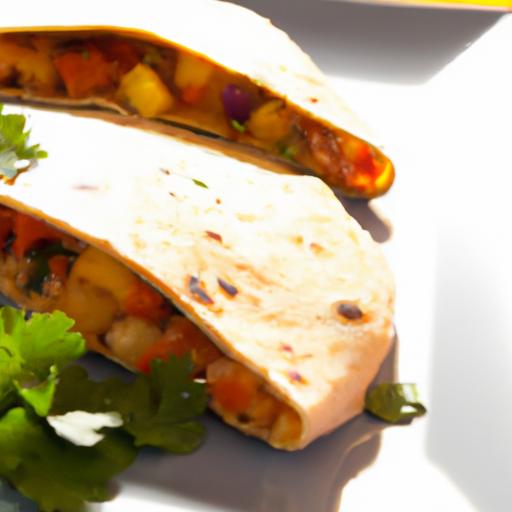
- Assemble the quesadilla: Place one tortilla on a clean surface.Evenly sprinkle ½ cup shredded cheese over half the tortilla. Add a layer of sautéed mushrooms and peppers, then sprinkle chopped cilantro on top. Top with another ½ cup cheese to help seal the quesadilla.
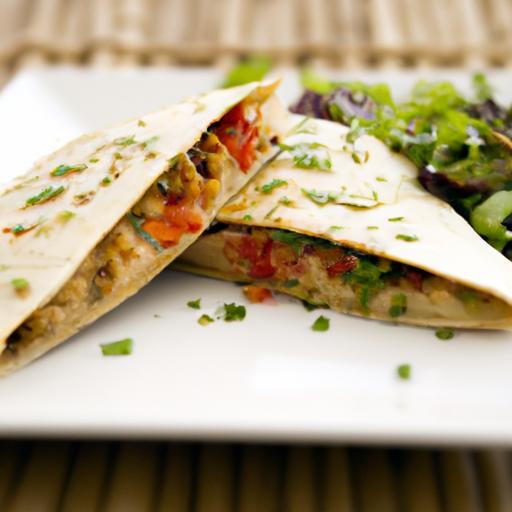
- Cook the quesadilla: Fold the tortilla over to create a half-moon shape. Heat a large skillet or griddle over medium heat. Lightly grease with a bit of oil, then place the folded quesadilla on the skillet.Cook for 3-4 minutes per side, pressing gently with a spatula, until golden and the cheese is thoroughly melted.
- Repeat for remaining tortillas: Prepare all quesadillas using the same method. For extra even melting, cover the skillet briefly with a lid during cooking if needed.
- Slice and serve: Transfer cooked quesadillas to a cutting board. Let rest for 1 minute, then slice into wedges with a sharp knife. Serve promptly with sour cream, guacamole, and pico de gallo for an authentic touch.
Tips for success: Elevate Your quesadilla Wonders
- Cheese Choices Matter: Oaxaca cheese offers a silky, stringy melt, but you can mix it with Chihuahua or Monterey Jack for depth and richness. Avoid pre-shredded cheeses with anti-caking agents-they melt less smoothly.
- Tortilla Selection: While flour tortillas are classic and flexible, corn tortillas add authentic texture and flavor.Warm them carefully to prevent cracking when folding.
- Filling Variations: customize your quesadilla wonders by experimenting with fillings like sautéed zucchini, caramelized onions, grilled chicken breast strips, or black beans. Just keep the fillings balanced to allow the cheese to bind them.
- Even Cooking: Use a medium heat to ensure the cheese melts fully without burning the tortilla. Press lightly while cooking to maintain contact between layers.
- Make-Ahead: Quesadillas can be assembled ahead of time and refrigerated for a few hours. Reheat gently in a dry skillet to crisp the exterior without sogginess.
Serving Suggestions: A complete and Colorful Plate
Present your quesadillas stacked on a vibrant ceramic platter. Garnish with fresh lime wedges and a sprinkle of finely chopped cilantro for bursts of freshness. Serve alongside bowls of zesty pico de gallo, creamy guacamole, and a dollop of cool sour cream to complement the steady melt of cheese and savory fillings. For an elevated experience, consider a crisp salad with radishes and avocado or a side of Mexican street corn salad (elote) drizzled with lime and chili powder to balance richness.
| Nutrient | Per Serving (2 Quesadilla Wedges) |
|---|---|
| Calories | 420 |
| Protein | 18g |
| Carbohydrates | 35g |
| fat | 20g |

Exploring Regional Quesadilla Wonders: A Flavorful Variation
From the bustling streets of Oaxaca to the highlands of Mexico city, quesadilla wonders take on distinct forms-some regions opt for rich huitlacoche (corn fungus) fillings, while others favor flor de calabaza (squash blossoms) for a floral twist. The use of different cheeses, such as quesillo or panela, further punctuates each region’s culinary identity. Don’t hesitate to experiment with these authentic ingredients to bring vibrant, conventional flavors into your kitchen.
For more inspiration on Mexican dishes that celebrate fresh ingredients and bold flavors, check out our Authentic Mexican Salsas guide. To deepen your understanding of Mexican culinary history, visit the Mexican Cultural Institute.
Q&A
Q&A: Quesadilla Wonders – A Savory Journey Through Tradition
Q1: What is the origin of the quesadilla, and how did it become a beloved dish?
A1: The quesadilla traces its roots to Mexico, where its name derives from the Spanish word “queso,” meaning cheese. traditionally, quesadillas began as simple tortillas filled with cheese, cooked on a griddle until melty and golden. Over time, this humble dish evolved, embracing regional influences and local ingredients, becoming a versatile and beloved staple in Mexican cuisine and beyond.
Q2: What types of cheeses are typically used in traditional quesadillas?
A2: Authentic quesadillas frequently enough feature cheeses that melt beautifully, such as Oaxaca, Chihuahua, or panela. These cheeses offer a creamy texture and mild flavor that complement the warm tortilla. Some regions also incorporate quesillo,which adds a stringy,satisfying pull to every bite.
Q3: How do quesadillas reflect regional flavors across mexico?
A3: Quesadillas serve as a delicious canvas for regional expression.In Oaxaca, as a notable example, fillings like huitlacoche (corn fungus) or squash blossoms create earthy, unique tastes. In the yucatán,local chilies and spices enter the mix,while in Mexico City,you might find them stuffed with mushrooms,flor de calabaza (squash blossoms),or beans,showcasing the diverse bounty of Mexican gastronomy.Q4: Can quesadillas be enjoyed in vegetarian or vegan varieties?
A4: Absolutely! Vegetarian quesadillas are bursting with colorful possibilities-sautéed mushrooms,peppers,zucchini,and fresh herbs like cilantro or epazote make for vibrant fillings. For vegan versions, plant-based cheeses or cashew-based spreads can replicate the creamy, melty texture while staying entirely plant-forward.
Q5: what are some creative yet traditional fillings to try in quesadillas?
A5: Beyond cheese, traditional fillings might include roasted chiles, potatoes with chorizo made from beef or chicken, sautéed nopales (cactus paddles), or even classic refried beans. each ingredient brings its own character, layering taste and texture that pay homage to the quesadilla’s rich heritage.Q6: How can one elevate the humble quesadilla into a gourmet experience?
A6: Elevating a quesadilla involves embracing fresh, high-quality ingredients and thoughtful accompaniments. Toasting homemade tortillas, adding a sprinkle of fresh herbs like oregano or thyme, and pairing with vibrant salsas-be it smoky chipotle or tangy tomatillo-turn each quesadilla into an artisanal delight. Don’t forget a squeeze of lime to brighten the flavors!
Q7: What makes quesadillas a perfect comfort food?
A7: The beauty of quesadillas lies in their simplicity and warmth. Crispy, golden tortillas envelop gooey cheese and flavorful fillings, providing a satisfying contrast of textures and tastes.Whether served as a quick snack or a comforting meal, their adaptable nature and nostalgic flavors make quesadillas the epitome of savory comfort food.
Q8: Are quesadillas always cooked on a griddle, or can they be prepared in other ways?
A8: Traditionally, quesadillas are toasted on a comal or griddle to crisp the tortilla and melt the cheese. However, modern cooks experiment with baking, pan-frying, or even air-frying to achieve different textures. Each method offers its own charm-griddling is classic and basic, while baking can yield a lightly crisp, less oily result.Q9: What role do tortillas play in the quesadilla experience?
A9: The tortilla is the foundation of any quesadilla, acting as both vessel and flavor contributor. Corn tortillas bring authentic earthiness and a slightly chewy bite, while flour tortillas add softness and a bit more elasticity. The choice of tortilla subtly changes the overall flavor and texture, making it an crucial consideration for quesadilla enthusiasts.
Q10: How can quesadillas be incorporated into modern global cuisine?
A10: Quesadillas have found a universal stage,inspiring chefs worldwide to blend traditional Mexican techniques with local ingredients. From Mediterranean spins featuring spinach and feta, to Asian-inspired versions with kimchi and tofu, quesadillas serve as a delicious cross-cultural ambassador-proving that a simple tortilla and cheese can tell countless stories beyond their origins.
This Q&A celebrates the quesadilla as a timeless and adaptable creation-rooted in tradition, yet endlessly inspiring culinary creativity. Whether enjoyed straight from the griddle or reimagined with novel ingredients, quesadillas invite food lovers on an unforgettable savory journey.
In Retrospect
As we close this flavorful chapter on quesadillas, it’s clear that these humble tortillas hold far more than melted cheese and fillings-they carry stories of tradition, culture, and culinary ingenuity passed down through generations. Whether enjoyed as a simple street snack or an elevated gourmet creation, quesadillas embody a savory journey that bridges past and present, inviting every palate to experience a taste both timeless and endlessly adaptable. So next time you fold that golden, crispy masterpiece, remember: you’re not just savoring a meal-you’re partaking in a vibrant legacy that continues to delight and inspire around the world.