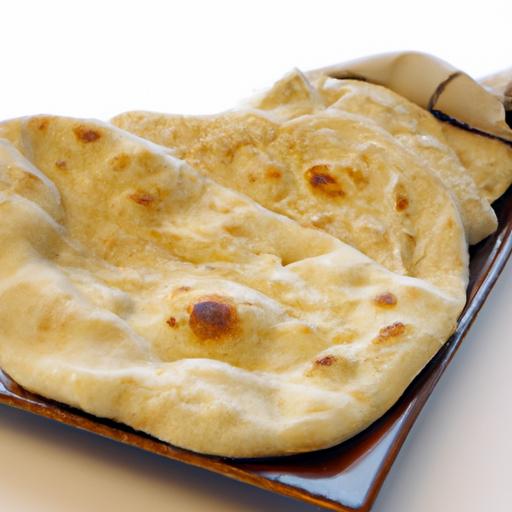




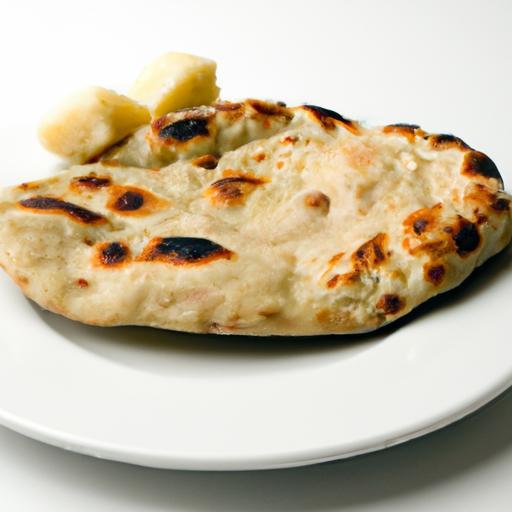
Nestled within the warm, fragrant kitchens of South Asia and the Middle East lies a culinary treasure that has transcended borders and captivated taste buds for centuries: naan bread.More than just a simple flatbread, naan carries with it a rich history woven through empires and cultures, a distinctive taste that is both soft and slightly charred, and an irresistible versatility that complements countless dishes. In “Naan Bread Unveiled: History, Taste, and Perfect Recipes,” we embark on a flavorful journey to explore the origins of this beloved bread, uncover the secrets behind its unique texture and aroma, and unlock foolproof recipes to recreate naan’s magic right in your own kitchen. Whether your a seasoned foodie or a curious novice, prepare to dive deep into the story and savor the essence of naan like never before.
Naan bread unveiled reveals a culinary journey steeped in history, culture, and mouthwatering aromas that have captivated taste buds for centuries. Originating in the indian subcontinent and Central Asia,this soft,pillowy flatbread has transcended borders,becoming a beloved staple worldwide. Its roots trace back to ancient Persia, where tandoor ovens fired with fragrant wood created the signature char and texture that define authentic naan. Simple yet unusual, naan carries a cultural importance beyond the table-it symbolizes hospitality, family, and party.
Prep and cook Time
- Readiness: 15 minutes
- Resting: 1 hour 30 minutes (for perfect fermentation)
- Cooking: 10 minutes per batch
- Total: Approximately 1 hour 55 minutes
Yield
Makes 6 medium-sized naan breads,perfect for a family meal or entertaining guests.
difficulty Level
Medium – Requires basic dough handling skills and attention to fermentation for ideal texture.
Essential Ingredients for Irresistible Naan
- 2 cups all-purpose flour, sifted
- 1/2 cup warm water (110°F/43°C)
- 2 tsp active dry yeast
- 1/4 cup plain yogurt (full-fat preferred for softness)
- 1 tbsp sugar
- 1 tsp salt
- 2 tbsp ghee or melted unsalted butter (plus extra for brushing)
- Optional: minced garlic, chopped fresh cilantro, or nigella seeds for garnish
Step-by-Step Instructions to Master the Art of Naan
- Activate the yeast: Combine the warm water, sugar, and yeast in a small bowl. Allow it to sit for 5-8 minutes until frothy and bubbly, signaling active yeast.
- Create the dough: In a large mixing bowl, whisk together the sifted flour and salt. Add the yogurt, ghee, and yeast mixture. Mix with a wooden spoon until a shaggy dough forms.
- Knead to perfection: Transfer to a floured surface and knead for 8-10 minutes until the dough is smooth, elastic, and slightly tacky. Tip: Dust with additional flour sparingly to prevent stickiness without drying out the dough.
- First rise: Place the dough in a lightly oiled bowl, cover with a clean kitchen towel or plastic wrap, and let it rise in a warm spot for 1 hour or until doubled in size.
- Divide and shape: Punch down the dough gently and divide it into 6 equal portions. Roll each ball between your palms to smooth the surface.
- Roll out: Using a rolling pin, shape each ball into an oval or teardrop about 1/4 inch thick. For traditional flair, sprinkle with nigella seeds or minced garlic before cooking.
- Cook the naan: Heat a heavy-bottomed skillet or cast-iron pan over medium-high heat. Once hot, place one piece of rolled dough onto the pan. Cook 1-2 minutes until bubbles form and the bottom is golden with brown spots.
- Flip and char: flip the naan and cook for another 1-2 minutes. Optionally,place the naan directly on an open flame (if safe and accessible) for a smoky char reminiscent of tandoor ovens. Use tongs to rotate quickly for even cooking.
- Finish with butter: Remove from heat and instantly brush the naan with warm melted ghee or butter to enhance earthen richness and aroma.
- Repeat: Cook the remaining pieces, stacking them wrapped in a clean towel to retain warmth and softness.
Tips for Success: Elevate Your Naan Bread Unveiled Experience
- Warm water temperature: Ensuring water is about 110°F/43°C is crucial to activate yeast without killing it.
- Yogurt magic: The yogurt tenderizes the dough, giving naan its characteristic softness and subtle tang.
- Resting time: Longer fermentation enhances flavor complexity-consider refrigerating the dough overnight for a slow rise.
- Cooking technique: Use a cast-iron skillet or heavy pan for even heat distribution and the classic char spots.
- Flavor variations: Mix finely chopped herbs like cilantro or rosemary into the dough or spread garlic butter post-cooking for an aromatic twist.
Creative Serving Ideas to Enchant Every Meal
Naan bread unveiled in its full glory deserves complementary dishes that celebrate its texture and flavor. Serve warm with rich curries like butter chicken (chicken cooked in a creamy tomato sauce) or hearty lentil dal. Pair it with fresh salads, cooling raita (yogurt dip), or smoky barbeque dishes. To add a visual pop,garnish with a sprinkle of fresh cilantro,toasted sesame seeds,or a drizzle of chili-infused oil. Wrapped in parchment and tied with rustic string,naan makes an inviting addition to festive table spreads.

| Nutrient | amount per Naan |
|---|---|
| Calories | 210 kcal |
| Protein | 6 g |
| Carbohydrates | 36 g |
| fat | 5 g |
discover other recipes that pair exquisitely with naan by exploring our Authentic Indian Curry Recipes. For deeper insight into naan’s culinary history and scientific baking tips, the Encyclopedia Britannica offers an authoritative resource.
Q&A
Q&A: naan Bread Unveiled – History, Taste, and Perfect Recipes
Q1: What exactly is naan bread, and what sets it apart from other breads?
A1: Naan bread is a soft, pillowy flatbread traditionally baked in a tandoor-a cylindrical clay oven heated with wood or charcoal. Its signature puffy texture and smoky charred spots distinguish it from other flatbreads. Unlike simple unleavened breads,naan frequently enough contains yeast or yogurt,giving it a slight tang and a tender crumb that’s perfect for scooping up rich sauces and spices.
Q2: Where did naan bread originate, and how has it evolved over time?
A2: Naan’s roots trace back to ancient Persia and Central Asia before becoming a staple in Indian, Pakistani, and Middle Eastern cuisines.Historically a bread for special occasions baked in royal tandoors,naan gradually found its way into everyday meals,evolving with regional twists-stuffed with herbs,cheeses,or spices to create imaginative variations that reflect local tastes.
Q3: What are the classic ingredients that make authentic naan bread?
A3: Authentic naan is made with simple ingredients: all-purpose flour, water, yeast, yogurt, salt, and a bit of sugar. The yogurt tenderizes the dough and imparts a subtle tang, while the yeast gives it lift. Some recipes include ghee or butter brushed on top post-baking for extra richness.
Q4: How does baking naan in a tandoor influence its flavor and texture?
A4: The tandoor provides intense, radiant heat that quickly puffs the dough, creating characteristic bubbles and a crisp exterior juxtaposed with a soft, chewy interior. The smoky flavor from the charcoal or wood fire adds depth, making tandoor-baked naan uniquely aromatic and complex compared to skillet or oven variations.
Q5: Can naan be made without a tandoor at home? What are the best methods?
A5: Absolutely! While a tandoor is ideal, naan can be successfully made on a hot cast-iron skillet, griddle, or even a baking stone inside a very hot oven. the key is high heat and quick cooking to mimic that puffy, lightly charred finish. A cast iron pan offers a satisfying sear, while the oven approach benefits from a preheated baking stone for even heat distribution.
Q6: What are some popular variations of naan bread?
A6: Beyond the traditional plain naan, there’s garlic naan-infused with aromatic minced garlic and cilantro-or stuffed naan filled with mashed potatoes (aloo naan), spiced paneer, or sautéed greens. Cheese naan, featuring a melty cheese center, adds indulgence without overpowering naan’s delicate flavor. Each variety offers a unique experience while honoring the bread’s comforting base.
Q7: How does naan bread complement different dishes?
A7: Naan’s tender texture and mild flavor make it the perfect partner for rich, saucy dishes like butter chicken, chana masala, or vegetable curries. It acts like a sponge, soaking up flavorful gravies and delivering a satisfying contrast of soft bread with bold spices. Naan also works brilliantly as a wrap for grilled kebabs, roasted vegetables, or even as a base for creative flatbread pizzas.
Q8: what tips ensure the perfect homemade naan every time?
A8: To get naan spot-on, use warm water and yogurt to activate the yeast fully and yield a soft dough. Let the dough rest long enough to develop flavor and elasticity. Cook one at a time in a preheated pan, and avoid flipping too frequently. Brushing with melted butter or ghee immediately after cooking locks in moisture and adds lusciousness. Lastly,don’t be afraid to experiment with toppings-you can sprinkle nigella seeds,sesame,or crushed chili flakes for a gourmet finish.
Q9: Is naan bread suitable for special diets or dietary restrictions?
A9: Traditional naan contains dairy and gluten, so it’s not gluten-free or vegan. However, adaptations exist: substituting yogurt with plant-based yogurt and using gluten-free flours can cater to those with dietary needs. Look for recipes specifically designed to accommodate such preferences if needed.
Q10: Why has naan remained a beloved bread across cultures and generations?
A10: Naan’s enduring popularity stems from its versatility, comforting texture, and ability to marry perfectly with a kaleidoscope of flavors. Whether shared unwrappped at a bustling street market or served elegant alongside a festive feast, naan invites connection-its simplicity celebrating culinary creativity and tradition alike. It is little wonder that across continents and centuries,naan continues to warm hearts and tables with every bite.
The Way Forward
As the warm, pillowy essence of naan lingers on our palates, we find that this humble bread is much more than an accompaniment-it is indeed a living tapestry woven through centuries, lands, and cultures. From its ancient origins to the inviting aroma wafting from a traditional tandoor, naan carries stories of tradition and innovation alike. Whether you’re mastering the art of its perfect puff or savoring its buttery richness alongside vibrant curries, naan invites you to share in a timeless culinary journey. So go ahead, roll up your sleeves, embrace its heritage, and let every bite connect you to the flavorful history unveiled in this beloved bread.