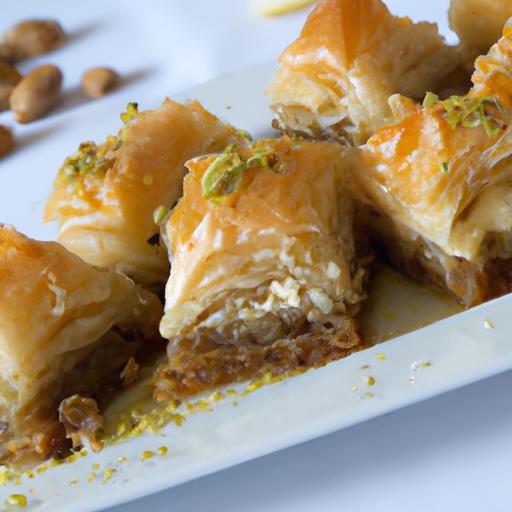

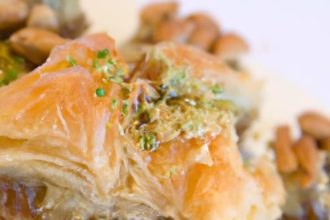

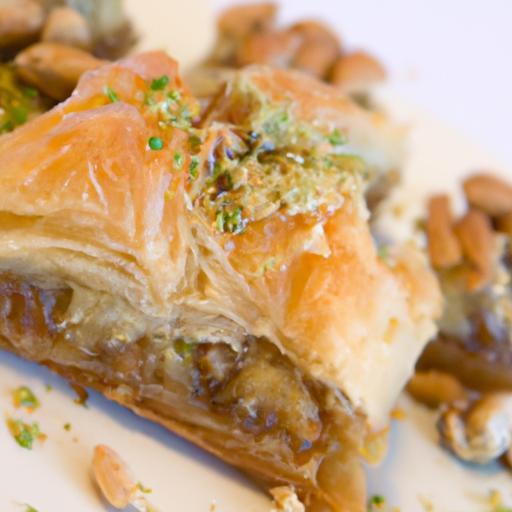
In the world of desserts, few treats evoke the rich tapestry of history, culture, and flavor quite like Greek baklava. This iconic pastry, with its golden layers of flaky phyllo dough, fragrant walnuts, and honeyed sweetness, is more than just a dessert-it’s a festivity of Mediterranean heritage and artistry. Yet, mastering baklava is an art in itself, requiring patience, precision, and a touch of passion. In this article, we unveil the secrets behind this classic recipe, guiding you step-by-step through the process of creating authentic Greek baklava that’s as mesmerizing in flavor as it is in tradition.Weather you’re a seasoned baker or a curious newcomer,prepare to embark on a journey into the heart of a timeless culinary masterpiece.
Mastering Greek Baklava begins with understanding the harmonious marriage of textures and flavors that make this classic dessert truly unforgettable. Originating from the kitchens of the Ottoman Empire and perfected in Greece, baklava’s magic lies in its delicate balance-the crisp, buttery layers of phyllo dough, the fragrant, crunchy nut filling, and the sweet, lingering syrup soak. Each element must be carefully selected and skillfully assembled to create that iconic symphony of crunch and syrup-soaked tenderness that defines authentic Greek baklava.
Prep and Cook Time
- Planning: 40 minutes
- Cooking: 50 minutes
- Syrup Resting: 4 hours (or overnight)
Yield
Serves approximately 12-16 portions, perfect for sharing with family and friends.
Difficulty Level
Medium - Requires patience and attention to detail but rewarding for baklava lovers.
Ingredients
- 1 package (16 oz) phyllo dough, thawed according to package instructions
- 2 cups walnuts, finely chopped
- 1 cup almonds, finely chopped
- 1 tsp ground cinnamon
- 1/2 tsp ground cloves
- 1 1/2 cup unsalted butter, melted
- 1 cup granulated sugar
- 1 cup water
- 1/2 cup honey, preferably Greek thyme honey
- 1 tbsp lemon juice
- 1 tbsp orange blossom water (optional but traditional)
Instructions
- Prepare the Nut mixture: In a bowl, gently combine the finely chopped walnuts, almonds, cinnamon, and cloves. Set aside. this nut blend ensures the authentic flavor and the perfect crunch with every bite.
- Preheat the Oven: Set your oven to 350°F (175°C). Butter a 9×13-inch baking dish thoroughly to prevent sticking and for that golden buttery crust.
- Layering the Phyllo Dough: Carefully unroll the phyllo sheets and keep them covered with a damp towel to avoid drying out. Place one sheet in the pan and brush lightly with melted butter. Repeat this process, layering about 8 sheets, each brushed generously, creating a crisp foundation.
- Add the Nut Filling: Evenly sprinkle about one-third of the nut mixture over the layered phyllo. Then add 6 more sheets of phyllo, buttering each sheet as before. Repeat layering nuts and phyllo twice more, finishing with about 8 layers of buttered phyllo on top.
- Score Before Baking: Using a sharp knife, carefully cut the assembled baklava into diamond or square shapes, cutting all the way through to the bottom. This step guides even baking and makes serving a breeze.
- bake to Perfection: place the pan in the oven and bake for 50 minutes, or until the top is a deep golden brown, bubbling with buttery aroma. Avoid opening the oven door to keep the heat steady and the phyllo crisp.
- Prepare the Syrup: While baking, combine sugar, water, honey, lemon juice, and orange blossom water in a saucepan over medium heat. stir until sugar dissolves, then simmer gently for about 10 minutes until slightly thickened. Remove from heat and let cool.
- Syrup Soak: Onc the baklava is out of the oven, immediately pour the cooled syrup evenly over the hot pastry. The contrast in temperature ensures the syrup penetrates deeply without sogginess, gifting it that signature moist but crisp texture.
- Rest and Serve: Allow the baklava to soak and cool at room temperature for at least 4 hours, preferably overnight. This resting period lets the flavors meld beautifully and the syrup infuse every layer.
Tips for Success
- Handling Phyllo Dough: Keep phyllo covered with a damp cloth while working to prevent drying and tearing. Work quickly but gently to maintain delicate layers.
- Nut Variations: For a slightly diffrent texture, add pistachios or substitute half the walnuts with hazelnuts-just maintain the nut-to-spice ratio for authentic flavor.
- Butter Alternatives: Use clarified butter (ghee) for a richer, nuttier aroma and an even crisper finish.
- Syrup Customization: Adjust the syrup’s sweetness by varying honey amount and lemon juice; lemon brightness balances the richness perfectly.
- Make-Ahead: Baklava improves with time. Store covered at room temperature for up to 3 days or refrigerate, bringing back to room temperature before serving for the best texture.
Serving Suggestions
Serve your baklava at room temperature, accompanied by a dollop of lightly whipped cream or a small scoop of vanilla bean ice cream for contrast. garnish with a sprinkle of finely chopped pistachios or a delicate drizzle of honey to enhance the presentation. pair with strong Greek coffee or herbal tea to complement the rich, sweet layers.

| Nutrient | Per Serving |
|---|---|
| Calories | 320 kcal |
| Protein | 5 g |
| Carbohydrates | 30 g |
| Fat | 20 g |
For a deeper dive into traditional Greek desserts and more tips on phyllo mastery, explore our Greek Desserts Guide. Additionally, the National Agricultural Libary offers a wonderful resource on nutritional profiles of nuts used in desserts for those curious about the health benefits in baklava’s rich filling.
Q&A
Q&A: Mastering Greek Baklava: A Classic recipe Unveiled
Q1: What makes Greek baklava distinct from other versions of this dessert?
A1: Greek baklava is renowned for its layered phyllo pastry,the fragrant blend of nuts-typically walnuts,almonds,and pistachios-and a characteristic syrup infused with honey,cinnamon,and cloves. Unlike some variations that might use sugar syrups alone, the Greek style harnesses the warmth of honey and spices, giving it that signature rich sweetness and aromatic depth.
Q2: Why is phyllo dough so crucial in making authentic baklava?
A2: Phyllo dough is the magic behind baklava’s flaky, crispy texture. Its paper-thin layers separate beautifully when baked, creating a delicate crunch that contrasts with the moist, nutty filling. Properly handling and layering phyllo is essential to achieving the balance of textures that makes Greek baklava so beloved.
Q3: what nuts are traditionally used in Greek baklava, and can they be substituted?
A3: The classic Greek baklava filling usually combines walnuts, almonds, and pistachios. Each nut contributes a unique flavor and texture: walnuts offer earthiness, almonds bring a subtle sweetness, and pistachios add a vibrant color and buttery taste. While substitutions like pecans or hazelnuts can be experimented with, maintaining a mix of textures and flavors is key to honoring the tradition.
Q4: How do I prevent the phyllo layers from drying out while assembling baklava?
A4: Phyllo is notoriously delicate and prone to drying quickly. To keep it supple, cover unused sheets with a slightly damp kitchen towel while you work. Also, brush each sheet generously but evenly with melted butter or high-quality olive oil to maintain moisture and promote golden, crisp layers during baking.
Q5: What is the secret to achieving the perfect syrup for baklava?
A5: The syrup should be thick yet pourable, with a harmonious balance of sweetness and spice. Traditional Greek syrup typically includes honey, sugar, water, lemon juice, and aromatic spices like cinnamon sticks and cloves. Let the syrup cool before pouring it over the hot baklava to ensure it soaks in without making the pastry soggy.
Q6: When is the best time to cut and serve baklava?
A6: It’s best to cut baklava into the desired shapes-usually diamonds or squares-before baking. After baking, pour the cooled syrup over immediately and allow the dessert to rest for several hours, preferably overnight. this waiting period lets the syrup infuse fully, producing layers of flavor and a tender, melting texture inside the crisp exterior.
Q7: Can baklava be made ahead and stored? How should it be kept?
A7: Absolutely! Baklava keeps beautifully and frequently enough tastes even better the next day as the flavors meld. store it in an airtight container at room temperature for up to a week. if you prefer a chilled treat, refrigeration is fine but note that it may slightly alter the texture of the flaky layers.
Q8: Are there any common mistakes to avoid when making baklava at home?
A8: Some pitfalls include not brushing enough butter between phyllo layers, which results in dry, tough pastry; pouring hot syrup onto cold baklava (or vice versa), which can create an unappealing texture; and rushing the resting time, which is crucial for syrup absorption. Patience and attention to detail make all the difference!
Q9: How can I add a creative twist while staying true to Greek baklava’s essence?
A9: Experimenting with nut ratios or adding zest like orange or lemon peel into the syrup can add subtle freshness without overshadowing tradition. A sprinkle of crushed rose petals or a dusting of cinnamon before serving can also elevate presentation and aroma. Just remember, the core qualities of layered phyllo, nutty crunch, and honeyed syrup remain the heart of authentic Greek baklava.
Q10: Why is baklava considered such an iconic dessert in Greek culture?
A10: Baklava embodies centuries of culinary artistry and hospitality, often served during festivals, celebrations, and family gatherings. Its layers symbolize richness and abundance, while the sweet syrup conveys warmth and generosity-a appetizing expression of Greek heritage and joy shared around the table.
In Retrospect
As you close the chapter on this journey through the layers of flaky phyllo and honeyed walnuts, remember that mastering Greek baklava is more than just following a recipe-it’s about embracing a tradition steeped in history and heart. Each golden slice carries whispers of ancient kitchens and festive gatherings, inviting you to share in a timeless ritual of sweetness and skill. Armed with thes insights and techniques, your next batch of baklava will not only delight the palate but also honor the rich heritage that turned simple ingredients into an enduring symbol of Greek culinary artistry. So roll up your sleeves, let the aromas guide you, and transform your kitchen into a haven where classic flavors come beautifully alive.