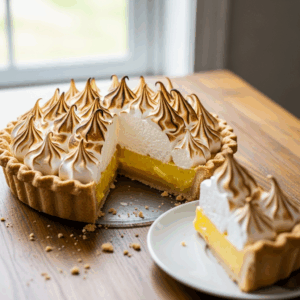




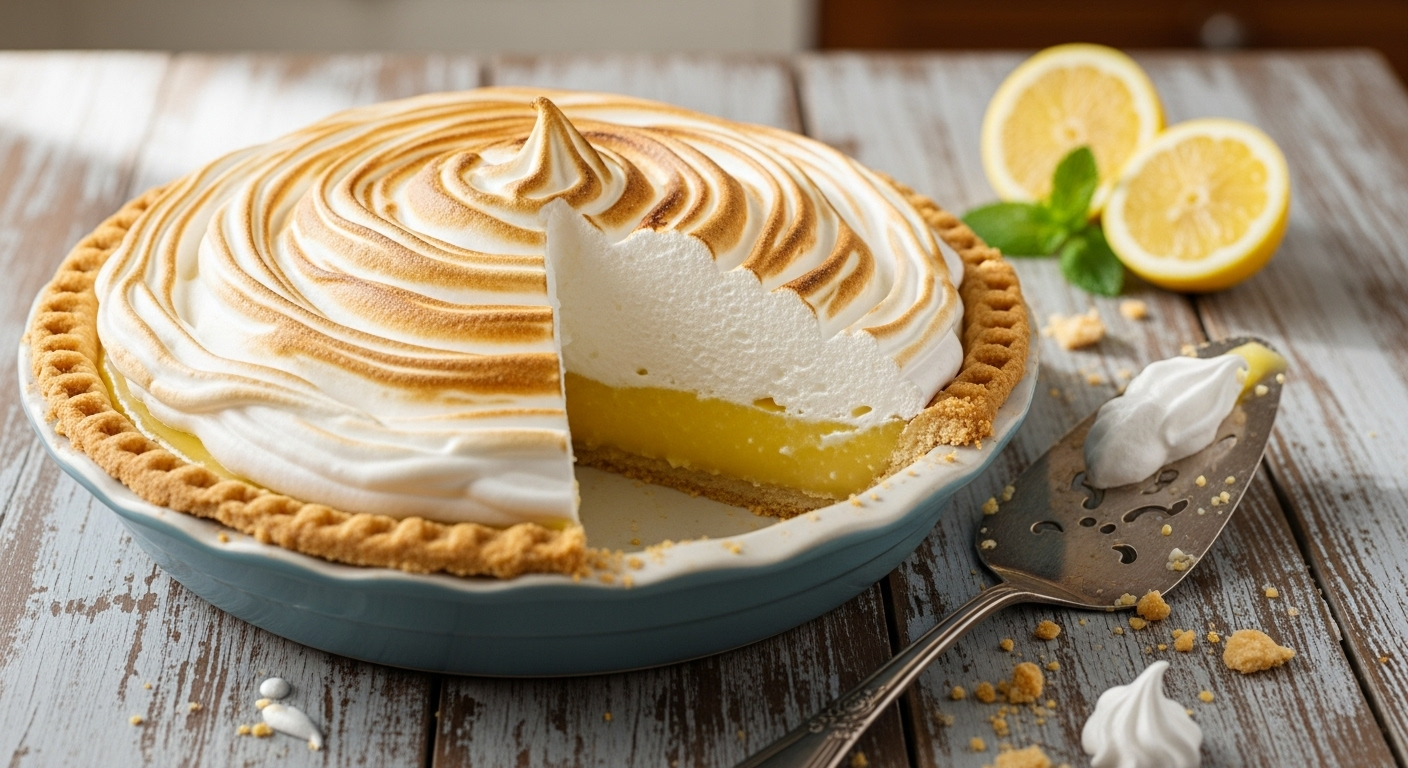
There’s something irresistibly magical about the first forkful of lemon meringue pie-a perfect harmony of tangy citrus brightness crowned with clouds of sweet, toasted meringue. But behind this classic dessert’s delicate balance lies a fascinating story of culinary finesse, chemistry, and history.In “Zesty Delight: Unraveling the Secrets of Lemon meringue Pie,” we embark on a flavorful journey too uncover how this iconic treat rose to fame, what makes its components sing in unison, and tips to master its artful assembly. Prepare to dive beyond the surface and discover the zest and science that transform simple ingredients into a timeless slice of sunshine.
Zesty Delight unfolds in the delicate dance of tart lemon custard layered beneath a cloudlike meringue topping that’s light as air and sweet with a hint of caramelized charm. This classic dessert, beloved worldwide, sings with vibrant citrus notes balanced by the ethereal texture of expertly whipped egg whites. The secret lies as much in mastering the perfect crust as in coaxing the lemon filling and meringue to their fullest potential-each element harmonizing to create a show-stopping pie that’s as inviting to the eye as it is to the palate.
Prep and Cook Time
- Planning: 30 minutes
- Cooking: 35 minutes
- Cooling: 2 hours (recommended)
Yield
Serves 8 generous slices
Difficulty Level
Medium - perfect for adventurous home bakers ready to elevate their dessert repertoire
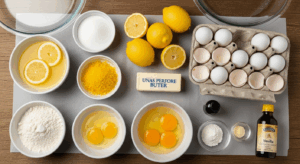
Ingredients
- For the Crust: 1 ¼ cups all-purpose flour, sifted
- ⅓ cup granulated sugar
- ½ tsp kosher salt
- ¾ cup unsalted butter, cold and cubed
- 1 large egg yolk
- 2 tbsp ice water (more if needed)
- For the Lemon Custard Filling: 1 cup freshly squeezed lemon juice (about 4-5 lemons)
- 1 tbsp lemon zest, finely grated
- 1 ½ cups granulated sugar
- ¼ cup cornstarch
- ½ tsp kosher salt
- 3 large eggs
- 3 large egg yolks
- 1 ½ cups whole milk
- 3 tbsp unsalted butter, cut into cubes
- For the Meringue Topping: 4 large egg whites, at room temperature
- ¾ cup granulated sugar
- ½ tsp cream of tartar
- 1 tsp pure vanilla extract
instructions
- Prepare the crust: In a chilled bowl, combine flour, sugar, and salt. Using a pastry cutter or your fingertips, quickly work in the cold, cubed butter until the mixture resembles coarse crumbs.
- Add the egg yolk and ice water gradually,mixing just until the dough comes together. Avoid overworking to keep the crust tender.
- Shape the dough into a disk, wrap tightly in plastic, and chill for at least 30 minutes to firm up.
- Preheat your oven to 375°F (190°C). Roll out the chilled dough on a lightly floured surface to an even 12-inch circle. Gently transfer to a 9-inch pie dish, trimming excess and crimping edges beautifully.
- Dock the crust with a fork and line it with parchment paper. Fill with pie weights or dried beans.
- Bake blind for 15 minutes, then remove parchment and weights. Bake another 7-10 minutes until the crust is golden and crisp. Cool wholly.
- make the lemon custard: In a medium saucepan, whisk together sugar, cornstarch, lemon zest, and salt. Slowly whisk in eggs, egg yolks, lemon juice, and milk until smooth.
- Cook gently over medium heat while whisking constantly.The mixture will thicken and bubble-keep whisking for about 2 minutes after thickening to avoid lumps and achieve a glossy custard.
- Remove from heat and stir in cold butter, one piece at a time, until fully incorporated and velvety smooth.
- Pour the warm custard into the cooled pie shell, smoothing out evenly.
- Prepare the meringue: in a clean, dry bowl, beat the room temperature egg whites with cream of tartar on medium speed until soft peaks form.
- Gradually add sugar while increasing mixer speed to high, beating until stiff, glossy peaks form. Beat in vanilla extract last.
- Immediately spread the meringue over the lemon custard, ensuring it touches the crust all around to seal and prevent shrinking.
- Create swirls and peaks with the back of a spoon or a spatula for a dramatic, textured effect that will toast beautifully in the oven.
- Bake at 350°F (175°C) for 12-15 minutes, or until the meringue turns a luscious golden brown.
- Cool the pie completely on a wire rack, then chill in the refrigerator for at least 2 hours to set flavors and texture.
Tips for success: Achieving Picture-Perfect Lemon Meringue Pie Every Time
- Egg whites at room temperature whip better and create a loftier meringue.
- Use fresh lemons for juiciest, brightest flavor-bottled lemon juice won’t provide the same vibrant tang.
- Seal the meringue to the crust edges to prevent separation during baking and cooling.
- Whisk custard continuously to prevent lumps and scorching-patience here yields the creamiest results.
- Rest the pie in the fridge before serving-this step sharpens the flavors and firms the custard for clean, photogenic slices.
- For a gluten-free twist, substitute the crust with almond flour and coconut oil; adjust baking times accordingly.
- Try adding a pinch of turmeric powder to the custard for a natural golden hue without altering the flavor.
Serving Suggestions
Present slices on elegant white plates to highlight the radiant yellow filling and toasted meringue peaks. Garnish with thin strips of lemon zest or a dusting of powdered sugar for a delicate touch. Fresh mint leaves or edible flowers add a burst of color,perfect for spring or summer gatherings. Pair with a cup of lightly brewed green tea or a crisp sparkling wine to complement the refreshing citrus notes.

| Nutrient | Per Serving |
|---|---|
| calories | 320 kcal |
| Protein | 5 g |
| Carbohydrates | 45 g |
| Fat | 12 g |
Explore more delightful citrus desserts like our Orange olive Oil Cake to continue your zesty baking adventure. For food safety tips on egg handling, visit the USDA’s Egg safety Guide.
Q&A
Q&A: Zesty Delight - Unraveling the Secrets of Lemon Meringue Pie
Q1: What makes lemon meringue pie such a timeless dessert?
A1: Lemon meringue pie masterfully balances luminous, tangy citrus with light, fluffy sweetness.Its contrast of textures-from the crisp crust to the silky lemon filling and cloud-like meringue-creates an experience that’s both refreshing and indulgent, captivating dessert lovers across generations.
Q2: Where did lemon meringue pie originate?
A2: While the exact origin is a bit of a culinary mystery, lemon meringue pie traces back to 19th-century Europe. early recipes combined lemon custards with sweetened egg whites, and over time, this evolved into the classic American pie we adore today. The marriage of tart lemons and airy meringue quickly won hearts worldwide.
Q3: What’s the secret to a perfect lemon filling?
A3: The secret lies in balancing sweetness with vibrant acidity.Freshly squeezed lemon juice and zest are essential to deliver zingy brightness. Thickening with cornstarch or flour ensures the custard sets just right-silky but firm enough to slice. Slow, gentle cooking prevents curdling, preserving that luscious, velvety texture.
Q4: How is the meringue topping made so light and fluffy?
A4: The magic of meringue comes from beating egg whites until stiff peaks form,incorporating air to achieve that ethereal fluffiness. Adding sugar gradually not only sweetens but stabilizes the structure. A pinch of cream of tartar or lemon juice can definitely help the meringue hold its shape and resist weeping under the heat.
Q5: Why is browning the meringue crucial, and how is it done?
A5: Golden-brown peaks add visual appeal and a toasty flavor contrast that complements the tart filling. This is achieved by briefly baking the pie at a high temperature or using a culinary torch to carefully toast the meringue without burning it-delivering both beauty and a subtle caramelized crunch.
Q6: What common mistakes should be avoided when making lemon meringue pie?
A6: Beware of undercooked lemon filling-too runny and it won’t hold slices. Overbeating or underbeating the meringue can cause deflation or weeping. Also, sealing the meringue edges well onto the crust is key to preventing shrinkage or gaps where syrup can seep out.
Q7: Can lemon meringue pie be adapted for special diets?A7: Absolutely! For a gluten-free twist, substitute
A7:the crust with almond flour or gluten-free pastry. Vegan versions swap egg whites for aquafaba (chickpea water) to whip up a surprisingly similar meringue. Sugar alternatives and dairy-free milks can accommodate other dietary needs, proving that zesty delight knows no boundaries.
Q8: How should lemon meringue pie be stored for best freshness?
A8: Because of the delicate meringue topping, lemon meringue pie is best enjoyed within a day or two. Store it loosely covered in the refrigerator to prevent moisture buildup, which can cause the meringue to weep. For longer life, slice and freeze the filling separately, but fresh meringue is always superior!
Q9: What makes the crust an critically important part of the pie experience?
A9: The crust acts as both a sturdy foundation and a flavor player. A buttery, flaky pastry contrasts with the soft filling and airy meringue, grounding the pie’s bright, ethereal layers. Some bakers opt for a graham cracker crust to add a sweet, nutty twist, but balance is key to avoid overpowering the lemon’s zest.
Q10: Any insider tips for aspiring bakers tackling lemon meringue pie?
A10: Patience is your best friend! Take your time whipping perfect meringue, gently cook the filling, and ensure your oven temperatures are accurate. Don’t rush the step of sealing meringue edges to crust. And most importantly, embrace the joyful dance of sweet and tart – your taste buds will thank you!
Wrapping Up
As the final crumb of lemon meringue pie melts on your tongue, your left not just with a tangy sweetness but with a deeper gratitude for this timeless dessert. From its zesty lemon core to the cloud-like meringue that crowns it, each element tells a story of careful balance and culinary craft. Whether you’re a kitchen novice or a seasoned baker, understanding the secrets behind this classic treat invites you to savor every slice with newfound admiration. So next time you indulge in a lemon meringue pie, remember-you’re not just enjoying a dessert, but a vibrant tradition bursting with flavor and artistry.