



In the bustling streets of Japan, where culinary tradition meets everyday comfort, one humble dish reigns supreme: gyudon. Often described as a simple beef rice bowl, gyudon is anything but ordinary. Beneath its unassuming appearance lies a rich tapestry of flavors, history, and culture that has captured the hearts-and appetites-of millions. “Gyudon Unveiled: Japan’s Savory Beef Rice Bowl Delight” invites you to dive into the savory depths of this beloved staple, uncovering the origins, secrets, and irresistible charm that make gyudon an enduring symbol of Japanese home-style dining.Whether you’re a seasoned foodie or a curious newcomer,prepare to embark on a flavorful journey where every bite tells a story.
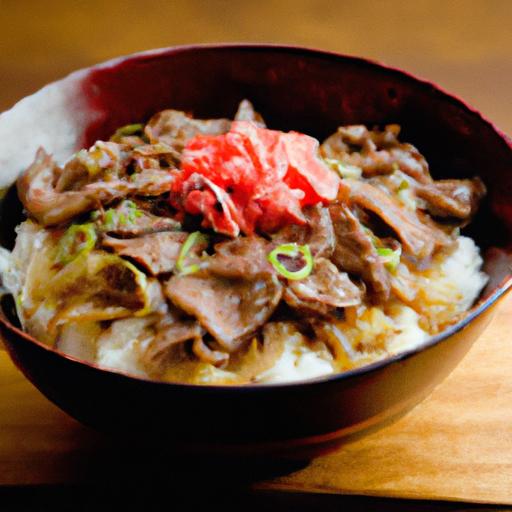
Gyudon is a beloved Japanese comfort food that beautifully unites savory, sweet, and umami flavors in a single bowl. This simple yet deeply satisfying dish, translating to “beef bowl,” has roots dating back to the Meiji era when Japan embraced speedy, affordable meals, particularly for workers craving nourishing nourishment. With thinly sliced beef simmered in an aromatic broth of soy, mirin, and dashi and served atop steaming white rice, gyudon perfectly captures the essence of Japanese cuisine’s balance and elegance.
Prep and Cook Time
- Preparation Time: 15 minutes
- Cooking Time: 20 minutes
- Total Time: 35 minutes
Yield
Makes 4 servings
Difficulty Level
Easy – Perfect for weeknight dinners or casual weekend meals
Ingredients
- 400g thinly sliced beef ribeye or chuck, ideally for quick cooking
- 1 large onion, thinly sliced
- 2 cups Japanese short-grain white rice, cooked and steamed
- 1 cup dashi stock (homemade or instant)
- 3 tbsp soy sauce, preferably low sodium
- 2 tbsp mirin (Japanese sweet rice wine)
- 2 tbsp sake (japanese rice wine)
- 1 tbsp granulated sugar
- 2 tsp fresh ginger, grated
- 1 stalk spring onion, thinly sliced (for garnish)
- Pickled red ginger (beni shoga), for serving
- Shichimi togarashi (optional, for a spicy kick)
Instructions
- Prepare the rice: Rinse the rice under cold water until the water runs clear. Cook according to your rice cooker’s instructions or stovetop method. Keep warm.
- caramelize the onions: in a medium skillet over medium heat, add a splash of dashi and sauté the sliced onion until translucent and gently golden, about 8 minutes. Stir gently to avoid burning.
- Simmer the simmer sauce: Add dashi stock, soy sauce, mirin, sake, sugar, and grated ginger to the skillet. Bring to a gentle boil, then lower the heat. stir to dissolve sugar completely.
- Add the beef: Layer the thinly sliced beef in the skillet. simmer uncovered, turning slices gently until tender and cooked through, about 7-10 minutes. Avoid overcooking to keep beef juicy.
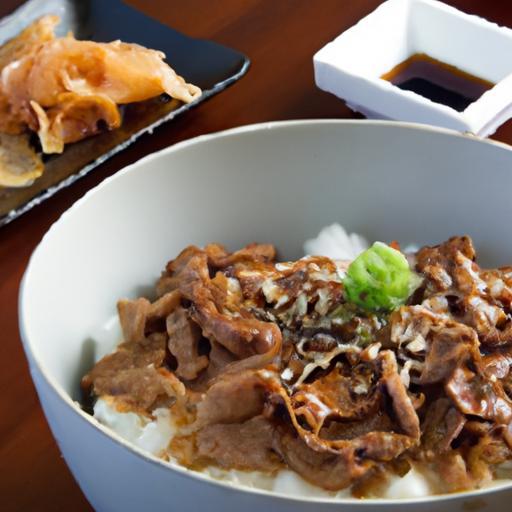
- Assemble the bowls: Scoop steaming white rice into donburi bowls. spoon generous amounts of the beef and onion mixture over the rice, ensuring you drizzle the flavorful broth evenly.
- Garnish: Top each bowl with sliced spring onions and a small mound of pickled red ginger. Sprinkle shichimi togarashi for those who crave a touch of heat.
- Serve instantly: Gyudon is best enjoyed fresh,while the beef is tender and the rice warm.
Chef’s Notes: Tips for crafting an Authentic Gyudon Experiance at Home
- Beef Selection: The secret to authentic gyudon lies in the beef’s thinness and quality. Seek out well-marbled ribeye or chuck and slice it as thin as possible-freezer brief chilling makes slicing effortless.
- Dashi Matters: Genuine flavor comes from a quality dashi base made from kombu and bonito flakes. using instant dashi is convenient, but fresh dashi elevates each bite.
- Savor the Sweet and savory Balance: Adjust the amount of sugar and mirin based on your preference. Some regions enjoy it sweeter, others simpler.
- Onion Texture: Slowly caramelize onions to unlock natural sweetness-this forms the backbone flavor to the dish.
- Make Ahead: You can prepare the simmered beef mixture a day in advance and reheat gently on the stove before serving.
- For a Vegetarian Option: Substitute beef with thinly sliced shiitake mushrooms and use kombu dashi to keep umami intact.
Regional Variations and Flavor Twists of Gyudon in Japan
across Japan, gyudon takes on subtle regional identities. In the Kansai area, expect a lighter broth with less sugar, emphasizing dashi’s purity. Conversely, Tokyo-style gyudon incorporates a punchier soy flavor and often thicker beef cuts. Some northern regions top the bowl with a soft-cooked egg or grated daikon radish for refreshing contrasts. Exploring these variations inspires endless creativity, allowing at-home cooks to personalize their bowl while honoring its roots.
Serving Suggestions
Present gyudon in classic Japanese donburi bowls to capture authenticity. Complement this dish with a side of miso soup and a simple cucumber sunomono salad to balance richness. Garnish with fresh spring onion and vivid pickled red ginger for eye-catching color and tartness that cuts through the savory depth.For a final flourish, offer shichimi togarashi as a bold option for guests wishing to add a spicy zest.

| Nutritional Data (per serving) | Amount |
|---|---|
| Calories | 480 kcal |
| Protein | 32 g |
| Carbohydrates | 52 g |
| fat | 12 g |
For more step-by-step Japanese rice bowl recipes, check out our Authentic Japanese Donburi Recipes. For an in-depth dive into traditional Japanese stocks, visit the Japan Society’s guide to dashi.
Q&A
Q&A: Gyudon Unveiled – Japan’s Savory Beef Rice Bowl Delight
Q1: What exactly is Gyudon?
A1: Gyudon, often lovingly called the “beef bowl,” is a quintessential Japanese comfort food. It’s a simple yet deeply satisfying dish featuring thinly sliced beef and onions simmered in a savory-sweet sauce, served atop a bowl of steaming white rice. Its harmonious blend of flavors and textures makes it a beloved staple across Japan.
Q2: Where did Gyudon originate,and how did it become popular?
A2: Gyudon traces its roots back to the Meiji era (late 19th century),a time when Western foods began mingling with Japanese cuisine. emerging from the bustling streets of Tokyo, beef became more accessible, and quick, hearty meals like Gyudon met the needs of busy workers. Its convenient preparation and modest price helped Gyudon spread rapidly into fast-food chains and neighborhood eateries.Q3: what ingredients give Gyudon its distinctive flavor?
A3: The magic lies in the balance of dashi (a delicate broth), soy sauce, mirin (a sweet rice wine), and sugar that gently infuse the thin beef slices and onions. This combination creates a sweet-savory umami punch. Topping the bowl with beni shoga (pickled ginger) and a sprinkle of shichimi togarashi (seven-spice blend) adds vibrant depth and a subtle zing.
Q4: How is the beef prepared to achieve that tender texture?
A4: Thin slicing is key. The beef is usually sliced paper-thin, allowing it to absorb the simmering broth’s flavors rapidly and cook quickly without toughening. This technique ensures each bite melts in your mouth, infused with the sweet and savory essence of the sauce.
Q5: Are there different regional or modern variations of Gyudon?
A5: Absolutely! While the classic recipe remains beloved,some regions experiment by adding ingredients like grated daikon radish,a soft-cooked egg (onsen tamago),or even a layer of tofu for extra texture. Some modern takes incorporate mushrooms or spinach for a seasonal twist, but the core savory-sweet beef-onion flavors always shine through.
Q6: What makes Gyudon a perfect meal for any time of day?
A6: Gyudon’s simplicity and heartiness make it incredibly versatile. It’s quick to prepare, comforting after a long day, and sufficiently filling for breakfast, lunch, or dinner. The warm rice bowl combined with flavorful beef satisfies both hunger and soul, serving as a warm embrace in culinary form.
Q7: Can Gyudon be enjoyed by people who prefer lighter or plant-based meals?
A7: While Gyudon traditionally centers on beef, those seeking lighter options might appreciate recipes that use lean cuts or smaller portions of beef paired with extra vegetables. Though not plant-based, it pairs beautifully with fresh salads or miso soup, creating a balanced meal focused on wholesome simplicity.
Q8: How do restaurants usually serve gyudon in Japan?
A8: In Japan, Gyudon is frequently enough served in casual, fast-service eateries, with a variety of customizable toppings. Popular add-ons include raw or soft-boiled eggs, scallions, and pickled ginger.Some places offer sides like miso soup or kimchi, inviting diners to tailor their meal to personal tastes.
Q9: What cultural significance does Gyudon hold in Japan?
A9: Beyond being a beloved everyday dish, Gyudon symbolizes practicality and comfort. It’s a food that crosses social boundaries, enjoyed by students, salarymen, and families alike. Its quick preparation and satisfying nature capture the essence of “umami,” reflecting Japan’s appreciation for balance and simplicity in food.
Q10: How can someone outside Japan best enjoy an authentic Gyudon experience at home?
A10: To recreate Gyudon authentically, start with high-quality thinly sliced beef (like ribeye or sirloin), a well-balanced simmering sauce of soy, mirin, dashi, and sugar, and fresh white rice as the base. Don’t rush the gentle simmering-the longer the beef and onions soak in the sauce, the richer the flavor.Top with pickled ginger and a soft egg if possible. Pairing your bowl with a light green tea enhances the traditional dining atmosphere right in your own kitchen.
Final Thoughts
As the savory aroma of tender beef mingled with subtly sweet onions and perfectly steamed rice lingers in your mind, Gyudon reveals itself not just as a meal, but as a cultural storyteller-one that carries the warmth of Japanese home kitchens and the bustling energy of urban eateries. Whether enjoyed on a busy Tokyo street corner or recreated in your own kitchen, this humble beef bowl encapsulates a timeless blend of comfort and tradition. So next time you crave a dish that is both simple and soul-satisfying, remember Gyudon: a delicious invitation to savor Japan’s rich culinary heritage, one flavorful bite at a time.