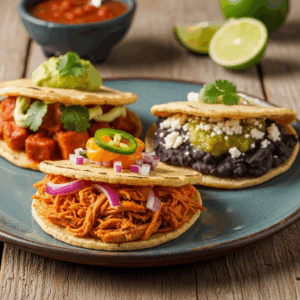

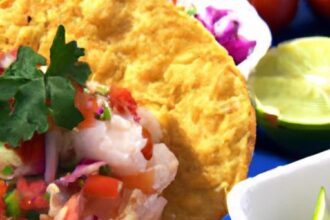

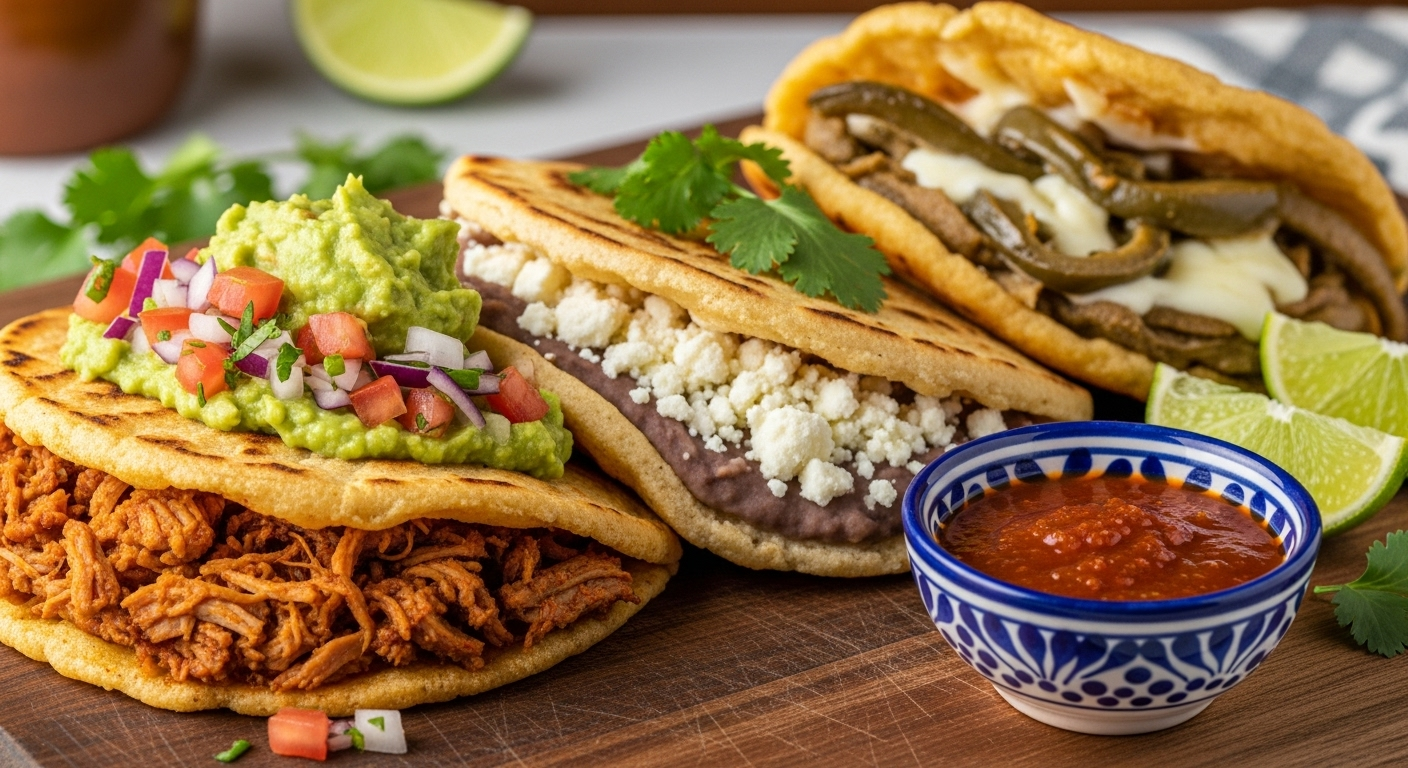
Beneath the humble exterior of a golden, slightly crisp corn cake lies a world of vibrant flavors, rich traditions, and culinary craftsmanship waiting to be discovered.Gorditas-those delightful stuffed corn cakes rooted deeply in Mexican heritage-are far more than just street food snacks; they are edible stories, wrapped tightly in masa and bursting with savory or sweet fillings.In “Gorditas Unwrapped: The art of Stuffed Corn Cakes Delight,” we embark on a flavorful journey to unravel the secrets behind these beloved treats, exploring their origins, regional variations, and the meticulous techniques that elevate simple ingredients into a symphony of taste and texture. Prepare to dive into a celebration of culture and cuisine, where every bite tells a tale.
Gorditas Unwrapped introduces you to a culinary treasure that embraces centuries of Mexican tradition while inviting modern creativity. These soft, fluffy corn cakes have long been a staple across regional Mexican kitchens, beloved not only for their comforting texture but also for their versatile ability to cradle a myriad of beloved fillings. Whether you’re picnicking by the roadside in Michoacán or savoring a home-cooked meal in Mexico City, gorditas hold a place of honor, representing community, warmth, and culinary ingenuity.
Prep and Cook Time
- Planning: 25 minutes
- Cooking: 15 minutes
- Total Time: 40 minutes
Yield
Makes 8 medium-sized gorditas (serves 4)
Difficulty Level
Medium – beginner cooks with patience will find success
The Origins and cultural Significance of Gorditas Unwrapped
Rooted in Mesoamerican cuisine, gorditas are more than just corn cakes-they are edible symbols of Mexican heritage. The word “gordita” translates to “little chubby one,” affectionately capturing their voluptuous shape and satisfying heft. Traditionally, gorditas were crafted from nixtamalized masa, a process dating back thousands of years that enhances flavor and nutritional value. They were originally street food, designed to be easy to hold and hearty enough to fill hungry travelers and workers, evolving into regional specialties with local twists in fillings and preparation.
The beauty of gorditas lies in their universality.They can be simple-stuffed with beans and cheese-or elaborate, embracing vegetables, cheese blends, and even traditional mole sauces. Their status as comfort food makes them a beloved gathering icon, marking celebrations, family dinners, and spontaneous culinary adventures alike.
Mastering the Perfect Dough for Soft and Fluffy Corn Cakes
Achieving that ideal gordita texture begins with mastering the dough. The magic happens by balancing moisture and firmness in the masa harina, ensuring it’s pliable yet able to hold fillings without cracking.Using warm water and a pinch of salt brings out a subtly earthy taste and creates the tender crumb that distinguishes an exceptional gordita from a dry, dense one.
The process requires gentle kneading-just enough to form a cohesive ball without overworking the dough. Resting the masa for at least 20 minutes allows the corn flour to hydrate fully, resulting in those signature soft and fluffy cakes you’ll love biting into.
Exploring Traditional and Modern Stuffing Combinations
From rustic to refined, the stuffing possibilities for gorditas are endless. Traditionally, black beans with queso fresco create a savory classic. Incorporating sautéed nopales (cactus paddles), mushrooms, or even spiced shredded chicken (or turkey) brings regional flavors to the forefront.
Modern twists invite creative fillings such as roasted poblano peppers with caramelized onions and creamy avocado, or a spicy chorizo-style soy crumble for plant-based flair. The key lies in balancing moisture and bold flavors while keeping the fillings compact enough to tuck neatly inside the corn pocket.
Tips and Techniques for Cooking Gorditas to Golden Perfection
Cooking gorditas demands attention but rewards with golden, crisp exteriors and pillowy interiors. Use a preheated comal or cast-iron skillet and cook over medium heat. Press gently with a spatula to encourage even puffing and a beautiful crust. Flip only once or twice to avoid breaking.
After cooking, split the gorditas carefully with a knife or your fingers and fill them promptly to enjoy the perfect contrast of crisp shell and warm filling. For an extra touch, lightly brush with melted butter or drizzle with Mexican crema and sprinkle fresh cilantro or crumbly cotija cheese for inviting presentation.
Ingredients
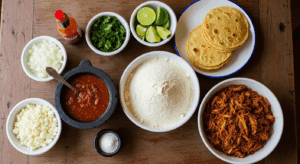
- 2 cups masa harina (corn flour, preferably fresh)
- 1 1/4 cups warm water (approximate, adjust as needed)
- 1/2 teaspoon sea salt
- 2 tablespoons vegetable oil (for cooking)
- 1 cup cooked black beans (mashed lightly)
- 1 cup crumbled queso fresco
- 1 small onion, finely diced (optional, sautéed)
- Fresh cilantro (for garnish)
Instructions
- Prepare the dough: In a large mixing bowl, combine masa harina and salt. Slowly add warm water while stirring with your hand or a spoon until the dough begins to form.
- Transfer the dough to a clean surface and knead gently for 3-5 minutes, until smooth and pliable but not sticky. If dough cracks when pinched, add a teaspoon of water at a time.
- Cover dough with a damp cloth and let rest for 20 minutes to hydrate fully.
- Make filling: Mix the cooked black beans with crumbled queso fresco. For more depth, sauté diced onion in a tablespoon of oil until translucent and add to the mixture.
- Shape gorditas: Divide dough into 8 equal balls. Flatten each with your palms (using a plastic wrap or tortilla press lined with parchment helps prevent sticking) into discs about 1/4-inch thick.
- Cook the dough: Heat a comal or cast iron skillet over medium heat. Add a teaspoon of oil and place a disc on the hot surface. Cook until the underside is golden and slightly puffed, about 2-3 minutes.
- Flip and cook other side until golden as well, pressing gently with a spatula to encourage puffing, about 2 minutes more.
- Remove from heat and quickly cut a slit in the side of each gordita. Stuff immediatly with the bean and cheese mixture, being careful not to tear the dough.
- Serve warm with fresh cilantro, crema, or your favorite salsa.
Tips for success
- If masa feels dry,add warm water sparingly; overworking may toughen the dough.
- Using a tortilla press lined with plastic wrap or parchment paper makes shaping easier and cleaner.
- Stuff gorditas right after cooking to preserve their crispness contrasted with a warm filling.
- For vegan options, swap queso fresco with firm tofu mashed with a pinch of salt and nutritional yeast.
- Make-ahead idea: Prepare dough and filling separately; store refrigerated up to 24 hours, then form and cook fresh before serving.
Serving Suggestions
Serve gorditas unwrapped on a rustic wooden board, accompanied by vibrant salsas-such as roasted tomato salsa or tangy tomatillo salsa verde. A dollop of Mexican crema, a sprinkle of crumbled cotija cheese, and fresh lime wedges elevate every bite. Complement with pickled jalapeños or a crisp cabbage slaw to introduce contrasting textures and bright acidity,making the experience truly unforgettable.
| Nutrient | Per Gordita |
|---|---|
| Calories | 210 kcal |
| Protein | 8 g |
| Carbohydrates | 30 g |
| fat | 5 g |

For more traditional Mexican corn recipes,explore our Authentic Mexican Corn tamales post. To deepen your knowledge of masa harina’s history and benefits,visit the National Corn Growers Association.
Q&A
Q&A: Gorditas unwrapped: The Art of Stuffed Corn Cakes Delight
Q1: What exactly is a gordita, and how does it differ from a regular tortilla?
A: At its core, a gordita is a corn masa cake that’s slightly thicker than a typical tortilla. unlike the flat, pliable tortilla, gorditas are like little pockets or thick discs that are sliced open or split to be generously stuffed with savory or sweet fillings. This thickness creates a satisfying bite that holds flavors beautifully,making them a canvas for culinary creativity.Q2: Where did gorditas originate, and how have they evolved over time?
A: Gorditas hail from Mexico, where they have been cherished for centuries as a humble, home-cooked delight. Traditionally, they were made with simple masa and stuffed with local ingredients like cheese, beans, or chicharrón de queso (crispy cheese). Over time, gorditas have evolved into a street-food staple, with vendors experimenting by blending classic fillings with modern twists, reflecting regional tastes and global influences.
Q3: What are the essential ingredients for making authentic gorditas?
A: The magic begins with masa harina, finely ground corn flour, combined with water and a pinch of salt to form a dough that’s soft but sturdy. This masa holds the gordita’s shape during cooking. From there, fillings can vary widely-from refried beans, melted cheeses, and sautéed vegetables to spicy chorizo made from beef or chicken, or even vibrant salsas and fresh herbs that bring brightness with every bite.
Q4: How is the cooking technique significant in achieving the perfect gordita texture?
A: cooking gorditas is an art that balances heat and timing. They’re typically griddled on a comal or flat pan until golden and slightly crisp on the outside, yet soft inside. Some prefer to fry them afterward for a crunchier exterior, while others stick to toasting or baking. the goal is to create a gordita that’s sturdy enough to hold its filling without crumbling, while maintaining a melt-in-your-mouth softness.Q5: What are some popular vegetarian filling ideas for gorditas?
A: Vegetarian gorditas shine with hearty, flavorful fillings like smoky grilled mushrooms, spicy rajas (sliced poblano peppers with onions), creamy black beans with queso fresco, or tangy pickled vegetables. Layering in guacamole, fresh cilantro, and zesty salsas adds complexity and moisture, turning a simple corn cake into a fiesta of textures and flavors.
Q6: Can gorditas be enjoyed as a dessert? If so, how?
A: Absolutely! Sweet gorditas are a delightful twist on the classic savory treat. Stuff them with ingredients like cinnamon-spiced pumpkin, sweetened cream cheese and berries, or refried black beans sweetened with piloncillo (unrefined cane sugar). Drizzle with honey or sprinkle with sugar and a dash of cinnamon for a comforting, nostalgic dessert.
Q7: How do gorditas reflect Mexican culture and culinary tradition?
A: Gorditas are more than just food-they’re a symbol of Mexican ingenuity and community. Their humble roots showcase corn’s central role in Mesoamerican cultures, while the act of stuffing and sharing gorditas reflects warmth and hospitality. Whether found at family kitchens or bustling street markets, gorditas connect generations and regions through their adaptable yet steadfast presence.
Q8: What tips would you offer to someone trying to make gorditas at home for the first time?
A: Start with good-quality masa harina and don’t rush the dough preparation-allow it to hydrate fully for a tender base. Keep your hands damp while shaping to prevent sticking, and cook over medium heat to avoid burning before the center cooks through. Experiment with fillings, but balance moisture carefully so the gordita stays intact.Most importantly, embrace the process and savor the little imperfections that make your gorditas uniquely yours.
Unlocking the secrets of gorditas reveals a world where simple corn masa transforms into a vessel of limitless culinary joy-a appetizing testament to the art of stuffing and savoring every bite.
In Summary
As we peel back the layers of the humble gordita, it becomes clear that this stuffed corn cake is far more than just a simple dish-it’s a vibrant tapestry of culture, tradition, and culinary creativity. Each gordita, whether filled with savory meats, melted cheeses, or fragrant vegetables, tells a story of flavors carefully nested within a golden, handcrafted embrace. So next time you bite into one, remember: you’re not just enjoying a meal-you’re savoring a delicious chapter in the rich narrative of Mexican gastronomy.Gorditas, unwrapped and unmasked, invite us all to celebrate the art of stuffed corn cake delight in its most authentic and mouthwatering form.