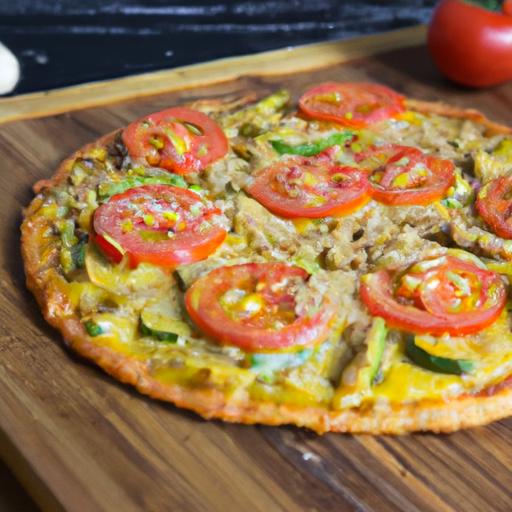


In a world where pizza cravings often come wrapped in a blanket of guilt,there emerges a deliciously light hero: the gluten-free cauliflower crust pizza.Say goodbye to heavy dough and hello to a vibrant, wholesome alternative that doesn’t sacrifice flavor or texture. Whether you’re navigating gluten sensitivities,seeking a lower-carb option,or simply eager to explore new culinary horizons,this guide will take you on a flavorful journey through the art of crafting the perfect cauliflower crust pizza. Get ready to indulge in all the cheesy, saucy goodness you love-without the gluten and with extra greens baked right in.
Choosing the Perfect Cauliflower for a fluffy Gluten-Free Crust
Deliciously light gluten-free cauliflower crust pizza starts with selecting the freshest cauliflower available. Opt for a firm,compact head with tightly packed,creamy-white florets free from brown spots or bruising. Organic cauliflower frequently enough delivers the best texture and flavor, essential for creating that fluffy crust that holds together yet stays tender. Avoid cauliflower with too many green stems or loose leaves as these can add moisture and affect the crust’s structure.
When prepping, break your cauliflower into small florets for easier pulsing in a food processor. The goal is to achieve rice-like granules that will steam evenly, releasing just enough moisture to bind with your ingredients without sogginess.
Mastering the Art of Mixing and Binding Ingredients for Ideal Texture
Crafting a flawless cauliflower crust requires understanding the balance between moisture and binding agents. After steaming and draining your cauliflower ‘rice,’ wrap it tightly in a clean kitchen towel or cheesecloth to squeeze out excess water; this step is crucial for a crisp, non-soggy crust.
Mix the dried cauliflower with gluten-free almond flour or cassava flour, along with freshly cracked eggs and a sprinkle of aromatic Parmesan or vegan cheese for flavor and structure. The eggs serve as a natural binder, while the flour provides stability and a tender crumb. Adding a hint of herbs like oregano or garlic powder infuses the crust with inviting aromas, amplifying each bite. Handling this dough gently, pressing it evenly on your baking sheet, ensures a uniform thickness-ideally around ¼ inch-for the best balance of fluffiness and crispness.
Top Toppings That Complement the lightness of Cauliflower Crust
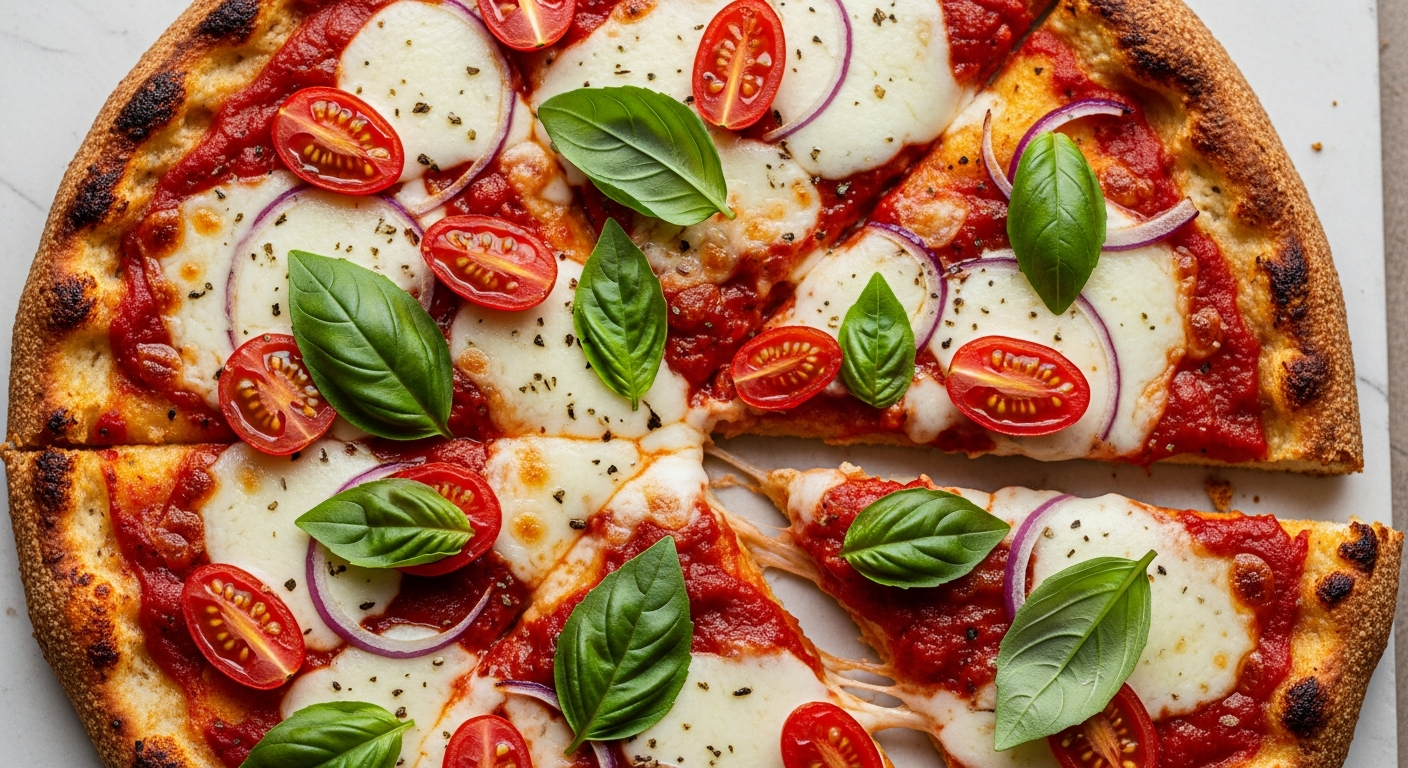
The beauty of your delicately baked cauliflower crust lies in the toppings that celebrate its soft, fluffy texture. Consider fresh, vibrant vegetables like sun-dried tomatoes, sweet bell peppers, and earthy mushrooms to enhance natural sweetness without overpowering the crust’s subtle nuttiness. For protein, succulent grilled chicken or flavorful roasted chickpeas elevate satisfaction while keeping the pizza gluten-free and nourishing.
Finish with fresh herbs like basil or arugula after baking for a luminous, peppery freshness that contrasts delightfully against the warm crust.light mozzarella or creamy vegan cheeses melt beautifully over the surface, creating a luscious, melty top without weighing down the pizza’s airy base.
Baking Tips and Tricks to Achieve Crispy,Golden Perfection
Achieving that coveted golden crust begins with a preheated oven,ideally set to 425°F (220°C). Baking the crust alone on a parchment-lined baking sheet for 15-20 minutes before adding toppings sets a firm foundation that won’t become soggy. Use a pizza stone or an inverted heavy baking tray to mimic a hot stone effect and encourage even heat distribution.
After topping, return the pizza to the oven until melted cheese bubbles lightly and the edges turn golden brown with slight crisping. Let the pizza cool for 5 minutes before slicing to allow the crust to firm up perfectly, ensuring each slice holds together beautifully. For an extra touch of crunch and color, brush the edges with a little olive oil and a sprinkle of sea salt before baking.
Prep and Cook Time
- Preparation: 20 minutes
- Cooking: 40 minutes (including pre-bake and final bake)
- total Time: 1 hour
Yield
Serves 4 generous slices, ideal for a light lunch or dinner
Difficulty level
Medium – Requires basic food processing and baking skills
Ingredients
- 1 medium head cauliflower (about 4 cups grated)
- 2 large eggs, beaten
- ½ cup almond flour
- ⅓ cup finely grated Parmesan cheese (or vegan alternative)
- 1 tsp garlic powder
- 1 tsp dried oregano
- ½ tsp sea salt
- ¼ tsp black pepper
- 1 tbsp olive oil (plus extra to brush)
- 1 cup shredded mozzarella cheese (or plant-based cheese)
- Your favorite gluten-free pizza toppings (e.g., roasted bell peppers, mushrooms, grilled chicken, fresh basil)
Instructions
- Preheat your oven to 425°F (220°C) and line a baking sheet with parchment paper.
- Prepare the cauliflower: Cut the cauliflower into florets and pulse in a food processor until it resembles fine rice.
- Steam the cauliflower rice for 4-5 minutes until tender but not soggy, then transfer to a clean kitchen towel and squeeze out as much moisture as possible.
- Combine the crust mixture: In a large bowl, mix the dried cauliflower rice with beaten eggs, almond flour, Parmesan, garlic powder, oregano, salt, and black pepper.
- Form the crust: Transfer the mixture onto the prepared baking sheet. Using your hands or a spatula, press it evenly into a 10-inch circle about ¼ inch thick. Brush the edges lightly with olive oil.
- Bake the crust: Place in the oven and bake for 15-20 minutes until golden and firm to the touch.
- add toppings: Remove the crust from the oven, spread the shredded mozzarella evenly, and add your desired toppings.
- Bake again: Return to the oven for 10-12 minutes until the cheese melts and edges become crisp and golden.
- Cool slightly and serve: Let your pizza rest for 5 minutes before slicing to maintain its fluffy yet sturdy texture.
Tips for Success
- Excess moisture is the enemy: Thoroughly draining and squeezing cauliflower is key to preventing a soggy crust.
- Flour variations: Almond flour yields a nutty flavor; cassava flour can be used for more elasticity if preferred.
- Make-ahead: Bake the plain crust ahead and freeze it. Reheat with toppings when ready to serve.
- Customize flavors: Add fresh herbs like rosemary or thyme to the crust mix for a fragrant twist.
- Use parchment paper: For easier removal and cleanup, especially when transferring the crust.
Serving suggestions
Serve slices warm, garnished with a drizzle of extra virgin olive oil and a handful of fresh basil or arugula leaves.Pair your gluten-free cauliflower crust pizza with a crisp green salad tossed in lemon vinaigrette for a refreshing contrast. Offer a side of tangy marinara sauce or a sprinkle of red pepper flakes for guests who like a spicy kick.
| Nutrient | Per Serving |
|---|---|
| Calories | 230 |
| Protein | 15g |
| Carbohydrates | 8g |
| Fat | 14g |
For more gluten-free pizza ideas, check out our Ultimate Gluten-Free Pizza Guide.
Learn more about the nutritional benefits of cauliflower at the Healthline nutrition Center.

Q&A
Q&A: Deliciously Light – Your Ultimate Guide to Gluten-Free Cauliflower Crust Pizza
Q1: What makes cauliflower crust pizza a great alternative to traditional pizza crust?
A1: cauliflower crust pizza offers a lighter, lower-carb, and naturally gluten-free option that’s perfect for those seeking a healthier twist on their favorite comfort food. It’s packed with nutrients like fiber and vitamins, giving your pizza a veggie boost without sacrificing flavor or texture.
Q2: How do you prepare cauliflower so it works perfectly as a pizza crust?
A2: The key is to finely grate or pulse cauliflower into rice-sized pieces, then steam or microwave it until tender. after cooling slightly, it’s crucial to squeeze out as much moisture as possible using a clean towel or cheesecloth. This step ensures a crust that’s crisp, not soggy.
Q3: Can cauliflower crust hold up under heavy toppings?
A3: Absolutely! While cauliflower crust is lighter and delicate, with the right binders like eggs and cheese (or plant-based alternatives), it forms a sturdy base. Baking it until golden brown before adding toppings helps it hold together and support your favorite ingredients.
Q4: What cheeses work best for binding and flavor in cauliflower crust?
A4: Mozzarella and Parmesan are popular choices because they melt beautifully and provide a chewy, flavorful crust. For non-dairy options, nutritional yeast and vegan cheese blends can create a similar texture and taste, making the crust both tasty and cohesive.
Q5: Are there any tips to make a cauliflower crust crispy rather of soggy?
A5: definitely! Pressing out excess water from the cauliflower, using a hot oven (around 425°F or 220°C), and baking the crust on a parchment-lined baking sheet or pizza stone all help achieve a satisfying crispness. A rapid pre-bake before adding toppings locks in structure and keeps moisture out.
Q6: What are some creative topping ideas for a gluten-free cauliflower crust pizza?
A6: The possibilities are endless! think vibrant roasted vegetables like bell peppers, zucchini, and mushrooms; fresh greens such as arugula or basil; tangy tomato sauce; and plant-based proteins like grilled tofu or chickpeas. Experimenting with herbs and spices can elevate your pizza to gourmet levels.
Q7: Can cauliflower crust pizzas be made vegan or dairy-free?
A7: Without a doubt! Swap eggs with flax or chia seed “eggs” as binders, and use dairy-free cheeses or nuts blended into the dough for richness. These tweaks make for a compassionate, plant-forward pizza that everyone can enjoy without missing out on the essential textures and flavors.
Q8: How do you store leftover cauliflower crust pizza?
A8: Store leftovers in an airtight container in the refrigerator for up to 3 days. To reheat, warm it in a skillet or oven to help maintain the crust’s crispness – avoid the microwave if you want to keep that signature crunch!
Q9: Is cauliflower crust suitable for people with gluten intolerance or celiac disease?
A9: Yes! As cauliflower crust uses no wheat or gluten-containing flours, it’s a safe and tasty alternative for those avoiding gluten. Just double-check all added ingredients and toppings to ensure they’re gluten-free as well.
Q10: What’s the best way to get kids excited about cauliflower crust pizza?
A10: Get them involved in the process! Let kids sprinkle cheese, arrange toppings, or even help with pressing the crust. making it a fun, hands-on activity turns mealtime into playtime - plus, the veggie-packed crust sneaks in nutrition without them even noticing.
Enjoy creating your own light and luscious gluten-free cauliflower crust pizza masterpiece!
The Way Forward
Whether you’re a devoted gluten-free foodie or simply looking to lighten up your pizza nights, cauliflower crust offers a vibrant twist on a classic favorite. Its crispy edges, tender bite, and wholesome ingredients make every slice a festivity of flavor without the guilt. By embracing this versatile base, you open the door to endless topping possibilities and a healthier way to indulge. So next time cravings strike, remember: deliciously light doesn’t mean sacrificing taste-it means reinventing it, one cauliflower crust at a time.