




Beneath the blazing Spanish sun, where vibrant colors and bold flavors come alive, there exists a culinary gem that has long captured the hearts-and palates-of locals and travelers alike. Gazpacho, spain’s iconic chilled tomato soup, is far more than just a summer refresher; it is a symphony of ripe tomatoes, crisp vegetables, and fragrant herbs that narrate a story of tradition, geography, and artistry in every spoonful. In this article, we peel back the layers of gazpacho’s history, explore its regional variations, and uncover the secrets that make this humble tomato masterpiece a timeless symbol of Spain’s rich gastronomic heritage. Get ready to dive into a bowl of vibrant flavor and cultural richness as we unveil the essence of gazpacho.
Gazpacho Unveiled begins with an exploration of one of Spain’s most iconic and refreshing dishes, a vibrant cold tomato soup that carries the essence of Andalusian summers. This masterpiece, born from the sun-drenched fields of southern Spain, blends bold freshness with rustic simplicity, making it a culinary treasure that transcends time and borders.its crisp texture, layered flavors, and brilliant redness invite you to taste a piece of Spanish heritage with every spoonful.
Origins and Cultural Importance of Gazpacho in Spanish Cuisine
Gazpacho’s roots trace back to Ancient Rome and Moorish influences, embodying the agricultural bounty and resourcefulness of Andalusia. Traditionally served as a revitalizing midday meal in sweltering heat, it reflects the culture’s respect for seasonal produce and the Mediterranean diet’s heart-healthy components.Beyond a soup, it symbolizes communal gatherings, festive occasions, and the timeless joy of savoring fresh, local ingredients straight from the earth.
Key Ingredients That Elevate the Classic Gazpacho Flavor
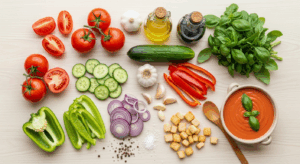
The secret to authentic gazpacho lies in its fresh,high-quality ingredients that harmonize to create an unmistakably vibrant flavor profile. Juicy ripe tomatoes form the base, enhanced by the subtly pungent green bell pepper, cooling cucumber, and a touch of bite from red onion. Acidity and depth come from sherry vinegar (or another quality vinegar), balanced by the fruity smoothness of extra virgin olive oil. garlic adds an earthy note, while fresh bread crumbs or day-old rustic bread contribute comforting texture and thickness.
Step by Step Guide to Crafting the Perfect Refreshing Gazpacho
Ingredients
- 6 large ripe tomatoes, cored and roughly chopped
- 1 large cucumber, peeled, seeded, and chopped
- 1 green bell pepper, seeded and chopped
- 1/2 red onion, peeled and chopped
- 2 cloves garlic, minced
- 2 slices rustic white bread, crust removed and torn into pieces
- 3 tbsp extra virgin olive oil
- 2 tbsp sherry vinegar (substitute with apple cider vinegar if needed)
- 1 tsp sea salt
- 1/2 tsp freshly ground black pepper
- 1 cup cold water (adjust for desired consistency)
Instructions
- Soak the bread: Place the torn bread pieces in a bowl and pour 1/2 cup cold water over them. Let sit for 5 minutes until softened.
- Blend the vegetables: In a high-speed blender, combine the tomatoes, cucumber, green bell pepper, red onion, garlic, and soaked bread with its water. Pulse until smooth but still slightly textured.
- Season and emulsify: Add the olive oil, sherry vinegar, salt, and pepper. Blend again for 30 seconds until the mixture turns creamy and well combined.
- Adjust consistency: Slowly add the remaining water to loosen the gazpacho to your preferred thickness while blending gently.
- Chill thoroughly: Transfer to a bowl or airtight container and refrigerate for at least 2 hours, allowing flavors to deepen and develop. Gazpacho tastes best ice-cold.
- Final stir and serve: Stir just before serving. Optionally, strain through a fine sieve for an ultra-smooth texture, or serve as is for rustic charm.
Expert Tips for Serving and Storing Gazpacho Like a True Spaniard
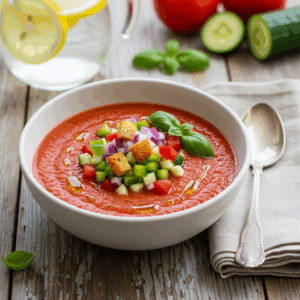
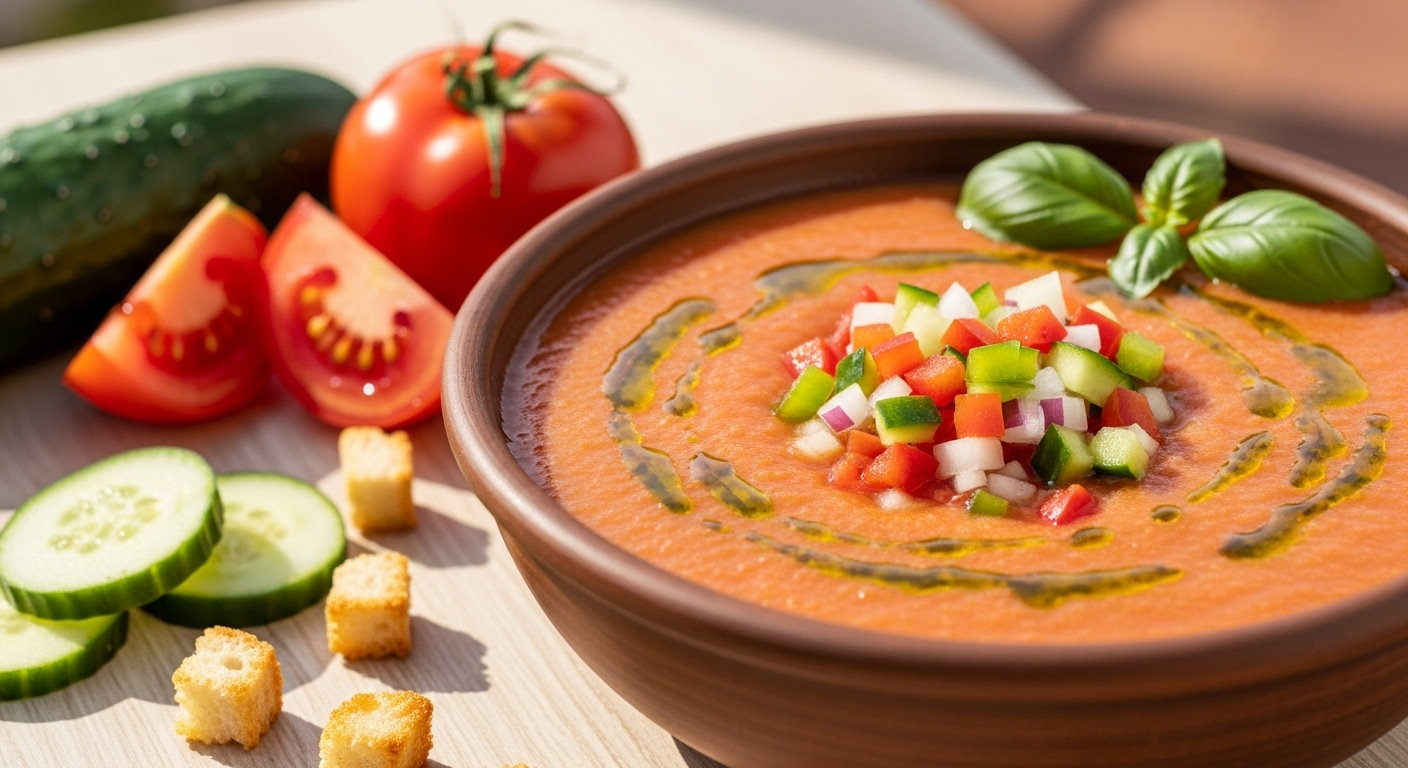
Serve gazpacho elegantly in chilled bowls or tall glasses, garnished with finely diced cucumber, red bell pepper, or hard-boiled egg bits for added texture and color contrast. A drizzle of high-quality extra virgin olive oil on top brings a luscious finish that enhances every bite.
For an authentic touch, accompany your gazpacho with crunchy, thin slices of crusty bread or garlic-rubbed grilled toast. Leftovers keep well sealed in the fridge for up to 3 days – just give it a good stir and chill again before enjoying.
Chef’s Notes
- Ingredient substitutions: Use heirloom tomatoes if available for richer flavor; cucumber peel can be left on for more fiber and color.
- Texture options: Blend longer for silky smoothness or pulse less for a chunkier,rustic bite.
- Make ahead: Gazpacho improves in flavor after a night in the fridge and can be prepared up to 24 hours in advance.
- Allergy tip: Gluten-free bread works perfectly if needed, and adjusting vinegar types is fine to accommodate personal tastes.
Nutritional Details (Per Serving)
| Calories | Protein | Carbohydrates | Fat |
|---|---|---|---|
| 120 | 3g | 15g | 7g |

For more insights on Mediterranean dishes, check out our Mediterranean Diet Basics. To learn about the ancient background of similar cold soups, visit Britannica’s Gazpacho entry.
Q&A
Q&A: Gazpacho Unveiled – Spain’s Refreshing Tomato Masterpiece
Q1: What exactly is gazpacho, and why is it considered a spanish culinary treasure?
A: Gazpacho is a chilled tomato-based soup that hails from the sun-drenched Andalusian region of southern Spain.Its vibrant red hue and fresh,tangy flavor have made it a beloved staple,especially for combating the intense summer heat.More than just a soup,gazpacho embodies Spain’s rich agricultural heritage and its passion for simple,honest,and profoundly refreshing cuisine.
Q2: What are the core ingredients that give gazpacho its signature taste?
A: At its heart, gazpacho relies on ripe tomatoes-bursting with summer juice-blended smoothly with crisp cucumbers, sweet bell peppers, pungent garlic, sharp onions, and a splash of olive oil.A touch of sherry vinegar brightens the dish, adding complexity and that classic tang. The magic lies in balancing these fresh vegetables to create a harmonious dance of flavors and textures.Q3: How is gazpacho traditionally prepared?
A: Traditionally,gazpacho starts with chopping ripe vegetables by hand,then grinding them with a mortar and pestle to release their natural juices and oils. Today, most cooks use blenders to create a silky, refreshing soup. After blending, it’s chilled thoroughly to enhance its cooling properties and served cold in bowls or glasses, sometimes garnished with diced vegetables or a drizzle of olive oil.Q4: Why is gazpacho especially popular during the summer months?
A: Gazpacho’s chilled nature and the high water content of its vegetables make it incredibly hydrating and cooling-a perfect antidote to Spain’s blazing summer sun. Eating gazpacho is like tasting a burst of fresh, garden-picked goodness that revitalizes the body and refreshes the spirit.
Q5: Are there regional variations of gazpacho within Spain?
A: Absolutely! While the classic red gazpacho is most famous,you’ll find regional twists across Spain. For instance, “salmorejo” is a thicker, creamier variant from Córdoba made with more bread and fewer vegetables. Some versions may emphasize different proportions of ingredients or add traditional local touches like almonds or herbs, highlighting diverse local flavors while keeping the essence of gazpacho intact.
Q6: can gazpacho be enjoyed beyond just a starter or soup?
A: Yes! Gazpacho’s versatility is one reason it has secured a place in kitchens beyond Spain.It can be served as a refreshing appetizer, a light lunch, or even used as a vibrant sauce or marinade for grilled vegetables. Its shining flavors awaken the palate, making it an inspiring base for creative dishes that celebrate the essence of fresh tomatoes.
Q7: What makes gazpacho a healthy choice?
A: Gazpacho is naturally nutrient-packed, low in calories, and brimming with antioxidants, fiber, and vitamins from its fresh vegetables. The olive oil contributes heart-healthy fats, while the raw ingredients preserve enzymes that are often lost in cooking. It’s a wholesome,revitalizing dish that nourishes both body and soul.
Q8: How can someone new to gazpacho best experience it at home?
A: Start with the freshest ripe tomatoes you can find, and don’t skimp on quality olive oil-a little goes a long way. Blend the ingredients until smooth, season thoughtfully with salt and vinegar, and chill for several hours. Serve it in chilled bowls or glasses with simple garnishes like diced cucumber or a few drops of olive oil. Sip slowly to savor the bright interplay of flavors that make gazpacho a true summer masterpiece.
Discover gazpacho, and you discover a vibrant snapshot of Spain’s sunlit fields, timeless traditions, and the joyful simplicity of fresh, pure ingredients.
Wrapping Up
As the vibrant flavors of gazpacho continue to captivate palates around the world, it stands not only as a testament to Spain’s culinary ingenuity but also as a refreshing reminder of the country’s sun-soaked landscapes and rich agricultural heritage.From its humble origins as a humble peasant dish to its place on the tables of gourmet restaurants, gazpacho invites us to savor the simplicity of fresh ingredients blended into a harmonious symphony of taste and texture. so next time the summer heat beckons, immerse yourself in a chilled bowl of this tomato masterpiece-each sip a cool embrace, a story steeped in history, and a celebration of Spain’s timeless love affair with food.