




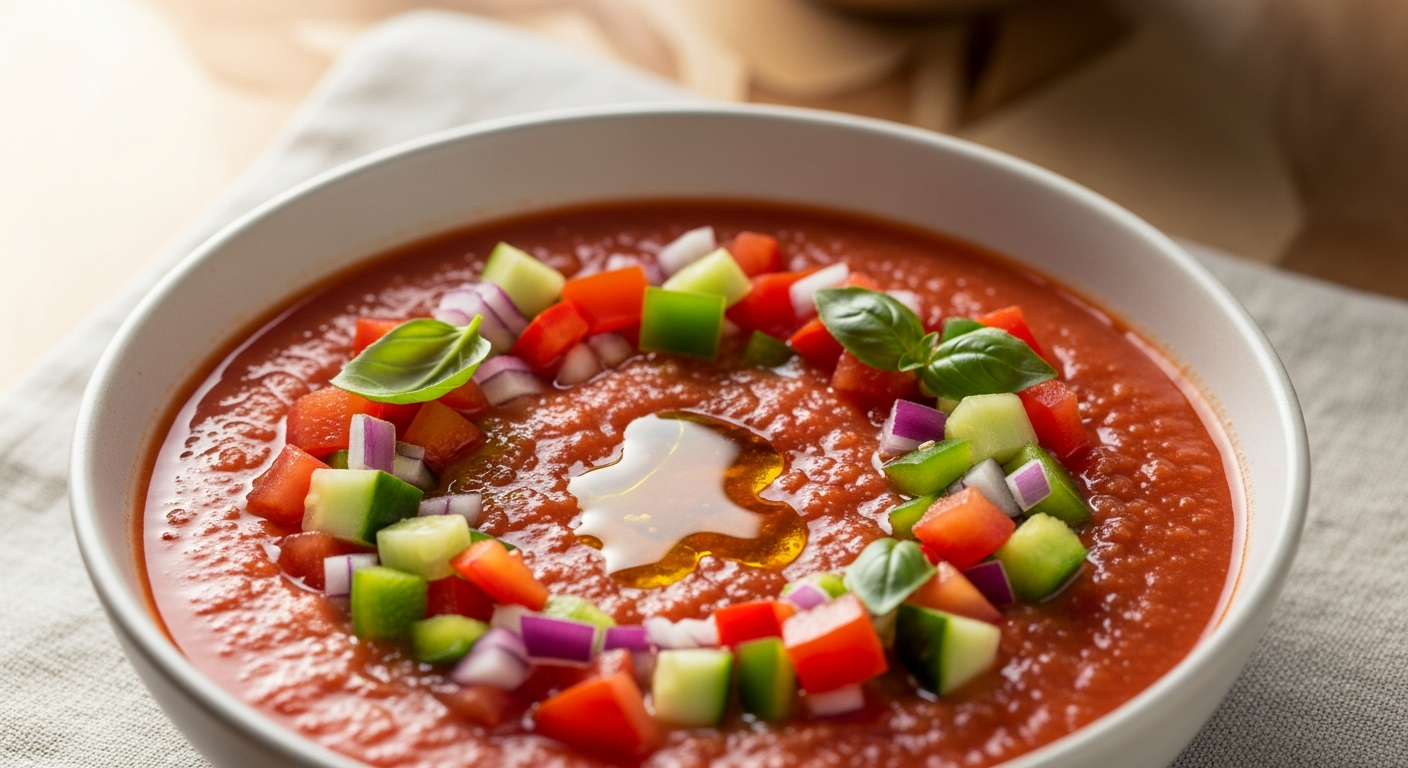
Beneath the sun-drenched skies of southern Spain lies a culinary gem that captures the essence of summer in a single,chilled bowl: gazpacho. This vibrant, cold tomato soup isn’t just a mere dish-it’s a refreshing embrace from the heat, a blend of rustic tradition adn vivid flavors that have delighted palates for centuries. From its humble origins in Andalusian kitchens to its acclaimed status on global menus, gazpacho tells a story of culture, seasonality, and innovation. in this article, we peel back the layers of Spain’s beloved cold tomato soup, exploring its history, ingredients, and the secrets that make it an enduring symbol of Mediterranean refreshment.
Gazpacho Unveiled: Spain’s Refreshing Cold Tomato Soup is more than just a chilled tomato soup; it’s a vibrant celebration of Andalusian summers and centuries-old traditions. Originating from southern Spain,gazpacho embodies the region’s sun-soaked lifestyle,where ripe tomatoes,fresh cucumbers,and fragrant garlic come together to refresh and revive. This iconic cold soup has transcended time, offering a perfect balance of acidity, sweetness, and freshness that has delighted both locals and global food lovers. My first spoonful in a bustling seville market was a revelation-a bright burst of flavors that instantly captured the essence of Spanish hospitality and simplicity.
Prep and Cook Time
- Planning: 20 minutes
- Chilling: Minimum 2 hours (preferably overnight)
- Total Time: About 2 hours 20 minutes
Yield
Serves 4 generously as a starter or light summer meal.
Difficulty Level
Easy – perfect for home cooks eager to impress with minimal fuss.
Key Ingredients that Define the Authentic Gazpacho Experience
- 4 large ripe tomatoes, preferably plum or vine-ripened, for natural sweetness and robust color
- 1 large cucumber, peeled and seeded to keep the texture smooth
- 1 small red bell pepper, deseeded
- 1 small red onion, finely chopped
- 2 cloves garlic, minced for a subtle pungency
- 3 tbsp extra virgin olive oil, providing lush silkiness
- 2 tbsp sherry vinegar, for that signature tangy sparkle
- 1 tsp sea salt (adjust to taste)
- Freshly ground black pepper, to finish
- Cold water or fresh tomato juice, to adjust soup consistency
- Optional garnishes: finely diced cucumber, tomato, and bell pepper for texture contrast
Step-by-Step Guide to Crafting the Perfect Chilled Tomato Soup
- Prepare the vegetables: Rinse all produce under cold water. Roughly chop the tomatoes, cucumber, red bell pepper, and red onion into chunks to ease blending.
- Blend the base: Add tomatoes, cucumber, bell pepper, onion, and garlic into a high-speed blender.Pulse until smooth but retaining a slight texture-about 30 seconds.Avoid over-blending to keep vibrancy.
- Season and emulsify: Slowly pour in the extra virgin olive oil and sherry vinegar while continuing to blend at low speed. This step ensures a harmonious, silky finish.
- Adjust consistency: Add cold water or fresh tomato juice little by little until the soup reaches your preferred pourable thickness. Ideally, it should coat the back of a spoon without feeling watery.
- Season to taste: Add salt and freshly ground black pepper. Blend briefly once more to incorporate.
- Strain for smoothness (optional): For an extra velvety gazpacho, push the soup through a fine mesh sieve using the back of a ladle. This step is traditional but not mandatory.
- Chill thoroughly: Transfer gazpacho to a covered container and refrigerate for at least 2 hours (overnight preferred).Coldness enhances the flavors and the refreshing effect.
- Serve creatively: Pour into chilled bowls or glasses. Garnish with diced fresh cucumber, tomato, bell pepper, or a drizzle of olive oil.
Expert Tips for Serving and Pairing Gazpacho to Elevate Your Meal
Serving gazpacho is where your creativity can shine.To elevate the experience, chill your serving vessels beforehand to keep every bite crisp and refreshing. Pair it with rustic crusty bread or traditional Spanish pan con tomate for a textural contrast and to soak up the luscious juice.
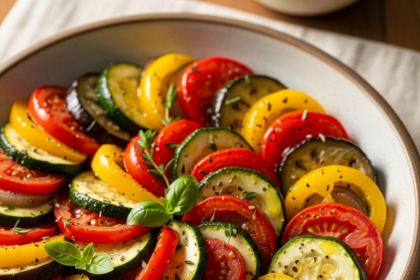
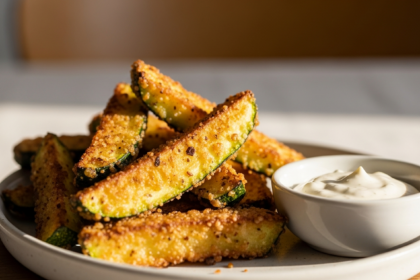
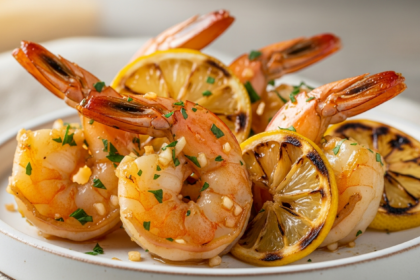
For a more substantial meal,serve alongside a simple Spanish tortilla (potato omelette) or grilled seasonal vegetables. Gazpacho also pairs elegantly with light seafood dishes like grilled shrimp or marinated anchovies.
Incorporate fresh herbs such as basil, parsley, or cilantro either in the soup or as garnishes for added aroma and depth. A sprinkle of smoked paprika can bring out subtle warmth and complexity without overpowering the freshness.
Chef’s Notes – Tips for Success
- Tomatoes: Use the ripest, juiciest tomatoes available-this is key to authentic gazpacho flavor.Heirloom or Roma varieties work well.
- Olive oil: Choose a high-quality extra virgin olive oil; it is indeed essential for the soup’s silkiness and flavor profile.
- Vinegar: Sherry vinegar adds a sweet tang typical of Andalusian gazpacho. Substitute with red wine vinegar cautiously if unavailable,but avoid white vinegar.
- Texture: For a chunkier gazpacho, reserve a small portion of finely diced vegetables and add as garnish instead of blending fully.
- Make-ahead: Prepare gazpacho up to 24 hours in advance. Flavors meld beautifully with time, and chilling intensifies the refreshing quality.
- Storage: Keep refrigerated and consume within 3 days for best freshness.
| Nutrient | Per Serving |
|---|---|
| Calories | 110 kcal |
| Protein | 3 g |
| Carbohydrates | 15 g |
| Fat | 6 g |
For further culinary adventures with spanish cuisine, explore our Appetizing Spanish Paella Recipe for another iconic dish. To deepen your understanding of gazpacho’s place in Mediterranean diets, visit Encyclopaedia Britannica.
Q&A
Q&A: Gazpacho Unveiled – Spain’s Refreshing Cold Tomato Soup
Q1: What exactly is gazpacho?
A: Gazpacho is a vibrant, chilled soup from southern Spain, especially popular in Andalusia. It’s a refreshing blend of ripe tomatoes, cucumbers, bell peppers, garlic, olive oil, vinegar, and bread, all pureed together to create a smooth, tangy dish perfect for warm weather.
Q2: How did gazpacho originate?
A: Gazpacho has roots stretching back to Roman times, originally a humble mix of stale bread, garlic, olive oil, vinegar, and water. Over centuries, the addition of fresh, sun-ripened tomatoes and peppers-ingredients brought from the Americas-transformed it into the colorful, flavorful soup we know today.
Q3: Why is gazpacho served cold?
A: Gazpacho’s chilled nature is a genius response to Spain’s hot summers. Serving it cold not only cools the body but also intensifies the flavors, making each sip a refreshing burst of tomatoey goodness that’s light and hydrating.
Q4: What makes a classic gazpacho unique compared to other tomato soups?
A: unlike typical hot tomato soups,gazpacho balances raw,fresh vegetables with a splash of vinegar and a drizzle of extra virgin olive oil. Its texture can range from silky smooth to slightly chunky, often lending a rustic yet elegant taste profile that showcases the pure essence of its garden-fresh ingredients.
Q5: Are there common variations of gazpacho?
A: Absolutely! While the classic tomato gazpacho is king, regional variations exist.Some include more cucumber and green pepper for a garden-fresh twist, others add watermelon or strawberries for subtle sweetness, and a few versions swap out some veggies to experiment with flavor balances-all while maintaining that signature cool, refreshing quality.
Q6: What are the key ingredients to making authentic gazpacho?
A: The secret to authenticity lies in ripe tomatoes (the juiciest you can find), crunchy cucumbers, sweet red or green bell peppers, pungent garlic, stale bread soaked in water to thicken, sherry vinegar for tang, and a generous pour of smooth olive oil to bring everything together. Salt and pepper finish off the seasoning.
Q7: How can gazpacho be enjoyed or served?
A: Gazpacho can be served as a light appetizer, a midday refresher, or even a healthy meal on its own. Garnishes such as finely diced vegetables, herbs like basil or parsley, or a drizzle of extra olive oil enhance its presentation and texture. It pairs wonderfully with crusty bread or a simple salad.
Q8: Is gazpacho healthy?
A: Yes! Packed with fresh vegetables and healthy fats from olive oil, gazpacho is low in calories while high in vitamins, antioxidants, and hydration. Its raw ingredients preserve nutrients, making it both nourishing and revitalizing, especially during hot weather.
Q9: Can gazpacho be made ahead of time?
A: Definitely. Gazpacho actually benefits from resting in the fridge for a few hours or overnight, allowing the flavors to meld and deepen. Just give it a good stir before serving,and enjoy a perfectly chilled bowl of Spanish sunshine.
Q10: How can one experiment with gazpacho at home?
A: Start with the classic recipe and then try tweaking it by adding fresh herbs, a hint of spice from smoked paprika or chili, or even blending in unexpected fruits for a twist. The beauty of gazpacho is in its versatility-each batch can be a creative canvas highlighting the best of seasonal produce.
In Summary
As the sun sets over the vibrant streets of Spain, gazpacho stands as a delicious testament to the contry’s rich culinary heritage-a refreshing, tangy embrace in a bowl. More than just a cold tomato soup, it’s a celebration of summer’s bounty, a harmonious blend of flavors that dances on the palate and cools the spirit. Whether enjoyed on a warm Andalusian afternoon or recreated in kitchens around the world, gazpacho invites us to savor the freshest ingredients and the timeless simplicity that makes Spanish cuisine so captivating. So next time the heat rises, let gazpacho unveil its magic-a chilled delight that’s as much a feast for the senses as it is a sip of Spain’s soul.