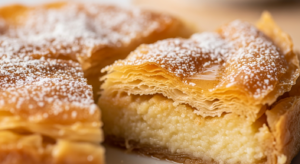


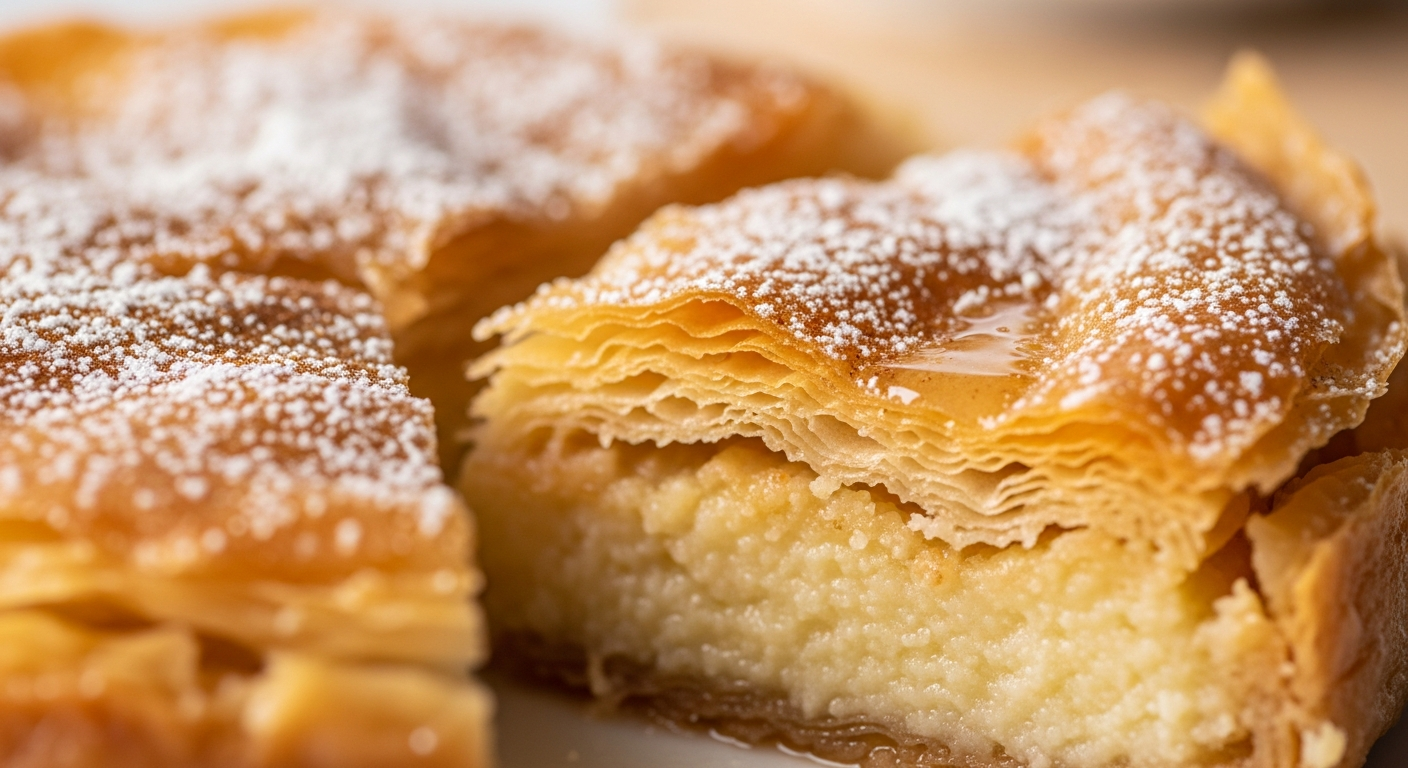
In the vibrant tapestry of Greek cuisine, few desserts shine as brightly as galaktoboureko-a golden, custard-filled treasure that has delighted palates for generations. This luscious custard pie, encased in layers of flaky phyllo adn soaked in fragrant syrup, is more than just a sweet treat; it is a cultural emblem steeped in history and tradition. In uncovering galaktoboureko, we embark on a flavorful journey into the heart of Greece, exploring the origins, techniques, and timeless appeal of this beloved dessert that continues to captivate food lovers around the world.
Galaktoboureko is more than just a dessert; it embodies the rich culinary heritage and heartwarming traditions of Greece. This beloved custard pie, wrapped in delicate phyllo pastry and soaked in fragrant syrup, invites you to savor centuries of Mediterranean flavor and artistry.
Its roots trace back to Constantinople and the eastern Mediterranean,where custard-filled pastries became a symbol of celebration and family gatherings-a sweet finale to festive feasts and everyday moments alike. Through this recipe, you’ll unlock the secrets behind its creamy, luscious filling and the golden, crisp phyllo layers that make Galaktoboureko unforgettable.
Prep and Cook Time
- Readiness: 30 minutes
- Cooking: 45 minutes
- Cooling & Soaking: 2 hours (ideal for syrup absorption)
Yield
Serves 8 generous portions
Difficulty Level
Medium – Perfect for bakers eager to master phyllo artistry and custard finesse
Ingredients
- 12 sheets phyllo dough, thawed and kept covered to prevent drying
- 1 cup unsalted butter, melted (for brushing the phyllo)
- 1 quart (4 cups) whole milk
- 1 cup fine semolina flour
- 1½ cups granulated sugar
- 4 large eggs
- 1 tsp pure vanilla extract
- 1 tbsp lemon zest (optional, for brightness)
- 1 cup water (for syrup)
- 1 cup granulated sugar (for syrup)
- 1 tbsp fresh lemon juice (for syrup)
- 1 cinnamon stick (for syrup)
Instructions
- Prepare the syrup: In a saucepan, combine 1 cup water, 1 cup sugar, lemon juice, and cinnamon stick. Bring to a boil, than reduce to a simmer for 10 minutes until slightly thickened. Remove the cinnamon stick and let cool entirely.
- Heat the milk: In a large saucepan, warm the milk over medium heat just until steaming-avoid boiling.
- Create the custard base: In a mixing bowl, whisk together semolina, sugar, eggs, and vanilla extract until smooth.
- Temper and thicken the custard: Slowly pour the warm milk into the semolina mixture, whisking constantly to prevent lumps.Return this to the saucepan, cooking over medium-low heat.
- Cook until thickened: Stir continuously until the mixture thickens to a creamy, pudding-like consistency-about 8-10 minutes. Remove from heat and stir in lemon zest for nuance.
- Preheat oven to 350°F (175°C).
- Layer the phyllo: Generously butter a 9×13-inch baking dish. Place one sheet of phyllo in the dish and brush lightly with melted butter. Repeat with six layers, brushing each layer thoroughly.
- Spread the custard: Pour the warm custard evenly over the layered phyllo.
- Top layers: Continue layering the remaining phyllo sheets over the custard,again brushing each with butter to ensure golden crispness.
- Score the pie: Using a sharp knife, gently score the top layers into squares to make serving easier after baking.
- Bake: Place the dish in the oven and bake for 40-45 minutes or until the phyllo turns a rich golden brown.
- Syrup soak: Immediately after removing from oven, pour the cooled syrup evenly over the hot pie, allowing it to soak thoroughly.
- Cool and serve: Let Galaktoboureko cool for at least 2 hours (room temperature or refrigerated) before serving-the custard sets, and flavors meld beautifully.
Chef’s Notes: Tips for Success
- Phyllo handling: Keep phyllo sheets covered with a damp kitchen towel or plastic wrap to prevent drying and tearing.
- Temper eggs carefully: When mixing eggs into warm milk, pour slowly and whisk continuously to avoid scrambling.
- Syrup temperature: Always pour cooled syrup over hot pie to ensure maximum absorption without sogginess.
- Make-ahead options: This dessert can be assembled a day in advance and refrigerated; bake fresh before serving for crispest texture.
- Variations: For a subtle twist, add a splash of rosewater or orange blossom water into the syrup for delicate floral notes.
Serving Suggestions
Present Galaktoboureko in generous squares, dusted with a sprinkle of ground cinnamon or powdered sugar for extra charm. Pair it with a small scoop of creamy Greek yogurt or artisanal honey to balance its sweetness. A delicate garnish of fresh mint leaves or edible flowers adds a fresh, inviting contrast. For the ultimate greek experiance, serve alongside a cup of strong Greek coffee.
| Nutrient | Per Serving |
|---|---|
| Calories | 380 kcal |
| protein | 7 g |
| Carbohydrates | 50 g |
| Fat | 15 g |
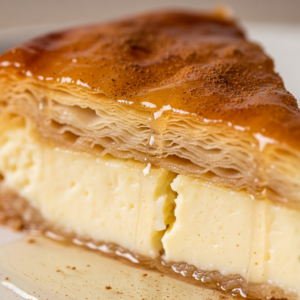
For more tasty Greek desserts,explore our Greek Desserts Recipe Collection to continue your culinary journey.
Q&A
Q&A: Galaktoboureko Uncovered: The Sweet Heart of Greek Custard Pie
Q1: What exactly is Galaktoboureko?
A1: Galaktoboureko is a luscious Greek dessert that combines the crisp, flaky layers of phyllo pastry with a rich, creamy semolina-based custard, all soaked in a fragrant citrus-infused syrup. It’s a harmonious blend of textures and flavors that has captured hearts across Greece and beyond.
Q2: How did Galaktoboureko get its name?
A2: The name “Galaktoboureko” comes from two Greek words: “galakto” meaning milk, and “boureko,” a type of pie made with phyllo. together, they describe this delightful “milk pie” that’s celebrated for its milky, velvety custard wrapped in delicate pastry.
Q3: What sets Galaktoboureko apart from othre custard desserts?
A3: Unlike custards served on their own or baked in simple dishes, Galaktoboureko’s signature is its symphony of textures-the crispness of the golden phyllo contrasts with luscious custard, while the syrup adds a sweet, slightly tangy finish.It’s both comforting and refreshingly vibrant.
Q4: What ingredients are essential to making an authentic Galaktoboureko?
A4: The heart of Galaktoboureko lies in its few but crucial ingredients: fine semolina for the custard’s smooth body, fresh milk to create creaminess, eggs to bind and enrich, and phyllo dough for that signature flaky crunch. The syrup is traditionally flavored with lemon peel and a cinnamon stick, ensuring a delicate citrus-spice balance.
Q5: Why is the syrup so important in Galaktoboureko?
A5: The syrup is the final brushstroke that transforms the humble custard pie into a glistening masterpiece. Poured over the pie while hot, it seeps into every layer, adding moistness, sweetness, and a subtle aromatic depth. The citrus and cinnamon notes in the syrup also cut through the creaminess, offering a tantalizing balance.
Q6: Are there regional variations of Galaktoboureko throughout Greece?
A6: Absolutely! While the core elements remain, different regions sometimes play with texture-from using softer phyllo layers to experimenting with syrup flavors, such as adding orange zest or a hint of vanilla. Some coastal areas even incorporate local honey or sprinkle pistachios for an added crunch and aroma.
Q7: Can Galaktoboureko be made ahead of time?
A7: Yes, one of Galaktoboureko’s charms is that it can be prepared in advance. After baking and soaking it with syrup, it’s best to let the pie rest so the flavors meld and the syrup fully infuses the layers.Served slightly chilled or at room temperature, it tastes divine and can be an excellent make-ahead dessert for celebrations.
Q8: How is Galaktoboureko traditionally served?
A8: Traditionally, Galaktoboureko is sliced into diamonds or squares and served as a sweet finale to Greek meals, often with a cup of strong Greek coffee or herbal tea. Its comforting texture and delightful sweetness make it a perfect companion for moments of leisurely conversation.
Q9: Is Galaktoboureko suitable for special dietary needs?
A9: While conventional Galaktoboureko is rich in dairy and eggs, making it unsuitable for vegan or dairy-free diets, creative adaptations exist-for example, using plant-based milks and egg substitutes, though these may alter the texture.For those with gluten sensitivity, specialty gluten-free phyllo may be used, though the flaky layers can be challenging to replicate perfectly.
Q10: Why has Galaktoboureko remained such an enduring favorite in Greek culture?
A10: Galaktoboureko embodies more than just a recipe-it’s a bridge between generations, bringing families together over shared traditions. Its balance of simplicity and indulgence, the artistry of layering crisp pastry with velvety custard, and the ritual of pouring syrup all contribute to its timeless appeal as a symbol of Greek hospitality and joy.
The Way Forward
As we close the pastry-lined pages of galaktoboureko’s story, one thing becomes clear: this golden, syrup-soaked custard pie is more than just a dessert-it’s a luscious thread woven into the fabric of Greek culture and tradition. From its delicate layers of flaky phyllo to the creamy, fragrant semolina custard at its core, galaktoboureko invites us to savor not onyl its rich flavors but also the centuries of history and heartfelt rituals baked within each slice. So next time you bite into this sweet heart of Greece, remember-you’re tasting a timeless tale of culinary artistry, passion, and heritage that continues to delight palates around the world.