




Cottage cheese, with its creamy texture and mild flavor, has long been a favorite in kitchens around the world-whether dolloped on a salad, stirred into a smoothie, or enjoyed straight from the tub. But what happens when you’ve stocked up a little to enthusiastically or want to make the most of a great sale? Freezing cottage cheese might sound unconventional, but it’s a practical solution that can save both money and waste.
In this article, we’ll dive into the art and science of freezing cottage cheese: uncovering the best methods to preserve its taste and texture, sharing clever tricks to avoid common pitfalls, and setting realistic expectations for what happens once you thaw that creamy delight. whether you’re a seasoned freezer fanatic or a curious kitchen experimenter, get ready to unlock the freezer’s potential with cottage cheese!
Freezing cottage cheese can be a game-changer when managing leftovers or buying in bulk, but freezing cottage cheese also comes with texture and flavor changes worth understanding before you start. As a creamy dairy staple, cottage cheese’s delicate curds and mild tang are prone to shifts after freezing that might surprise even seasoned cooks. Though, with some insider tips and thoughtful preparation, you can make the most of thawed cottage cheese, turning it into versatile, delightful dishes rather of letting it go to waste.
Prep and Cook Time
- preparation: 10 minutes
- Freezing Time: Minimum 4 hours (preferably overnight)
- Thawing Time: 8-12 hours in the refrigerator
- Total Time: Approximately 20 hours (including freezing and thawing)
Yield
Serves 4 as a component in recipes or standalone snack
Difficulty Level
Easy
Ingredients
- 2 cups small-curd cottage cheese, well-drained
- 1 teaspoon lemon juice or white vinegar (optional, to brighten flavor)
- Salt, to taste
- Fresh herbs such as chives, dill, or parsley (optional for garnish)
- Additional mix-ins: freshly ground black pepper, crushed garlic, or a splash of olive oil (optional)
Understanding How Freezing Affects Cottage Cheese Texture and Flavor
When freezing cottage cheese, the water content inside the curds expands during the freezing process, causing the delicate structure to become somewhat crumbly or grainy upon thawing. The creamy, smooth mouthfeel you love may transform into a drier, slightly curdled consistency.
Flavor-wise, freezing tends to mute the fresh tang that characterizes high-quality cottage cheese, sometimes leaving it with a bland or slightly off taste if not handled properly. this is due primarily to moisture separation and slight protein breakdown during freezing. Yet, thawed cottage cheese remains absolutely safe to eat and can still be tasty when creatively incorporated into dishes that benefit from its tang and protein-rich profile.
Best Practices for Preparing Cottage Cheese Before Freezing
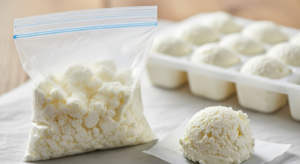
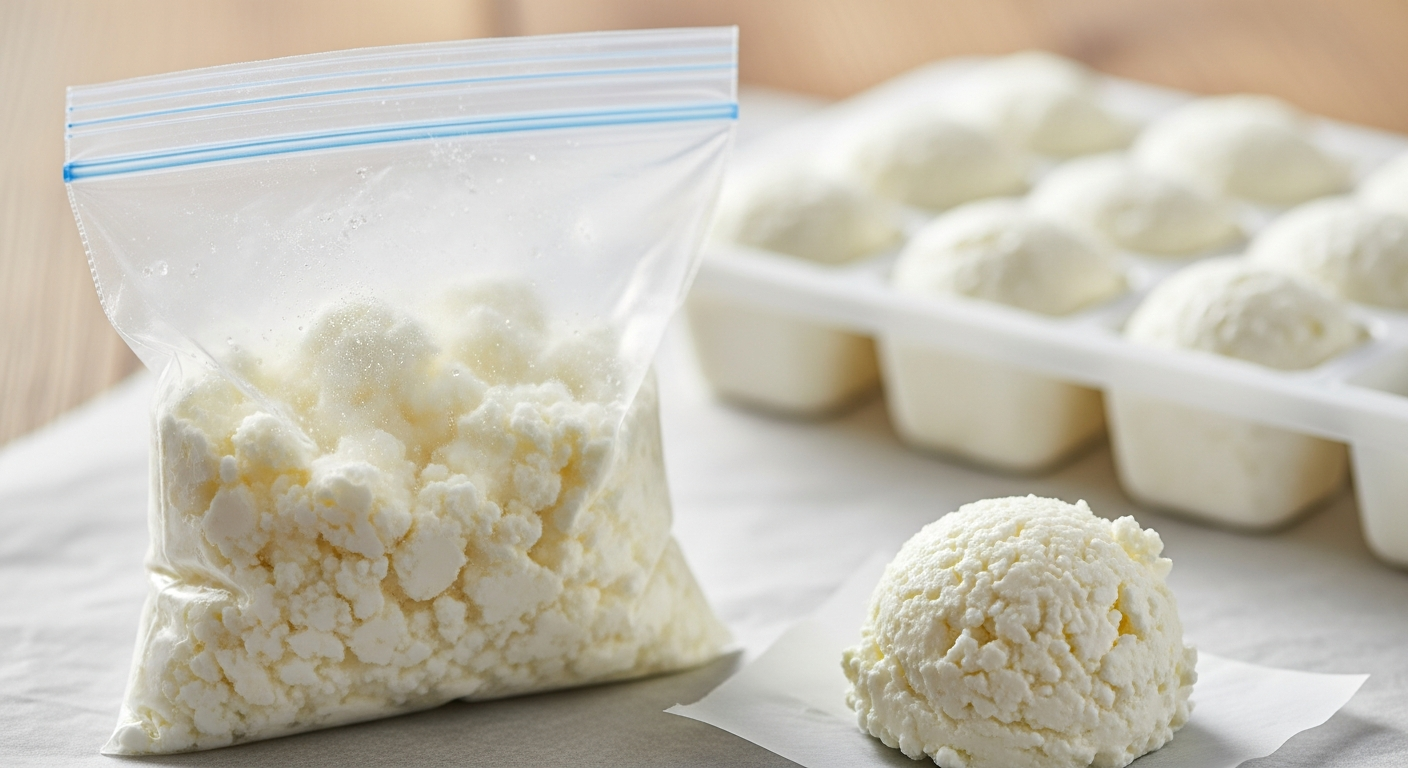
For best results, transfer cottage cheese into an airtight freezer-safe container or heavy-duty resealable bag, removing as much air as possible to prevent freezer burn. Consider draining any excess whey before freezing to reduce icy crystals and help maintain a better texture. Adding a small amount of acid, like lemon juice or vinegar, before freezing can help preserve flavor brightness. Label your container with the freezing date, as cottage cheese is best consumed within 2 months of freezing for optimal taste. When it’s time to use,thaw cottage cheese gently overnight in the fridge rather than using fast-thaw methods to prevent further texture degradation.
Creative Ways to Use Thawed Cottage Cheese in Recipes
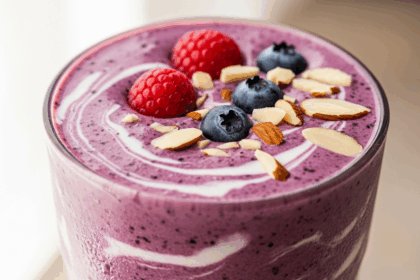
Don’t let the changed texture fool you-thawed cottage cheese lends itself beautifully to a variety of recipes where it can shine without showing its pervious “graininess.” Try blending it into creamy dips and spreads, incorporating it into pancakes or waffles for added moisture and protein, or mixing it into smoothies where texture is masked by fruits and yogurt.
It works especially well baked into casseroles and pasta dishes, where the heat and combined ingredients revive a pleasant softness.A savory cottage cheese and herb scramble, or folding it into mashed potatoes for extra creaminess, are also excellent ways to give thawed cottage cheese new life. Adding fresh herbs or zest can elevate the flavor and distract from any textural changes, turning leftovers into highlight-worthy meals.
Common Mistakes to Avoid When Freezing and Thawing Cottage Cheese
One common mistake is freezing cottage cheese in its original packaging, which typically isn’t designed for long-term freezer storage, leading to freezer burn or off-flavors. Avoid thawing at room temperature to prevent bacterial growth and preserve flavor integrity. Another pitfall includes neglecting to drain excess liquid before freezing, which can increase ice crystal formation and toughen curds. Don’t expect thawed cottage cheese to replicate fresh texture-embracing its new consistency and working around it in recipes will yield the best results.Lastly, refreezing thawed cottage cheese is discouraged, as repeated freeze-thaw cycles drastically compromise quality and safety.
Thawed Cottage cheese herb Spread
Hear’s a simple recipe that showcases how flavorful and versatile thawed cottage cheese can be after freezing. This herb spread is perfect on toast, crackers, or as a dollop on roasted veggies.
Ingredients
- 1 cup thawed cottage cheese,drained well
- 2 tablespoons finely chopped fresh chives
- 1 tablespoon fresh lemon juice
- 1 clove garlic,minced
- Salt and pepper to taste
- 1 teaspoon extra-virgin olive oil (optional)
Instructions
- Drain any excess liquid from your thawed cottage cheese using a fine mesh strainer or cheesecloth for about 10 minutes.
- In a mixing bowl,combine the cottage cheese,chopped chives,lemon juice,and garlic until creamy but still slightly textured. Use a fork or blender for desired smoothness.
- Season with salt and freshly ground black pepper to taste. Stir in olive oil for extra richness, if desired.
- Chill in the fridge for 15-30 minutes to let flavors meld beautifully before serving.
- Serve spread on toasted baguette slices or alongside fresh-cut veggies as a vibrant appetizer or light snack.
Chef’s Notes
- Substitute fresh herbs like dill, basil, or parsley depending on your preference or seasonal availability.
- If texture bothers you, blend thawed cottage cheese with a splash of milk or plant-based milk for creamier results.
- Use this spread as a base for layering with roasted red peppers or sun-dried tomatoes for added depth.
- Make ahead and refrigerate for up to 3 days-flavors intensify over time!
Serving Suggestions
This herb spread pairs wonderfully with crunchy crackers, sliced cucumbers, or warm toasted bread brushed with olive oil.Garnish with a sprinkle of additional fresh chives or cracked black pepper, and a drizzle of honey for a gently sweet finish.For heartier fare, use it as a creamy filling for savory crepes or dollop on baked potatoes.
| nutritional Info (per 1/4 cup) | Calories | Protein | Carbs | Fat |
|---|---|---|---|---|
| Thawed Cottage Cheese Herb spread | 90 | 11g | 2g | 3g |
For more inspiration on making the most of dairy products, check out our guide on using leftover sour cream creatively. To dive deeper into dairy science and freezing techniques, the Purdue University Freezing Guide offers highly reliable information.
Q&A
Freezing Cottage Cheese: Tips, tricks, and What to Expect
Q&A Edition
Q1: Can I freeze cottage cheese without ruining its texture?
A: Yes, you can freeze cottage cheese, but be prepared for some changes. After freezing and thawing, its texture often becomes a bit grainy or watery due to the separation of curds and whey. Stirring well after thawing can help recombine the parts, making it more palatable for cooking or baking.
Q2: What’s the best way to freeze cottage cheese?
A: for best results,transfer the cottage cheese into an airtight container or a heavy-duty freezer bag. Remove as much air as possible to prevent freezer burn. Portioning into smaller amounts before freezing also saves you time and prevents repeated thawing and refreezing.
Q3: How long does frozen cottage cheese last?
A: Cottage cheese can keep well in the freezer for up to 3 months. Beyond that, quality deteriorates, and the texture and flavor might not be as enjoyable. Always label containers with the freezing date to stay organized.
Q4: Does freezing affect the flavor of cottage cheese?
A: Freezing might slightly mellow the flavor, but cottage cheese tends to hold its mild, tangy taste well.The biggest change is in texture rather than flavor, so it’s still delicious in recipes after thawing.
Q5: How should I thaw frozen cottage cheese?
A: The safest method is to thaw it slowly in the refrigerator overnight. Avoid thawing at room temperature to reduce the risk of bacterial growth. After thawing, give it a good stir to help restore some creaminess.
Q6: Can I eat frozen and thawed cottage cheese straight from the fridge?
A: Yes, you can, but you might notice it has a more crumbly or watery consistency. If you don’t mind the textural changes, it’s perfectly safe to eat. Otherwise, it’s fantastic for cooking, blending into smoothies, or mixing into baked goods where texture is less noticeable.
Q7: What are the best culinary uses for thawed cottage cheese?
A: Thawed cottage cheese works beautifully in cooked dishes like casseroles, lasagnas, pancakes, and even mashed into creamy dips. It also blends well into smoothies, giving them a protein boost without altering flavor much.
Q8: Should I freeze cottage cheese that is already opened?
A: Absolutely! If you see that your cottage cheese might go bad before you use it all, freezing after opening is a great way to extend its life. Just make sure it’s still fresh and hasn’t developed any off smells or mold.
Q9: Is there a difference between freezing full-fat and low-fat cottage cheese?
A: Yes, low-fat cottage cheese tends to freeze and thaw with less textural change than full-fat varieties. fat content can influence how the curds separate and how creamy it feels after thawing.
Q10: Any fast hacks to improve texture after thawing?
A: Try stirring in a little fresh cream or yogurt to soften the texture and add creaminess. Alternatively, blending the thawed cottage cheese can create a smooth consistency perfect for spreads and dips.
Freezing cottage cheese is more than just a preservation method-it’s an chance to explore creative ways to enjoy this versatile dairy staple beyond its usual fresh-from-the-fridge glory. Embrace the quirks, and happy freezing!
Wrapping Up
Freezing cottage cheese might seem like venturing into uncharted territory, but with the right tips and a bit of know-how, it can be a game-changer for your kitchen routine. Whether you’re aiming to reduce food waste, extend your dairy stash, or simply enjoy this versatile ingredient whenever inspiration strikes, freezing cottage cheese offers a practical solution-just keep in mind the texture changes and plan your recipes accordingly. So go ahead, embrace the freeze, and let this humble dairy delight prove that with a little patience and creativity, even the most delicate foods can find new life from freezer to fork.