




Cottage cheese is a creamy, protein-packed favorite in many kitchens, beloved for its versatility and mild flavor.But what do you do when you find yourself with a surplus that won’t be finished before its expiration date? Freezing cottage cheese might not be the first solution that comes to mind, yet with the right techniques, it can be a game-changer for reducing waste and extending shelf life. In this article, we’ll dive into the art and science of freezing cottage cheese-sharing practical tips to preserve its freshness and flavor so you can enjoy this dairy delight even weeks later. Whether you’re meal prepping, stocking up, or simply looking to make your groceries last longer, read on to unlock the secrets to freezing cottage cheese the right way.
Freezing cottage cheese can seem daunting due to its delicate texture and fresh flavor, but with the right techniques, you can keep it tasting just as delightful after thawing. As someone who’s spent years styling and creating irresistible dairy dishes, I know the secret lies in choosing the perfect cottage cheese and mastering the freeze-thaw process to preserve its creamy charm.
Prep and Cook Time
- Prep Time: 10 minutes
- Freeze Time: Minimum 4 hours (preferably overnight)
- Thaw Time: 12-24 hours in the refrigerator
Yield
Approximately 1 cup frozen and thawed cottage cheese
Difficulty level
Easy
Ingredients
- 1 cup full-fat cottage cheese (small curds preferred for better freezing)
- 1 teaspoon lemon juice or white vinegar (optional, helps maintain texture)
- 1/4 teaspoon salt (optional, enhances flavor post-freezing)
Instructions
- Select the right cottage cheese: Opt for a fresh, full-fat variety with small or medium curds; avoid low-fat or pre-flavored types for optimal freezing success and texture retention.
- Drain excess liquid: Pour cottage cheese into a fine-mesh sieve and let it rest for 5 minutes to remove excess whey, preventing watery textures after thawing.
- Enhance texture (optional): Gently stir in lemon juice or white vinegar and salt to slightly firm up curds and maintain creaminess after freezing.
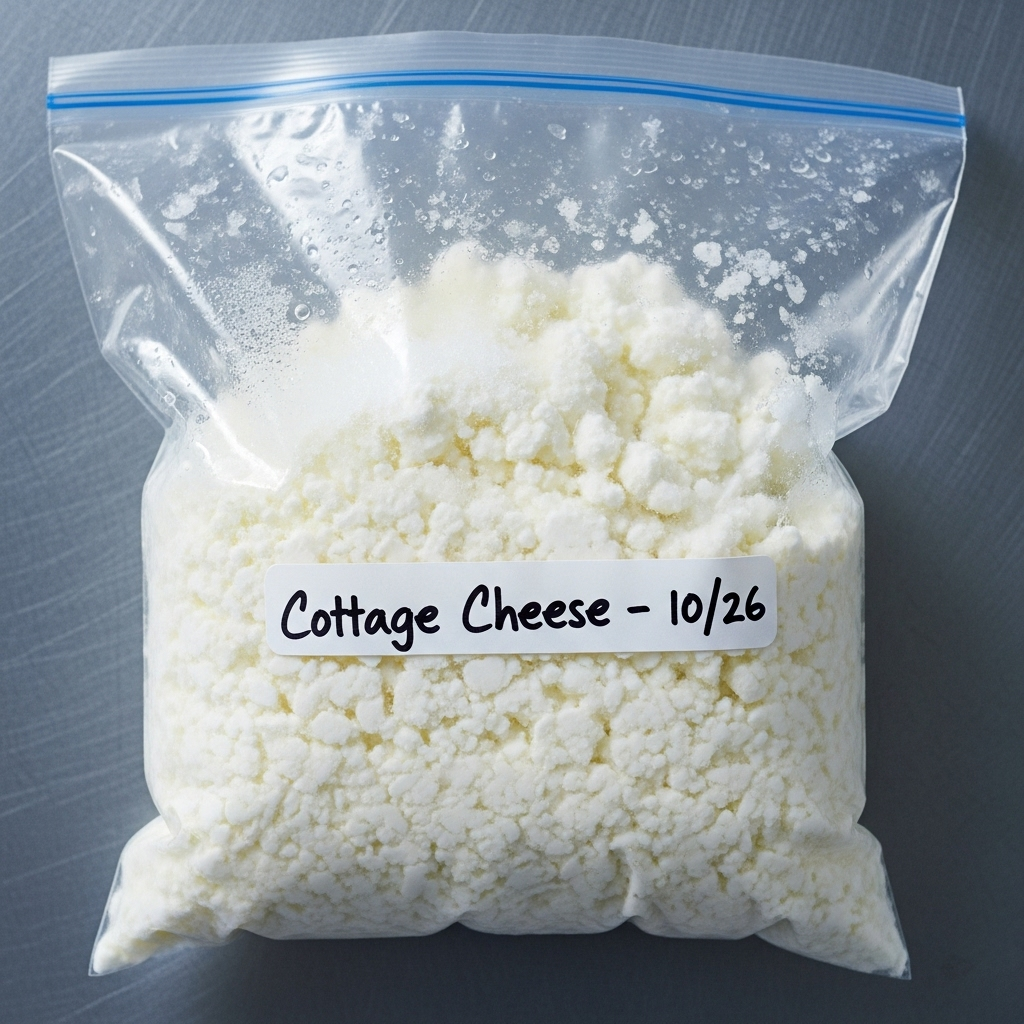
- Portion and pack: Transfer cottage cheese into airtight, freezer-safe containers or resealable bags. Press out as much air as possible to prevent ice crystals.
- Label and freeze: Mark containers with the date and freeze on a flat surface to ensure even freezing.
Chef’s Notes
- Small vs.large curds: Small curds freeze more uniformly, reducing clumping and separation after thawing.
- Full-fat preference: Fat content helps maintain softness; low-fat versions tend to become crumbly.
- Whisk before use: After thawing, gently whisk cottage cheese to reincorporate any separated whey and restore silky consistency.
- Use within 2 months: For best flavor and texture, consume frozen cottage cheese within 8 weeks of freezing.
Serving Suggestions
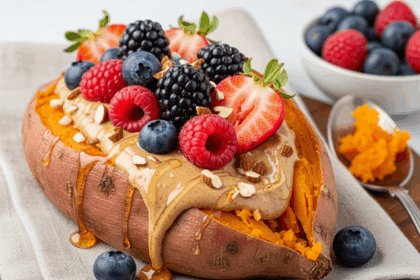
Thawed cottage cheese shines in both sweet and savory dishes. Spread it on warm toast with a drizzle of honey and fresh berries for a speedy breakfast. Or fold it into scrambled eggs or pasta fillings for a creamy burst of flavor. Garnish with chopped chives,fresh cracked pepper,or a sprinkle of smoked paprika to elevate simple dishes. For visual appeal, serve in clear glass bowls highlighting the creamy curds paired with vibrant garnishes.
| Nutrient | Per 1 cup (210g) |
|---|---|
| Calories | 206 |
| Protein | 28g |
| Carbohydrates | 6g |
| fat | 10g |
Choosing the Right Cottage Cheese for Freezing Success
Begin with a brand that boasts fresh, creamy cottage cheese without additives like stabilizers or fruit chunks. Full-fat options maintain texture better during freezing. Small-curd cottage cheese reduces clumping and separation, key to enjoying smooth results after thawing.
Preparing Cottage Cheese Properly Before Freezing
Remove any extra whey by draining for a few minutes. This simple step prevents excessive liquidiness later. A gentle stir-in of lemon juice helps curds firm up subtly, counteracting texture changes during freezing. Salt added at this stage can revive flavor that may dull after thawing.
Storage Techniques to Preserve Texture and Flavor
Airtight packaging is essential to prevent freezer burn and ice crystal formation, which degrade both texture and flavor. Use rigid containers or vacuum-sealed bags for best results. Label with the freezing date, and ensure the cottage cheese freezes quickly on a flat surface to maintain its structure.
Thawing Tips to Enjoy Cottage Cheese at Its Best
patience is your ally. Thaw cottage cheese slowly in the refrigerator for 12-24 hours to reduce moisture separation. Before serving, gently stir or whisk it to recombine separated whey and curds, restoring smoothness and the fresh taste you love.
For more insights on dairy freezing techniques, check out our thorough guide to freezing dairy products.Additionally, for scientific details on freezing impact on dairy, visit Iowa State University Extension.

Q&A
Q&A: Freezing Cottage Cheese – Tips to Keep It Fresh and Tasty
Q1: Can you freeze cottage cheese without ruining its texture?
A1: Yes! Cottage cheese can be frozen, but because of its high moisture content, freezing may cause the curds to become a bit watery and crumbly once thawed. Though, with the right techniques, you can minimize texture changes and still enjoy it in cooking or baking.
Q2: What’s the best way to freeze cottage cheese?
A2: For best results, transfer cottage cheese into an airtight container or heavy-duty freezer bag. Press out as much air as possible before sealing to prevent freezer burn. Portioning it into smaller servings before freezing helps thaw only what you need.
Q3: Should I freeze cottage cheese plain, or mix it with something first?
A3: Freezing it plain is fine, but some people mix in a little cream or milk to help retain creaminess after thawing. Stir gently before freezing to keep the texture uniform.
Q4: How long can cottage cheese be frozen while maintaining good quality?
A4: Cottage cheese stays best within 1 to 2 months in the freezer. Beyond that, quality and taste may decline noticeably, though it will generally remain safe to eat for up to 3 months.
Q5: What’s the right way to thaw frozen cottage cheese?
A5: Thaw it slowly overnight in the refrigerator. Avoid microwaving or leaving it out at room temperature to prevent uneven thawing and bacterial growth. Once thawed, stir thoroughly to redistribute liquids and improve texture.
Q6: Can I use thawed cottage cheese for all the same recipes?
A6: Thawed cottage cheese is perfect for cooked dishes like casseroles, lasagnas, pancakes, and baked goods, where texture isn’t as critical. For fresh salads or as a topping, it might feel a bit watery and less appealing.
Q7: Any creative tips for using frozen and thawed cottage cheese?
A7: Absolutely! Blend thawed cottage cheese into smoothies for extra protein, mix into scrambled eggs for creaminess, or use it as a base for creamy dips and spreads.Adding herbs or spices can mask any slight texture changes.
Q8: Can freezing enhance the shelf life of cottage cheese?
A8: Definately! Freezing extends cottage cheese’s usability beyond the fridge’s 1-week window, giving you several more weeks to enjoy it without waste.Q9: Are ther any cottage cheese varieties that freeze better than others?
A9: Full-fat and smaller-curd varieties tend to freeze better than low-fat or large-curd versions, since fat content helps maintain creaminess and smaller curds withstand freezing more gracefully.
Q10: Is it worth freezing cottage cheese,or better to just buy fresh?
A10: If you buy in bulk or have leftovers,freezing cottage cheese is a smart way to cut down on waste and save money. Just adjust your expectations on texture and plan to use it in cooked or blended dishes after freezing.
Wrapping Up
Freezing cottage cheese might seem like uncharted territory, but with the right techniques, you can preserve its creamy goodness without sacrificing flavor or texture. Whether you’re stocking up for future meals or aiming to reduce waste, these freezing tips empower you to enjoy this versatile dairy delight whenever you please. So go ahead, pack that container, seal it tight, and let your cottage cheese take a chill-your taste buds will thank you when it’s thawed to perfection!