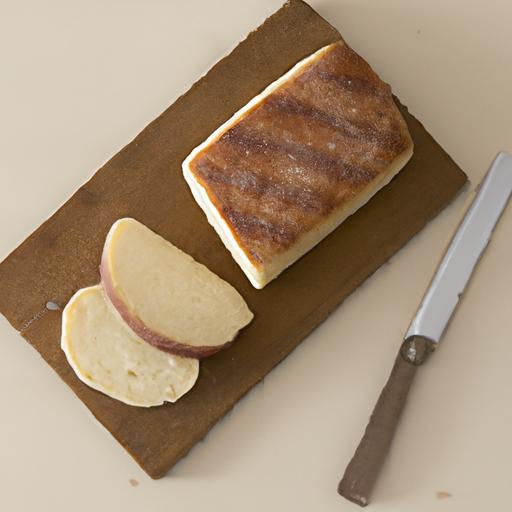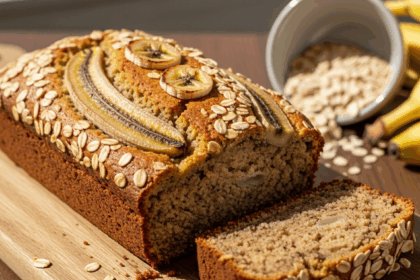





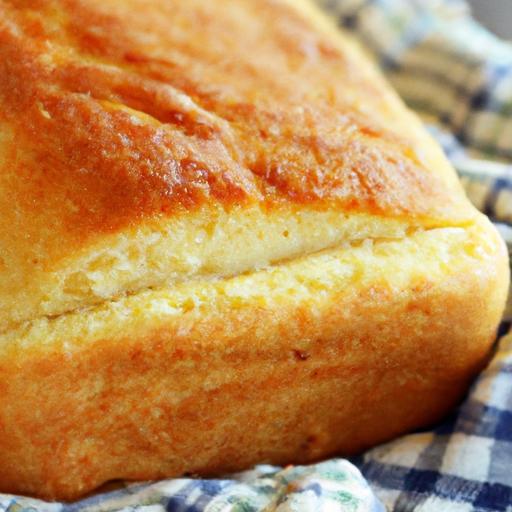
There’s something undeniably comforting about the aroma of freshly baked bread-warm, inviting, and full of promise. Now, imagine that beloved staple elevated to a whole new level of fluffiness and flavour, thanks to an unexpected hero: cottage cheese. Welcome to the world of “Fluffy & Fresh: Your Ultimate Cottage Cheese Bread Recipe,” where creamy dairy meets golden crust in perfect harmony. In this article, we’ll uncover how adding cottage cheese transforms ordinary bread into a tender, moist masterpiece that’s as nutritious as it is delicious. Whether you’re a seasoned baker or a curious kitchen adventurer, get ready to embrace a recipe that’s simple, satisfying, and destined to become your new baking favorite.
Fluffy & Fresh Cottage Cheese Bread Recipe invites you to experience an extraordinary twist on homemade bread baking that results in a loaf bursting with tenderness and subtle tang.This delightful bread melds the rich creaminess of cottage cheese into the dough, producing crumb that’s irresistibly soft yet structured, perfect for everything from hearty breakfast to gourmet sandwiches.
Originating as a comforting staple in many Eastern European kitchens, cottage cheese bread balances tradition with modern baking techniques. My own journey with this recipe began on a chilly morning, craving something warm and wholesome-this bread elevated every bite, creating a memorable sensory experience I’m excited to share with you.
Prep and Cook Time
- Preparation: 15 minutes
- Rising Time: 1 hour 30 minutes
- Baking: 35 minutes
- Total Time: 2 hours 20 minutes
Yield
Yields one 9×5-inch loaf, serving 8 slices
Difficulty Level
Easy to Medium – perfect for beginner bakers ready to elevate their skills
Ingredients
- 3 cups all-purpose flour, plus extra for dusting
- 1 cup full-fat cottage cheese, well-drained
- ¼ cup whole milk, warm (about 110°F)
- 2 tbsp unsalted butter, softened
- 2 tbsp honey or pure maple syrup
- 1 packet (2 ¼ tsp) active dry yeast
- 1 tsp fine sea salt
- 1 large egg, at room temperature
Instructions
- Activate the yeast: In a small bowl, combine warm milk, honey, and yeast. Stir gently and let sit for 5-7 minutes until frothy and bubbling, signaling active yeast.
- Mix dry ingredients: In a large mixing bowl, whisk together the all-purpose flour and salt evenly.
- Incorporate wet ingredients: Add cottage cheese, softened butter, and egg to the dry mixture. Then pour in the activated yeast mixture.
- Combine dough: Use a sturdy wooden spoon or dough hook to mix until a sticky dough forms. If too wet, add flour a teaspoon at a time; if too dry, drizzle warm milk sparingly.
- Knead gently: Transfer dough onto a floured surface. Knead for about 8 minutes until smooth and elastic, absorbing the cottage cheese moisture beautifully without stickiness.
- Frist rise: Lightly oil a large bowl and place dough inside, turning once to coat. Cover with a damp towel or plastic wrap and leave in a warm, draft-free area.Let it rise for 1 hour or until doubled in size.
- Shape the loaf: Punch down the dough gently to release air. Form into a tight loaf and place into a greased 9×5-inch loaf pan.
- Second rise: Cover loosely and let dough rise until it reaches the top edge of the pan, about 30-40 minutes.
- Bake to perfection: Preheat your oven to 375°F (190°C). Bake the loaf for 30-35 minutes, or until golden brown and the internal temperature reads around 190°F.
- cool properly: Remove from oven and let the bread rest in the pan for 10 minutes before transferring to a wire rack to cool completely. This prevents sogginess and maintains crumb fluffiness.
Tips and Tricks to Elevate Your Homemade Bread Experience
- Drain Your Cottage Cheese Well: Excess moisture can disrupt the dough consistency. Use a fine sieve or cheesecloth to remove whey for a perfect texture.
- Warm Habitat for Rising: For best yeast activity, place your dough in a closed oven with just the light on or near a warm appliance.
- don’t Rush the Rise: Patience yields a tender crumb and rich flavor-avoid shortcuts like excessive heat or rushing steps.
- Try Whole Wheat or Spelt: Swap 1 cup of all-purpose flour with whole wheat or spelt for a nuttier flavor and added nutrition without sacrificing softness.
- Make-ahead Freezing: bake and cool completely, then slice and freeze. Toast slices directly from the freezer for fresh flavor anytime.
- Add Seeds or Herbs: Mix scallions, rosemary, or sunflower seeds into the dough for a savory spin.
Serving Suggestions
This cottage cheese bread shines best sliced thick and served warm. Try it slathered with a pat of creamy butter and a drizzle of local honey for breakfast. It also pairs beautifully with fresh tomato slices,basil,and a sprinkle of flaky sea salt. For a hearty snack, top with smashed avocado and a pinch of chili flakes. Garnish with fresh herbs like thyme or parsley to brighten the presentation and aroma.

| Nutrition (per slice) | Amount |
|---|---|
| Calories | 180 kcal |
| Protein | 7 g |
| Carbohydrates | 28 g |
| fat | 4 g |
Ready to explore more creative breads? Check out our Artisanal No-Knead Bread recipe for additional inspiration.For a deep dive into the science behind yeast and rising, visit the authoritative King Arthur Baking Guide.
Q&A
Q&A: Fluffy & Fresh – Your Ultimate Cottage Cheese Bread Recipe
Q1: What makes cottage cheese bread different from regular bread?
A1: Cottage cheese bread is a delightful twist on classic bread that incorporates creamy cottage cheese into the dough. This addition not only boosts moisture but also lends a subtle tang and tender crumb, resulting in a loaf that’s fluffier, fresher, and irresistibly soft without the heaviness often found in traditional bread.
Q2: Can I use any type of cottage cheese for this recipe?
A2: While you can experiment with various types, using full-fat, small-curd cottage cheese is ideal. It offers just the right texture and richness to infuse the bread with moisture and flavor. Low-fat versions might make the bread slightly drier, so consider blending in a tiny bit of milk or yogurt if you choose lighter cottage cheese.
Q3: How does the addition of cottage cheese effect the rise and texture of the bread?
A3: Cottage cheese adds both moisture and protein, which tenderize the dough and enhance its structure. The moisture helps keep the crumb soft and fresh longer, while the proteins improve gluten development, giving you a bread with an airy, fluffy texture that’s perfect for sandwiches or toast.
Q4: Is this recipe suitable for beginners in bread baking?
A4: Absolutely! This cottage cheese bread recipe is forgiving and straightforward.The creamy cottage cheese acts as a natural tenderizer, making the dough more manageable and less prone to drying out. Plus, it doesn’t require any tricky techniques-just a bit of kneading, proofing, and baking.
Q5: Can I substitute the all-purpose flour with whole wheat or other flours?
A5: You can certainly experiment with whole wheat or spelt flour for a heartier loaf. Just be mindful that whole grain flours absorb more moisture, so you might need to adjust the liquid amounts slightly or add an extra dollop of cottage cheese to maintain softness. The bread may turn out denser, but it will have a rich, nutty flavor.
Q6: How shoudl I store cottage cheese bread to keep it fresh?
A6: Thanks to the moisture from the cottage cheese, this bread stays fresh longer than your average loaf. Store it in an airtight container or tightly wrapped in plastic wrap at room temperature for up to 3 days. For longer storage, slice and freeze it-the bread will thaw with its fluffy texture intact.
Q7: What are some creative ways to enjoy this fluffy cottage cheese bread?
A7: this bread is incredibly versatile! Spread with creamy avocado and a sprinkle of chili flakes, layer it with fresh tomato and basil for a light lunch, or savor it toasted with a drizzle of honey and nut butter for an indulgent breakfast. Its soft texture also makes it ideal for dipping into soups or stews.
Q8: Can cottage cheese bread be made dairy-free or vegan?
A8: Cottage cheese is a key ingredient for the signature texture and flavor, so a true dairy-free or vegan version would require alternative ingredients, like plant-based “cottage cheese” made from nuts or tofu. However, substituting these may affect the bread’s fluffiness and moisture, so it’s best to experiment with small batches and adjust liquids accordingly.
Q9: Why should I try adding herbs or spices to my cottage cheese bread?
A9: Infusing your dough with herbs like rosemary, thyme, or chives-or spices like garlic powder and cracked pepper-can elevate this bread from simple to sensational. These flavors marry beautifully with the mild tang of cottage cheese, creating an aromatic loaf that’s perfect alongside meals or as a savory snack.
Q10: Any tips for achieving the perfect crust on this cottage cheese bread?
A10: If you prefer a crust that’s crisp yet tender beneath, try brushing your loaf with a bit of olive oil or melted butter just before baking. You can also place a small oven-safe dish of water in your oven to introduce steam, which promotes a shiny, golden crust without hardening too much. Keep an eye on your bake to avoid over-browning, as the added moisture can brown the crust faster.
Embrace the magic of cottage cheese in your next baking adventure and discover a bread that’s as fluffy as a cloud and as fresh as a countryside morning. Happy baking!
Closing Remarks
As you close the chapter on your journey with “Fluffy & Fresh: Your ultimate Cottage Cheese Bread Recipe,” remember that this loaf is more than just bread-it’s a celebration of texture, flavor, and wholesome goodness coming together in perfect harmony. whether it’s a comforting breakfast, a savory sandwich base, or a nostalgic snack straight from the oven, this recipe invites you to savor the simple magic of cottage cheese enriching every bite. So roll up your sleeves,embrace the crumbs,and enjoy the warm,tender rewards of homemade bread that feels as good as it tastes. Happy baking!