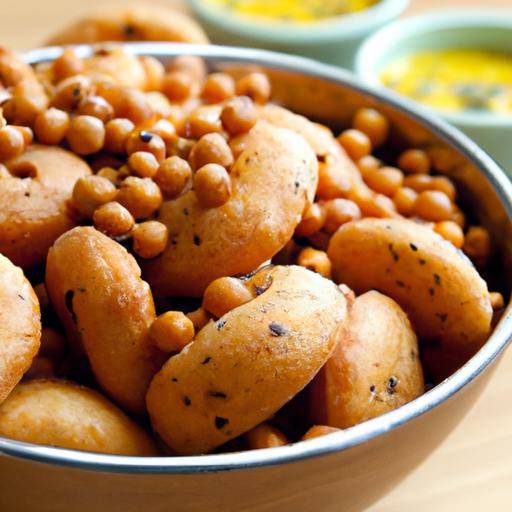

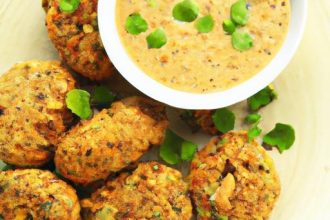

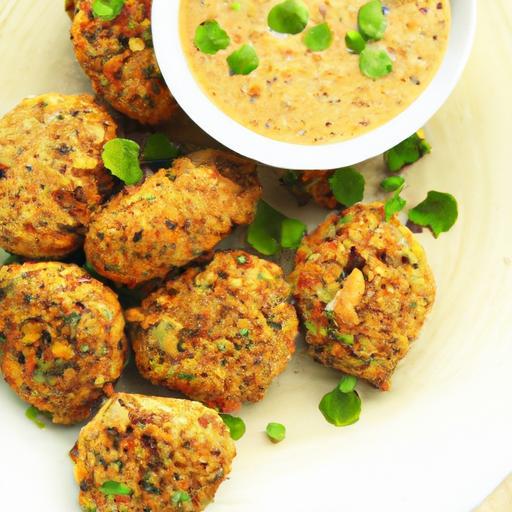
Golden, crunchy, and irresistibly aromatic-vada, India’s beloved fried lentil donut, is more than just a snack; it’s a culinary icon steeped in history and bursting with flavor. From bustling street corners in Mumbai to festive feasts in Tamil Nadu, these crispy delights have captured teh hearts (and taste buds) of food lovers across the subcontinent. In this exploration of crispy vada, we unravel the cultural tapestry, regional variations, and the simple yet ingenious culinary techniques that transform humble lentils into a mouthwatering masterpiece. Whether you’re a seasoned foodie or a curious newcomer,join us on a flavorful journey through the world of India’s fried lentil donuts.
Crispy Vada Delights: the irresistible fried lentil donuts that have charmed taste buds across india with their crisp exterior and soft, flavorful interiors. Originating as a humble street snack, these golden treasures have evolved in each region, showcasing the culinary diversity that defines Indian cuisine.
Origins and Regional Variations of Vada Across India
The story of crispy vada delights begins in South India, where medu Vada-made primarily from urad dal (black gram lentils)-has been a breakfast staple accompanied by steaming sambhar and coconut chutney for centuries.In Maharashtra, the spicier and fluffier Batata Vada reigns supreme, featuring a mashed potato filling wrapped in a besan (gram flour) batter. meanwhile, the Gujarati Dal Vada and Bengali Beguni showcase lentil-based fritters and veggies transformed by crisp frying into snack-time royalty.
Each region’s interpretation brings unique spices,lentils,and accompaniments to the table,making crispy vada delights a dynamic symbol of India’s rich culinary heritage.
Mastering the Perfect Batter for Ultimate Crispiness
The heart of any great vada lies in its batter.For the quintessential crispy vada delights, soaking lentils until soft and grinding them into a smooth, fluffy batter is essential. balancing hydration-neither too runny nor too thick-ensures the batter clings just right to form donut shapes without breaking apart.
Incorporate aromatics like finely chopped green chilies, fresh curry leaves, ginger, and a pinch of asafoetida to add fragrant layers beneath the crunch. Whisking in baking soda or baking powder at the final stage imparts a lightness that transforms each bite into an ethereal crispness.
Traditional Accompaniments and Flavor Pairings to Elevate Your Vada
To truly celebrate crispy vada delights,pair them with traditional accompaniments that awaken the palate. Hot, tangy sambhar with its delicate tamarind undertones is a classic. For a contrast in texture and temperature, fresh coconut chutney or mint-coriander chutney adds a cool, herbal brightness.
In Maharashtra, a swipe of dry garlic chutney or sweet imli (tamarind) chutney adds complexity. Street food vendors frequently enough serve vadas with a dollop of thick yogurt drizzled with jaggery for a sweet-sour interplay that’s hard to resist.
Tips and Tricks for Frying vada to Golden Perfection
Frying vada to a perfect golden color requires attention to temperature and technique. Use medium-high heat and allow the oil to stabilize around 350°F (175°C). Too low, and the vadas absorb oil, becoming greasy; too hot, and the exterior chars before the inside cooks through.
Shape vadas gently but firmly,then slide them in carefully without overcrowding the pan. Turn occasionally to ensure even browning. Drain on paper towels instantly to preserve crispness. For an even lighter texture, try double frying briefly-the frist fry cooks them through, the second crisps the shell.
prep and Cook Time
- preparation: 20 minutes (including soaking time)
- cook Time: 15 minutes
- Total Time: 35 minutes
yield
Approximately 12 medium-sized vadas
Difficulty Level
Medium
Ingredients
- 1 cup urad dal (split black gram lentils), soaked for at least 4 hours
- 1 tsp finely chopped ginger
- 2 green chilies, finely chopped
- 10 fresh curry leaves, chopped
- 1/2 tsp asafoetida (hing)
- Salt to taste
- 1/2 tsp baking soda (optional, for extra fluffiness)
- Vegetable oil for deep frying
Instructions
- Drain soaked urad dal thoroughly. Using a wet grinder or blender, grind the dal into a smooth, thick batter adding minimal water. The batter should be fluffy and hold soft peaks.
- Transfer batter to a bowl. Add chopped ginger, green chilies, curry leaves, asafoetida, and salt. Mix gently to combine.
- Whisk vigorously for 3-5 minutes until the batter is aerated. Sprinkle in baking soda just before frying and fold in carefully.
- heat oil in a deep pan over medium-high heat until the temperature reaches 350°F (175°C).To test, drop a small amount of batter – it should sizzle and float up immediately.
- Wet your hands to prevent sticking. Take a small portion of batter,shape into a donut by making a hole in the center,and gently slide into hot oil.
- Fry vadas in batches, turning them gently for even golden browning, about 3-4 minutes per side.
- Remove vadas with a slotted spoon. Drain on paper towels to absorb excess oil.
- Serve hot with your choice of chutneys and sambhar for an authentic experience.
Tips for Success
- Consistency is key: A batter too thick yields dense vadas; too thin makes them prone to breaking. Achieve a thick, spreadable texture that holds shape yet is soft to the touch.
- Grinding: Use minimal water during grinding to maintain thickness. A wet grinder results in superior texture compared to a blender.
- Frying oil temperature: Keep a thermometer handy or use the small batter-drop test to maintain consistent heat.
- Make-ahead: Batter can be refrigerated up to 12 hours; add baking soda fresh before frying.
- Variations: Add finely chopped onions, grated coconut, or mustard seeds for regional twists.
Serving Suggestions
Beautifully plated crispy vada delights shine when garnished with freshly chopped coriander and a sprinkle of chaat masala. Serve alongside warm sambhar in a small bowl and coconut chutney topped with mustard seeds tempered in hot oil. For a street-style vibe, include a tangy tamarind-date chutney and a wedge of lime to squeeze over the vadas. Pair with a steaming cup of South Indian filter coffee or refreshing masala chai for the ultimate snack or breakfast experience.

| Nutrient | Per Serving (1 vada) |
|---|---|
| Calories | 120 kcal |
| Protein | 5 g |
| Carbohydrates | 14 g |
| Fat | 6 g |
For a deeper dive into Indian snack foods and perfecting other fried delicacies, check out our detailed guide on authentic Sambhar recipes. To understand the health benefits of lentils used in vadas, visit the British Nutrition foundation’s Legumes Guide.
Q&A
Q&A: Crispy Vada Delights: exploring India’s Fried lentil Donuts
Q1: What exactly are vadas and why are they so beloved in Indian cuisine?
A: vadas are savory,deep-fried lentil donuts that hold a special place in Indian kitchens and street food stalls. Made primarily from ground lentils such as urad dal (black gram), these golden fritters deliver a crispy exterior with a soft, spiced interior.Their crunchy texture paired with aromatic spices makes them a comforting and cherished snack, enjoyed across regions and generations.
Q2: How do vadas differ from other Indian fried snacks?
A: While India boasts a rich variety of fried snacks, vadas stand out as of their unique dough base-ground lentils soaked and blended into a batter. Unlike samosas filled with vegetables or meat, or pakoras often made with chickpea flour coatings, vadas offer a protein-packed punch with their lentil foundation. Each region adds its own twist, but the essence remains-a perfectly crispy fritter with wholesome ingredients.
Q3: What types of lentils are traditionally used for making vadas?
A: The most traditional and popular choice for vadas is urad dal (split black gram), prized for its creamy texture when ground. Occasionally,chana dal (split chickpeas) or moong dal (mung beans) are incorporated to tweak flavor and consistency. These pulses not only contribute to taste and texture but also make vadas a nutritious snack rich in plant-based protein.Q4: Can you describe the typical seasoning and flavor profile in vadas?
A: Vadas usually feature an exciting blend of spices like cumin, black pepper, ginger, and green chilies, along with fresh herbs such as coriander leaves. Some recipes include curry leaves or asafoetida (hing) to deepen the flavor. The result is a snack that’s mildly spicy, fragrant, and savory – perfectly balanced to enhance the lentil’s natural earthiness.Q5: What are the most popular ways to enjoy vadas?
A: Vadas are incredibly versatile! They are often served hot with side accompaniments like coconut chutney, tangy tamarind chutney, or a cooling yogurt dip. Another famed combination is “Medu Vada Sambar,” where crispy vadas are dunked into a rich, spiced lentil stew called sambar. This pairing creates a harmony of crunchy and soupy textures that’s soul-satisfying.
Q6: Are there any special occasions or festivals associated with vadas?
A: While vadas are enjoyed daily in many households, they also make an appearance during festivals, religious offerings, and celebratory feasts across India. Their wholesome ingredients and auspicious round shape symbolize completeness and prosperity, making them a favored treat during Diwali, Pongal, and temple prasads (blessed food).
Q7: How can one achieve the perfect crispy texture when making vadas at home?
A: Crafting the ideal vada requires attention to batter consistency and frying technique. The batter should be thick enough to hold shape but airy for lightness-achieved by thorough grinding and sometimes adding a pinch of baking soda. Frying in hot oil at a steady temperature ensures a golden, crispy crust that isn’t greasy. Patience and practice transform homemade vadas into delightful golden rings of crunch.
Q8: Are there any creative or modern twists on the classic vada?
A: The versatility of the basic vada batter invites innovation. some chefs add grated vegetables, paneer, or even mild cheeses for added flavor. Others incorporate herbs like mint or experiment with different lentil combinations.Fusion versions might include stuffed vadas or pair them with global dips, but the timeless appeal remains firmly rooted in that crispy, spiced lentil essence.
Q9: What makes vadas a nutritious snack choice?
A: Vadas are packed with plant-based protein, dietary fiber, and essential nutrients from lentils, making them more than just a tasty treat. they provide sustained energy and help keep hunger at bay. when paired with wholesome side dishes like sambar or chutneys loaded with antioxidants, vadas become part of a balanced and nourishing meal.
Q10: Where can travelers experience the authentic taste of vada in India?
A: Vadas claim popularity citywide-from bustling Chennai and Bangalore to the streets of Mumbai and Kolkata. Each region offers its distinct style, but south Indian cities are famed for “Medu Vada,” served piping hot with sambar and chutney. Food markets, roadside stalls, and traditional eateries are the best places to savor freshly fried vadas bursting with flavor and history.
exploring vadas is like taking a crunchy, flavorful journey through India’s culinary heritage-each bite a crispy delicious story of lentils, spice, and culture.
In Retrospect
As the golden, crispy edges of India’s beloved vada gently melt in your mouth, you’re not just tasting a snack-you’re savoring centuries of culinary tradition and regional flair. From bustling street stalls to festive family kitchens, these fried lentil donuts continue to unite people across generations with their irresistible crunch and comforting warmth. So whether you’re a seasoned foodie or a curious traveler, embracing the delightful world of vada is an invitation to explore India’s rich tapestry of flavors, one crispy bite at a time. Next time you crave a snack that’s both humble and heavenly, remember: a vada is more than just food-it’s a crispy festivity of India itself.