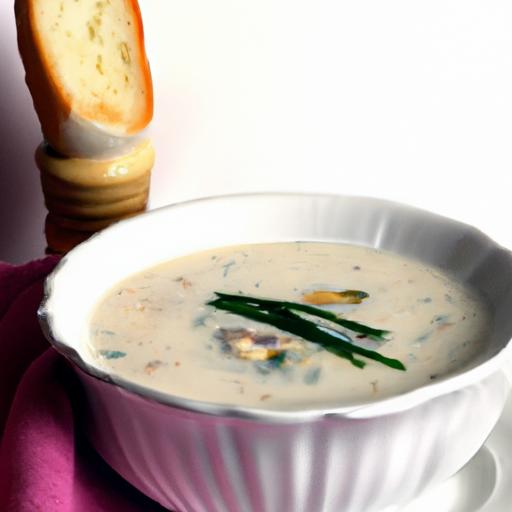


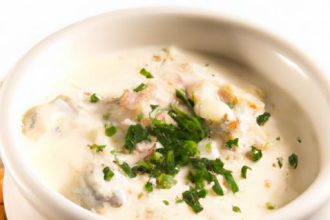


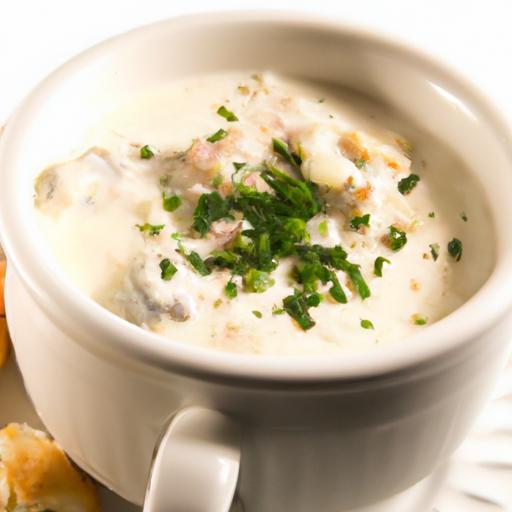
There’s something undeniably soothing about a steaming bowl of New England clam chowder-its velvety broth, brimming with tender clams, smoky bacon, and soft potatoes, wraps around the soul like a warm coastal hug. This iconic chowder, with roots deeply planted in the rocky shores and fog-laden mornings of America’s northeastern coast, has captivated taste buds for centuries. More than just a meal,it’s a creamy comfort that tells a story of tradition,community,and the bounties of the sea.In this exploration of New England clam chowder’s timeless allure, we’ll dive into its rich history, signature ingredients, and why this beloved dish continues to hold a cherished place at tables across the nation.
Creamy Comfort captures the essence of New England clam chowder, a dish steeped in maritime tradition and celebrated for its luscious, velvety texture. This iconic chowder first sails its way into history from the coastal villages where clams and fresh dairy created a symphony of flavor. Over centuries, it evolved from a simple seafarer’s stew into the rich, creamy bowl of warmth known across American tables today. As a seasoned Culinary Content Creator and Food Stylist, I’m excited to guide you through this classic recipe that marries authentic ingredients with masterful techniques to deliver a bowl of pure indulgence.
prep and Cook Time
- Preparation Time: 20 minutes
- Cooking Time: 40 minutes
- Total Time: 1 hour
Yield
Serves 6 hearty portions
Difficulty Level
Medium - ideal for home cooks ready to elevate their skill with texture and flavor balancing
Essential Ingredients That Define Authentic Creaminess and Flavor
- 4 cups fresh clam juice (strained from steamed clams or high-quality bottled clam juice)
- 2 dozen littleneck clams, scrubbed and steamed until opened
- 4 slices unsalted butter
- 1 cup yellow onion, finely diced
- 2 celery stalks, finely chopped
- 3 medium Yukon Gold potatoes, peeled and diced (about 2 cups)
- 3 cloves garlic, minced
- 1 cup heavy cream
- 1 cup whole milk
- 1/4 cup all-purpose flour
- Freshly ground black pepper, to taste
- Sea salt, to taste
- 2 teaspoons fresh thyme leaves
- Crumbled oyster crackers or crusty bread, for serving
Mastering the Perfect Texture: Techniques for a Velvety Chowder
- Melt the butter in a large heavy-bottomed pot over medium heat. Add the diced onions and celery and sauté gently until translucent and fragrant, about 5 minutes. Stir occasionally to avoid browning.
- add the garlic and cook for an additional 30 seconds to release its aromatic oils.
- Sprinkle the flour evenly over the vegetables and stir constantly for 2-3 minutes to form a golden roux. This foundational step thickens your chowder without lumps.
- Gradually whisk in the clam juice, ensuring the mixture is smooth and starts to thicken.
- Add the diced potatoes and thyme. Simmer on low heat until the potatoes are tender but still hold shape, approximately 20 minutes. Stir carefully to prevent sticking.
- Remove the clams from their shells (reserve a few whole for garnish) and chop any larger clams into bite-sized pieces. Add the clams to the pot along with the cream and milk.
- Simmer gently for an additional 10 minutes. Avoid boiling, as this can break down the cream and potatoes, spoiling texture.
- Season with sea salt and freshly ground black pepper according to taste. Adjust creaminess by adding more milk if desired.
chef’s Notes: Tips for Success
- Clam Juice Quality: For best results, use fresh clam juice extracted from steaming fresh littlenecks; bottled clam juice works well when fresh isn’t available but look for low-sodium versions to control salt levels.
- Potatoes: Yukon Gold is preferable for their creamy texture and ability to hold shape; avoid russet if you wont to maintain chowder thickness.
- Texture Balance: resist the urge to boil the chowder after adding cream to prevent curdling and maintain luscious silkiness.
- Make-Ahead: The chowder tastes even better the next day as flavors meld. Reheat gently on low, stirring often.
- Substitutions: For a lighter version, substitute half the cream for whole milk, but expect slightly less richness.
Pairing and Serving Suggestions to Elevate Your Clam Chowder Experience
Serve steaming hot in wide, shallow bowls that showcase the creamy broth and tender clam morsels. Garnish with freshly chopped flat-leaf parsley or chives and a sprinkle of cracked black pepper for vibrant color contrast.
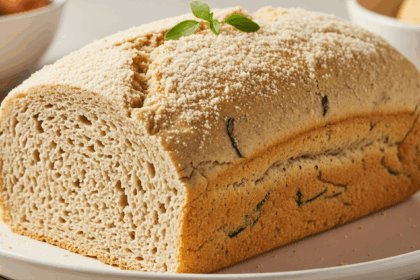
offer a side of buttery oyster crackers or a warm crusty baguette to soak up every luscious drop. For a fresh counterpoint,a simple green salad with a crisp citrus vinaigrette complements the chowder’s richness perfectly.
To elevate the experience, pair with a sparkling mineral water or a crisp, unoaked Chardonnay-both cleanse the palate beautifully between creamy bites.
| Nutrition (per serving) | Calories | Protein (g) | Carbs (g) | Fat (g) |
|---|---|---|---|---|
| New England Clam Chowder | 320 | 18 | 22 | 18 |

Discover more rich, comforting recipes like this in our Classic Seafood Recipes collection, and for an in-depth culinary history of clam chowder, visit the history Channel’s feature on clam chowder.
Q&A
Q&A: Creamy Comfort – The Timeless Allure of New England Clam Chowder
Q: What makes New England clam chowder so beloved across generations?
A: New England clam chowder is the very definition of comfort in a bowl. Its rich, velvety cream base combined with tender clams and hearty potatoes creates a harmonious blend of flavors and textures that evoke warmth and nostalgia. The chowder’s simplicity paired with its depth of taste invites both a sense of tradition and an enduring connection to the coastal heritage of New England.
Q: How did New England clam chowder originate?
A: The origins of New England clam chowder trace back to Native American cooking traditions, where clams were a staple protein. European settlers adapted these recipes,adding dairy and potatoes as they became available,evolving the dish into the creamy chowder we recognize today. It was originally a practical, filling meal for fishermen and coastal communities, embodying both resourcefulness and regional pride.
Q: What core ingredients define an authentic New England clam chowder?
A: At its heart, authentic New England clam chowder features fresh clams, potatoes, onions, and a creamy base made from milk or cream and butter. A blend of simple spices like thyme or bay leaves enhances the natural flavors without overpowering the delicate clam essence.The chowder’s richness comes from balancing these wholesome ingredients, respecting tradition while celebrating coastal flavors.
Q: Why is the chowder’s creamy texture so important?
A: The creamy texture is what elevates New England clam chowder from a mere soup to a luxurious comfort food. It creates a soothing mouthfeel that contrasts perfectly with the chewy clams and tender potatoes. The creaminess also helps meld the flavors seamlessly, allowing each ingredient to shine while contributing to a unified, cozy experience.
Q: Can New England clam chowder adapt to different dietary preferences?
A: Absolutely! While the classic recipe emphasizes cream and butter, modern variations can substitute plant-based creams and oils to accommodate dietary needs like lactose intolerance or veganism.Though, the key remains balancing that creamy richness with fresh clams and hearty vegetables to retain the chowder’s signature soul.
Q: How is New England clam chowder traditionally served?
A: Traditionally, bowls of the chowder are served steaming hot with a side of oyster crackers or crusty bread for dipping. It’s often presented in a wide, shallow bowl to cool slightly and invite spoonfuls that capture both broth and chunks of clam and potato.This simple, rustic serving style enhances the welcoming and communal spirit of the dish.
Q: what role does clam chowder play in New England culture today?
A: New England clam chowder is more than just a dish-it’s a cultural icon that embodies the region’s maritime roots and culinary heritage. It’s a staple at family gatherings, clam shacks, and community festivals, symbolizing warmth, tradition, and connection to the sea.Its timeless appeal continues to unite locals and visitors alike in shared recognition of New england’s flavors.
Q: How can home cooks recreate the authentic taste of New England clam chowder?
A: The secret lies in sourcing fresh clams, using good-quality dairy, and allowing the soup to simmer gently to develop rich flavors without rushing.Patience and respect for each ingredient’s character help capture the chowder’s essence. Using homemade clam broth or clam juice rather of canned versions also imparts a more authentic, briny depth that anchors the dish firmly in its coastal origin.
Q: What are some common misconceptions about New England clam chowder?
A: A frequent misconception is confusing New England clam chowder with its cousin, Manhattan clam chowder, which features a tomato base and a entirely different flavor profile. Also, some beleive it must be thickened with flour alone, but the creaminess of New England clam chowder primarily comes from the dairy and careful simmering, rather than heavy thickening agents.Q: Why does new England clam chowder continue to inspire chefs and food lovers today?
A: Because it represents culinary craftsmanship at its simplest-transforming humble ingredients into a dish with soul. Its comforting richness invites innovation while honoring tradition, challenging chefs to balance creativity with authenticity. For food lovers, it offers a tasty portal to new England’s rugged coastlines and enduring maritime spirit, making every spoonful a timeless journey.
Future Outlook
As the steam rises from a bowl of new England clam chowder, so too does a timeless story of coastal tradition, hearty simplicity, and comforting flavors. This creamy concoction, with its tender clams, velvety potatoes, and smoky bacon, invites us to savor a taste that transcends generations.Weather enjoyed by a seaside cottage or in the heart of a bustling city, New England clam chowder remains a delicious reminder that sometimes, the most enduring culinary delights are those that warm both the body and the soul. In every spoonful, there’s a legacy of the sea-and a comforting embrace that never goes out of style.