


In a world swirling with vibrant flavors and global culinary treasures,few dishes evoke the timeless charm and wholesome simplicity quite like hummus. This creamy, golden-hued chickpea dip has journeyed through centuries and cultures, winning hearts and palates alike with each luscious scoop. “Hummus Unveiled: The Classic Chickpea Dip Delight” peels back the layers of this beloved staple, exploring its rich history, cultural significance, and the subtle artistry that transforms humble ingredients into a velvety masterpiece. Whether you’re a seasoned foodie or a curious newcomer, prepare to dive deep into the story behind every dollop of hummus-a dip that’s as much about tradition as it is indeed about taste.
The Origins and Cultural Significance of Hummus
Hummus is more than just a beloved dip-it’s a culinary icon deeply rooted in Middle Eastern culture, where its simplicity and wholesome ingredients tell stories of shared meals and generations of hospitality. Originating centuries ago in the Levant region, hummus has traveled through time and across borders, evolving while maintaining its essential character. Its rich blend of chickpeas, tahini, and olive oil became a staple not only because of its delightful flavor but also its nutritional value and symbolic presence in communal eating traditions. Every spoonful reflects centuries of history, family gatherings, and the joyous art of mezze.
Mastering the Perfect Texture and Flavor Balance
Achieving that silky-smooth texture with just the right balance of creamy richness and luminous acidity is the hallmark of expert hummus making.The foundation always begins with well-cooked chickpeas, either home-cooked or canned, but cooking your own allows for finer control of texture. Tahini must be fresh and well-stirred to bring a buttery depth, while freshly squeezed lemon juice adds a zesty lift. A pinch of salt enhances those flavors, complemented by the earthy tones of garlic and a drizzle of quality extra virgin olive oil.
balancing these ingredients means tasting as you blend-add lemon juice gradually to avoid overpowering tang, and incorporate ice-cold water for that ultra-creamy mouthfeel without heaviness. For those seeking unparalleled smoothness, removing the chickpea skins before blending, though time-consuming, transforms the texture into pure silk.
Innovative Twists to Elevate Your Classic Hummus
Once you’ve mastered the classic balance, creativity invites exploration. Try roasted red pepper hummus for a smoky sweetness or a bright avocado hummus for freshness and color. For spice enthusiasts, a pinch of Aleppo pepper or smoked paprika creates warmth and depth. Adding herbs like fresh cilantro, mint, or za’atar can transport your palate to new realms of flavor.
Experiment with textures by folding in crunchy toasted pine nuts or caramelized onions, adding unexpected but delightful contrasts. These twists make hummus not only a dip but also an artistic spread for sandwiches,toasts,or bowls.
Expert Tips for Pairing hummus with Foods and Drinks
Hummus shines brightest when paired thoughtfully. Classic accompaniments include warm, fluffy pita bread and crisp, raw vegetables such as cucumber, bell peppers, and carrots. For heartier options, spread hummus over grain bowls or use as a creamy sauce with grilled vegetables and roasted chicken.
Its bright, nutty flavor harmonizes beautifully with Mediterranean olives, tangy pickles, and earthy baba ganoush, creating a vibrant mezze platter perfect for sharing. For beverages, crisp, citrus-forward mocktails or herbal teas complement hummus’s creamy texture, balancing its richness and refreshing your palate.
Prep and Cook Time
- Prep Time: 15 minutes (if using canned chickpeas)
- Cook Time: 1-1.5 hours (if cooking dried chickpeas)
Yield
Approximately 2 cups (serves 6 as an appetizer)
Difficulty level
Easy to Medium
Ingredients
- 1 ½ cups cooked chickpeas (about ¾ cup dried)
- ½ cup tahini (well-stirred)
- ¼ cup fresh lemon juice (about 1 large lemon)
- 2 cloves garlic (minced)
- ½ teaspoon kosher salt
- ½ teaspoon ground cumin (optional)
- 3 tablespoons extra virgin olive oil (plus more for garnish)
- ¼ – ½ cup ice-cold water
Instructions
- If using dried chickpeas, soak overnight, then cook in fresh water with a pinch of baking soda until very tender, about 1 hour.Drain and reserve some cooking water.
- Place chickpeas, tahini, lemon juice, garlic, salt, and cumin in a food processor.
- Begin blending; slowly drizzle in olive oil while blending to incorporate fully.
- Add ice-cold water in small increments to thin the mixture and achieve a creamy, fluffy texture. Scrape down the sides as necessary for even blending.
- Taste and adjust seasoning-add more lemon juice or salt to brighten or enhance flavor.
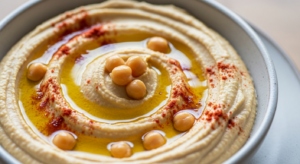
- Transfer hummus to a serving bowl and create a shallow well on top.
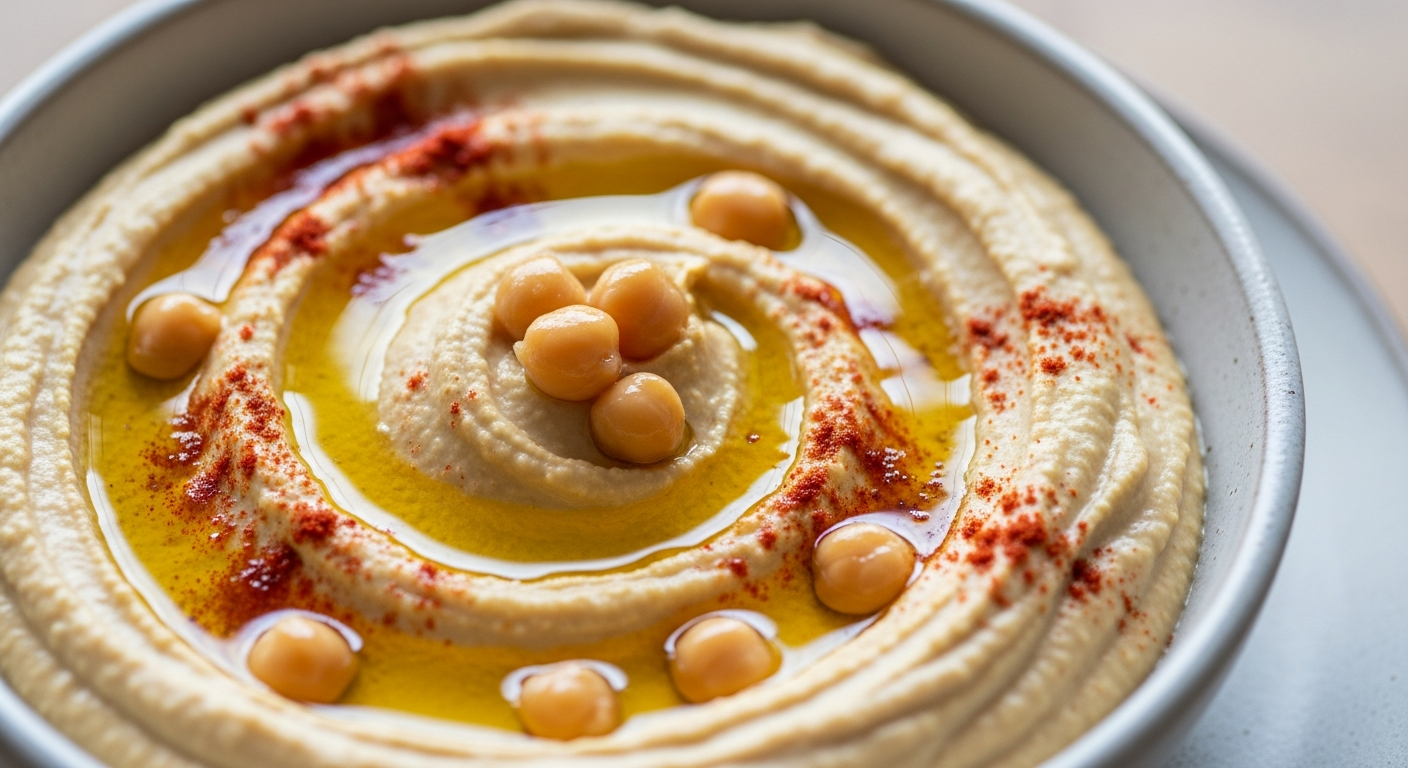
- Drizzle with additional olive oil and garnish with a sprinkle of smoked paprika, sumac, and fresh chopped parsley if desired.
Chef’s Notes
- For an ultra-smooth hummus, peel chickpeas by gently pinching each between your fingers-this step, while tedious, considerably refines texture.
- Substitute lemon juice for a squeeze of fresh lime in recipes with Mexican or South Asian inspired twists.
- Make ahead: Hummus stores well in an airtight container in the fridge for up to 5 days; flavors deepen over time.
- To lighten hummus, try replacing some tahini with Greek yogurt for a tangy and creamy variation.
- Use reserved chickpea cooking water rather of plain water for added body and flavor when adjusting consistency.
Serving Suggestions
for best presentation, serve hummus drizzled with extra virgin olive oil and surrounded by vibrant vegetable crudités like cherry tomatoes, radishes, and cucumber ribbons. Toasted pita wedges or warm flatbreads amplify the experience, inviting guests to savor every scoop. Enhance visually by sprinkling with toasted pine nuts, freshly chopped parsley, or a dusting of sumac-each element a burst of color and flavor that entices the eye and palate.
| Nutrient | per ¼ cup (60g) |
|---|---|
| Calories | 170 |
| Protein | 6g |
| Carbohydrates | 15g |
| Fat | 9g |

Discover more Mediterranean delights to pair with your hummus journey in our Guide to Mediterranean Dips.For an in-depth history of hummus and its cultural layers, visit Britannica’s Hummus Overview.
Q&A
Q&A: Hummus Unveiled: The Classic Chickpea Dip Delight
Q1: What exactly is hummus?
A1: Hummus is a creamy,luscious dip made primarily from cooked and mashed chickpeas blended with tahini (sesame seed paste),olive oil,lemon juice,garlic,and a touch of salt. Originating from the Middle east, it’s a beloved staple that has traveled the globe, inspiring endless culinary creativity.
Q2: Why is hummus so popular worldwide?
A2: Beyond its rich, nutty flavor, hummus is celebrated for its versatility and nutrition. It’s vegan, gluten-free, packed with plant-based protein and fiber, and can be served as a dip, spread, or even a base for salads and bowls. Its ability to complement a variety of dishes makes it a pantry superstar.
Q3: What’s the secret to making the creamiest hummus?
A3: The magic lies in the chickpeas and technique. using cooked chickpeas that are soft and slightly overcooked helps achieve smoothness.Removing the skins can elevate texture further, though it requires patience. Blending ingredients slowly and adding ice-cold water or a bit of the chickpea cooking liquid can create that silky finish.
Q4: Can I customize hummus flavors beyond the classic recipe?
A4: Absolutely! While traditional hummus has its charm, adventurous cooks love infusing it with roasted red peppers, sun-dried tomatoes, fresh herbs like cilantro or basil, smoky paprika, or even a hint of spicy harissa. The possibilities are as endless as your spice cabinet.
Q5: how can hummus be incorporated into meals beyond a simple snack?
A5: Hummus is a culinary all-star! Spread it on sandwiches and wraps, dollop it atop grain bowls, swirled into soups for creaminess, or use it as a sauce base for roasted vegetables. It’s both a flavor enhancer and a nutritious boost that brightens any dish.
Q6: Is homemade hummus better than store-bought?
A6: Homemade hummus allows for personal flair-adjusting garlic intensity, lemon tang, or saltiness to tickle your taste buds just right. While many store-bought versions are convenient and tasty, making hummus at home guarantees freshness and lets you skip added preservatives and unneeded ingredients.
Q7: What health benefits does hummus offer?
A7: Hummus nourishes the body with fiber, plant protein, healthy fats from olive oil and tahini, plus essential vitamins and minerals like folate, iron, and magnesium. It supports digestion, heart health, and sustained energy, all wrapped in a delightfully tasty package.
Q8: How should hummus be stored to maintain its freshness?
A8: Store hummus in an airtight container in the refrigerator. It typically remains fresh for up to a week. For extra freshness,drizzle olive oil on top before sealing-it helps preserve moisture and flavor. If salsa or herbs are mixed in, expect a slightly shorter shelf life.
Q9: Can hummus be frozen?
A9: Yes! Freezing hummus is a fantastic way to reduce waste.Portion it into small containers or ice cube trays for easy defrosting. Though texture may slightly change upon thawing, a fast stir and a splash of olive oil can restore much of its original creaminess.
Q10: What cultural significance does hummus hold?
A10: Hummus is more than food; it’s a symbol of hospitality, tradition, and shared heritage across many Middle Eastern communities. Often served at gatherings and celebrations, it embodies warmth, connection, and the timeless joy of breaking bread-or pita-together.
The Way Forward
As we peel back the layers of hummus-from its ancient origins to its modern-day variations-it becomes clear that this humble chickpea dip is much more than just a pantry staple. It is indeed a vibrant tapestry of culture, nutrition, and culinary creativity woven into every creamy bite. Whether enjoyed as a simple snack or a centerpiece in a gourmet spread, hummus continues to unite palates around the world, inviting us to savor tradition while inspiring new tastes.So next time you dip in, remember: you’re indulging in a timeless delight that has been cherished for centuries and will undoubtedly continue to spice up tables for generations to come.