

Nestled along the rugged shores where ocean breezes mingle with the scent of salt and pine,clam chowder emerges as a beloved emblem of coastal culinary tradition. More than just a bowl of creamy goodness, this hearty soup tells a story – a narrative simmered in history, culture, and the simple comforts of home. In “Clam Chowder Chronicles: A Creamy Coastal Classic Unveiled,” we dive beyond the ladle too explore the rich origins, regional variations, and enduring appeal of this iconic dish. Join us as we uncover the secrets that make clam chowder not merely a meal,but a coastal treasure passed down through generations.
Origins of Clam Chowder and Its Evolution Along the Coast
Clam Chowder Chronicles begin on the rocky shores of New England, where early settlers combined the treasures of the sea with simple, hearty ingredients to create a dish that warms both body and soul. This creamy coastal classic unveiled has evolved through centuries, reflecting regional interpretations and local harvests along the Eastern seaboard and beyond.
Originally a humble fisherman’s stew, clam chowder blends clams, potatoes, and aromatic roots. As waves of immigrants arrived and culinary techniques progressed, variations emerged-from the creamy new England style to the tomato-rich Manhattan chowder, and the smoky Pacific Northwest versions brightened by fresh herbs and diverse shellfish. Each bowl tells a story of maritime heritage and coastal community spirit, inspiring both home cooks and chefs alike.
Key Ingredients That Create the Perfect Creamy Texture
The hallmark of this chowder lies in its luscious, velvety texture. Achieving this starts with fresh clams,ideally littlenecks or cherrystones,delivering both briny flavor and tender meat.The base relies heavily on milk and heavy cream for richness, while the addition of a flour and butter roux ensures that silky body and effortless blending of ingredients.
Potatoes play a dual role, offering structure and subtle starchiness that help thicken the chowder naturally. Aromatics such as onion and celery, sautéed to translucency, build a savory foundation, while a touch of smoked paprika or fresh thyme adds depth and complexity without overwhelming the clam’s delicate essence.
Techniques for Crafting a Rich and Flavorful Chowder Base
Begin by gently steaming the clams to coax out flavorful broth-this step infuses the soup with an unmistakable oceanic freshness. Strain the clam stock carefully to remove any grit before adding it to your chowder base. Developing the roux with equal parts butter and flour cooked until golden provides a nutty backbone that will not overpower but enrich the creamy liquid foundation.
Sautéing your aromatics slowly ensures sweet, mellow flavors rather than harsh bite. Incorporating cream gradually while stirring prevents curdling and produces a smooth finish. Simmering the potatoes in this mixture allows starch release and thickens the chowder naturally. Finish with the clams added at the last moment-just enough heat to warm through without toughening the tender meat.
Expert Tips for Serving and pairing Clam Chowder to Delight Your Guests
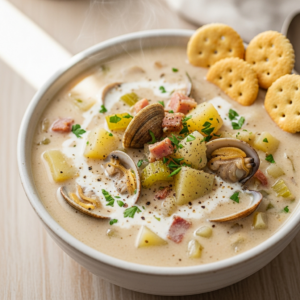
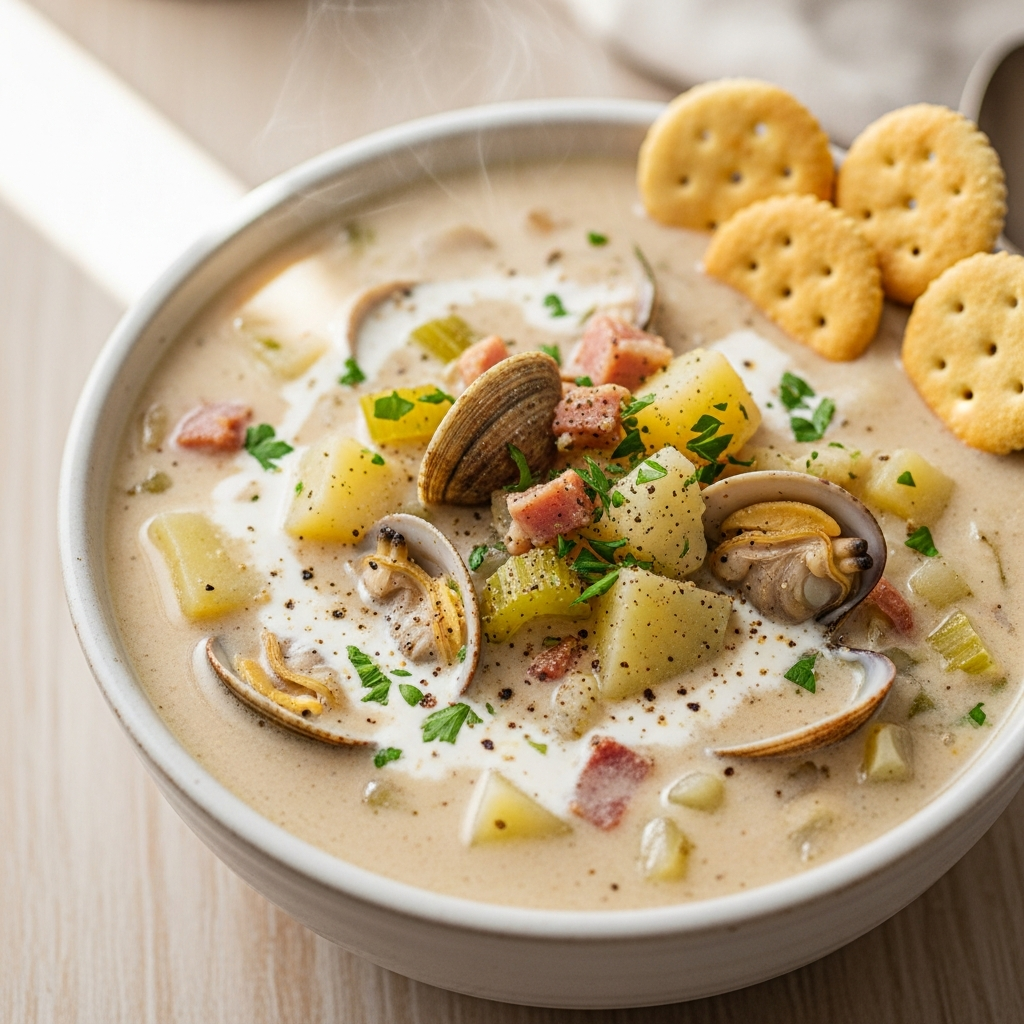
Presentation elevates clam chowder from comforting to captivating. Ladle into rustic bowls and garnish with finely chopped fresh parsley or chives for bursts of color and freshness. A sprinkle of cracked black pepper and a drizzle of cold-pressed olive oil add subtle contrast to the richness.For textural delight, serve alongside warm, crusty sourdough bread or oyster crackers, perfect for dipping.
Pair clam chowder with crisp, refreshing beverages such as sparkling water with lemon wedges or a bright, citrus-forward iced tea to balance creaminess. For an elevated twist, a chilled glass of dry cider or an unsweetened ginger ale complements the savory depth wonderfully without overshadowing the dish.
Prep and Cook Time
Prep: 15 minutes | Cook: 40 minutes | Total: 55 minutes
Yield
Serves 6 generous portions
Difficulty Level
Medium – approachable for home cooks with some familiarity with stovetop techniques
Ingredients
- 2 lbs fresh littleneck clams, scrubbed
- 4 cups clam juice (from steamed clams, strained)
- 4 cups whole milk
- 1 cup heavy cream
- 4 tbsp unsalted butter
- 1/4 cup all-purpose flour, sifted
- 2 medium Yukon Gold potatoes, peeled and diced (about 2 cups)
- 1 medium yellow onion, finely chopped
- 2 stalks celery, finely chopped
- 2 cloves garlic, minced
- 1 tsp fresh thyme leaves or 1/2 tsp dried thyme
- 1/2 tsp smoked paprika
- Salt and freshly ground black pepper, to taste
- Fresh parsley or chives, chopped, for garnish
Instructions
- Steam the clams: In a large covered pot, combine clams with 1 cup water over medium heat.Steam until clams open (about 5-7 minutes). Discard any unopened clams. Reserve steaming liquid and strain carefully through cheesecloth to remove grit. Set aside clam meat and stock.
- Prepare the roux: In a large heavy-bottom pot, melt butter over medium heat. Add flour and stir continuously for 3-4 minutes, cooking until golden and nutty but not browned.
- sauté aromatics: Add onion, celery, and garlic to the roux. Stir and cook until translucent and soft, about 5 minutes.
- Add liquids and potatoes: Gradually whisk in clam stock, milk, and heavy cream. Stir in diced potatoes, thyme, and smoked paprika. Bring to a gentle simmer; cook until potatoes are tender, about 15-20 minutes. Stir frequently.
- Incorporate clams and season: Fold in clam meat and season with salt and pepper. Heat through for 3-4 minutes, but avoid boiling to preserve delicate clams.
- Rest and serve: Remove from heat and let chowder rest 5 minutes to let flavors meld. Garnish with fresh herbs before serving.
Tips for Success
- use fresh clams whenever possible for peak flavor; frozen clams can be used in a pinch but adjust liquid quantities.
- Make sure to strain clam stock thoroughly to keep grit out of your chowder.
- Don’t rush the roux-cooking the flour properly prevents a raw flour taste and improves thickness.
- Stir gently after adding clams to avoid breaking up the meat.
- Chowder can be made a day ahead; flavors deepen beautifully when reheated gently.
Serving Suggestions
Serve this creamy delight in rustic bowls paired with golden sourdough bread or crunchy oyster crackers. Garnish with a sprinkle of fresh parsley or chives and a dash of cracked black pepper. For an added touch, drizzle with a bit of high-quality olive oil to elevate richness and add a glossy finish. Balance the meal with a crisp green salad dressed simply with lemon vinaigrette or a side of steamed seasonal vegetables for freshness.
| Nutrient | Per Serving |
|---|---|
| Calories | 320 kcal |
| Protein | 18 g |
| Carbohydrates | 24 g |
| Fat | 15 g |
Explore more seafood recipes | For in-depth past context, visit National Geographic’s history of clam chowder.

Q&A
Q&A: Clam Chowder chronicles: A Creamy Coastal Classic Unveiled
Q1: What makes clam chowder such an iconic dish along the coast?
A1: Clam chowder captures the spirit of coastal living in a warm, comforting bowl. Its rich, creamy texture combined with the briny sweetness of fresh clams and tender potatoes mirrors the ocean’s bounty and the hearty heartiness of seaside communities. This blend of earth and sea creates a dish that feels both rustic and refined, beloved by locals and visitors alike.
Q2: Where did clam chowder originate, and how has it evolved over time?
A2: Clam chowder traces its roots to the early settlers of New England, who combined native clams with available ingredients like potatoes, onions, and cream or milk. Over centuries, it evolved with regional touches, from the creamy New England style to the tomato-based Manhattan clam chowder, reflecting diverse culinary influences while staying true to its seafood-centric essence.
Q3: What are the essential ingredients that define a classic New England clam chowder?
A3: The heart of New England clam chowder lies in fresh clams, diced potatoes, onions, and a luscious creamy broth made from milk or cream. Butter adds richness while herbs like thyme or bay leaves lend subtle depth.This simplicity lets the briny clam flavor shine through, creating a soothing and satisfying coastal experience.
Q4: How do fresh clams contribute to the flavor profile of clam chowder?
A4: Fresh clams provide a delicate sweetness and natural salty brininess that is foundational to clam chowder’s distinctive taste. Their tender texture contrasts with the creamy broth and soft potatoes,giving the chowder complexity and a direct connection to the sea’s freshness.
Q5: Can clam chowder be adapted for dietary preferences without losing its classic character?
A5: Absolutely! Using dairy alternatives like coconut or oat milk can maintain creaminess while catering to lactose intolerance or vegan diets (paired with plant-based clam substitutes). Additionally, substituting conventional butter with olive oil keeps the chowder rich but lighter. The key is balancing flavors to honor clam chowder’s coastal heritage even with thoughtful adaptations.
Q6: What are some traditional methods for preparing clam chowder that enhance its flavor?
A6: Sautéing onions and celery gently in butter develops a subtle sweetness that forms the flavor base. slowly simmering potatoes in clam juice or broth intensifies the seafood essence. Adding chopped clams near the end preserves their tender texture and fresh taste. Cooking low and slow encourages a harmonious blend that’s creamy without being dull.
Q7: How is clam chowder typically served to elevate the dining experience?
A7: Classic clam chowder is frequently enough ladled into a warm, crusty bread bowl or served alongside rustic crackers for an inviting presentation. Garnishing with fresh parsley or a sprinkle of cracked black pepper adds brightness and aroma. paired with a crisp side salad or steamed greens, it becomes a balanced meal evocative of an oceanfront feast.
Q8: Beyond New England, how has clam chowder inspired coastal culinary creativity?
A8: coastal regions worldwide have embraced clam chowder’s comforting format, experimenting with local shellfish, spices, and vegetables. From smoky chilies in the southwest to fragrant herbs on the Pacific coast, each rendition tells a unique story, yet all pay homage to the original’s creamy, clam-filled soul.
Q9: What role does clam chowder play in coastal culture and community gatherings?
A9: Clam chowder is more than a dish-it’s a tradition. Served at clam festivals, family clam bakes, and seaside shacks, it embodies community spirit and festivity of local harvests. Sharing a pot of chowder brings people together, preserving maritime heritage and nurturing connections through shared flavors.
Q10: Why continue exploring clam chowder recipes and stories today?
A10: Each version of clam chowder is a delicious link between past and present, nature and nurture.Exploring its recipes invites creativity,respect for coastal ecosystems,and a delicious way to connect with culinary history. As palates evolve, clam chowder remains a beloved canvas for storytelling, craftsmanship, and the simple joy of a creamy coastal classic.
Future Outlook
As the last spoonful of clam chowder warms your palate, it’s clear that this creamy coastal classic is more than just a soup-it’s a rich tapestry of history, culture, and flavor simmered to perfection.From humble seafood shacks to high-end kitchens,clam chowder continues to capture hearts with its velvety texture and briny depth. Whether you’re a seasoned seafood lover or a curious newcomer, the chronicles of clam chowder invite you to savor not only a dish but a story steeped in tradition and coastal charm. So next time you dip your spoon into that comforting bowl, remember: you’re tasting a legacy as timeless as the tides themselves.