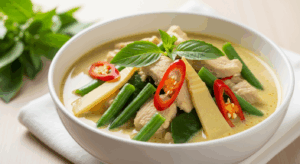



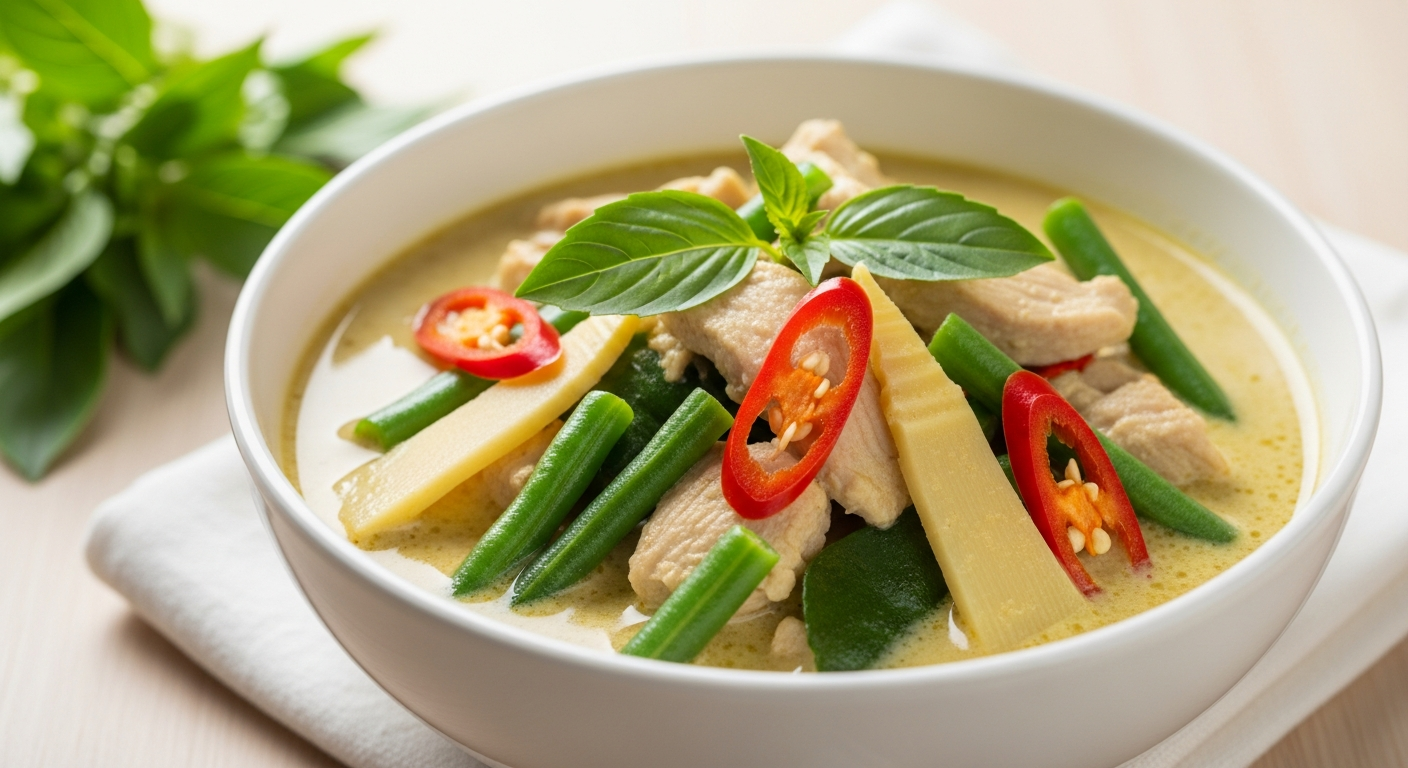
There’s a certain magic that unfolds when the creamy richness of coconut meets the vibrant, aromatic spices of Thai green curry. This beloved dish is much more than just a meal-it’s a symphony of flavors that dance on your palate, awakening your senses adn transporting you straight too the bustling streets of Thailand. In this article, we’ll unlock the secrets behind this tantalizing culinary treasure, exploring the ingredients, techniques, and cultural nuances that make Coconut Thai Green Curry an irresistible experience.Prepare to embark on a flavorful journey where tradition and creativity blend seamlessly, inviting you to savor every spoonful of this enchanting Thai classic.
Exploring the Aromatic Ingredients That Define Coconut Thai Green Curry
Unlocking the flavors of Coconut Thai Green Curry Magic begins with understanding the essence of its aromatic foundation, a vibrant symphony of fresh herbs and spices that elevate this dish to unforgettable heights. Originating from central Thailand, green curry-locally known as “Gaeng Keow Wan”-harmonizes the bright notes of green chilies and fragrant kaffir lime leaves with the creamy sweetness of coconut milk. My first encounter with this dish was in a bustling Bangkok street market,where the intoxicating aromas instantly captivated my senses and inspired me to recreate the magic in my own kitchen.
The crown jewel of this curry is the green curry paste, an exhilarating blend of ingredients like fresh green chilies, lemongrass, galangal, and Thai basil. Each element plays a crucial role: lemongrass imparts citrusy brightness, galangal brings a peppery, earthy depth, and Thai basil weaves a sweet, aromatic herbaceousness that’s impossible to replicate with other herbs.Complementing this is the rich, velvety character of coconut milk, which balances heat with luscious creaminess.
Mastering the Balance of Spice and Creaminess for Authentic Flavor
The true magic lies in mastering the delicate balance of spice and creaminess that defines an authentic Coconut Thai Green Curry. Start with a moderate quantity of fresh green chilies to tailor the heat level to your preference. Excessive spice can overwhelm the subtle herbal components, while too little results in a flat taste. incorporate a generous amount of creamy coconut milk gradually, allowing the curry sauce to mellow without losing vibrancy.
Adding fresh lime juice and a touch of palm sugar near the end of cooking ensures an intricate interplay of acidity and sweetness that enhances the complexity of flavors. Don’t forget the umami boost from shrimp paste or a vegetarian substitute like miso paste,which you can use to keep the curry rich and layered without animal products.
Prep and Cook Time
- Readiness: 20 minutes
- Cooking: 30 minutes
- Total Time: 50 minutes
Yield
Serves 4 generous portions
Difficulty Level
Medium – Perfect for home cooks eager to experiment with authentic Thai flavors
Ingredients
- 2 tablespoons green curry paste (preferably freshly made or store-bought premium)
- 1 can (14 oz) full-fat coconut milk
- 400g (14 oz) boneless, skinless chicken thighs, cut into bite-sized pieces
- 1 cup Thai eggplants, quartered (or substitute with small green peas or zucchini)
- 1 cup bamboo shoots, drained
- 1 cup green beans, trimmed and halved
- 3 kaffir lime leaves, torn into pieces
- 1 tablespoon vegetable oil
- 1 teaspoon palm sugar (or light brown sugar)
- 1 tablespoon fish sauce (or soy sauce for vegetarian/vegan version)
- 1/4 cup fresh Thai basil leaves
- 2 kaffir lime leaves, finely sliced for garnish (optional)
- 1 tablespoon fresh lime juice
- Fresh green chilies, sliced, for garnish (optional)
Instructions
- Heat the vegetable oil in a large wok or deep skillet over medium heat. Add the green curry paste and sauté for 2-3 minutes until fragrant, stirring constantly to prevent burning.
- Gradually pour in half the coconut milk, stirring well to incorporate the curry paste and create a smooth sauce. allow it to simmer gently for 5 minutes as the coconut milk thickens.
- Add chicken pieces to the pan and cook thoroughly, stirring frequently for about 8 minutes until they turn opaque and tender.
- Pour in the remaining coconut milk, add kaffir lime leaves, bamboo shoots, Thai eggplants, and green beans. Stir to combine, then cover and simmer gently for 10-12 minutes, or until vegetables are tender but still crisp.
- Season the curry by stirring in palm sugar and fish sauce. Taste and adjust seasoning as needed-aim for a harmonious balance of sweet, salty, and spicy.
- Turn off the heat, stir in fresh lime juice and Thai basil leaves. The residual heat will wilt the basil, releasing its sweet aroma.
- Serve immediately, garnishing with sliced kaffir lime leaves and fresh green chilies for extra vibrancy and spice, if desired.
Tips for Success
- Use fresh ingredients whenever possible, especially green curry paste and kaffir lime leaves, to ensure authentic aromatics.
- Customize the spice level by adjusting the amount of green curry paste and fresh chilies to suit your palate.
- For a plant-based option, substitute chicken with firm tofu or a medley of hearty vegetables like mushrooms and baby corn.
- Make the curry paste at home for an extra flavor boost-using a mortar and pestle to crush fresh chilies, lemongrass, galangal, and garlic creates a more vibrant paste than store-bought options.
- Prepare ingredients ahead by chopping vegetables and measuring spices,making the cooking process smoother and more enjoyable.
- Leftovers keep well in an airtight container in the fridge for 2-3 days; curry flavors deepen with time.
Serving Suggestions to elevate Your Curry Experience
this coconut Thai green curry pairs beautifully with steaming bowls of fragrant jasmine rice, which absorbs the luscious sauce perfectly. For a lower-carb option, try serving it over cauliflower rice or quinoa. Accompany with fresh cucumber slices or a light Thai-inspired salad featuring shredded green papaya to refresh the palate between bites.
When plating, garnish liberally with fresh Thai basil leaves, torn kaffir lime leaves, and finely sliced red or green chilies for a pop of color and a teaser of heat. A wedge of fresh lime on the side encourages diners to add acidity to taste.
To enhance the dining experience, consider a light coconut and mango sticky rice dessert or a chilled lemongrass pandan tea after your meal, perfectly complementing the rich warmth of the curry.

| Nutritional Information (per serving) | Amount |
|---|---|
| Calories | 420 kcal |
| Protein | 30g |
| Carbohydrates | 18g |
| Fat | 25g |
For a deeper dive into Thai herbs and spices, visit TasteAtlas, a trusted source on global culinary traditions.
Explore more flavorful recipes like this by checking out our Thai Cooking Basics guide to bring authentic tastes right to your home kitchen.
Q&A
Q&A: Unlock the Flavors of Coconut Thai Green Curry Magic
Q1: what makes Thai green curry stand out among other curries?
A1: Thai green curry is a vibrant symphony of fresh herbs and spices, characterized by its bright green color and bold, aromatic flavors. The secret lies in the green curry paste, made from ingredients like fresh green chilies, lemongrass, galangal, kaffir lime leaves, and cilantro roots. When blended with creamy coconut milk, it creates a harmonious balance of spiciness, creaminess, and herbal brightness that’s truly unforgettable.
Q2: How does coconut milk enhance the flavor of green curry?
A2: Coconut milk adds a luscious,velvety texture and a subtle sweetness that cools the heat of the chilies while amplifying the rich complexity of the spices. It acts as the perfect canvas, allowing the fragrant green curry paste to shine without overpowering your palate. The result is a luxurious curry that feels indulgent yet fresh.
Q3: What vegetarian or vegan options work well in Thai green curry?
A3: Thai green curry is wonderfully adaptable for plant-based diets. Tofu, tempeh, and a medley of fresh vegetables like bamboo shoots, eggplant, bell peppers, and snap peas soak up the curry’s bold flavors beautifully. for added depth and texture, try including mushrooms or hearty sweet potatoes. These ingredients transform the dish into a satisfying, colorful feast.
Q4: Can I make green curry paste from scratch? What’s essential?
A4: Absolutely! Making green curry paste from scratch is a culinary adventure that unlocks the freshest flavors. Key ingredients include green chilies, shallots, garlic, fresh galangal, lemongrass, kaffir lime zest and leaves, coriander roots, cumin seeds, and shrimp paste substitute (for vegetarian versions, use fermented soybean paste or miso). Pound or blend until it forms a fragrant, vibrant paste that forms the foundation of your dish.
Q5: What cooking techniques bring out the magic in green curry?
A5: The secret is layering flavors. Begin by gently frying the green curry paste in a bit of oil to release its aromas. Then, pour in the coconut milk and let it simmer gently before adding proteins or vegetables. Simmering allows the flavors to meld and the ingredients to absorb the curry’s essence. Finishing touches like fresh Thai basil, kaffir lime leaves, and a squeeze of lime juice elevate the dish with bright, fresh notes.
Q6: How spicy is Thai green curry, and can I adjust the heat?
A6: Thai green curry typically carries a medium to hot spice level, thanks to the fresh green chilies in the curry paste. though,the creaminess of coconut milk balances the heat perfectly. You can tailor the spice by using fewer chilies in your paste or adding heat gradually during cooking. For a milder version, swap some green chilies for sweeter green bell peppers or remove the seeds from chilies.
Q7: What are some perfect side dishes to serve with Thai green curry?
A7: The classic companion is steamed jasmine rice, which soaks up every luscious drop of curry sauce. Sticky rice works well too, especially if you want a conventional feel. For a refreshing contrast, serve with a crisp cucumber salad or fresh herb garnish-think cilantro, Thai basil, and mint. A simple papaya salad or tangy pickled vegetables can also bring exciting texture and flavor contrasts.
Q8: How can I store and reheat leftover green curry?
A8: Leftover green curry can be refrigerated in an airtight container for up to three days. Reheat gently on the stove over low heat to prevent the coconut milk from curdling, stirring occasionally until warmed through.You can also freeze green curry for longer storage-just thaw overnight in the fridge before reheating. The flavors often deepen after resting, making leftovers just as delicious!
Q9: Is green curry only served as a main dish?
A9: Though best known as a hearty main, green curry’s versatility shines in manny forms-like soup, dipping sauces, or even a vibrant marinade for grilled vegetables or tofu. Its bold, creamy flavors can enhance a variety of dishes, inviting you to experiment beyond the traditional bowl.
Unlock the magic of Thai green curry with coconut milk’s creamy touch and fresh herbs’ vibrant kick-it’s a journey for your taste buds you won’t soon forget!
To Wrap It Up
As you journey through the vibrant world of Coconut Thai Green Curry, you’ve uncovered more than just a recipe-you’ve unlocked a symphony of flavors that dance between creamy coconut sweetness, fiery green chili, and fragrant herbs. this magical fusion invites you to embrace the art of balancing bold ingredients with subtle nuances, transforming everyday cooking into an adventurous exploration of taste. So next time you simmer this emerald-hued delight, remember: you’re not just making a meal-you’re crafting a flavorful story that honors tradition while sparking your culinary imagination. Unlock the magic, one spoonful at a time.