



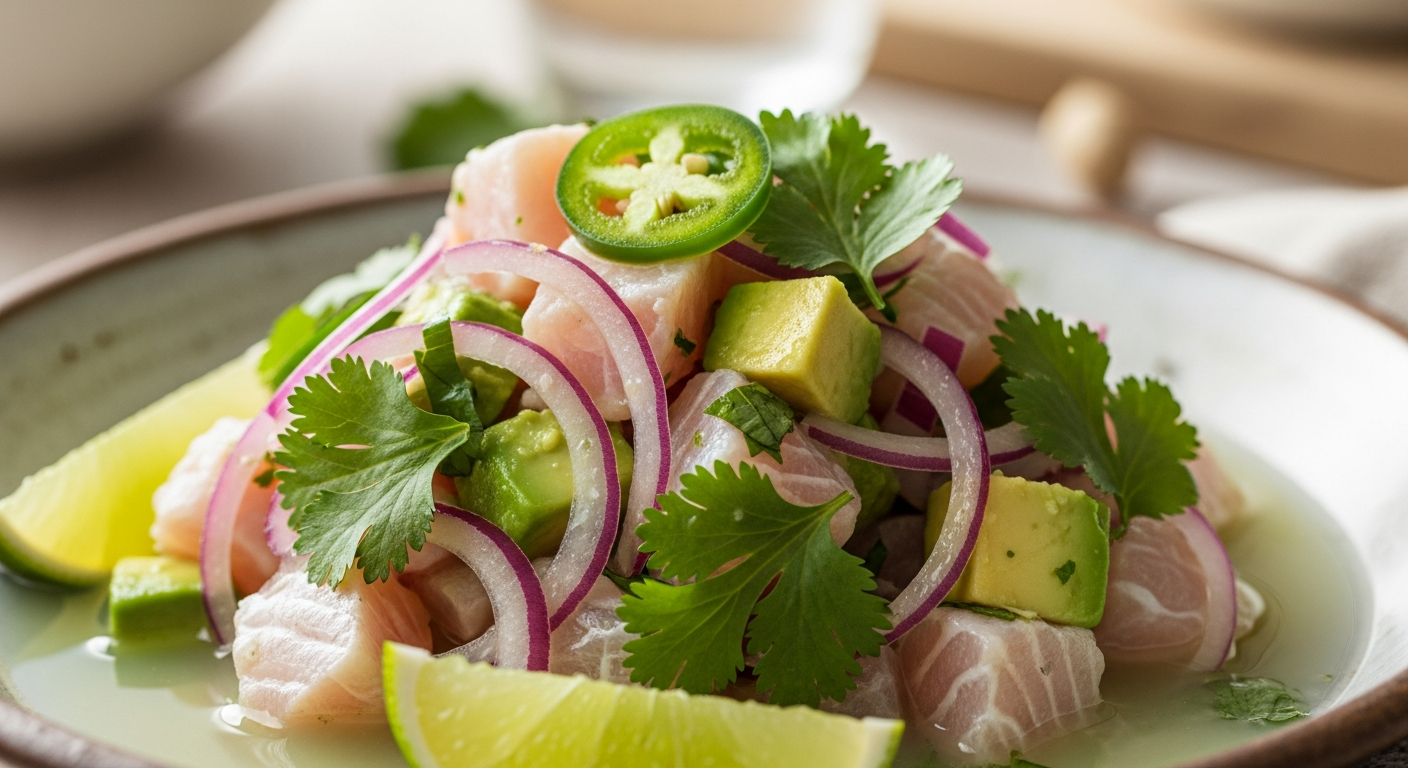
Beneath the sun-drenched skies and along the shimmering coastlines where the ocean meets the shore, a culinary treasure awaits-ceviche. This vibrant dish, celebrated for its refreshing zest and tantalizing freshness, is much more than a simple seafood planning; it is a cultural tapestry woven from the traditions, flavors, and histories of coastal communities. Ceviche Unveiled: A Flavorful Journey to Coastal Delights invites you to explore the origins, variations, and sensory wonders of this iconic dish, revealing how humble ingredients transform into an exquisite celebration of the sea’s bounty. Join us as we dive into the heart of ceviche, uncovering its secrets and savoring the essence of coastal cuisine.
Ceviche Unveiled invites you on an exhilarating voyage through sun-kissed shores, where the ocean’s freshest bounty meets vibrant citrus in a dance of flavors. This iconic dish, celebrated across coastal regions from Peru’s rugged Pacific coast to Mexico’s vibrant beaches, embodies centuries of cultural heritage and culinary innovation. Each bite tells a story of indigenous traditions mingled with colonial influences, resulting in a refreshing, tangy dish that celebrates simplicity and freshness like no other.
Prep and Cook Time
- Preparation: 20 minutes
- Marination: 15-25 minutes
- Total time: 40-45 minutes
Yield
Serves 4 as a light appetizer or refreshing main course.
Difficulty Level
Easy – perfect for both novice cooks and seasoned chefs eager to explore coastal flavors.
Ingredients
- 1 lb fresh white fish (such as sea bass, snapper or tilapia), skinless and cut into 1/2-inch cubes
- 3/4 cup freshly squeezed key lime juice (about 6-8 limes)
- 1/2 medium red onion, thinly sliced
- 1 small jalapeño, seeded and finely chopped
- 1/2 cup fresh cilantro, chopped
- 1 medium ripe avocado, diced (optional)
- 1 medium tomato, seed removed and diced
- 1 teaspoon sea salt
- Freshly ground black pepper, to taste
- 1 tablespoon extra-virgin olive oil (optional, for finishing)
- 1 cup diced cucumber (optional, for added crunch)
Instructions
- Choose the freshest fish: For ceviche, freshness is paramount. Ensure your fish smells clean and firm to the touch.
- Prepare the fish: rinse and pat dry the fish cubes with paper towels to remove excess moisture for better citrus absorption.
- Marinate: place the fish cubes in a non-reactive glass or ceramic bowl. Pour the freshly squeezed lime juice over the fish, ensuring all pieces are submerged. The acid will ‘cook’ the fish by denaturing its proteins.
- Let it rest: Cover and refrigerate for 15-25 minutes. The fish will turn opaque and firm-testing a piece after 15 minutes is recommended to avoid over-marinating, which can make the texture rubbery.
- Prepare the mix-ins: While the fish marinates, thinly slice the red onion and soak in cold water for 10 minutes to mellow its bite. Drain well.
- Combine: Add the drained onions, jalapeño, cilantro, tomato, and cucumber to the marinated fish. Gently fold in the avocado last, if using, to maintain its creamy texture.
- Season: sprinkle salt and freshly cracked black pepper. Drizzle the olive oil for a luscious finish, than toss lightly to unify all flavors.
- Chill briefly: Return the ceviche to the fridge for an additional 5 minutes before serving to let flavors meld beautifully.
- Serve immediately: Ceviche is best enjoyed fresh, celebrated for its bright, lively taste and delicate textures.
Tips for Success
- Opt for firm, mild-flavored fish: Varieties like sea bass, snapper, or tilapia absorb citrus well without overpowering the palate.
- Balance the acidity: Use a combination of key limes and regular limes if key limes are too tart or unavailable. Freshness is key-avoid bottled juices.
- Master the marination time: Over-marinating leads to a rubbery texture; under-marinating can leave fish too raw. Adjust according to fish size and personal preference.
- Customize heat and herbs: Feel free to swap jalapeño with serrano for more heat or add fresh mint for an unexpected twist.
- Make ahead: Prepare the fish and citrus juice separately and combine no more than 30 minutes before serving to preserve freshness.
Serving Suggestions
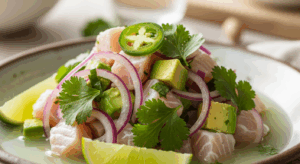
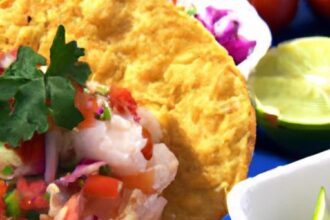
Present your ceviche elegantly in chilled glass bowls or atop crisp tostadas for a delightful crunchy contrast. Garnish with extra cilantro leaves, thin lime wedges, or edible flowers for visual appeal.Serve alongside crunchy plantain chips,sweet potato fries,or a scoop of creamy avocado mashed with a pinch of sea salt. For a refreshing accompaniment, pair with chilled coconut water or a citrus-forward non-alcoholic spritz.
| Nutrient | Per Serving |
|---|---|
| Calories | 180 kcal |
| Protein | 25 g |
| Carbohydrates | 6 g |
| Fat | 4 g |

For an in-depth dive into Peruvian ceviche traditions, visit Peruvian Food culture. discover other coastal seafood recipes in our seafood recipe collection for more culinary inspiration.
Q&A
Q&A: Ceviche Unveiled: A Flavorful journey to Coastal Delights
Q1: What exactly is ceviche, and what makes it so unique?
A1: Ceviche is a vibrant dish originating from the coastal regions of latin America, especially Peru. It features fresh, raw seafood-typically fish or shellfish-“cooked” in the acidity of citrus juices, most commonly lime or lemon. This citrus marinade not only imparts a tangy brightness but also alters the texture of the seafood, creating a bright, refreshing dish that’s as much about the flavor as it is about tradition and coastal culture.
Q2: How does the marination process in ceviche work?
A2: The magic of ceviche lies in its citrus marinade. When seafood is soaked in lime or lemon juice, the acid denatures the proteins in the fish or seafood, similar to heat cooking but without actual heat. This process firms up the flesh and changes its colour from translucent to opaque. It also infuses the seafood with zesty,fresh flavors while maintaining a tender bite-a culinary alchemy that teases the palate with every mouthful.
Q3: What types of seafood are best suited for making authentic ceviche?
A3: The freshest, highest-quality seafood is key to ceviche’s success. White-fleshed fish like sea bass, snapper, or halibut make excellent bases because of their mild flavor and firm texture. Shellfish such as shrimp,scallops,or octopus are also popular in ceviche creations,provided they are fresh and handled with care. The goal is a delicate balance where the acidity enhances the seafood rather than overpowering it.
Q4: are there traditional accompaniments or garnishes that make ceviche even more special?
A4: Absolutely! Ceviche frequently enough comes dressed with thin slices of red onion, chopped cilantro, and fresh chili peppers for a bit of heat. sweet corn, crunchy toasted corn kernels (cancha), or slices of creamy avocado offer textural contrasts that elevate the dish. Serving ceviche with crisp plantain chips or boiled sweet potatoes adds another layer of flavor and tradition, embodying the coastal feast experience.
Q5: Can ceviche be adapted for those who prefer non-seafood options?
A5: While ceviche traditionally celebrates the bounty of the sea, creative cooks sometimes experiment with vegetables like hearts of palm or mushrooms, marinated in the same citrus fashion. These versions can capture the bright essence of ceviche without seafood, making it accessible to vegetarians or those exploring new flavors while honoring the technique’s roots.
Q6: How should ceviche be stored and how long does it stay fresh?
A6: Given its reliance on freshness, ceviche is best enjoyed immediately after preparation. The seafood continues to “cook” in the citrus juice, and over time it can become overly tough or develop off-flavors. If you must store it, keep it chilled in an airtight container and consume within 24 hours to preserve its vibrant taste and texture.
Q7: What cultural importance does ceviche hold in coastal communities?
A7: Beyond its tantalizing taste, ceviche is a culinary symbol that captures the spirit of coastal life-fresh, lively, and deeply connected to the sea. In countries like Peru, ceviche is celebrated annually with festivals and has become a national emblem of pride, representing both ancient tradition and contemporary innovation.It tells a story of the ocean’s generosity and the centuries-old wisdom of preparing food that’s simple, fresh, and full of life.
Q8: What tips do experts offer to make the perfect ceviche at home?
A8: Start with the freshest seafood you can find and don’t over-marinate it-typically 10 to 20 minutes of citrus bath is enough. Use freshly squeezed lime or lemon juice for the sharpest flavor, and balance acidity with complementary flavors like a touch of sweetness from fresh fruit or textural elements like crunchy vegetables. And remember, ceviche is as much about personal taste as tradition-experiment until you find your perfect coastal delight!
The Conclusion
As our flavorful journey through the vibrant world of ceviche comes to a close, we’re reminded that this coastal masterpiece is more than just a dish-it’s a celebration of tradition, culture, and the freshest bounty the sea has to offer. From the tangy burst of citrus to the subtle heat of chili, each bite tells a story of sun-kissed shores and generations of culinary artistry. Whether you savor it by the ocean or recreate it in your kitchen, ceviche invites you to experience the essence of coastal delights-fresh, bold, and endlessly refreshing. So next time hunger calls, let ceviche be your passport to a zestful adventure, one exquisite bite at a time.