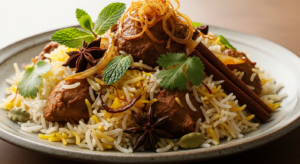





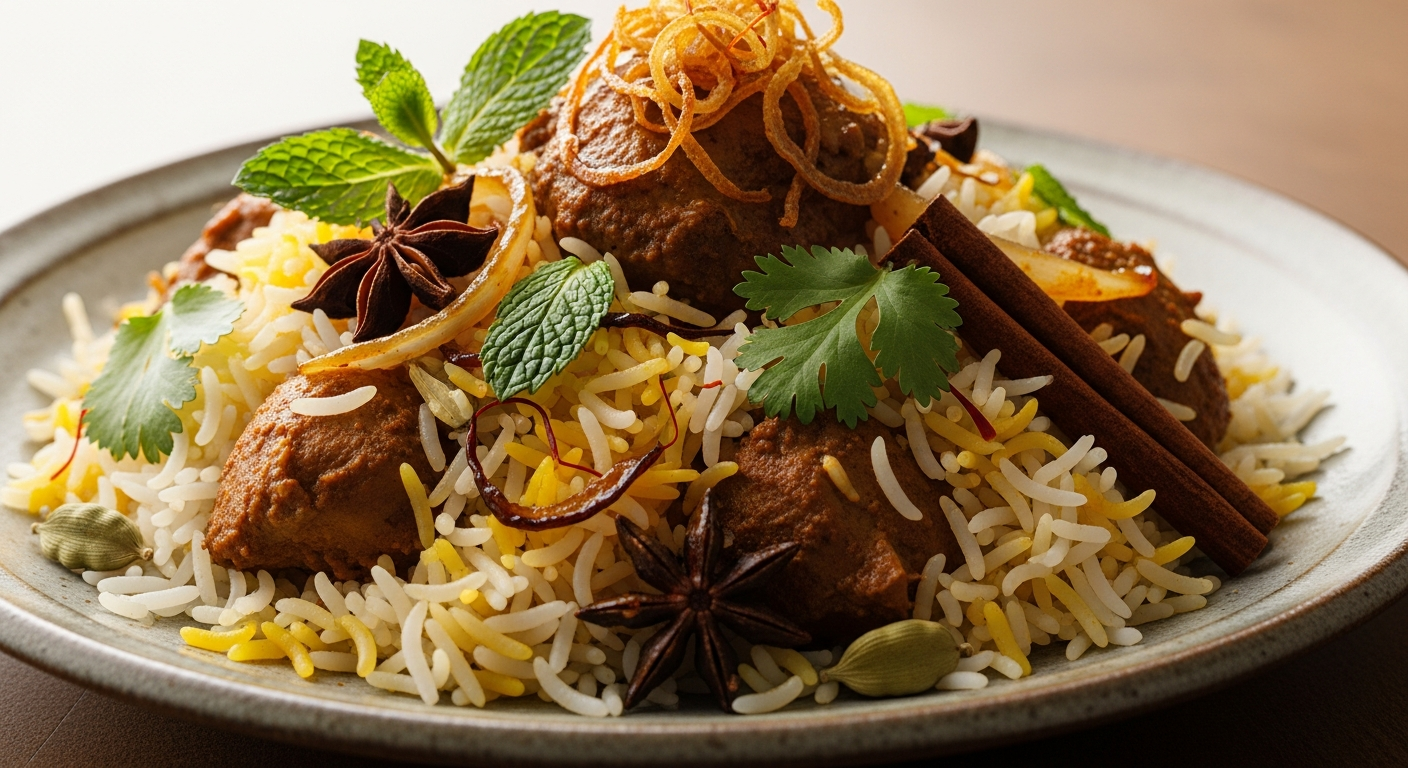
In the fragrant tapestry of global cuisine, few dishes captivate the senses quite like biryani-a harmonious symphony of spiced rice adn tender meat that tells a story as rich as its flavors. “Biryani unveiled: The Art of Spiced rice and Tender Meat” invites you on a culinary journey through the vibrant history, intricate techniques, and regional variations that transform simple ingredients into a regal feast. More than just a meal, biryani is an edible masterpiece where every grain of rice and morsel of meat is thoughtfully layered to create a dish that is both comfort food and cultural heritage. Join us as we unravel the secrets behind this timeless classic, exploring the alchemy that turns spices and steam into magic on a plate.
origins and Evolution of Biryani: Exploring Regional Flavors and Culinary Traditions
Biryani Unveiled: The Art of Spiced Rice and Tender Meat is more than just a dish; it is a storied tapestry woven through centuries and cultures. Originating from the royal kitchens of the Mughal Empire, biryani carries a legacy refined by traders, emperors, and local cooks who embraced regional spices and ingredients. From the fragrant saffron-kissed Hyderabadi biryani to the robust, chili-laden Kolkata style influenced by Bengali traditions, every variant tells a unique tale of geography and palate.
The magic behind this iconic dish lies in the culinary dance of Indian,Persian,and Arab techniques,merged with local flavor palettes.Each bite resonates with history-a fusion of fragrant basmati rice; spices like cardamom, cloves, and cinnamon; and succulent meats marinated to tender perfection.as you master the authentic taste, you become part of a centuries-old tradition celebrating abundance, celebration, and artistry.
Prep and cook Time
- Preparation: 30 minutes
- Marination: 2 hours (minimum)
- Cooking: 45 minutes
- Total Time: Approximately 3 hours 15 minutes
Yield
Serves 6 generously
Difficulty Level
Medium – Perfect for home cooks ready to delve deeper into traditional culinary mastery
Ingredients
- 2 cups basmati rice, rinsed and soaked for 30 minutes
- 1.5 lbs chicken thighs or lamb shoulder, cut into bite-sized pieces
- 1 cup plain yogurt
- 2 large onions, thinly sliced
- 3 tablespoons ghee or vegetable oil
- 2 teaspoons ginger-garlic paste
- 4 green cardamom pods
- 4 cloves
- 2 cinnamon sticks (2-inch pieces)
- 1 bay leaf
- 1 teaspoon cumin seeds
- 1 teaspoon coriander powder
- 1 teaspoon garam masala
- 1 teaspoon turmeric powder
- 1 teaspoon Kashmiri red chili powder (adjust to taste)
- A pinch of saffron strands, soaked in 2 tablespoons warm milk
- Salt to taste
- Fresh mint and coriander leaves, chopped (1/2 cup each)
- Juice of 1 lemon
- Water as required for cooking rice
Instructions
- Marinate the meat: In a large bowl, combine yogurt, ginger-garlic paste, half the sliced onions, turmeric, chili powder, coriander powder, garam masala, lemon juice, and salt. Add the chicken or lamb pieces and mix thoroughly. Cover and refrigerate for at least 2 hours or overnight for best flavor and tenderness.
- Prepare the rice: Bring a large pot of water to boil. Add cardamom, cloves, cinnamon sticks, bay leaf, cumin seeds, and salt. Drain the soaked rice and add to boiling water. Parboil the rice – cook until about 70% done (rice grains still firm). Drain and set aside.
- Sauté onions and aromatics: Heat ghee or oil in a heavy-bottomed pan. Fry the remaining sliced onions until golden brown and crisp. remove half for garnishing. To the pan, add the marinated meat and cook on medium heat for 10-15 minutes until the meat starts to brown and is partially cooked.
- Layering the biryani: In a heavy pot or Dutch oven,layer half of the parboiled rice evenly over the meat mixture. Sprinkle half the chopped mint and coriander leaves, and drizzle half the saffron milk for a golden aroma and color. Repeat layering with the remaining rice, herbs, and saffron milk.Top with the reserved crispy onions.
- Seal and cook by dum (steaming): Seal the pot with a tight-fitting lid or dough (flour and water mix) to trap steam. Cook on the lowest heat possible for 30-40 minutes. Use a heat diffuser if available to avoid direct contact with the flame. This slow steaming allows flavors to marry and rice to finish cooking perfectly, absorbing all spices.
- Rest and serve: Once cooked, allow the biryani to rest sealed for 10 minutes. Gently fluff it with a fork, mixing the layers slightly while preserving the distinct textures. Serve hot with cooling raita or a crisp salad for balance.
Tips for Success
- Spice blend mastery: Toast whole spices lightly before grinding fresh for maximum aromatic impact.
- Rice texture: Avoid overcooking rice during the parboil stage; it should hold its shape after steaming.
- meat selection: Choose cuts with a bit of marbling for juiciness; lamb shoulder and chicken thighs remain tender and flavorful after slow cooking.
- Marination time: The longer you marinate, the more tender and infused the meat becomes-overnight is ideal.
- Layering: Resist stirring aggressively to keep the signature wispy layers intact.
- Make-ahead: marinate meat up to 24 hours in advance and refrigerate; reheat gently before layering.
Serving Suggestions
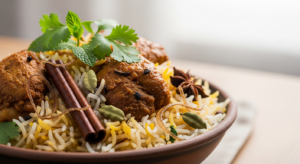
Present this beautiful dish on a large platter to showcase the vibrant colors and layers. Garnish with fresh mint leaves, a sprinkle of toasted nuts (like cashews or almonds), and a side of cooling cucumber raita. Pair with a simple kachumber salad or roasted vegetables to contrast the rich spices. For a visually stunning meal, serve alongside bright lemon wedges and chopped fresh herbs, elevating both flavor and appearance.
| Nutrient | per serving (approx.) |
|---|---|
| Calories | 520 kcal |
| Protein | 35 g |
| Carbohydrates | 50 g |
| Fat | 18 g |
For deeper insight on traditional Indian spices, visit the Encyclopedia Britannica spice overview.
Discover more aromatic rice dishes in our detailed guide on perfect Pilaf Techniques.
Q&A
Q&A: Biryani Unveiled: The Art of Spiced Rice and Tender Meat
Q1: What makes biryani such a beloved dish worldwide?
A1: Biryani’s global allure stems from its masterful blend of fragrant spices, tender meat, and perfectly cooked rice. It’s a culinary symphony where every element-from the sizzling caramelized onions to the aromatic saffron-harmonizes to create a vibrant experience that’s both comforting and exotic. This fusion of textures and flavors tells stories of ancient trade routes and cultural exchange, making biryani much more than just a meal.
Q2: How does the choice of spices influence the biryani’s character?
A2: Spices are the soul of biryani. Whole spices like cardamom, cloves, cinnamon, and bay leaves infuse the dish with warmth and complexity, while ground spices such as turmeric, chili, and coriander add depth and color. The careful balance and layering of these spices create a multidimensional flavor, awakening the palate with each bite and giving biryani its signature aromatic richness.
Q3: Why is the rice preparation crucial in making authentic biryani?
A3: The rice in biryani must be long-grain, typically basmati, prized for its fluffy texture and fragrant aroma. Parboiling the rice before layering ensures each grain remains separate and fluffy, avoiding the dreaded mushiness.The rice acts as a delicate bed, absorbing the meat’s juices and the infused spices, binding the components without overpowering them.
Q4: What techniques help achieve tender, flavorful meat in biryani?
A4: Achieving tender meat is an art that involves marinating with yogurt and spices, which tenderizes and infuses aroma. Slow cooking the meat allows the connective tissues to break down gently, yielding softness that melts in the mouth.The layering process, called “dum,” traps steam and lets flavors merge subtly over time-transforming the meat into a luscious centerpiece.
Q5: Can biryani be customized to suit different dietary preferences?
A5: absolutely! Biryani is incredibly versatile.While traditional versions often feature chicken, lamb, or goat, vibrant vegetarian and seafood biryanis showcase seasonal vegetables, paneer, or fish. The spice base remains consistent, ensuring a rich flavor regardless of the protein or vegetable choice. This adaptability helps biryani transcend cultural boundaries while honoring its roots.
Q6: How does the “dum” cooking method enhance biryani?
A6: “Dum” is a slow-steaming technique where the pot is sealed tightly, frequently enough with dough, to trap steam and flavors inside. This gentle heat circulation allows spices,rice,and meat to meld intimately,marrying textures and aromas into a cohesive whole. The result is a biryani bursting with layered flavors, where each forkful offers a new dimension to savor.
Q7: What role do garnishes play in the overall biryani experience?
A7: Garnishes like fried onions, fresh mint, and coriander leaves offer a vibrant contrast in both flavor and texture. Crispy onions add a sweet crunch, while fresh herbs bring brightness and a splash of color. some also sprinkle nuts and dried fruits for unexpected bursts of sweetness and richness, elevating the dish from hearty to heavenly.
Q8: how has biryani evolved across regions while maintaining its essence?
A8: Biryani’s journey through regions has birthed an array of distinct styles-from the spicy Hyderabadi to the subtly fragrant lucknowi, or Kolkata’s signature use of potatoes. Each version reflects local tastes and available ingredients but shares a commitment to harmony between rice and meat, spices and patience. This evolution celebrates diversity within unity-a hallmark of biryani’s enduring legacy.
This Q&A dives into the intricate art of biryani, revealing why it continues to captivate food lovers with every fragrant, flavorful serving.
Wrapping Up
As the final grains of saffron-infused rice settle and the lingering aroma of slow-cooked spices fades into memory, we find that biryani is far more than just a dish-it is a tapestry woven from history, culture, and culinary mastery. Each layer of tender meat and fragrant rice tells a story of artistry and tradition, inviting us to savor not only its flavors but also the heritage it carries. Whether enjoyed at a bustling street stall or a festive family gathering, biryani remains a timeless celebration of flavor and craftsmanship-truly unveiling the magic that happens when spiced rice and tender meat come together in perfect harmony.