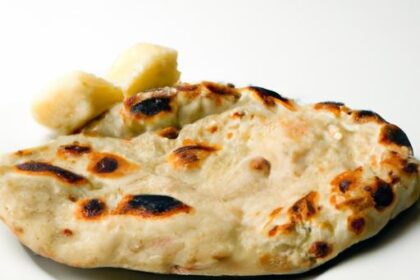


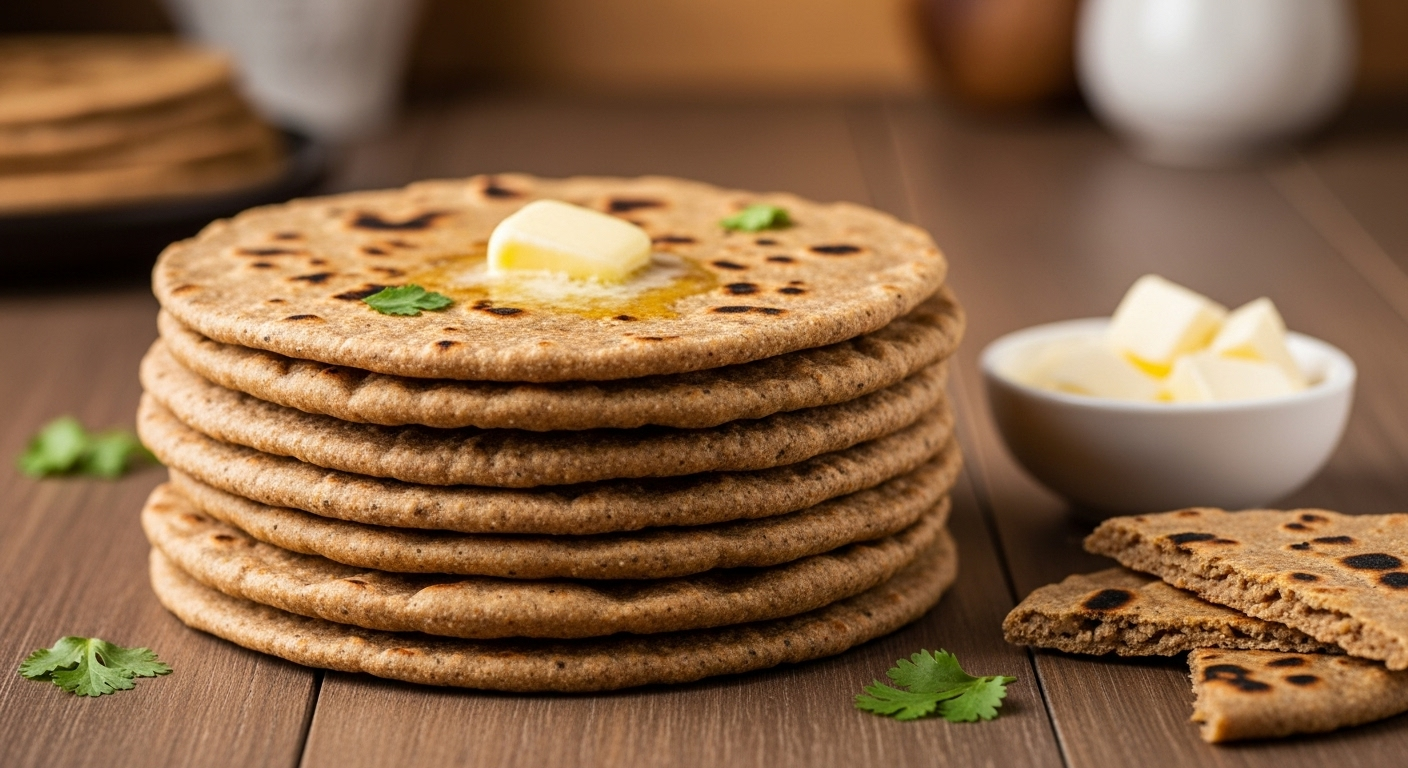
In the tapestry of ancient grains that have nourished civilizations for millennia, bajra-or pearl millet-stands out as a humble yet mighty staple. Transformed into bajra roti,this golden flatbread carries the legacy of arid lands and resilient traditions,delivering not just sustenance but a wealth of health benefits in every bite. As modern palates seek wholesome alternatives to refined grains, bajra roti emerges from the rustic hearth, inviting us to rediscover a hearty, gluten-free marvel that’s as rich in history as it is indeed in nutrition. Join us on a flavorful journey into the world of bajra roti, where age-old wisdom meets contemporary wellness.
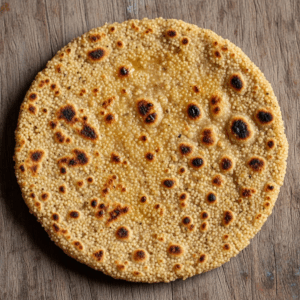
Bajra Roti,the ancient pearl millet flatbread,has been a cherished staple in Indian households for centuries.Its nutty flavor and hearty texture not only delight the palate but also offer a remarkable nutritional profile, making it a true superfood in traditional and modern diets alike. Growing up in a Rajasthani household, I remember my grandmother’s gentle hands rolling out the golden dough by the light of an earthen stove, crafting rotis that were soft yet robust, the perfect canvas for spicy chutneys and creamy dals. This classic flatbread carries not just history but health, embodying wholesome goodness with every bite.
Prep and Cook Time
- Readiness: 15 minutes
- Resting: 10 minutes
- Cooking: 15 minutes
- Total Time: 40 minutes
Yield
Approximately 6 medium-sized rotis
Difficulty Level
Medium – requires some practice to perfect the softness and pliability
Ingredients
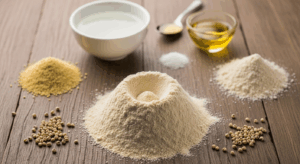
- 2 cups bajra flour (pearl millet flour), freshly milled if possible
- 1 cup warm water (adjust as needed for kneading)
- 1/2 teaspoon salt (optional, enhances flavor)
- 1 tablespoon finely chopped fresh coriander (optional, for aroma)
- 1 teaspoon ghee or oil (for cooking and kneading)
- Extra bajra flour for dusting the rolling surface
Instructions
- Combine the bajra flour and salt in a large bowl. Slowly add the warm water while mixing with your hand or a spoon untill it begins to come together.
- Knead gently inside the bowl using your palm to form a soft yet firm dough. The dough may feel a bit crumbly initially, but continue kneading for about 7 minutes until it holds shape. Add small drops of water carefully if needed.
- mix in the chopped coriander and a teaspoon of ghee to enhance softness and flavor. Cover the dough with a damp cloth and let it rest for 10 minutes.
- Divide the dough into 6 equal portions and roll them into smooth balls, dusting lightly with bajra flour.
- Flatten each ball between your palms, then place on a clean, floured surface.Using a rolling pin, gently roll into a roughly 6-7 inch circle. It’s normal if edges crack slightly-that’s part of the artisanal charm.
- Heat a tava or cast iron skillet over medium-high heat until hot. Place the rolled roti onto the skillet.
- Cook on one side for 30-40 seconds until you see small bubbles forming, then flip and cook the other side for 30-40 seconds.
- Press gently on the roti’s surface with a spatula or clean cloth to encourage puffing and even cooking, flipping once more if needed. Apply a little ghee around the edges for a golden, flaky finish.
- Remove and wrap cooked bajra rotis in a clean kitchen towel to keep warm and soft. repeat with remaining dough balls.
Tips for Success
- Use warm water: This makes kneading easier and helps develop pliability in the bajra flour, which lacks gluten.
- Rest your dough: Allowing the dough to rest for at least 10 minutes hydrates the flour better, resulting in softer rotis.
- Don’t over-roll: Bajra dough is fragile and can crack; aim for gentle, even rolling to maintain a rustic texture.
- Cooking temperature is key: Too hot, and the roti burns without cooking through; too low, and it becomes dry and hard.
- Make ahead: Prepared dough can be refrigerated for up to 24 hours; bring to room temperature before rolling.
Serving suggestions
Enjoy bajra roti warm, brushed generously with fresh ghee for a melt-in-the-mouth experience. Pair it delightfully with a hearty spiced lentil dal or fresh yogurt to balance its earthy flavors. For a vibrant contrast, serve alongside tangy pickles or a cool cucumber raita. Garnish with freshly chopped coriander or a squeeze of lemon to brighten the plate. Bajra roti also acts as a hearty base for stuffing-try folding with sautéed potatoes, peas, and mild spices for a wholesome snack.

The nutritional Edge of Bajra Roti
| Nutrient | Per 1 Roti (approx.) |
|---|---|
| Calories | 120 |
| Protein | 3.5g |
| Carbohydrates | 22g |
| Fiber | 4g |
| Fat | 1.5g |
| Iron | 10% DV |
Incorporating bajra roti into your modern healthy diet is a brilliant way to embrace ancient grains packed with fiber, essential minerals like iron, and a low glycemic index that supports balanced blood sugar levels.For more nutritious flatbread options, check out our millet flour flatbread guide.
For an in-depth look at the global benefits of millet consumption, visit the food and Agriculture Institution’s millet resource page.
Q&A
Q&A: Bajra Roti – Ancient Pearl Millet Flatbread, Healthy & Hearty
Q1: What is Bajra Roti, and why is it called the “Ancient Pearl Millet Flatbread”?
A: Bajra Roti is a traditional Indian flatbread made from pearl millet flour, known locally as bajra.The term “ancient” reflects its centuries-old heritage, as pearl millet has been cultivated since prehistoric times in arid regions. Revered for its resilience and nutrition, bajra Roti embodies ancestral wisdom in a simple, wholesome form.
Q2: What makes pearl millet special compared to other grains?
A: Pearl millet is a nutritional powerhouse. It’s naturally gluten-free, rich in fiber, essential minerals like iron and magnesium, and packed with protein. Its hearty, nutty flavor sets it apart and makes it notably nourishing, especially in regions where other grains struggle to grow.
Q3: how is Bajra Roti traditionally prepared?
A: Traditionally, bajra flour is mixed with warm water to form a soft dough, frequently enough without yeast or leavening agents. The dough is shaped into small balls, flattened by hand or with a rolling pin, and cooked on a hot griddle until golden brown. Sometimes, a little ghee or oil is brushed on top for added richness.
Q4: Can Bajra Roti be made gluten-free?
A: Yes! Bajra itself is naturally gluten-free, making Bajra Roti an excellent choice for people with gluten sensitivities or celiac disease. Just ensure that the pearl millet flour is uncontaminated by gluten-containing grains.
Q5: What are some health benefits of eating Bajra roti regularly?
A: Bajra Roti supports heart health due to its high magnesium content, aids digestion with its dietary fiber, helps regulate blood sugar levels, and boosts energy through complex carbohydrates. Its low glycemic index makes it a smart carbohydrate choice for sustained vitality.
Q6: How does Bajra Roti complement a balanced meal?
A: Bajra Roti pairs beautifully with hearty vegetable curries, dal (lentils), or chutneys, balancing protein and fiber with satisfying texture. It acts as a wholesome vehicle for vibrant Indian flavors while adding its own subtle, earthy taste.
Q7: Are there any modern twists on traditional Bajra Roti?
A: Absolutely! Contemporary chefs experiment by adding herbs like fenugreek or mint to the dough, or incorporating spices such as turmeric and cumin. Some blend bajra with other flours like whole wheat or jowar for a multidimensional flavor and texture. Additionally, Bajra Roti can be transformed into crispy chips or savory wraps.
Q8: What’s the best way to store Bajra flour to maintain its freshness?
A: Because bajra flour tends to oxidize quickly due to its high oil content, store it in an airtight container in a cool, dark place. Refrigeration or freezing can extend its shelf life significantly, preserving flavor and nutrients.Q9: Is Bajra Roti suitable for all age groups?
A: Yes! Its nutrient density benefits children, adults, and seniors alike.However,since pearl millet is rich in fiber,it’s advisable to introduce Bajra Roti gradually into the diet for those unaccustomed to high fiber foods,to allow the digestive system to adapt.
Q10: How does Bajra Roti reflect cultural and environmental sustainability?
A: Bajra thrives in dry, arid climates with minimal water, making it a lasting crop in many drought-prone areas. Integrating Bajra roti into diets supports biodiversity and honors farming traditions that harmonize with the environment – a tasty way to connect with nature’s rhythms.
Discover the ancient charm and nourishing embrace of Bajra roti – where heritage meets health in every wholesome bite.
In Summary
As we close the chapter on the humble yet mighty Bajra Roti, it’s clear that this ancient pearl millet flatbread is much more than a simple meal-it’s a nourishing journey through history, culture, and wellness. Rooted in tradition and fueled by wholesome goodness, Bajra Roti stands as a testament to how age-old foods continue to offer vitality and heartiness in our modern diets.Whether you’re seeking a gluten-free alternative, a boost of fiber, or a taste of rustic heritage, embracing Bajra Roti can connect you to the earth’s bounty while fueling your body with nature’s finest. So next time you try this golden, grainy delight, remember you’re savoring a legacy of health that’s been cherished for centuries-one hearty bite at a time.