

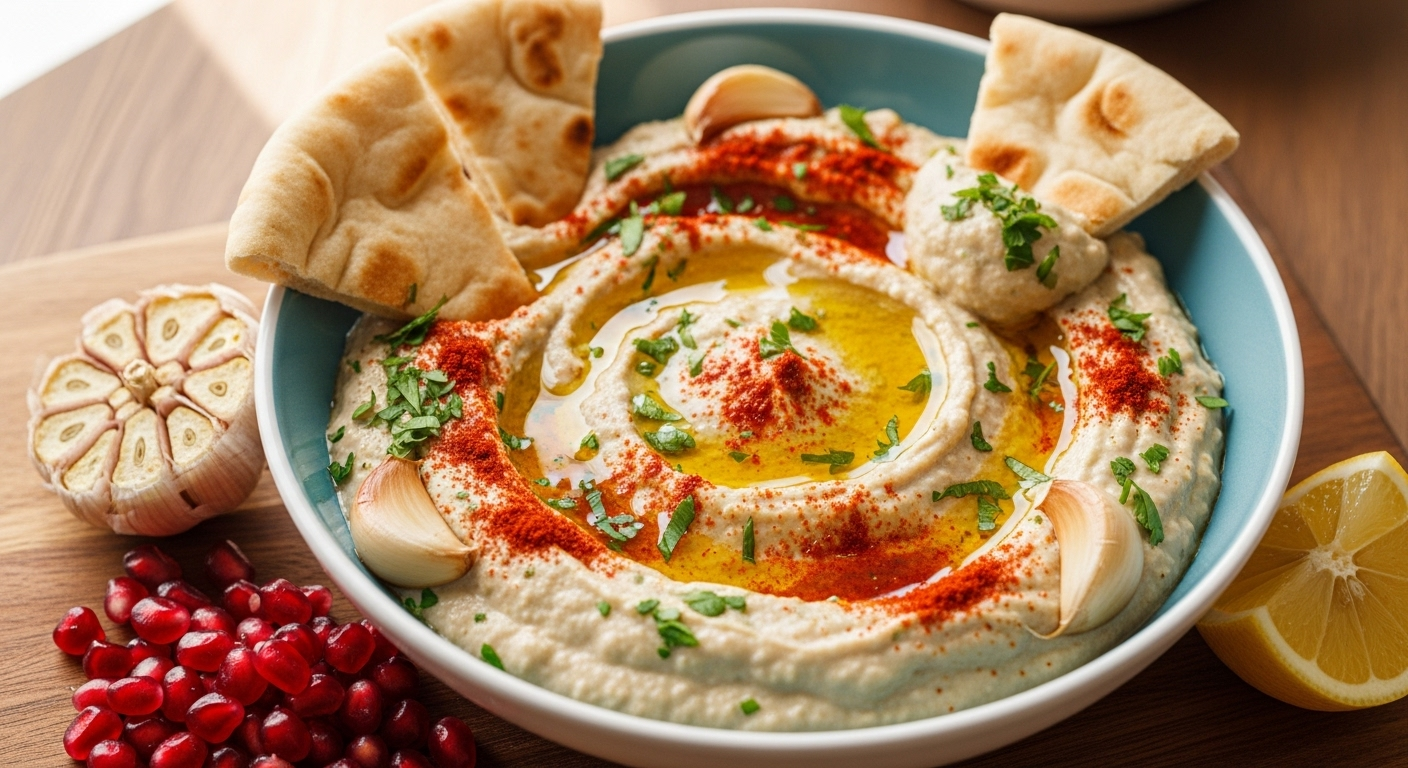
In the world of Mediterranean cuisine, few dishes capture the essence of smoky, silky, and savory quite like baba ganoush. This enchanting eggplant dip, steeped in centuries of tradition, invites a dance of flavors-charred flesh mingling with tahini’s creamy embrace, a hint of garlic’s warmth, and lemon’s bright spark. Yet, beneath its deceptively simple appearance lies a culinary art waiting to be mastered. “Baba Ganoush Unveiled: mastering the Smoky eggplant Dip” embarks on a flavorful journey, revealing the secrets and techniques that elevate this humble dish from everyday snack to a show-stopping centerpiece. Whether you’re a seasoned cook or a curious foodie, prepare to uncover the smoky magic that transforms eggplant into an irresistible spread bursting with character and charm.
Baba Ganoush Unveiled: Mastering the smoky eggplant dip begins with selecting the perfect eggplant, the heart of this beloved Middle Eastern delicacy. Choosing the right eggplant not only impacts the depth of smokiness but defines the dip’s luscious texture and vibrant flavor profile. Whether you’re a seasoned home cook or just discovering baba ganoush, this guide will inspire you to unlock the secrets behind achieving that unmistakable creamy, smoky, and balanced flavor - enhanced masterfully with bursts of garlic, zesty lemon, and silky tahini.
Prep and Cook time
Total: 1 hour 15 minutes (15 minutes prep + 1 hour roasting and resting)
Yield
Serves 6 as a dip or appetizer
difficulty Level
Medium – Requires careful roasting and seasoning finesse
Ingredients
- 2 large globe eggplants, firm and glossy, about 1.5 lbs each
- 3 cloves garlic, finely minced
- 1/4 cup tahini, well stirred
- 3 tbsp fresh lemon juice, preferably freshly squeezed
- 2 tbsp extra virgin olive oil, plus more for drizzling
- 1/2 tsp sea salt, or to taste
- 1/4 tsp smoked paprika (optional, for accentuated smokiness)
- Fresh parsley, chopped (for garnish)
- Sumac or pomegranate seeds (optional garnishes)
Instructions
- Selecting and preparing eggplants: Choose firm, heavy eggplants with smooth, shiny skin. Avoid those with blemishes or soft spots. Rinse and pat dry thoroughly.
- Roasting to achieve deep smokiness: Preheat yoru oven to 450°F (230°C). prick eggplants with a fork in several spots to release steam. Place directly on the oven rack or over a preheated cast iron skillet to encourage smoky charring. Roast for about 45-50 minutes, turning every 15 minutes, until the skin is deeply charred and the flesh is tender and collapsing.
- rest and cool: Transfer eggplants to a bowl and cover with plastic wrap or a plate to steam for 10-15 minutes. This helps loosen the pulp while preserving moisture.
- Extract and drain: Split the eggplants open lengthwise and scoop out the smoky flesh with a spoon, avoiding bitter charred skin bits. Place flesh in a fine sieve or cheesecloth-lined colander and let drain for 10 minutes to prevent watery baba ganoush.
- Flavor building: In a bowl, combine the drained eggplant flesh, minced garlic, tahini, lemon juice, olive oil, sea salt, and smoked paprika (if using). Use a fork or a mortar and pestle for a slightly chunky texture, or a food processor for ultra-smooth consistency. Taste and adjust seasoning.
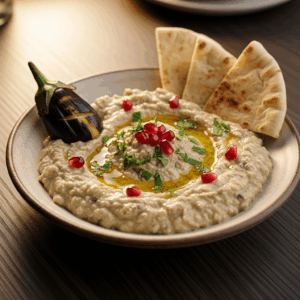
- Plate and garnish: Transfer to a shallow serving dish. Use the back of a spoon to create gentle swirls on the surface.Drizzle additional olive oil, garnish with chopped fresh parsley and a sprinkle of sumac or pomegranate seeds for vibrant color and texture contrast.
Tips for Success
- For maximum smokiness: Try finishing eggplants on a charcoal grill or an open gas burner flame if weather permits, turning frequently enough to get an authentic char.
- Drainage matters: Overly watery baba ganoush dilutes flavor and changes texture. Proper draining after roasting is key.
- Garlic control: Raw garlic can easily overpower.Start with less, then add more to taste after blending.
- Make ahead: Baba ganoush tastes even better after resting overnight in the fridge, allowing flavors to meld.
- Substitutions: If tahini is unavailable, blend 2 tablespoons of toasted sesame seeds with olive oil until smooth.
- Texture preference: Smooth vs. chunky differs culturally; don’t hesitate to experiment.
Serving Suggestions
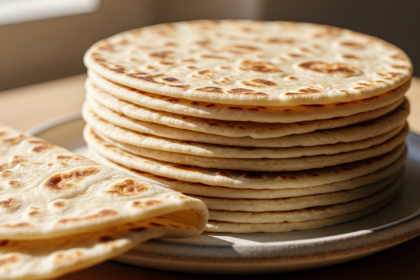
Serve baba ganoush alongside warm, pillowy pita bread or crisp vegetable crudités for a flavorful appetizer or snack. For an elevated presentation, layer the dip in a shallow dish and artistically scatter bright red pomegranate seeds, a drizzle of high-quality extra virgin olive oil, and fresh herbs like parsley or mint.Consider pairing with a side of pickled cucumbers or spicy roasted chickpeas for crunch contrast and added dimension.

| Nutrient | Per Serving |
|---|---|
| Calories | 130 kcal |
| Protein | 3 g |
| Carbohydrates | 10 g |
| Fat | 9 g |
For those craving additional inspiration, explore our classic hummus recipe for another Middle Eastern dip favourite that pairs beautifully with baba ganoush. To deepen your understanding of eggplant varieties and grilling techniques, consult Serious Eats’ eggplant grilling guide,an excellent resource for culinary enthusiasts.
Q&A
Q&A: Baba Ganoush Unveiled: Mastering the Smoky Eggplant Dip
Q1: What exactly is baba ganoush, and where does it come from?
A1: Baba ganoush is a luscious Middle eastern dip made primarily from roasted eggplants, blended into a creamy texture with tahini, garlic, lemon juice, and olive oil. Its origins trace back to the Levant region, including countries like Lebanon, Syria, and Palestine, where it has been a beloved staple for centuries.The magic lies in its smoky flavor, which comes from roasting or charring the eggplants, giving it a distinctively rich and earthy character.
Q2: How do you achieve the perfect smoky flavor in baba ganoush?
A2: The key to that signature smoky taste is roasting the eggplants until their skins are blistered and charred. You can do this over an open flame on a grill, under a broiler, or even directly on a gas stove burner.The eggplant’s soft flesh absorbs that smokiness, elevating the dip from merely creamy to deeply flavorful. Be patient-roast until the eggplants collapse wholly and feel tender to the touch.
Q3: Can I make baba ganoush without a grill or stove flame?
A3: Absolutely! While direct charring imparts the best smoky essence, you can roast eggplants in a high-temperature oven (around 450°F/230°C) on a baking sheet. It won’t be quite the same as an open flame, but you can mimic some smokiness by adding a small pinch of smoked paprika or using a smoked salt when seasoning the dip.
Q4: What’s the difference between baba ganoush and mutabbal?
A4: Though often used interchangeably, baba ganoush and mutabbal have subtle differences. Baba ganoush is typically chunkier and often includes additional ingredients like chopped tomatoes or herbs. Mutabbal focuses on the creaminess of roasted eggplants mixed with tahini and garlic, resulting in a smoother, more uniform dip. Regional variations blur these distinctions, but the smoky eggplant remains the star in both dishes.
Q5: How can I tweak the texture of baba ganoush to my liking?
A5: Baba ganoush is flexible! For a creamier dip, blend your ingredients longer or add a bit more tahini and olive oil. For a chunkier, more rustic texture, pulse the ingredients just a few times or mash the eggplant by hand. some prefer finely chopped parsley, pomegranate seeds, or a sprinkle of sumac on top to add texture and visual appeal.Q6: Is baba ganoush healthy?
A6: Indeed! Baba ganoush is rich in fiber, vitamins, and antioxidants from eggplants, plus heart-healthy fats from tahini and olive oil. It’s naturally plant-based,vegan-friendly,and gluten-free,making it an excellent choice for nutritious snacking or as an appetizer at any gathering.
Q7: What are some ideal pairings for serving baba ganoush?
A7: Baba ganoush shines as a dip with warm pita bread, crisp vegetable sticks like carrots or cucumbers, or alongside grilled vegetables. It also makes a fantastic spread for sandwiches or a tangy complement to roasted meats and grains. Its versatility lets you get creative, letting smoky richness enhance a variety of dishes.
Q8: How do I store baba ganoush to maintain freshness?
A8: Store baba ganoush in an airtight container in the refrigerator.It’s best enjoyed within 3-4 days. To prevent the top from oxidizing and turning brown, drizzle a thin layer of olive oil over the surface before sealing. Give it a good stir before serving to refresh its texture.Q9: Can baba ganoush be frozen?
A9: While you can freeze baba ganoush, it’s best eaten fresh for optimal flavor and texture. When thawed, it may separate slightly but can be stirred back together. Freeze in small portions for convenience and thaw gradually in the fridge.
Q10: Any tips for perfecting the garlic and lemon balance in baba ganoush?
A10: Start with a moderate amount of garlic and lemon juice, then taste as you go. Garlic adds pungency, while lemon juice brightens the earthy eggplant base. Some prefer a more garlicky kick; others love a zingy lemon finish. Freshly squeezed lemon juice is essential-bottled versions can alter the flavor. Remember,baba ganoush is about harmony,so adjust slowly to suit your palate.
Enjoy your journey into the smoky depths of baba ganoush-the Middle East’s gift to the world’s appetizer table!
In Conclusion
As the rich, smoky aroma of baba ganoush lingers on your palate, you’ve uncovered more than just a recipe-you’ve embraced a culinary tradition that transforms humble eggplants into a masterpiece of flavor and texture. Whether served as a vibrant appetizer or a versatile accompaniment, mastering this dip invites you to savor the delicate balance of charred earthiness and creamy indulgence. so next time you light up your grill or fire up the oven, remember: beneath that silky surface lies a world of smoky secrets waiting to be unveiled, one luscious scoop at a time.