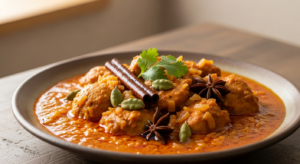




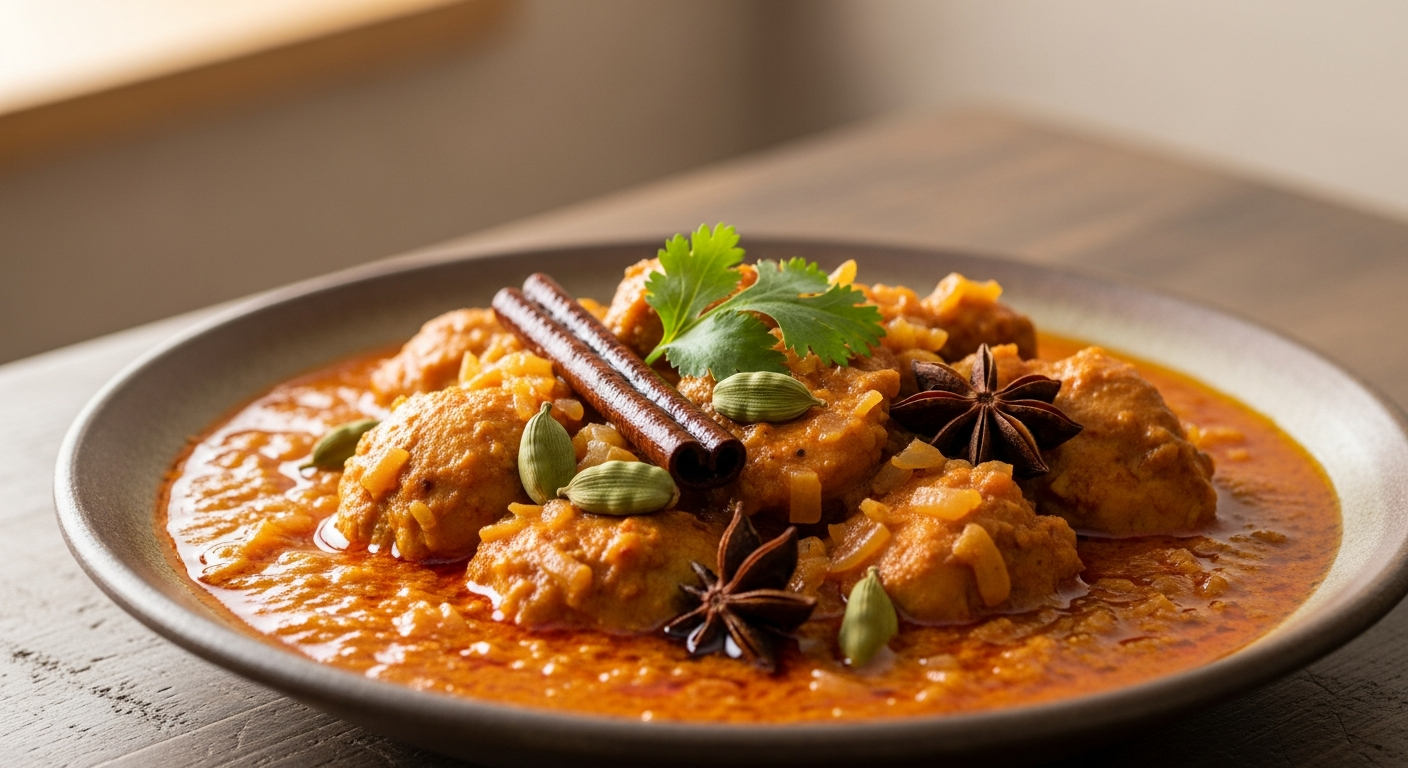
There’s something irresistibly magical about the aroma of a simmering Indian chicken curry-a rich tapestry of spices mingling with tender morsels of meat, inviting you to embark on a culinary journey through vibrant markets and ancient traditions. Mastering authentic Indian chicken curry is not just about following a recipe; it’s about understanding the delicate balance of flavors, the harmony of textures, and the soulful heritage that transforms humble ingredients into a feast for the senses.
In this article, we’ll dive into the heart of India’s diverse spice palette, reveal techniques passed down through generations, and guide you step-by-step to create a chicken curry that is as bold and comforting as the culture it springs from. Get ready to savor every bite of this timeless classic and bring the essence of India into your kitchen.
Savor the Flavors of Indian cuisine by mastering the art of selecting the perfect blend of spices that elevate a chicken curry to an aromatic masterpiece. The secret lies in the harmonious layering of bold, earthy spices and the vibrant freshness of herbs, combined with the creamy warmth that traditional indian cooking techniques bring. Whether you are a seasoned cook or a curious enthusiast, this guide will inspire you to create a richly scented, flavorful curry that is as inviting to the senses as it is comforting to the soul.
Prep and Cook Time
- Preparation: 20 minutes
- Marination: 1 hour (minimum)
- Cooking: 40 minutes
- Total Time: 2 hours
Yield
Serves 4 generous portions
Difficulty level
Medium – Ideal for home cooks eager to deepen their understanding of Indian spice blends and techniques
Ingredients
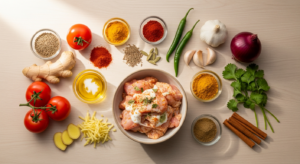
- 1.5 lbs chicken thighs, boneless, skinless, cut into chunks
- 1 cup plain yogurt, thick and creamy
- 2 tbsp ginger-garlic paste
- 1 tbsp fresh lemon juice
- 2 tbsp sunflower or vegetable oil
- 1 large onion, finely sliced
- 2 medium tomatoes, pureed
- 1 tsp turmeric powder
- 1 tsp red chili powder
- 1 tbsp coriander powder
- 1 tsp cumin seeds
- 1 tsp garam masala
- 1 cinnamon stick
- 3 green cardamom pods
- 4 cloves
- 1 bay leaf
- 1 cup coconut milk (for a creamy finish)
- Handful fresh cilantro leaves, roughly chopped
- Salt, to taste
Instructions
- Prepare the marinade: In a bowl, combine the yogurt, ginger-garlic paste, lemon juice, turmeric, red chili powder, and a pinch of salt. Add the chicken pieces and coat evenly. Cover and refrigerate for at least 1 hour to tenderize and infuse spice layers.
- heat oil in a heavy-bottomed pan over medium heat. Add the cumin seeds, cinnamon stick, cardamom pods, cloves, and bay leaf. Sauté until fragrant, about 1 minute.This blooming of whole spices releases their essential oils for depth in flavor.
- add the sliced onions and cook slowly until golden brown, approximately 10 minutes. Stir frequently to avoid burning, enabling natural caramelization for sweetness that balances heat.
- Stir in the pureed tomatoes and cook for 7-8 minutes until the oil starts to separate from the mixture. This indicates the base is ready and richly concentrated.
- Add the coriander powder and gently fry for 30 seconds, then incorporate the marinated chicken along with all the marinade.Sauté on high heat initially for 5 minutes to sear the meat and lock in juiciness.
- Reduce the heat, cover, and simmer for 20 minutes, stirring occasionally. This slow cooking melds the spices deeply into every bite.
- Pour in the coconut milk and stir well. simmer uncovered for another 5-7 minutes to achieve a luscious, creamy texture without overpowering the spice balance.
- Sprinkle garam masala and fresh chopped cilantro just before turning off the heat. Fold gently to distribute the fresh herbal brightness that contrasts the warmth of the spices.
- Adjust salt and spice levels to taste,then remove the whole spices (bay leaf,cinnamon stick,cloves,cardamom pods) before serving for smooth indulgence.
Tips for Success
- Marination time is key: The longer the chicken soaks in the yogurt and spices, the deeper and more tender the flavor. Overnight marination is ideal if time permits.
- Use thigh meat: boneless, skinless chicken thighs stay moist and juicy through slow cooking, unlike breast meat which can dry out.
- Bloom your spices: Never skip frying whole spices in oil first – it’s essential for unlocking authentic aroma and flavor.
- Coconut milk adds creaminess: for a dairy-free creamy option, it smooths the heat while maintaining a tropical undertone that is traditional in many regional curries.
- adjust heat carefully: Customize chili powder and fresh green chilies if using to suit your preference.
- Make ahead & store: This curry tastes even better the next day as flavors deepen. Reheat gently on low heat with a splash of water or coconut milk to maintain moisture.
Serving Suggestions
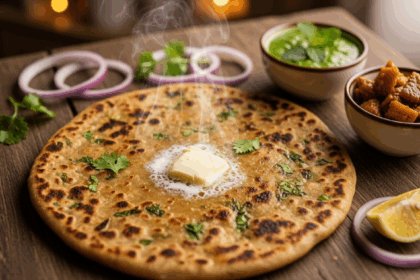
Present this aromatic chicken curry with steamed basmati rice or freshly made naan bread to soak up the rich sauce. Garnish with vibrant cilantro leaves and a wedge of fresh lemon to brighten each bite. For added textural contrast and color, serve alongside a crisp cucumber raita or spiced papadam. A simple drizzle of ghee just before serving can also intensify the luscious mouthfeel and aroma, impressing guests with both flavor and finesse.
| Nutritional Info (per serving) | Amount |
|---|---|
| Calories | 380 kcal |
| Protein | 35g |
| Carbohydrates | 15g |
| Fat | 18g |
For further inspiration on Indian flavors and spice blending, check our comprehensive spice blending guide. To deepen your understanding of the cultural history behind these ingredients, visit Britannica’s overview on Indian cuisine.
Q&A
Q&A: Savor the Flavors – Mastering Authentic Indian Chicken Curry
Q1: What makes Indian chicken curry truly authentic?
A: Authentic Indian chicken curry thrives on its vibrant blend of spices, fresh ingredients, and slow, loving cooking. it’s not just about heat but harmony-layers of cumin, coriander, turmeric, garam masala, and fresh ginger and garlic melded together to create a deeply flavorful, aromatic sauce. Authenticity comes from balance, regional influences, and the patience to let the flavors deepen over time.
Q2: How do I choose the right chicken for the best curry?
A: For the richest curry, opt for bone-in, skinless chicken pieces. They retain moisture and contribute extra flavor to the gravy as they cook. While boneless chicken works for quicker recipes, bone-in cuts ensure your curry has depth and succulence that’s hard to beat.
Q3: Are fresh spices necessary, or can I use pre-ground ones?
A: Freshly ground spices elevate your curry to new heights-releasing bright, volatile oils that pre-ground powders often lose over time. If grinding isn’t an option, use the freshest pre-ground spices you can find, and toast them gently to awaken their aromas before adding to your dish.
Q4: What role does yogurt play in chicken curry?
A: Yogurt adds a creamy tang that tenderizes chicken and balances spicy heat with a subtle sourness. It also helps create a rich, velvety sauce. if you prefer, coconut milk can lend sweetness and silkiness, especially in South Indian-style curries, but yogurt remains a classic choice in many North Indian variants.
Q5: How important is marinating the chicken?
A: Marination is key to infusing the chicken with spice and flavor from the inside out. Even a quick 30-minute soak in yogurt mixed with turmeric, chili powder, and salt can tenderize the meat and deepen its taste. Longer marination, such as overnight, can make your curry truly luscious.
Q6: Can I adjust the heat level without losing authenticity?
A: Absolutely! Authentic Indian cooking respects all palates. Adjust chili quantities to taste, but remember that heat is just one dimension of the curry’s profile. Balancing spicy, sweet, salty, and sour notes ensures your curry remains flavorful-even if toned down on the fire.
Q7: What cooking techniques are essential for a perfect curry?
A: Slow simmering is essential for melding flavors and tenderizing meat. Browning the chicken before adding liquids deepens the dish’s richness. Sautéing whole spices in hot oil at the start builds a fragrant flavor base. Patience is a virtue here-the longer, gentler cook usually yields the best result.
Q8: How can I make my curry sauce thicker without losing its traditional character?
A: traditional thickening comes from pureed onions and tomatoes cooked down until they form a rich base. Toasted ground nuts or seeds,like cashews or poppy seeds,blended into the sauce are also authentic ways to add body and creaminess without relying on flour or cornstarch.
Q9: Which side dishes complement Indian chicken curry?
A: Steamed basmati rice, warm naan bread, or fragrant roti are classic partners-perfect for soaking up that luscious sauce. Cooling sides like cucumber raita or a simple salad balance the curry’s warmth, while pickled vegetables add a delightful tangy crunch.
Q10: Any pro tips to ensure my chicken curry stands out?
A: Fresh ingredients and respect for timing make a huge difference. Don’t rush the toasting of spices or the simmering stage. Finishing with a splash of fresh lemon juice or a sprinkle of chopped cilantro bursts open the flavors just before serving. Remember-crafting authentic curry is as much about love and patience as it is indeed about technique!
Key Takeaways
As the rich aroma of spices lingers and the tender chicken melts in your mouth, mastering an authentic Indian chicken curry transforms from a culinary challenge into a heartfelt journey. Each simmered pot tells a story of tradition, culture, and passion-inviting you to savor not just a dish, but a vibrant heritage. So, armed with your spice blend and newfound confidence, step into your kitchen and let the flavors dance. Because true mastery isn’t just about following a recipe-it’s about embracing the essence of India’s timeless cuisine with every flavorful bite.