



Golden, flaky, and bursting with comforting flavors, aloo paratha is more than just a meal-it’s a heartfelt story folded into every bite. this beloved potato-stuffed flatbread has journeyed from humble village hearths to bustling city breakfast tables, embodying the warmth and diversity of Indian cuisine. In “Aloo Paratha Unwrapped: India’s Beloved Potato Flatbread,” we peel back the layers of history, tradition, and culinary artistry that make this simple dish a cherished staple across the subcontinent. Join us as we explore the origins, regional twists, and timeless appeal of aloo paratha-a true edible emblem of India’s rich gastronomic heritage.
The Origins and Cultural Significance of Aloo Paratha
Aloo Paratha is more than just a tasty potato-stuffed Indian flatbread; it is indeed a symbol of comforting tradition that has stitched itself into the very fabric of Indian cuisine. Originating from the northern regions of India, particularly Punjab, this beloved dish reflects the simplicity and warmth of household cooking passed down through generations. The aloo paratha often graces breakfast tables, festive family gatherings, and winter evenings, evoking memories of warmth, hospitality, and hearty nourishment.
Historically, this flatbread was a resourceful meal for farmers and workers who needed a filling, portable, and energy-rich dish. The humble potato filling paired with soft whole wheat dough represents the farm-to-table connection intrinsic to Indian culture. Beyond it’s culinary roots, aloo paratha embodies the art of skilled handcrafting – rolling dough, filling it mindfully, and creating golden pockets of flavor that bring families together.
Mastering the Art of the Perfect Potato Filling
The soul of a truly extraordinary aloo paratha lies in its potato filling. Achieving the perfect blend is both science and craft, marrying texture, spice, and moisture to create a soft yet robust bite. Start with boiled potatoes, ideally slightly cooled, to control moisture and prevent sogginess. mash them coarsely rather than to a puree; this maintains delightful little lumps that add texture.
Enhance the filling with bold flavors like fresh green chilies, finely chopped coriander, aromatic cumin seeds, and bright amchur (dried mango powder). The inclusion of ginger and a pinch of garam masala infuses warmth while salt balances the palate. For an extra dimension, a hint of roasted cumin powder and finely grated onion can elevate the filling to authentic northern Indian perfection.
Essential Tips for Achieving a Crispy,Golden Crust
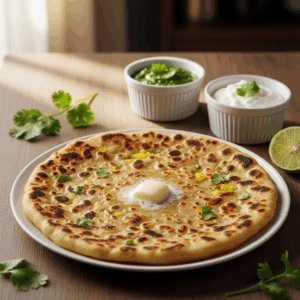
Perfectly cooked aloo paratha boasts a crisp,golden crust that crackles lightly when bitten into,contrasting beautifully with its soft,spiced filling. Achieving this requires some kitchen finesse. Use freshly kneaded dough with a medium-soft consistency-pliable but not sticky. When rolling, dust the surface lightly with whole wheat flour to prevent sticking without drying the dough.
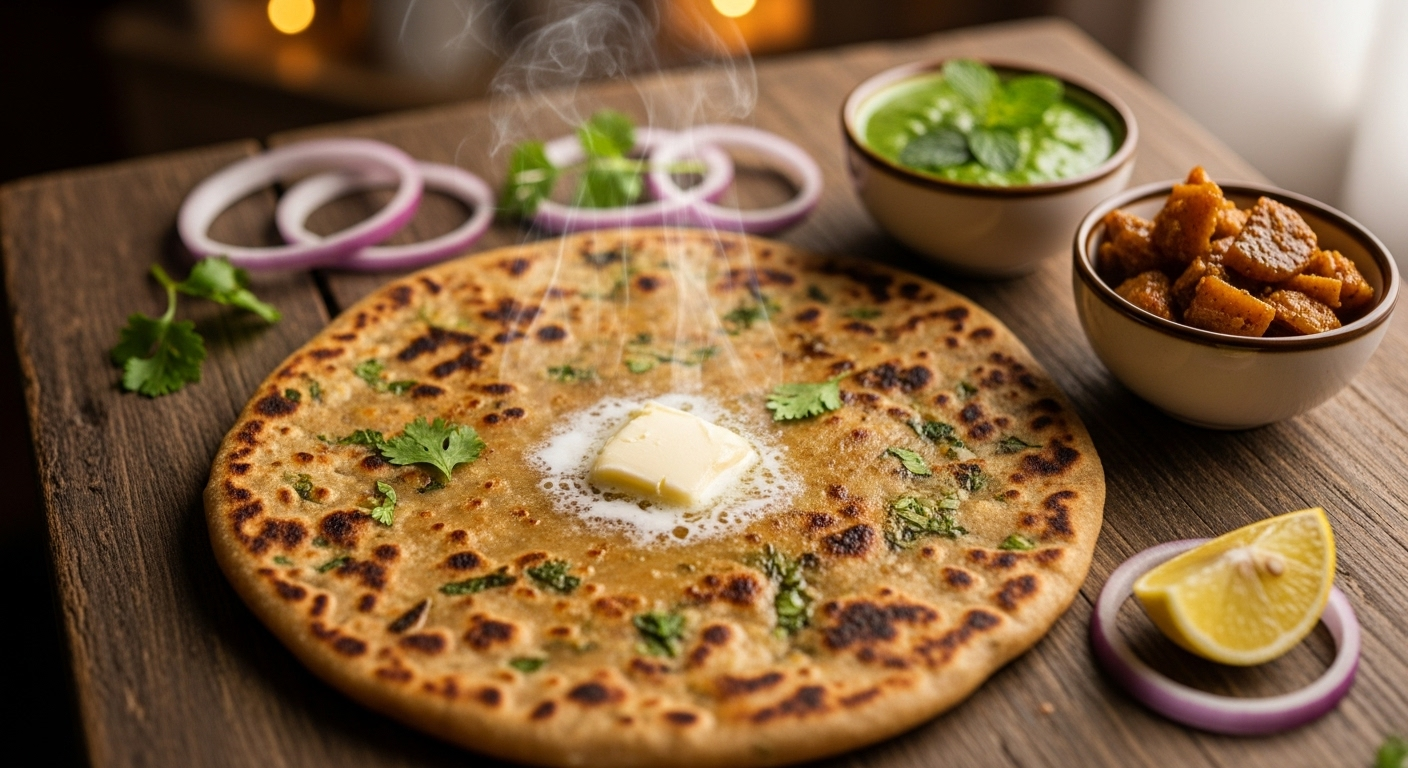
Cook the paratha on a medium-high flame in a well-seasoned cast iron or heavy-bottomed non-stick pan.Apply ghee or unsalted butter liberally on both sides to encourage even browning and that signature crispy edge. Flip gently and cook until both sides develop those iconic golden-brown patches.Avoid high heat, which can burn the bread outside while leaving the dough undercooked inside.
Creative Twists to Elevate Your Aloo Paratha experience
While conventional aloo paratha is irresistible on its own, there’s no harm in experimenting! Add finely chopped spinach or fenugreek leaves to the potato mixture for a pop of color and nutrition. For a richer twist, blend peas or grated paneer into the filling. Spice lovers might enjoy a sprinkle of chaat masala just before serving or a drizzle of tangy tamarind chutney as an accompaniment.
For a fusion spin, try stuffing the paratha with mashed sweet potatoes and a touch of freshly ground black pepper and cinnamon – the result is a subtly sweet delight that’s unexpected yet comforting. Another idea is to use gluten-free flour blends or oat flour for a different texture and dietary adaptation without sacrificing flavor.
Prep and Cook Time
- Readiness: 25 minutes
- Cooking: 20 minutes
- Total Time: 45 minutes
Yield
About 6 medium-sized aloo parathas (serves 3-4)
Difficulty Level
Medium – requires basic rolling skills and attention to cooking technique
Ingredients
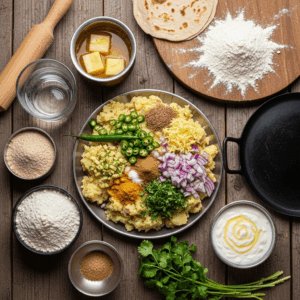
- 1 cup whole wheat flour, for dough, plus extra for rolling
- 3 medium potatoes, boiled, peeled, and mashed
- 1 small onion, finely grated (optional)
- 2 green chilies, finely chopped (adjust to taste)
- 1 teaspoon roasted cumin powder
- 1/2 teaspoon amchur (dried mango powder)
- 1/2 teaspoon garam masala
- 1 tablespoon fresh coriander, finely chopped
- 1 teaspoon grated ginger
- Salt, to taste
- Ghee or unsalted butter, for cooking
- Water, as needed for kneading dough
Instructions
- Make the dough: In a mixing bowl, combine whole wheat flour with a pinch of salt. Gradually add warm water and knead into a soft, pliable dough. Cover with a damp cloth and let it rest for 20 minutes.
- Prepare the filling: Mix the mashed potatoes with grated onion, green chilies, ginger, roasted cumin powder, amchur, garam masala, fresh coriander, and salt. Adjust seasoning and mix well to combine all flavors.
- Divide dough and filling: Divide the dough into 6 equal portions and roll each into a ball. Similarly,divide the potato filling into equal balls slightly smaller in size than the dough balls.
- Roll and stuff: Lightly flour a working surface. Roll out one dough ball into a small disc (about 4 inches diameter). Place a potato filling ball in the center, than gently bring the edges of the dough together to encase the filling, pinching to seal fully.
- Roll into paratha: flatten the filled dough ball gently, then carefully roll out the stuffed ball into a 6-7 inch diameter circle, using a light dusting of flour. Take care to avoid tearing and exposing the filling.
- Cook the paratha: Heat a cast iron or heavy skillet over medium heat. Place the rolled paratha on the hot pan. Cook for about 1 minute until small bubbles appear, then flip.
- Add ghee/butter: Apply ghee or butter on the cooked side. Flip again and apply ghee on the other side.Press gently with a spatula and cook until both sides develop golden-brown spots and are crisp. this usually takes 2-3 minutes per side.
- Serve warm: Repeat with remaining dough and filling. Serve the aloo parathas piping hot with yogurt, pickle, or a dollop of fresh butter.
Tips for Success
- Use warm water to knead the dough to help it become soft and elastic, which makes rolling easier.
- If the filling feels too wet, squeeze out excess moisture from boiled potatoes or add a tablespoon of gram flour (besan) to absorb moisture.
- Keep a moderate flame while cooking to ensure even browning without burning.
- Resting the dough before rolling helps gluten relax, minimizing shrinkage while rolling stuffed parathas.
- For make-ahead convenience, prepare the filling and dough in advance and refrigerate separately. Assemble and cook fresh before serving.
Serving Suggestions
Serve these golden, crispy aloo parathas hot with a generous smear of cold, creamy yogurt or raita to balance the spices. Add a tangy mango or lime pickle on the side to brighten every bite. For a touch of indulgence, a dollop of creamy homemade butter melting atop the steaming paratha is irresistible. Garnish with freshly chopped coriander and a squeeze of lemon for a burst of freshness. pair this meal with a hot cup of masala chai to complete the comforting Indian breakfast experience.

| Nutrient | Per Serving (1 paratha) |
|---|---|
| Calories | 210 kcal |
| Protein | 5 g |
| Carbohydrates | 35 g |
| Fat | 6 g |
For more wholesome and innovative Indian bread recipes, explore our Soft Roti recipe.To deepen your understanding of Indian culinary heritage,visit Encyclopaedia Britannica on Indian cuisine.
Q&A
Q&A: Aloo paratha Unwrapped: India’s Beloved Potato Flatbread
Q1: What exactly is Aloo Paratha?
Aloo Paratha is a traditional Indian flatbread stuffed with a spiced mashed potato filling. it’s a hearty, comforting dish often enjoyed for breakfast or any time of day, famed for its golden, crispy exterior and flavorful interior.
Q2: Where did Aloo Paratha originate?
While stuffed flatbreads have ancient roots across the Indian subcontinent, Aloo Paratha is especially popular in North India, with Punjab often credited as its culinary heartland. Over time, it has become a beloved staple throughout India and beyond.
Q3: What makes Aloo Paratha so special compared to other flatbreads?
Unlike plain chapati or roti, Aloo Paratha offers a delightful surprise within-mashed potatoes expertly seasoned with spices like cumin, coriander, chili, and garam masala. This fusion of soft, spiced filling and crispy bread creates a perfect texture contrast that delights the palate.
Q4: How is the traditional filling prepared?
The filling usually starts with boiled potatoes mashed to a smooth consistency. Then, finely chopped green chilies, coriander leaves, ginger, salt, and a medley of spices such as ajwain (carom seeds) or amchur (dried mango powder) are added to enhance taste and aroma.The key is balancing these flavors so the filling is vibrant but not overpowering.
Q5: What kind of dough is used for Aloo Paratha?
The dough is typically made from whole wheat flour mixed with water,a pinch of salt,and sometimes a little oil or ghee for softness. It should be soft enough to roll easily but firm enough to hold the filling without tearing.
Q6: How is Aloo Paratha cooked to perfection?
After stuffing the dough with the potato mixture and sealing it carefully,it’s rolled out gently to keep the filling intact. Cooking involves shallow frying the paratha on a hot griddle with generous amounts of ghee or oil until golden brown and crisp on both sides.
Q7: What are the traditional accompaniments for Aloo Paratha?
Aloo Paratha is typically served with a dollop of cold white butter or fresh homemade yogurt (curd).Pickles, tangy chutneys, or a side of tangy mango pickles amplify the flavors and complement the richness of the dish beautifully.
Q8: Can Aloo Paratha be customized?
absolutely! Beyond the classic potato filling, it can be adapted with ingredients like grated paneer, radish, or spinach for variety. Some even add finely chopped nuts or dried fruits for an interesting twist, but the spiced potato version remains the eternal favorite.
Q9: Is Aloo Paratha suitable for all seasons?
Yes! Its warm, comforting nature makes it ideal for cold winter mornings, yet it’s light and satisfying enough to enjoy any time. Plus, since it’s made from wholesome ingredients, it offers both energy and nourishment year-round.
Q10: Why has Aloo Paratha earned its place as one of India’s most beloved foods?
Aloo Paratha combines simplicity and richness in every bite, evoking nostalgia and home-cooked warmth. Its accessibility-made from everyday pantry staples-along with the burst of spices and soothing textures, makes it a culinary ambassador of Indian hospitality and flavor. It’s more than food; it’s a party of comfort and tradition wrapped in a soft, golden bread.
The Way Forward
As the last bite of aloo paratha lingers on the palate, it’s clear that this humble potato-stuffed flatbread is far more than just a comfort food. It’s a culinary tapestry woven from India’s diverse regional flavors, a symbol of festive mornings and family gatherings, and a testament to the timeless joy found in simple ingredients transformed by tradition. Whether enjoyed sizzling hot from a tawa or paired with a dollop of cooling yogurt, aloo paratha continues to unwrap stories of culture, warmth, and shared heritage with every fold. So next time you savor this beloved delicacy, remember-you’re tasting a piece of india’s heart, one delicious layer at a time.