



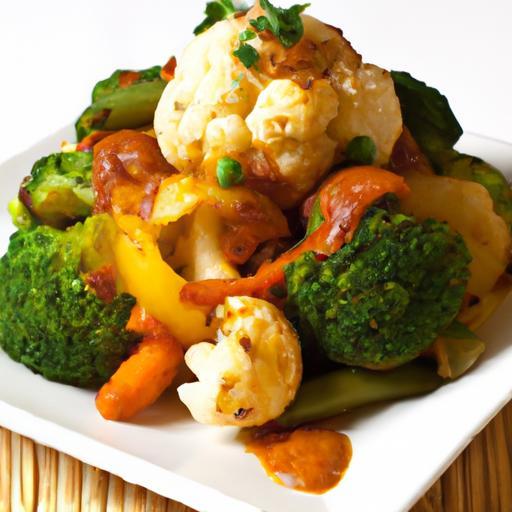
In the vibrant tapestry of Indian cuisine,few dishes capture the essence of simplicity and spice quite like Aloo Gobi. This iconic potato and cauliflower curry,beloved from bustling street stalls to elegant dining tables,is more than just a comforting vegetarian meal-it’s a party of flavor,texture,and tradition. With its golden hues and fragrant medley of spices, Aloo Gobi tells a story of culinary ingenuity born from humble ingredients. Join us as we unveil the secrets behind this timeless classic, exploring its origins, cultural significance, and the magic that makes it a staple in kitchens around the world.
Origins and Cultural Significance of Aloo Gobi in Indian Cuisine
Aloo Gobi is more than just a comforting blend of potatoes and cauliflower; it’s a culinary emblem deeply rooted in Indian households and street food culture. Originating from North India, this vibrant dish has stood the test of time as a vegetarian favorite, celebrated for its simplicity and soulful flavors. Traditionally,aloo (potatoes) and gobi (cauliflower) represent humble,locally available vegetables,which combined with fragrant spices,embody the essence of everyday Indian cooking. Whether served at family gatherings or festive celebrations, aloo gobi is a dish that brings warmth, nostalgia, and a perfect balance of earthy textures and aromatic spices to the table.
Prep and Cook Time
- Preparation Time: 15 minutes
- Cooking Time: 30 minutes
- Total Time: 45 minutes
Yield
serves 4 generous portions
Difficulty Level
Easy – perfect for beginner to intermediate cooks eager to explore authentic Indian flavors
Key Ingredients and Flavor profiles That Define the Perfect Curry
The secret to an unforgettable aloo gobi lies in the harmonious interplay between the core ingredients and spices. The foundational veggies – tender cauliflower florets and soft yet firm potatoes – absorb the warmth of turmeric, the pungency of ginger and garlic, and the smoky depth of cumin seeds. A touch of garam masala at the end elevates the dish with a complex spice bouquet, while fresh cilantro provides a shining, herbaceous finish. The occasional addition of tomato or green chilies can add tanginess and subtle heat,making the flavor profile versatile yet distinctly Indian.
Ingredients
- 3 medium potatoes, peeled and cut into 1-inch cubes
- 1 medium cauliflower, cut into small florets
- 3 tablespoons vegetable oil or mustard oil for authenticity
- 1 teaspoon cumin seeds
- 1 medium onion, finely chopped
- 2 teaspoons fresh ginger-garlic paste
- 2 medium tomatoes, finely chopped
- 2 teaspoons turmeric powder
- 1 teaspoon coriander powder
- 1 teaspoon cumin powder
- 1/2 teaspoon red chili powder (adjust to taste)
- 1 teaspoon garam masala
- Salt to taste
- 1/2 cup water (optional, for desired consistency)
- Fresh cilantro leaves, chopped for garnish
- 1-2 green chilies, slit (optional for a mild kick)
Step by Step Guide to Crafting Authentic Aloo Gobi at Home
- Heat oil in a large, heavy-bottomed skillet over medium heat. Add cumin seeds and let them sizzle until fragrant (around 30 seconds), careful not to burn them.
- add the finely chopped onions and sauté until golden brown, about 7-8 minutes, stirring regularly to build a rich base.
- Stir in the ginger-garlic paste and cook for 1-2 minutes until the raw aroma dissipates.
- Add the chopped tomatoes and cook until they break down and turn pulpy, roughly 5 minutes. This provides a subtle tang and natural sweetness.
- Sprinkle in the turmeric, coriander, cumin, and red chili powders. Stir well to coat the onion-tomato mixture evenly,cooking the spices for 2 minutes to enhance their flavors.
- gently fold in the potatoes and cauliflower florets. toss carefully to combine without mashing the vegetables.
- season with salt. Pour in up to 1/2 cup of water to help steam and soften the veggies, then cover the skillet with a tight-fitting lid.
- Lower the heat to medium-low and let it cook for 20 minutes, stirring occasionally and checking to prevent sticking. Vegetables should be tender but not mushy.
- Remove the lid and sprinkle garam masala and green chilies if using. Gently mix and cook uncovered for another 2 minutes to marry the spices and give the dish its final aroma.
- Turn off the heat and garnish generously with fresh cilantro leaves before serving.
Tips and Variations to Elevate Your Aloo Gobi Experience
- For a smoky flavor: Try the traditional “dhungar” technique by briefly exposing the cooked dish to hot charcoal in a small bowl covered with the lid-infusing it with an irresistible smoky aroma.
- Adding peas: For an extra pop of color and sweetness,toss in 1/2 cup of green peas along with the cauliflower.
- Substitute oils: While mustard oil brings authentic pungency,vegetable or sunflower oil works well for a milder taste.
- Make-ahead tip: Aloo Gobi tastes even better the next day as the spices deepen and meld-store covered in the fridge for up to 3 days.
- Adjust heat: Control the spice level by reducing red chili powder and green chilies, making it family-pleasant.
Serving Suggestions
Aloo Gobi shines as a main dish paired with soft, warm roti or fluffy basmati rice. Complement it with a cooling cucumber raita or freshly sliced onions tossed with lemon and chaat masala to balance the spices. For a festive touch, sprinkle some freshly grated coconut or a dash of lime juice at the end.Garnishing with a handful of vibrant cilantro leaves not only brightens the plate but also elevates the fresh herbaceous notes that bring this iconic curry alive.

Nutrition Facts
| Nutrient | Per Serving |
|---|---|
| Calories | 220 kcal |
| Protein | 5 g |
| Carbohydrates | 35 g |
| Fat | 7 g |
For more insights on traditional Indian vegetable curries,explore our vegetarian Indian curry recipes. To deepen your understanding of the health benefits of spices, visit this extensive study on turmeric and spices.
Q&A
Q&A: Aloo Gobi Unveiled – The Iconic Potato & Cauliflower Curry
Q1: What is Aloo Gobi, and why is it so beloved in Indian cuisine?
Aloo Gobi is a vibrant and comforting vegetarian dish made primarily from potatoes (aloo) and cauliflower (gobi). Its popularity stems from its delightful balance of textures-the tender cauliflower florets and soft, spiced potatoes-combined with aromatic spices that create a symphony of flavor. This humble curry epitomizes the heart of home-style indian cooking, offering warmth and richness in every bite.
Q2: Where did Aloo gobi originate, and how has it evolved over time?
While the exact origins are a mosaic of regional traditions across the Indian subcontinent, Aloo Gobi is rooted deeply in North Indian cuisine. Traditionally prepared with a handful of spices and seasonal vegetables, the dish has beautifully adapted over centuries. Today, it fluctuates from rustic home kitchens to refined restaurant menus, celebrating both simplicity and creative interpretations.Q3: What are the essential spices and ingredients that give Aloo Gobi its distinctive flavor?
At its core, Aloo Gobi owes its signature taste to a fragrant blend of turmeric, cumin seeds, coriander powder, and sometiems a touch of garam masala. Fresh ginger,garlic,and green chili bring warmth and mild heat,while tomatoes add tanginess and depth. The humble cauliflower and potatoes soak up these spices, creating a dish bursting with layered flavors.
Q4: What makes the texture of aloo Gobi unique compared to other vegetable curries?
The magic lies in the contrast: cauliflower’s slightly crisp florets paired with soft, starchy potatoes create a satisfying mouthfeel. The spices gently infuse into each bite without overpowering the natural earthiness of the vegetables. When cooked correctly, the dish is neither mushy nor dry, striking a perfect harmony that invites repeated spoonfuls.
Q5: Can Aloo Gobi be adapted for different dietary preferences or regional tastes?
Absolutely! Aloo Gobi is a versatile canvas. Some prefer it dry and sautéed, ideal as a side dish, while others enjoy it with a saucier curry base.It’s naturally gluten-free and vegan, making it accessible to many diets. Variations might include adding peas for sweetness, mustard seeds for a tangy punch, or curry leaves for a fragrant finish, reflecting regional flavors without losing its essence.
Q6: How is Aloo Gobi typically served, and what pairs well with it?
Aloo Gobi shines when served alongside warm chapati, naan, or fluffy basmati rice, soaking up the vibrant curry.It also complements lentil dishes like dal or raita, providing a satisfying balance of textures and flavors. Its comforting nature makes it a perfect main or side for both everyday meals and festive occasions.
Q7: What tips can definately help home cooks perfect their Aloo Gobi?
To make an unforgettable Aloo Gobi, start by cooking the potatoes and cauliflower evenly-parboil if necessary-to ensure tenderness without disintegration. Toast whole spices like cumin and mustard seeds at the start to release their oils and aromas. Use fresh ginger and garlic for that punch of flavor. Keep an eye on the moisture levels: too much water makes it stew-like, too little leaves it dry. a sprinkle of fresh cilantro just before serving adds a bright, herbal lift.Q8: Why does Aloo Gobi hold such cultural significance beyond being just a dish?
Beyond its appetizing taste, Aloo Gobi reflects the ingenuity and resourcefulness of Indian cooking-turning simple, everyday ingredients into a dish rich with flavor and meaning. It symbolizes comfort, home, and the shared joy of meals that bring families together.Its widespread presence across households and eateries alike echoes the beloved connective thread food provides in cultural identity.
This Q&A offers a creative yet informative glimpse into the world of Aloo Gobi,celebrating its heritage,flavors,and the timeless appeal of this iconic curry.
The Way Forward
As the aromatic spices settle and the vibrant hues of potatoes and cauliflower meld into a harmonious tapestry, Aloo Gobi stands not just as a dish, but as a flavorful narrative of tradition, culture, and comfort. This iconic curry,humble in its ingredients yet rich in history,invites both novices and seasoned cooks to explore the delicate balance of texture and spice that has enchanted palates for generations. Whether served steaming hot alongside warm naan or as a hearty addition to your weekday meal, Aloo Gobi continues to celebrate the beauty of simplicity transformed through culinary artistry. So next time you savor this classic, remember-you’re tasting a story that has traveled through kitchens and time, uniting hearts one fragrant bite at a time.