



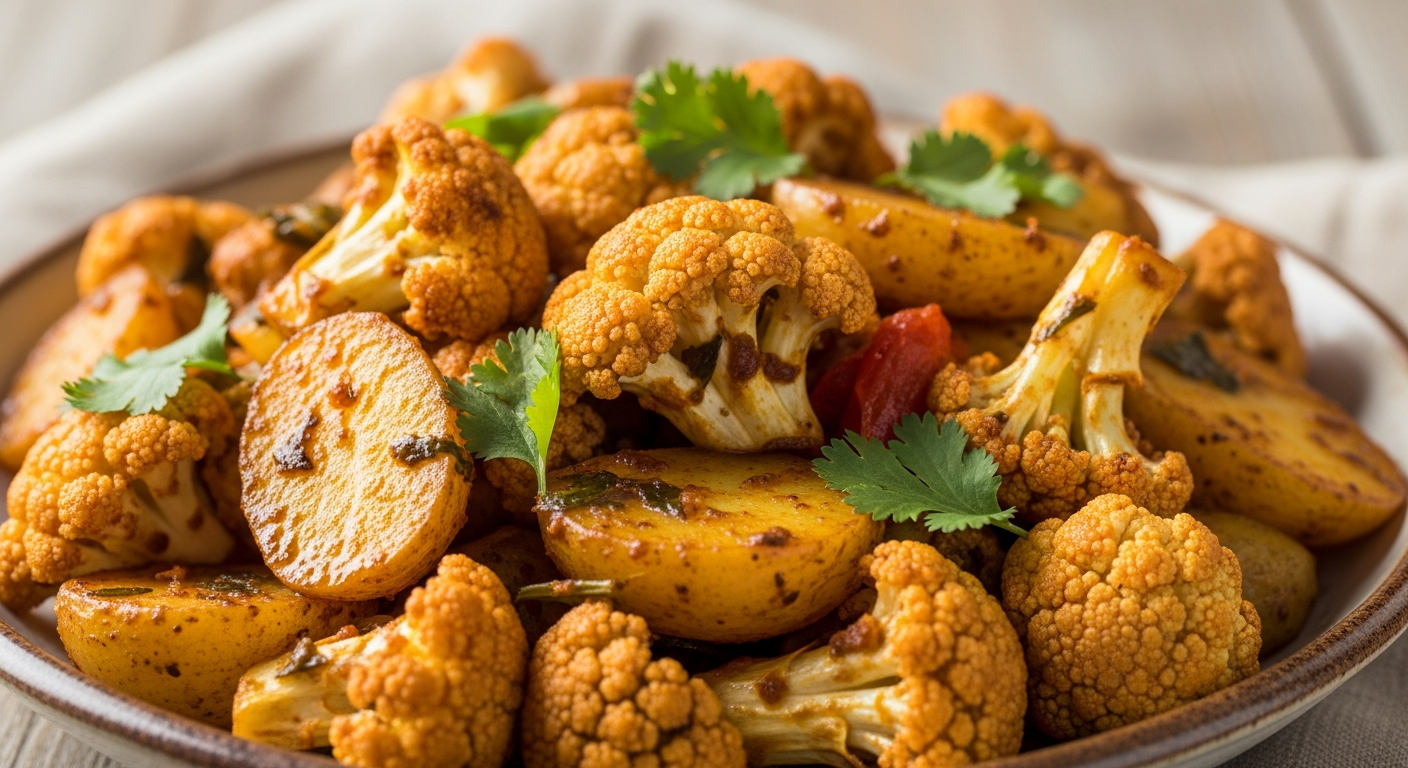
Few dishes capture the heart of Indian home cooking quite like Aloo Gobi. This vibrant, golden curry-where tender potatoes and cauliflower florets dance in a symphony of fragrant spices-has delighted palates for generations. More than just a simple vegetable curry, Aloo Gobi is a party of texture, flavor, and tradition, embodying the essence of comfort food with every bite.In this exploration of the classic potato-cauliflower curry, we’ll uncover its origins, the secrets behind its irresistible taste, and why this humble dish continues to hold a beloved spot on tables around the world. welcome to the delightful world of Aloo Gobi.
The Origins and Cultural Significance of aloo Gobi
Aloo Gobi Delight, a renowned classic potato cauliflower curry, traces its roots deep within the vibrant kitchens of North India and Pakistan.This dish transcends mere sustenance, offering a tapestry of flavors that tell stories of tradition, simplicity, and the ingenuity of everyday cooking. originating as a humble vegetarian staple, it celebrates the earthy comfort of potatoes (aloo) and the delicate crunch of cauliflower (gobi) married with aromatic spices.As a symbol of home-cooked warmth, Aloo Gobi delight is often enjoyed during festivals, family gatherings, and as part of the everyday thali, embodying a fusion of history and heart.
Beyond India, it has found global acclaim for its ability to balance gentle heat with deep, layered flavors – a testament to its cultural and culinary adaptability. It is cherished for being nutritious, economical, and deeply flavorful, making it a favorite for vegetarians and spice enthusiasts alike.
Mastering the Perfect Spice Blend for Authentic Flavor
At the core of any memorable Aloo Gobi delight lies its perfectly balanced spice blend,which gently enhances the natural sweetness of potatoes and the subtle bitterness of cauliflower. the quintessential combination includes turmeric for its golden hue and earthy warmth, cumin seeds that awaken the senses with smoky notes, and coriander powder lending a citrusy undertone. An ideal pinch of red chili powder adds fiery kick without overwhelming the dish, while amchur (dried mango powder) injects a distinctive tang that brighten the palate.
To heighten authenticity, always toast whole spices like cumin and mustard seeds before grinding, releasing their essential oils and deepening the flavor profile. fresh ginger and garlic paste form the aromatic base,providing a mellow pungency that melds beautifully with the medley of spices. This layered, nuanced seasoning breathes life into the dish, inviting a symphony of tastes from the very first bite.
Step-by-Step Guide to Achieving the Ideal Texture
- Prepare the Vegetables: Wash and chop 3 medium-sized cauliflower florets into bite-sized pieces and dice 3 medium potatoes into similar sized cubes. keeping sizes uniform ensures even cooking.
- Toast spices: In a large skillet or heavy-bottomed pot, heat 2 tablespoons of oil over medium heat. Add 1 teaspoon cumin seeds and allow them to sputter for about 30 seconds,releasing their aroma.
- Sauté Aromatics: Add 1 teaspoon finely minced ginger and 1 teaspoon garlic paste. Cook until fragrant, about 1 minute, stirring frequently to avoid burning.
- Build the Spice Base: Stir in 1 teaspoon turmeric powder, 1 teaspoon coriander powder, and ½ teaspoon red chili powder. Cook the spices gently for 30 seconds to awaken their flavors.
- Add Vegetables: Toss in the potatoes and cauliflower, stirring to coat evenly with the spice mixture.
- Simmer with Care: Pour ½ cup water into the pan, season with salt to taste, and cover.let the curry simmer on low heat for 20-25 minutes, stirring intermittently to prevent sticking.
- Check for Doneness: Both potatoes and cauliflower shoudl be tender but not mushy. The ideal texture is soft enough to melt in your mouth while retaining slight bite for contrast.
- Finish with Freshness: Stir in 1 teaspoon amchur powder and garnish with freshly chopped cilantro for a burst of color and flavor.
Serving suggestions and Creative Variations to Elevate Your Dish
Serve Aloo Gobi delight steaming hot alongside fragrant basmati rice or warm, buttery naan for a wholesome meal. To add layers of texture and a pop of color, sprinkle with toasted nuts like cashews or a dollop of natural yogurt to tame the spice and bring creamy richness.
For a vibrant twist, try adding peas during the final stages of cooking, or mix in a handful of fresh spinach leaves for added nutrition and color contrast. Incorporating a squeeze of fresh lemon juice before serving heightens the flavors wonderfully, balancing earthiness with bright citrus notes.
For an indulgent variation, experiment with roasting the potatoes and cauliflower before tossing them in the spice blend – this adds a smoky char and intensified depth. Vegetarians and vegans will appreciate that this dish is naturally plant-based and gluten-free, making it an inclusive choice for gatherings.
garnish generously with chopped fresh coriander and thinly sliced green chilies to enhance the visual appeal and provide fresh heat. This approach transforms a simple dish into an irresistible centerpiece of your dining table.
Prep and Cook Time
- Prep Time: 15 minutes
- Cook Time: 30 minutes
Yield
Serves 4 as a main dish or 6 as a side
Difficulty Level
Easy to Medium – perfect for beginner to intermediate home cooks
Ingredients
- 3 medium potatoes, peeled and diced into 1-inch cubes
- 1 medium cauliflower head, cut into bite-sized florets
- 2 tablespoons oil (mustard or vegetable oil recommended)
- 1 teaspoon cumin seeds
- 1 teaspoon ginger paste
- 1 teaspoon garlic paste
- 1 teaspoon turmeric powder
- 1 teaspoon coriander powder
- ½ teaspoon red chili powder (adjust to taste)
- ½ teaspoon amchur powder (dried mango powder)
- Salt to taste
- ½ cup water
- Fresh cilantro for garnish, chopped
Instructions
- Heat oil in a large pan over medium heat, add cumin seeds and toast until fragrant.
- Add ginger and garlic paste, sauté for 1 minute until fragrant.
- Stir in turmeric, coriander, and red chili powders, cook for 30 seconds.
- Add potatoes and cauliflower florets, tossing to coat spices evenly.
- Pour water, season with salt, cover and simmer for 20-25 minutes or until vegetables are tender.
- Uncover, check seasoning, stir in amchur powder and cook for an additional 2 minutes.
- Garnish with fresh cilantro before serving.
Chef’s Notes & Tips for Success
- For crispier veggies, roast potatoes and cauliflower at 400°F (200°C) for 15 minutes before adding to spice mix.
- Adjust chili powder to your heat preference; start mild and build flavor gradually.
- Use freshly ground spices for the most vibrant taste. Whole spices toasted and ground in a spice grinder transform the dish.
- Make-ahead tip: Prepare the curry, cool completely, and refrigerate for up to 3 days. Reheat gently with a splash of water.
- Swap amchur powder with a squeeze of lemon juice if unavailable, but add just before serving to maintain brightness.
Serving Suggestions
Present your Aloo Gobi delight with a bowl of steaming basmati rice or soft naan bread. Add a side of cooling cucumber raita or crisp papadums for contrasting textures. For extra flair, sprinkle with toasted nigella seeds or a pinch of garam masala for warmth and complexity.

| Nutritional Information | Per Serving (approx.) |
|---|---|
| Calories | 180 kcal |
| Protein | 4 g |
| Carbohydrates | 35 g |
| Fat | 5 g |
Discover more vegetarian Indian delights and spice secrets in our Authentic Vegetarian Indian Recipes collection. For an in-depth exploration of Indian spices, check the Britannica’s overview of Indian cuisine.
Q&A
Q&A: Aloo Gobi Delight – Exploring the Classic Potato Cauliflower Curry
Q1: What exactly is Aloo Gobi?
A: Aloo Gobi is a beloved North Indian vegetarian dish featuring tender potatoes (“aloo”) and cauliflower (“gobi”) cooked together in a symphony of spices. Its vibrant yellow-orange hues and aromatic flavors make it a comforting and flavorful staple in Indian kitchens around the world.
Q2: How did Aloo Gobi become such a classic dish?
A: Rooted in Indian culinary tradition, Aloo Gobi rose to fame as of its simplicity, affordability, and versatility. Using readily available vegetables and a handful of spices, it delivers warmth and depth of flavor, making it a go-to meal for gatherings, everyday lunches, and festive occasions alike.
Q3: What spices bring Aloo Gobi to life?
A: The magic of Aloo Gobi lies in its spices-turmeric lends its golden color and earthy undertones, cumin seeds add a nutty aroma, coriander powder imparts a citrusy warmth, and a hint of garam masala deepens the complexity. Fresh ginger, garlic, and green chilies often round out the base, creating a layered and vibrant taste.
Q4: Can you describe the texture contrast in Aloo Gobi?
A: Absolutely! The beauty of Aloo Gobi is in its delightful texture interplay-the cauliflower florets soften but retain a subtle crunch, while the potatoes become creamy yet firm. This combination offers a satisfying mouthfeel with every bite,enhanced by the slight caramelization when cooked on a hot griddle or pan.
Q5: Is Aloo Gobi a healthy choice?
A: Yes, Aloo Gobi is packed with nutrients! Cauliflower is rich in vitamins C and K, fiber, and antioxidants, while potatoes provide energy-giving carbohydrates along with potassium and vitamin B6. When cooked with minimal oil and fresh spices, it becomes a wholesome, nourishing dish suitable for vegetarian and vegan diets alike.
Q6: How is Aloo Gobi traditionally served?
A: Traditionally, Aloo gobi is served hot alongside indian flatbreads like roti or naan, or with steamed basmati rice. A sprinkle of fresh cilantro and a wedge of lemon enhance its flavors, making every serving inviting and balanced. It also pairs wonderfully with chutneys or cooling yogurt to complement its warm spices.
Q7: What variations can one try with Aloo gobi?
A: While the classic recipe is beloved, variations abound! Some like to add tomatoes for tanginess, peas for a pop of sweetness, or even a sprinkle of kasuri methi (dried fenugreek leaves) for a subtle herbaceous note. Adjusting the chili level or adding a pinch of amchur (dried mango powder) can also tweak the tang and heat to suit personal preferences.
Q8: Can Aloo Gobi be made ahead or stored well?
A: Definitely. Aloo Gobi reheats beautifully, making it perfect for meal prep. Stored in an airtight container in the refrigerator, it lasts for up to 3 days, and its flavors often deepen over time. Just reheat gently to preserve the vegetables’ texture and enjoy a fast, flavorful meal anytime.
Q9: What is the cultural significance of Aloo Gobi in Indian cuisine?
A: Beyond being a tasty dish, Aloo Gobi symbolizes the resourcefulness and celebration of vegetarian cooking in indian culture. It highlights how humble ingredients can be transformed into a dish full of character and warmth, reflecting the rich culinary heritage and regional pride in plant-based traditional meals.
Q10: Where can someone new to Indian cooking start when making Aloo Gobi?
A: For beginners, start with a simple recipe focusing on fresh, quality vegetables and essential spices like turmeric, cumin, and coriander.Use medium heat to gently cook the vegetables until tender but not mushy. Watching tutorial videos or joining a local cooking class can also build confidence and deepen thankfulness for this iconic curry. With patience and a touch of experimentation, Aloo Gobi becomes an accessible and rewarding dish for any home chef.
Future Outlook
as the warm aroma of turmeric and cumin lingers in the air, Aloo Gobi stands as a timeless tribute to the vibrant tapestry of Indian cuisine. this humble blend of potato and cauliflower, kissed by a symphony of spices, not only satisfies the palate but also tells a story of tradition, simplicity, and soulful cooking. Whether enjoyed as a comforting weeknight meal or a star on a festive table, Aloo Gobi invites us to savor the beauty in everyday ingredients and the rich heritage they carry. So next time you stir that golden curry, remember-it’s more than just a dish; it’s a delightful journey into flavors that have delighted generations.