



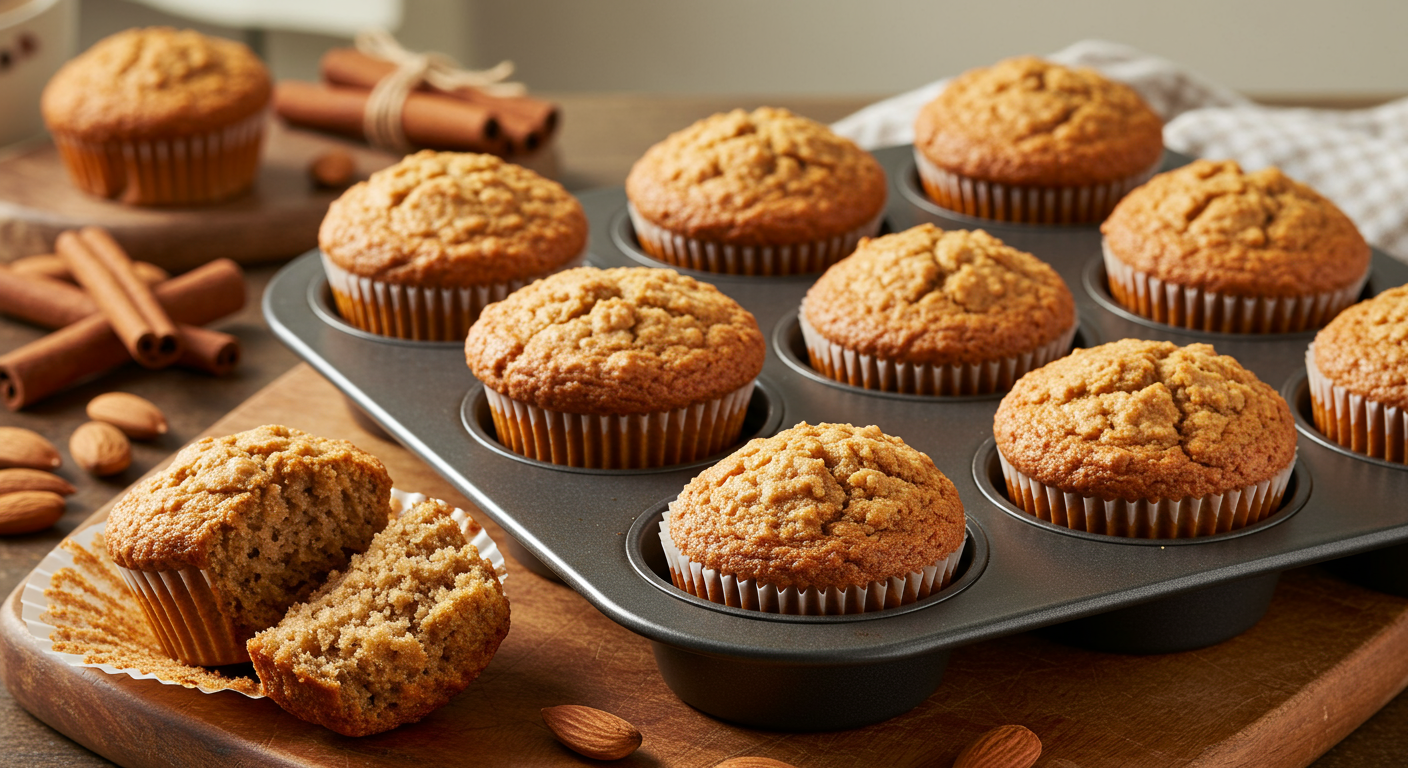
There’s something undeniably comforting about biting into a warm, freshly baked muffin-the perfect marriage of tender crumb and sweet aroma. But what if your favorite classic treat could be reinvented with a wholesome, nutty twist? Enter almond flour muffins: a deliciously grain-free choice that doesn’t just satisfy your sweet tooth but also packs a nutritious punch.
Whether you’re embracing gluten-free living, seeking a boost of protein, or simply eager to explore new flavors, almond flour muffins offer a delightful way to elevate your baking game. join us as we delve into the art and science of crafting these moist, flavorful bites that redefine the muffin experience.
Almond flour muffins offer a delightful departure from conventional baked goods,blending wholesome nutrition with a rich,nutty flavor that elevates your everyday breakfast or snack. By incorporating almond flour into your baking repertoire, you not only gain a deliciously moist and tender crumb but also harness the natural benefits of this nutrient-packed ingredient.
Unlocking the Benefits of Almond flour Muffins
Made from finely ground almonds, almond flour is naturally gluten-free and loaded with healthy fats, fiber, and protein. This combination helps maintain steady energy levels and keeps you satiated longer then typical wheat-based muffins.Additionally, almond flour muffins boast a lower glycemic index, making them an excellent choice for those mindful of blood sugar spikes without sacrificing taste or texture.
The inherent oils in almond flour create a tender crumb with a slightly crumbly, yet satisfyingly moist texture. This means your muffins stay fresh and luscious for days, avoiding the dryness common in many grain-flour alternatives. Plus, the subtle nutty undertone adds a sophisticated dimension to each bite, making these muffins truly irresistible.
Mastering Texture and Flavor with Almond flour Muffins
achieving the perfect almond flour muffin requires embracing it’s unique properties.Unlike all-purpose flour, almond flour lacks gluten, so the usual structure comes from eggs and careful binding techniques. When baking with almond flour, it’s essential to balance wet and dry ingredients thoughtfully to retain moisture and encourage a gentle rise.
Incorporating natural leaveners like baking soda or baking powder helps lift your muffins without overpowering their delicate nuttiness. Adding a hint of vanilla or cinnamon complements the almond flavor beautifully, while a touch of honey or maple syrup enhances natural sweetness without masking it. Experimenting with an eggs-to-flour ratio ensures a tender crumb that’s sturdy enough to hold creative mix-ins without collapsing.

Creative Additions to Elevate Your Almond Flour Muffins
Once comfortable with the base almond flour muffin, the real fun begins by playing with inventive add-ins. Fresh or dried fruit like blueberries, raspberries, or chopped apples bring bursts of juiciness and color. toasted nuts such as walnuts or pecans amplify the nutty theme and add delightful crunch.For a decadent twist, swirls of almond butter or dark chocolate chips melt into pockets of creamy richness.
Spices like cardamom, nutmeg, or a pinch of ginger can introduce warmth and complexity, making your muffins perfect for cozy mornings or elegant brunches. you can even incorporate shredded coconut or citrus zest to add unexpected texture and brightness. The versatility of almond flour muffins means you can tailor them to any season or occasion with minimal effort.
Tips for Perfect Baking Every Time with Almond Flour Muffins
Consistency is key when baking almond flour muffins. Always measure your almond flour precisely – slightly packed or too loose can alter texture drastically. When combining wet and dry ingredients, gently fold instead of vigorously stirring to preserve air bubbles essential for lift.
Preheating your oven fully before baking ensures even cooking and keeps your muffins from sinking. Because almond flour bakes faster than wheat flour, monitor muffins closely in the final minutes to prevent overbrowning – a toothpick test helps determine doneness perfectly. Allow muffins to cool wholly in the pan for a few minutes before transferring to a rack; this step prevents crumbling and keeps edges tender.
For make-ahead convenience, almond flour muffins freeze beautifully.Wrap individually and thaw at room temperature to enjoy fresh flavor anytime. With these techniques and your creativity, baking almond flour muffins can become a joyful and rewarding kitchen ritual.
Q&A
Q&A: almond Flour Muffins – A Nutty Twist on Classic Treats
Q1: What makes almond flour muffins different from traditional muffins?
A: Almond flour muffins bring a delightfully nutty flavor and a moist, tender crumb that sets them apart from classic wheat-based muffins. As almond flour is naturally gluten-free and higher in healthy fats and protein, these muffins offer a richer texture and a more satisfying bite, perfect for those seeking a wholesome twist.
Q2: Can almond flour muffins be enjoyed by people with dietary restrictions?
A: Absolutely! Almond flour muffins are naturally gluten-free, making them a fantastic option for people with gluten sensitivities or celiac disease. They’re also low in carbohydrates compared to traditional muffins,appealing to those on low-carb or keto-pleasant diets. Just be mindful of other ingredients added to ensure they fit specific dietary needs.
Q3: How does using almond flour affect the baking process?
A: Almond flour behaves a bit differently than regular flour-it lacks gluten, so muffins won’t rise quite as much and will have a denser, chewier texture. It’s vital to adjust leavening agents, such as baking powder or baking soda, and sometimes add extra eggs or binding agents like flaxseed meal to give structure and moisture balance.
Q4: What flavors pair well with almond flour in muffins?
A: Almond flour’s subtle nuttiness pairs beautifully with warm spices like cinnamon and nutmeg, fresh fruits such as blueberries or raspberries, and even zest from citrus fruits like lemon or orange. You can also enhance the texture with mix-ins like shredded coconut, dark chocolate chips, or chopped nuts for an extra layer of indulgence.
Q5: Are almond flour muffins a healthier choice?
A: while “healthier” can be subjective, almond flour muffins provide more protein, healthy fats, and vitamin E compared to those made with refined wheat flour. They offer a slower energy release due to a lower glycemic index, which can help with blood sugar control. Nonetheless, portion control and mindful sweetener use are key to keeping them a nutritious treat.
Q6: Can I substitute almond flour in my favorite muffin recipes?
A: You can, but it’s not a one-to-one swap.Because almond flour lacks gluten and absorbs moisture differently, it works best when recipes are specifically designed for it or when you adapt the recipe by reducing liquid, adding eggs or other binders, and adjusting baking times. Experimenting gradually will yield the best texture and flavor.
Q7: How should almond flour muffins be stored?
A: Almond flour muffins tend to stay moist longer than traditional ones but should be stored in an airtight container at room temperature for up to two days. For longer freshness, refrigerate them for up to a week or freeze individually wrapped muffins for up to three months. Thaw gently before enjoying to maintain their soft texture.
Q8: What is the best way to make almond flour muffins gluten-free and still fluffy?
A: To achieve a fluffy texture, combine almond flour with gluten-free binders like eggs, baking soda or powder, and sometimes a small amount of tapioca starch or arrowroot powder. Whipping egg whites separately and folding them gently into the batter can also add lightness, giving you that prized fluffy muffin feel without gluten.
Q9: Are almond flour muffins suitable for kids?
A: Definitely! Almond flour muffins are naturally sweet, soft, and packed with nutrients like vitamin E and healthy fats that support growing bodies and brains. They’re a splendid way to sneak in extra energy and nourishment, especially when made with wholesome add-ins like mashed bananas or blueberries.
Q10: Can almond flour muffins be made vegan?
A: Yes! Replace eggs with flaxseed or chia seed “eggs” (one tablespoon ground seeds mixed with three tablespoons water per egg) and use plant-based milk and oils or vegan butter. As almond flour provides healthy fats and moisture, the vegan versions still turn out rich and satisfying with a bit of recipe tweaking.
The Way Forward
Whether you’re a seasoned baker or just beginning to explore the world of gluten-free goodies, almond flour muffins offer a delightful twist on a beloved classic. Their tender crumb, subtle nuttiness, and naturally wholesome ingredients not only satisfy your sweet tooth but also nourish your body in a way traditional recipes often can’t. So next time you reach for a quick snack or breakfast on the go, consider these almond flour muffins-a simple swap that transforms everyday moments into something a little more special, a little more nutty, and a lot more appetizing. Happy baking!