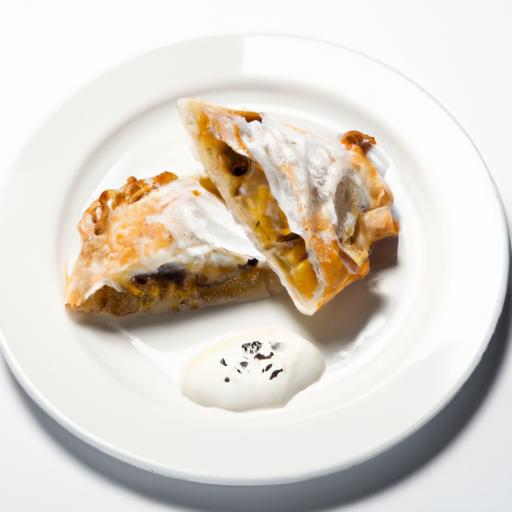



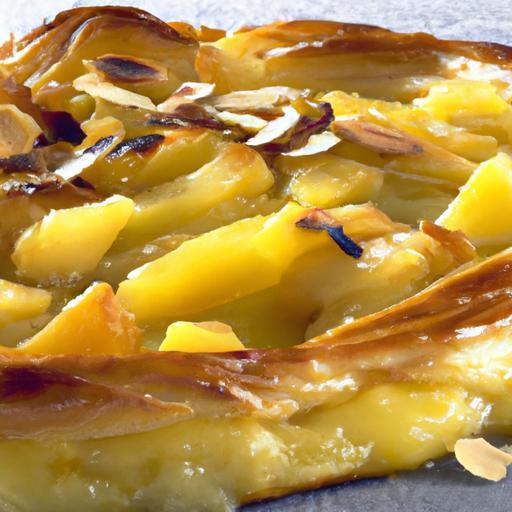
Golden, luscious, and steeped in tradition, Galaktoboureko is more than just a dessert-it’s a sensory journey into the heart of Greek culinary heritage.This enchanting custard pie, wrapped in delicate layers of flaky phyllo and drenched in fragrant syrup, has captured the palates and imaginations of food lovers across the globe.In this article, we peel back the layers of Galaktoboureko’s history, explore its unique ingredients, and uncover the secrets behind its irresistible charm. Join us as we unveil Greece’s golden custard pie delight, a sweet treasure that perfectly balances simplicity and indulgence.
Galaktoboureko: this iconic Greek dessert embodies centuries of tradition and culinary artistry, captivating taste buds with its golden, flaky phyllo crust enveloping a luxuriously creamy semolina custard. Born in the coastal regions of Greece and celebrated across the Mediterranean,galaktoboureko reflects the rich heritage of Greek pastry making-a perfect harmony of texture and flavor that tells a story with every bite.
From my first encounter with galaktoboureko at a sun-dappled taverna in Thessaloniki, I was enchanted by how the crisp phyllo perfectly balanced the velvety filling, finished with a fragrant citrus-infused syrup that adds a subtle sweetness without overpowering the custard’s delicate notes. This recipe invites you to master this classic, transforming your kitchen into a corner of Greece where tradition meets irresistible indulgence.
Prep and Cook Time
- Preparation: 40 minutes
- Cook Time: 45 minutes
- Syrup Rest: 30 minutes
- Total Time: 1 hour 55 minutes
Yield
- Serves 8 generously
Difficulty Level
- Medium – requires attention but very rewarding
Ingredients
- Phyllo Dough: 1 package (16 oz) of phyllo sheets, thawed
- Butter: 1 ½ cups (340g) unsalted, melted, plus extra for brushing layers
- For custard Filling:
- 4 cups (1 L) whole milk
- 1 cup (200g) granulated sugar
- ½ cup (70g) fine semolina flour
- 4 large eggs
- 1 tablespoon pure vanilla extract
- Grated zest of 1 lemon (organic for best flavor)
- For Syrup:
- 2 cups (400g) sugar
- 2 cups (480ml) water
- 1 cinnamon stick
- ½ lemon, sliced thinly
Instructions
- Prepare the custard: In a medium saucepan, heat the milk and half the sugar over medium heat until it nearly boils, stirring constantly to prevent scalding. Gradually whisk in the semolina and cook until thickened and creamy, about 5 minutes.
- Temper the eggs: In a separate bowl, beat the eggs with the remaining sugar, vanilla, and lemon zest. Slowly whisk about 1 cup of the hot semolina mixture into the eggs to warm them,then return the entire egg mixture to the saucepan,stirring constantly until fully integrated but do not boil. Remove from heat and allow to cool slightly.
- Preheat oven: Set your oven to 350°F (175°C). Lightly butter a 9×13-inch baking dish to ensure easy release and even browning.
- Layer the phyllo: Carefully unroll the phyllo sheets, covering them with a damp kitchen towel to prevent drying. Brush the bottom of the dish generously with melted butter. Lay one sheet of phyllo into the dish, allowing overhang on the edges, and brush with butter. Repeat layering and buttering for about 8-10 sheets.
- Add the custard: Pour the warm custard evenly over the layered phyllo base, spreading gently. Cover the custard with remaining phyllo sheets, continuing to butter each sheet thoroughly. Fold the edges over the top and brush again with butter to seal every corner.
- Score the top: Using a sharp knife, score the galaktoboureko into square or diamond shapes. This ensures easy slicing after baking without crumbling.
- Bake: place in the oven and bake for 40-45 minutes, or until the phyllo turns a deep golden brown and crackly flaky crust. Keep an eye on the edges to avoid burning.
- Prepare the syrup: In a saucepan, combine sugar, water, cinnamon, and lemon slices. Bring to a boil, then reduce heat and simmer for 10 minutes until slightly thickened. Remove from heat and let cool.
- Finish: Once the galaktoboureko is out of the oven, promptly pour the cooled syrup evenly over the hot pastry. Allow it to soak in and cool at room temperature for at least 30 minutes before serving.
Chef’s Notes & Tips for Success
- Use room-temperature eggs for a creamy, smooth custard without lumps.
- Keep your phyllo covered with a damp towel-phyllo dries out incredibly fast and can become brittle.
- butter every phyllo layer; this is key for achieving the signature crisp, golden finish.
- For a subtle twist, infuse your milk with a few strands of saffron or a vanilla bean pod before heating.
- make the syrup ahead and store it in the fridge; it improves flavor and injects moisture evenly after baking.
- Serving galaktoboureko slightly warm enhances the contrast between crunchy layers and creamy custard.
- To maintain crispiness, store leftovers in an airtight container at room temperature and reheat briefly in a low oven.
Serving Suggestions
Present each slice on a rustic ceramic plate to highlight galaktoboureko’s gorgeous golden crust. A light dusting of powdered sugar or an extra drizzle of warm syrup creates an inviting finish. Garnish with fresh mint leaves or a few slivered toasted almonds to add visual elegance and subtle texture contrast.
Pair this dessert with a strong,freshly brewed Greek coffee or a delicate chamomile tea to balance the custard’s richness. For a seasonal variation, a scoop of lightly spiced honey lavender ice cream offers a harmonious complement that brings out the ethereal floral notes in the syrup.

| Nutrient | Per Serving |
|---|---|
| Calories | 340 kcal |
| Protein | 7 g |
| Carbohydrates | 45 g |
| Fat | 15 g |
looking to dive deeper into authentic Greek desserts? Explore our comprehensive guide to classic sweets for more inspiration. For historical insights and authentic regional variations of galaktoboureko, discover the rich archives at Greek Gastronomy Guide.
Q&A
Q&A: Galaktoboureko Unveiled: Greece’s Golden Custard Pie Delight
Q1: What is Galaktoboureko?
A1: Galaktoboureko is a traditional Greek dessert that features a luscious, creamy custard wrapped in layers of crisp, golden filo pastry. After baking, it’s drenched in a fragrant citrus-infused syrup, creating a wonderful balance of textures and flavors-crispy, creamy, sweet, and slightly tangy.
Q2: Where did Galaktoboureko originate?
A2: This iconic dessert hails from Greece, with roots tracing back to the culinary traditions of the Mediterranean and Ottoman influences. It remains a beloved treat in Greek households and tavernas, celebrated especially during festive occasions.
Q3: What makes the custard in Galaktoboureko special?
A3: the custard, or “galaktos,” is typically made from semolina, milk, sugar, eggs, and a hint of vanilla or citrus zest. Its silky richness is the heart of the pie, contrasting beautifully with the flaky, buttery filo sheets.
Q4: How is the syrup for Galaktoboureko made?
A4: The syrup is a simple yet aromatic blend of sugar, water, lemon or orange peels, and sometimes a touch of cinnamon. It’s poured generously over the hot pastry right after baking, allowing it to soak in and impart a refreshing sweetness that complements the custard.
Q5: Are there any critically important tips for making perfect Galaktoboureko?
A5: Absolutely! To achieve the signature crunch, brushing each filo layer with melted butter or olive oil is key. Also, pouring warm syrup over hot pastry ensures the filo remains crisp while absorbing enough syrup to flavor the custard. Patience and attention to layering make all the difference.Q6: Can Galaktoboureko be made ahead of time?
A6: Yes,Galaktoboureko can be prepared a day in advance. It’s best to store it covered at room temperature.Just warm it slightly before serving to refresh the crispness of the pastry and the creamy warmth of the custard.
Q7: Is Galaktoboureko served hot or cold?
A7: This dessert is wonderfully versatile! Traditionally served warm,allowing the custard to be silky and the syrup fragrant. However, many enjoy it chilled as well, which firms up the custard and intensifies the flavors.Q8: How does galaktoboureko reflect Greek culinary culture?
A8: Galaktoboureko epitomizes the Greek love for simple ingredients transformed by expert technique. It showcases the Mediterranean affinity for combining dairy, citrus, and layered pastries, celebrating local flavors while offering a comforting, sweet ending to any meal.
Q9: Are there variations of galaktoboureko throughout Greece?
A9: Indeed! While the core elements remain the same, some regions add unique twists, such as incorporating orange blossom water into the custard or syrup, or dusting the finished pie with cinnamon or powdered sugar for an extra touch of warmth.
Q10: What makes Galaktoboureko a must-try dessert?
A10: Its magical interplay of textures-the crisp filo, the dense yet silky custard, and the sticky citrus syrup-creates a multi-sensory delight. Galaktoboureko is not just a dessert; it’s a legendary Greek comfort food, steeped in history and bursting with joyous flavor.
In Retrospect
As the final forkful of galaktoboureko melts away,we are reminded that this golden custard pie is more than just a dessert-it’s a fragrant thread woven into the rich tapestry of greek culture. From its flaky phyllo layers to its honey-kissed syrup, galaktoboureko tells a story of tradition, craftsmanship, and the enduring love of sweet indulgence. Whether enjoyed in a bustling Athenian café or recreated in your own kitchen, this divine treat invites us all to savor a taste of Greece’s culinary heritage, one blissful bite at a time.