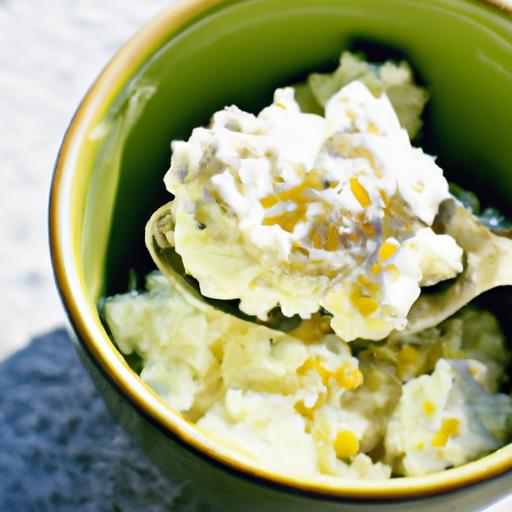


In a world were dietary preferences and restrictions are reshaping the way we eat,dairy-free alternatives are no longer just a niche choice-they’re becoming pantry staples. Enter dairy-free cottage cheese: a creamy delight that redefines what it means to enjoy this classic comfort food without the dairy. Whether you’re lactose intolerant, vegan, or simply seeking a lighter, plant-based option, this innovative twist on cottage cheese offers all the familiar texture and tang without the milk. Join us as we explore the rise of dairy-free cottage cheese, uncovering its ingredients, benefits, and delicious ways to savor this creamy wonder-proof that indulgence doesn’t have to come from dairy to be truly delightful.
Dairy-free cottage cheese brings a fresh twist to a classic favorite,combining luscious creaminess with the wholesome satisfaction of a plant-based platform. Inspired by the rich tradition of cheesemaking, this delightful alternative captures the texture and tang of dairy cottage cheese without any animal products. whether you’re vegan,lactose-intolerant,or simply exploring new flavors,crafting dairy-free cottage cheese at home offers a rewarding culinary adventure with customizable flavors and textures that rival the original.
Prep and Cook Time
- Prep Time: 10 minutes
- Cook Time: 15 minutes
- Chilling Time: 2 hours (for best texture)
yield
Approximately 2 cups (4 servings)
Difficulty Level
Medium – ideal for those comfortable with basic kitchen techniques and interested in experimenting.
Ingredients
- 1 cup raw cashews, soaked in warm water for at least 4 hours or overnight
- 2 tbsp lemon juice (for tangy acidity)
- 1 tbsp apple cider vinegar
- 1/4 cup unsweetened plain plant-based yogurt (coconut or almond yogurt works well)
- 1/2 cup full-fat canned coconut milk (shake well before measuring)
- 1 tsp salt (adjust to taste)
- 1/2 tsp garlic powder (optional, for subtle depth)
- 1/4 tsp onion powder (optional)
- 2 tbsp nutritional yeast (adds a cheesy umami note)
- 2 tsp tapioca starch (for added creaminess and binding)
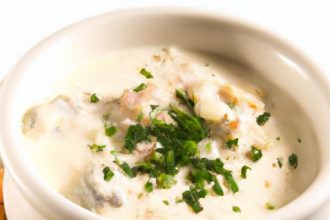
- Fresh chives or dill, finely chopped (for garnish and mild herbal undertone)
Instructions
- Drain and rinse the soaked cashews thoroughly, then transfer them to a high-speed blender or food processor.
- Add lemon juice, apple cider vinegar, plant-based yogurt, coconut milk, salt, garlic powder, onion powder, nutritional yeast, and tapioca starch to the cashews. Blend on high until smooth and creamy, scraping down the sides as necessary. Aim for a thick, slightly chunky consistency similar to traditional cottage cheese curds, not fully smooth.
- Transfer the mixture to a small saucepan and gently heat over medium-low heat. stir continuously to prevent burning, cooking until it thickens and becomes slightly elastic, about 5-7 minutes.
- Remove from heat and let cool to room temperature.
- Fold in freshly chopped herbs like chives or dill to infuse a fresh layer of aroma and flavor.
- Cover and refrigerate the dairy-free cottage cheese for at least 2 hours to firm up and allow the flavors to meld beautifully.
- Serve chilled or within 4 days for optimal freshness.
tips for Success
- Soaking your cashews is essential for a creamy texture and easier blending; don’t rush this step.
- Adjust the tanginess by tweaking lemon juice or apple cider vinegar quantities according to your personal preference.
- For chunkier curds, pulse the blender briefly instead of fully pureeing-a little texture goes a long way!
- Swap the tapioca starch with arrowroot powder if you prefer a different thickener; both work well.
- Make ahead: This dairy-free cottage cheese improves after resting overnight and can be stored in an airtight container for up to 4 days.
- Experiment with add-ins: Try fresh minced bell peppers, scallions, or a touch of smoked paprika for creative flavor profiles.
Serving Suggestions
This dairy-free cottage cheese shines both as a standalone snack and as a versatile ingredient. Spread it over whole-grain toast and top with sliced ripe tomatoes and cracked black pepper for a vibrant breakfast.Toss into a salad with crunchy cucumbers, cherry tomatoes, and fresh basil for a refreshing lunch. For something heartier, dollop it onto warm baked potatoes or savory crepes.
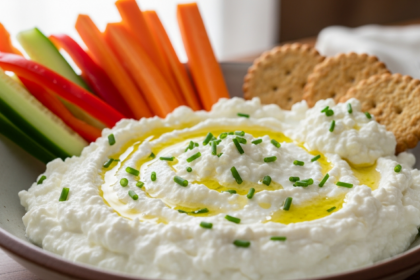
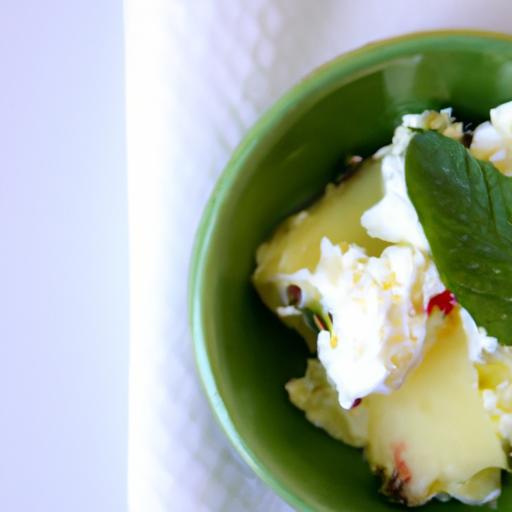
Garnish generously with herbs like dill, parsley, or basil to introduce a burst of color and elevate the visual appeal. A drizzle of extra virgin olive oil or a sprinkle of smoked paprika adds inviting richness and aroma.Don’t forget to pair with your favorite fresh fruits such as peaches or berries for a delightful sweet-savory fusion.
| Nutrient | Per 1/2 cup serving |
|---|---|
| calories | 140 kcal |
| Protein | 5 g |
| Carbohydrates | 8 g |
| Fat | 11 g |

To explore more plant-based cheese inspirations, check out our guide on Vegan Cheese Making Basics. For nutritional insights on cashews, visit the USDA FoodData Central.
Q&A
Q&A: Dairy-Free Cottage Cheese – Creamy Delight Without Dairy
Q1: What exactly is dairy-free cottage cheese?
A: Dairy-free cottage cheese is a plant-based alternative that mimics the creamy, curdy texture of traditional cottage cheese without using any cow’s milk or dairy ingredients.It’s crafted using nuts, soy, or other plant proteins, combined with fermentation or acidification techniques to achieve that familiar tang and texture, making it perfect for those avoiding dairy.
Q2: How does dairy-free cottage cheese compare in taste and texture to the classic version?
A: The best dairy-free cottage cheeses boast a surprisingly similar texture-light, slightly lumpy, and creamy-offering a mild tang that echoes the original. While the flavor can vary depending on the base (cashew, almond, tofu), manny varieties delight with a fresh, slightly nutty undertone that pairs beautifully with sweet or savory dishes.
Q3: What are the main ingredients used in making dairy-free cottage cheese?
A: Common bases include soaked and blended cashews or almonds, tofu, pea protein, and coconut cream. These are often combined with natural acids like lemon juice or apple cider vinegar,probiotics for fermentation,and a pinch of salt to create the tang and texture reminiscent of traditional cottage cheese.
Q4: Is dairy-free cottage cheese suitable for people with lactose intolerance or dairy allergies?
A: Absolutely! Dairy-free cottage cheese is a fantastic option for anyone who is lactose intolerant, allergic to dairy, or following a vegan lifestyle. Since it’s fully plant-based,it avoids all dairy-derived components,making it gentle on sensitive stomachs.
Q5: Can dairy-free cottage cheese be used in cooking and recipes just like regular cottage cheese?
A: Yes! It works brilliantly in a variety of applications-from creamy dips and spreads to salad toppings, stuffed vegetables, and even baking. Its versatility allows you to enjoy the familiar comfort of cottage cheese in recipes without the dairy.
Q6: How is dairy-free cottage cheese stored, and how long does it last?
A: Like its dairy counterpart, dairy-free cottage cheese should be refrigerated and stored in an airtight container. Depending on the brand or homemade recipe, it typically lasts about 5 to 7 days. Always trust your senses-if it smells off or develops mold, it’s time to discard.
Q7: Are there any nutritional benefits to choosing dairy-free cottage cheese?
A: Many dairy-free cottage cheeses provide good amounts of plant protein, healthy fats, and probiotics (if fermented), making them a nourishing addition to your diet. They’re also cholesterol-free and lower in saturated fat compared to some dairy versions, supporting heart health and digestion.
Q8: Where can I find dairy-free cottage cheese?
A: Health food stores,specialty grocery aisles,and online marketplaces increasingly stock dairy-free cheeses,including cottage cheese alternatives. You can also try making your own at home with simple ingredients and a bit of patience for fermentation.
Q9: Can children enjoy dairy-free cottage cheese?
A: Yes, children who tolerate the base ingredients (like nuts or soy) can enjoy dairy-free cottage cheese as a tasty, protein-packed snack or part of a meal. Just be sure to introduce it gradually and watch for any allergies if it’s their first time trying plant-based cheeses.
Q10: What makes dairy-free cottage cheese a good choice for sustainable eating?
A: Plant-based cottage cheese has a lower environmental footprint than traditional dairy. Producing nuts, legumes, and plant proteins requires less water and emits fewer greenhouse gases than raising dairy cows, making it a more earth-kind choice that still satisfies your creamy cravings.
To Wrap It Up
Embracing dairy-free cottage cheese means more than just skipping traditional ingredients-it’s about redefining creamy indulgence in a way that suits diverse lifestyles and dietary needs. Whether you’re vegan, lactose-intolerant, or simply curious, this dairy-free alternative offers a deliciously smooth texture and versatile flavor profile that can inspire your kitchen creativity. As plant-based innovations continue to evolve, creamy delights like dairy-free cottage cheese remind us that sometiems, the best things in life come without the dairy. So go ahead-scoop, spread, and savor this luscious twist on a classic favorite, proving that indulgence doesn’t require compromise.