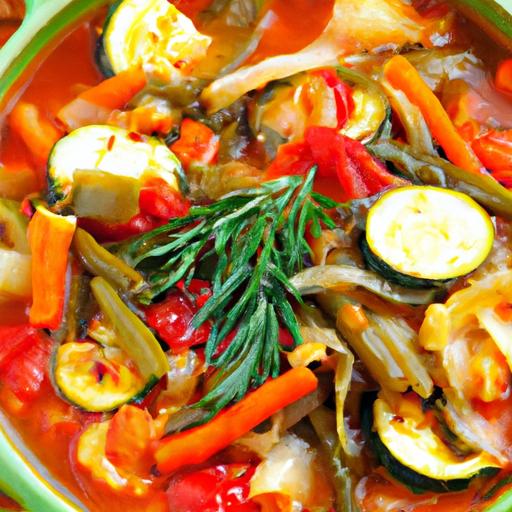



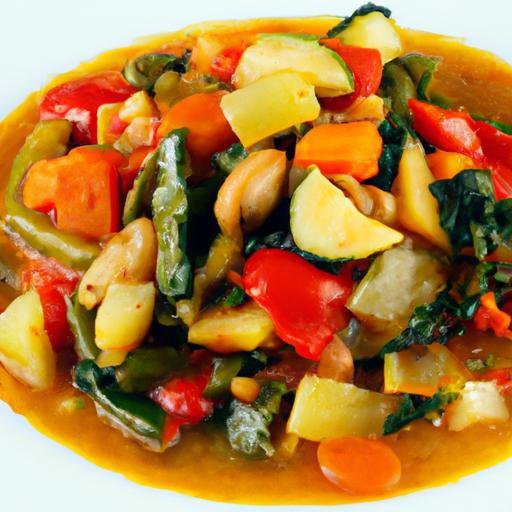
Nestled within the vibrant tapestry of Turkish cuisine lies Turlu, a harmonious party of nature’s bounty simmered to perfection. This colorful mixed vegetable stew is more than just a dish; it’s a culinary story told through layers of fresh,seasonal produce and fragrant herbs,each bite capturing the essence of Turkey’s rich agricultural heritage. From bustling city markets to quaint village kitchens, Turlu embodies warmth, tradition, and the simple joy of shared meals. Join us as we explore the origins,ingredients,and cultural significance of this delightful stew that invites both heart and palate into a world of flavor and color.
Origins and Cultural Significance of Turlu in Turkish Cuisine
Turlu, a vibrant mixed vegetable stew, embodies the heart and soul of Turkish home cooking.Rooted deeply in Anatolian tradition,this dish celebrates the bountiful harvests of local markets and gardens. Its name-meaning “mixed” or “varied” in Turkish-aptly reflects the medley of fresh, seasonal vegetables harmonizing in a single pot. Families across Turkey, especially in rural regions, have passed down turlu recipes through generations, each adding their unique twist based on available ingredients and regional preferences.
More than just a stew, turlu is a symbol of communal dining and resourcefulness. It embraces the Mediterranean diet’s emphasis on plant-based nutrition, bursting with colors and flavors that brighten the Turkish table year-round. Whether served during a humble weekday meal or a festive gathering, turlu represents warmth, simplicity, and connection to the land.
Prep and Cook Time
- Planning Time: 20 minutes
- Cooking Time: 45 minutes
- Total Time: 1 hour 5 minutes
Yield
serves 6 hearty portions
Difficulty Level
Easy to Medium – perfect for both beginners and seasoned home cooks eager to explore authentic Turkish flavors.
Essential Ingredients That Bring Turlu to life
- 3 tablespoons extra virgin olive oil
- 1 large onion, finely chopped
- 3 cloves garlic, minced
- 2 medium potatoes, peeled and cut into 1-inch cubes
- 2 medium zucchinis, sliced into thick rounds
- 1 large eggplant, cubed
- 2 large tomatoes, peeled and diced
- 1 cup green beans, trimmed and halved
- 1 large red bell pepper, cut into strips
- 1 large yellow bell pepper, cut into strips
- 2 teaspoons tomato paste
- 1 teaspoon ground cumin
- 1 teaspoon smoked paprika
- Salt and freshly ground black pepper, to taste
- 1 ½ cups vegetable broth or water
- Fresh parsley for garnish
- 1 teaspoon dried oregano (optional)
Step-by-Step Guide to Mastering the Perfect Turlu Stew
- Heat olive oil in a large, heavy-bottomed pot over medium heat. Add the chopped onions and sauté until translucent and slightly golden,about 5 minutes.
- Stir in garlic and cook for 1 minute, allowing its aroma to infuse the oil but without browning.
- Add the potatoes and eggplant cubes to the pot. Sauté for 5-7 minutes, stirring occasionally to prevent sticking and to slightly soften the vegetables.
- Incorporate the zucchini, green beans, and bell peppers. cook for another 5 minutes,stirring gently to combine the layers of flavors.
- Mix in the diced tomatoes and tomato paste. Stir thoroughly so the tomato paste coats the vegetables evenly, enriching the stew’s color and depth.
- Season with ground cumin,smoked paprika,salt,pepper,and dried oregano (if using). These spices add warmth and a smoky undertone, essential to authentic turlu.
- pour in the vegetable broth, just enough to barely cover the vegetables. Bring to a gentle boil, then reduce heat to low, cover with a tight-fitting lid, and simmer for 30-35 minutes.
- Check doneness by piercing vegetables with a fork; they should be tender but not mushy. Taste and adjust seasoning if necessary.
- Allow the stew to rest off heat for 10 minutes before serving. This lets the flavors meld and intensify.
Tips for Success
- Vegetable substitutions: Feel free to swap out vegetables based on seasonality-carrots, peas, or green zucchini work beautifully.
- Layering flavors: Sautéing the vegetables before simmering builds richer taste and a satisfying texture.
- Make ahead: Turlu tastes even better the next day, so consider preparing it in advance and reheating gently on the stove.
- Controlling consistency: For a thicker stew, cook uncovered for the last 10 minutes to reduce excess liquid.
- Highlight freshness: Finish with a sprinkle of fresh herbs like parsley or mint to brighten each bite.
Pairing Turlu with Traditional Sides and Beverages for an Authentic Experience
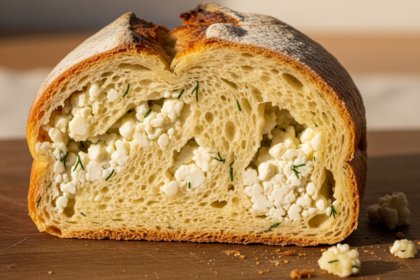
Turlu’s bright, stewed vegetable medley pairs marvelously with classic Turkish rice pilaf. The fluffy,buttery grains serve as the perfect base to soak up its aromatic juices. For roadside-style comfort, serve alongside thick slices of freshly baked crusty bread-its rustic texture helps scoop up every flavorful morsel.
Complement your meal with a chilled glass of Ayran, a cool, salty yogurt drink that refreshes the palate and balances the stew’s earthiness. For an alcohol-free option, freshly brewed Turkish black tea offers a warm, slightly astringent finish, enhancing the meal’s comforting ambiance.
Garnish with a scatter of chopped parsley or a wedge of lemon to add a citrusy zing if desired. This elevates turlu beyond just a humble stew into a dish that brings vibrant Turkish culture straight to your kitchen table.
Nutritional information per serving
| Calories | Protein | Carbohydrates | Fat |
|---|---|---|---|
| 180 kcal | 4 g | 30 g | 6 g |

Q&A
Q&A: Turlu – Exploring Turkey’s Colorful Mixed Vegetable Stew Delight
Q1: What exactly is Turlu?
A1: Turlu is a vibrant, hearty Turkish stew that celebrates the bounty of summer and autumn vegetables. The name itself means “mixed” or “varied,” highlighting the dish’s colorful medley of figs, eggplants, peppers, tomatoes, potatoes, and sometimes green beans, all simmered together in a fragrant tomato-based sauce. It’s a culinary mosaic that brings the garden to your table.
Q2: Where does Turlu originate from in Turkey?
A2: Turlu has roots across many regions of Turkey, especially from the aegean and Marmara areas where vegetable farming thrives. Because it’s a homey, rustic dish, each family and region has its own twist – some versions might be lighter and summery, while others are richer and layered with spices, reflecting local harvests and taste traditions.
Q3: What are the key ingredients that make Turlu so special?
A3: The beauty of Turlu lies in its use of fresh, seasonal vegetables: eggplants that soften to buttery perfection, plump tomatoes that melt into the sauce’s base, sweet bell peppers, tender potatoes, and occasionally zucchini or okra. Aromatic herbs like parsley, thyme, or mint, along with garlic and sometimes a hint of mild chili, give the stew its fragrant complexity.
Q4: How is Turlu traditionally prepared?
A4: Traditionally, Turlu is assembled in a deep pot or large clay casserole called a güveç. Vegetables are chopped evenly, layered carefully, then slow-cooked in olive oil and tomato sauce until tender and fragrant. It’s a simple, almost meditative cooking process-allowing the flavors to meld and the colors to blend into a stew that’s as visually pleasing as it is appetizing.
Q5: can Turlu be adapted for different dietary preferences?
A5: Absolutely! Turlu is naturally vegetarian and vegan, making it a perfect plant-based dish. For those looking to add protein, legumes such as chickpeas or white beans can be stirred in, or served alongside. Since it’s all about vegetable harmony, there’s ample room to customize based on available produce or personal taste.
Q6: When is the best time to enjoy Turlu?
A6: Turlu shines best in late summer and early fall when vegetables are at their peak freshness and flavor. Tho, you can enjoy it year-round using seasonal substitutions or frozen vegetables. Served warm, it’s a comforting dish for cool evenings, but it can also be enjoyed at room temperature for a light lunch on a sunny day.
Q7: What dishes or sides typically accompany Turlu?
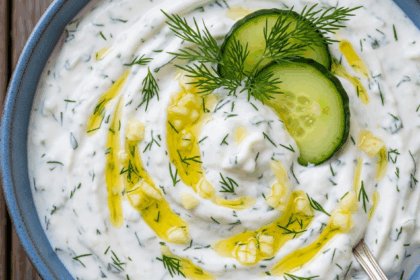
A7: Turlu pairs beautifully with simple staples like crusty bread or rice pilaf to soak up its rich juices. A side of tangy yogurt or a fresh salad of cucumbers and dill can add a bright contrast to the stew’s richness. It also makes a colorful addition to a mezze spread,bringing warmth and rustic charm to the table.
Q8: How does Turlu represent Turkish culinary culture?
A8: More than just a stew,Turlu epitomizes the Turkish ethos of celebrating the land’s bounty with respect and simplicity. It showcases how humble ingredients, treated with care and love, transform into a dish that is wholesome, nourishing, and filled with vibrant flavors – a true taste of turkey’s home cooking tradition.
concluding Remarks
As the vibrant hues of türu swirl together in a delicious mosaic, this humble stew reveals more than just a medley of vegetables-it unfolds a story of Turkey’s rich culinary heritage, regional diversity, and a celebration of seasonal bounty. Whether served as a comforting main or a colorful side, türu invites you to savor the simplicity and warmth of home-cooked tradition with every spoonful.So next time you yearn for a dish that’s as nourishing for the soul as it is for the body, let türu’s lively blend of textures and flavors transport you to the heart of Turkey’s kitchen, where every ingredient plays a part in a timeless, colorful symphony.