

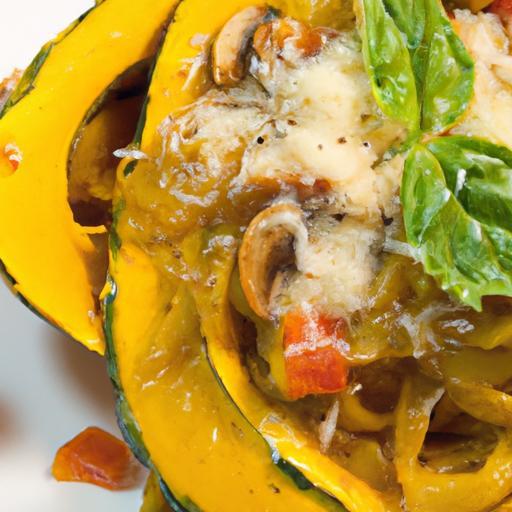
when it comes to choosing vegetables that satisfy both our taste buds and waistlines, spaghetti squash often steals the spotlight. Its stringy, pasta-like texture offers a delightful choice to traditional noodles, promising a lighter plate without sacrificing satisfaction. But beneath its vibrant golden exterior lies a question worth unraveling: Is spaghetti squash truly a low-calorie champion, or does it harbor unexpected energy that could tip the scales? In this article, we dive fork-first into the nutritional nuances of spaghetti squash to uncover whether it’s merely a light bite or a sneaky source of hidden calories.
Spaghetti Squash Calories intrigue many seeking a lighter alternative to traditional pasta dishes without sacrificing flavor or satisfaction. Originating from the Americas, this vibrant squash transforms wonderfully when cooked, revealing delicate, noodle-like strands perfect for a gluten-free, low-calorie meal. My journey with spaghetti squash began as a quest for healthy comfort food, and what captivated me was how effortlessly it absorbs flavors while trimming down calories. Let’s dive deep into how this autumnal wonder stacks up nutritionally and how you can enjoy it with minimal energy intake.
Prep and Cook Time
- Preparation: 10 minutes
- Cooking: 40 minutes (roasting)
- Total Time: 50 minutes
Yield
Serves 4 hearty portions
Difficulty Level
Easy – perfect for weeknight dinners and meal prep beginners
Ingredients
- 1 medium spaghetti squash (about 3 lbs)
- 2 tablespoons extra virgin olive oil
- 1 teaspoon sea salt
- ½ teaspoon freshly ground black pepper
- 1 teaspoon garlic powder
- Fresh basil or parsley for garnish (optional)
Instructions
- Preheat your oven to 400°F (200°C). Using a sharp knife, carefully halve the spaghetti squash lengthwise.Scoop out the seeds and fibrous pulp with a spoon.
- Drizzle olive oil evenly over the cut sides, then season with sea salt, black pepper, and garlic powder.Rub the seasoning gently into the flesh for maximum flavor.
- Place each half cut-side down on a baking sheet lined with parchment paper. Roast for 35-40 minutes until the flesh is tender and strands easily separate with a fork.
- Remove from the oven and allow to cool slightly. Using a fork, scrape the flesh lengthwise into spaghetti-like strands.
- Serve instantly as a low-calorie base or store in an airtight container in the fridge for up to 5 days.
Chef’s Notes
- For an even lighter meal, swap olive oil with a light spray of cooking oil before roasting.
- If time is short, microwave the squash halves for 12-15 minutes, but roasting enhances flavor and texture.
- To amp flavor without extra calories,toss strands with fresh herbs,a squeeze of lemon,or a sprinkle of red pepper flakes.
- Make-ahead tip: Prepare the spaghetti squash in advance and refrigerate for fast weeknight toss-ups.
Serving Suggestions
Brighten your plate by topping warm spaghetti squash strands with a vibrant tomato basil sauce or a sauté of seasonal vegetables. A light dusting of nutritional yeast or a sprinkle of toasted pine nuts adds texture and umami without tipping the calorie scale. Garnish with fresh basil leaves or parsley ribbons for a pop of colour and freshness. For a creamy touch that stays light, blend avocado with garlic and lemon for a luscious drizzle.
| nutrient | Spaghetti Squash (1 cup cooked) | Traditional Pasta (1 cup cooked) |
|---|---|---|
| Calories | 42 kcal | 200 kcal |
| Protein | 1 g | 7 g |
| Carbohydrates | 10 g | 40 g |
| Fat | 0.4 g | 1.2 g |
How Preparation Methods Influence Spaghetti Squash Energy Content
While spaghetti squash’s base calories remain modest, spaghetti squash calories can vary substantially depending on cooking and seasoning methods. Roasting with a generous amount of oil or finishing with calorie-dense sauces can increase the final energy content, making it important to keep toppings and fats in check. Steaming or microwaving offers even lighter options but can produce a milder flavor profile that benefits from strategic seasoning.
Consider this: swapping butter or cream sauces for herbaceous, spice-driven alternatives can keep your dish flavorful yet calorie-conscious. Pinching salt thoughtfully enhances natural sweetness without artificially pumping up sodium. Remember, the way you prepare spaghetti squash influences your plate’s overall caloric impact far more than the squash itself.
smart Serving Tips for Enjoying Spaghetti Squash Without Overloading Calories
To keep your meal balanced and managed, measure portions carefully-using a kitchen scale can build awareness of calorie intake and avoid accidental over-serving.Incorporate plenty of fresh,low-calorie vegetables like roasted cherry tomatoes,sautéed spinach,or grilled zucchini alongside your squash. These add volume and nutrients without inflating calories.
For a protein punch without the padding, lean proteins such as grilled chicken breast or white fish pair beautifully, complementing the delicate texture without overshadowing the dish. Vegetarians can opt for white beans or marinated tofu for satisfying, nutrient-rich toppings.
For more meal inspiration, explore our guide on Healthy Zucchini Noodles Recipes to discover othre innovative, low-calorie pasta substitutes.
Lastly, for trusted nutritional insights, visit USDA FoodData central, a thorough resource on food energy values and more.

Q&A
Q: What makes spaghetti squash a popular choice for those counting calories?
A: Spaghetti squash stands out because it’s naturally low in calories while providing a satisfying, noodle-like texture. With roughly 42 calories per cup (cooked), it offers a light but filling alternative to traditional pasta, perfect for anyone looking to enjoy a hearty meal without a heavy calorie load.Q: How does the calorie content of spaghetti squash compare to regular pasta?
A: While a cup of cooked spaghetti squash contains about 42 calories, the same amount of cooked spaghetti pasta typically packs around 200 calories. This stark difference makes spaghetti squash a fantastic “light bite” option for those wanting to reduce calorie intake without sacrificing portion size.
Q: Does spaghetti squash provide enough energy for active lifestyles?
A: Though lower in calories, spaghetti squash includes complex carbs and fiber that deliver steady energy.Its natural sugars break down slowly, helping maintain balanced blood sugar levels and fueling your day without the energy spikes and crashes often caused by refined carbs.
Q: Can spaghetti squash be considered a nutrient-dense food despite its low calorie count?
A: Absolutely! Beyond calories, spaghetti squash is rich in vitamins A and C, potassium, and antioxidants. Its fiber content supports digestion and promotes a feeling of fullness, making every calorie count toward both nourishment and vitality.Q: Is it easy to incorporate spaghetti squash into a balanced diet?
A: Definitely. Spaghetti squash’s mild flavor and versatile texture allow it to blend seamlessly with a variety of healthy ingredients, from fresh herbs and vibrant vegetables to lean proteins and plant-based sauces.Whether roasted, steamed, or sautéed, it’s an adaptable canvas for creativity in the kitchen.
Q: Could spaghetti squash’s low-calorie profile lead to underestimating its energy?
A: It’s true that lighter calories might make us think it’s an insubstantial food, but spaghetti squash’s bulk and fiber help satisfy hunger effectively. While it may not pack the same caloric punch as pasta, it can keep you energized and content, especially when combined thoughtfully with nutrient-rich toppings.
Q: What’s the best way to prepare spaghetti squash to keep it light yet flavorful?
A: Roasting or steaming the squash highlights its natural sweetness and creates those signature spaghetti-like strands. Pairing it with fresh herbs, lemon zest, or a drizzle of olive oil keeps the dish light but flavorful-ensuring you enjoy every bite without loading up on unnecessary calories.
Wrapping Up
Whether you’re savoring spaghetti squash as a guilt-free substitute or curious about how its calories stack up against your favorite carb-loaded dishes, this vibrant gourd proves to be more than just a light bite. Packed with subtle energy and nutritional perks, spaghetti squash invites you to rethink your plate without sacrificing flavor or fullness. So next time you twirl those tender strands onto your fork, remember: beneath its delicate strands lies a powerhouse ready to fuel your day in the most wholesome way.