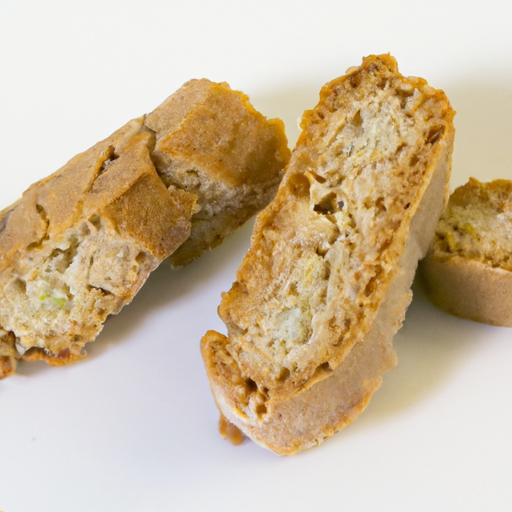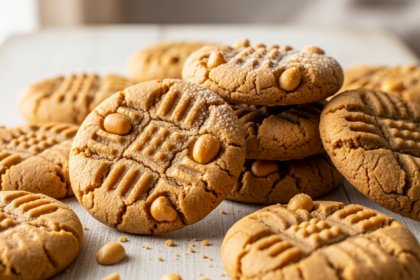

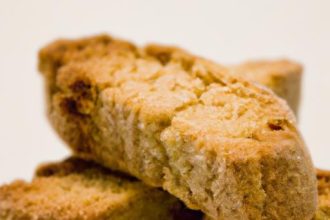

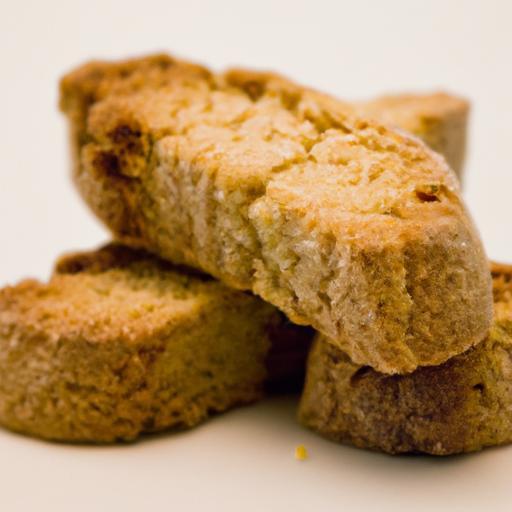
nestled in the sun-drenched hills of Tuscany, a humble biscuit carries centuries of history and a crunch that echoes through Italy’s culinary soul. Cantucci, those golden, almond-studded biscuits, are more than just a treat-they’re a delicious testament to italian tradition, culture, and the art of simple, perfected flavors. In this journey, we’ll uncover the origins, the craftsmanship, and the rituals behind cantucci, revealing why this crunchy delicacy remains a beloved staple on tables from quaint village cafes to elegant city trattorias.Prepare to dive into the story of Italy’s iconic biscuit tradition, where every bite tells a tale.
origins and Evolution of Cantucci Through the Centuries
Cantucci uncovered transports us to the sun-drenched hills of Tuscany, where this iconic crunchy biscuit was born centuries ago.Originally crafted as a travel-pleasant treat for pilgrims and merchants journeying along the ancient Via Cassia, cantucci’s signature twice-baked method ensured a long shelf life and irresistible crunch. Through generations, this humble almond biscuit evolved from a rustic staple into a beloved symbol of Italian heritage-savored across households and celebrated in artisanal bakeries from Florence to Siena.
The simplicity of traditional ingredients-flour, sugar, whole almonds, fresh eggs, and a touch of natural flavoring like citrus zest or anise-speaks to the resourcefulness of Italian bakers who relied on local, seasonal produce.its evolution reflects regional nuances and inventive touches, from the incorporation of aromatic spices to the occasional use of different nuts, but always preserving that trademark crunch that defines cantucci.
Crafting the Perfect Crunch: Exploring Traditional Ingredients and Techniques
Mastering the art of cantucci means embracing its twice-baked technique,which is essential for that perfect crunch that shatters delightfully with each bite. The dough combines simple, quality ingredients-most notably whole, toasted almonds that infuse the biscuit with a rich, nutty aroma and texture.
Start by mixing the basic dry ingredients and folding in the beaten eggs gently, enough to bring the dough together but never overly moist. Shape the dough into logs, bake lightly, then slice diagonally before a second bake to achieve the golden, crunchy perfection. This double baking not only dries out the biscotti but also intensifies their flavor and longevity.
Incorporating a zest of lemon or orange peel or a hint of anise seed is traditional in some families, adding a delicate citrus note or aromatic depth that complements the almonds beautifully.Using high-quality flour, fresh eggs, and raw almonds roasted just before mixing will elevate your final biscuit to bakery-standard excellence.
pairing Cantucci with Vin Santo and Beyond: Tips for Enjoying Italy’s Iconic Biscuit
The classic Italian tradition pairs cantucci with a sweet,amber-hued Vin Santo, dipping the crunchy biscuits into the luscious dessert wine to soften the texture and create a symphony of flavors. But cantucci’s versatility extends far beyond this pairing.
For a non-alcoholic alternative,try dunking the biscuits into rich espresso or a steaming cup of chai tea,where the warm spices and robust flavor meet the biscuit’s crunch in perfect harmony. At brunch or dessert, serve alongside a bowl of fresh mascarpone or ricotta cheese lightly sweetened and garnished with honey and fresh berries for an indulgent twist.
Experimenting with nut varieties-hazelnuts, pistachios, or even candied citrus peels-can make cantucci a personalized creation that pairs well with coffee, herbal teas, or creamy puddings. This adaptability is part of why cantucci uncovered continues to be a timeless favorite in modern culinary circles.
Where to Find Authentic Cantucci: Recommendations from Artisanal Bakeries across Italy
For those inspired to taste cantucci in its purest form, a pilgrimage to Tuscany’s artisanal bakeries is a must. From Florence’s historic neighborhood shops like Pasticceria Leopoldo to the quaint bakeries of Montepulciano and San gimignano, authenticity means biscuits handcrafted from traditional family recipes with unadulterated ingredients.
Look for bakeries that roast their own almonds and maintain the painstaking twice-baked process-these details make all the difference in texture and flavor. Many of these patisseries ship internationally,allowing you to bring the crunchy,fragrant essence of Tuscany’s cantucci into your own kitchen.
To deepen your exploration, consider visiting our Italian Biscotti Guide for an inside look at regional variations and recipe inspirations.
Prep and Cook Time
- Prep Time: 20 minutes
- First Bake: 25 minutes
- Second Bake: 15 minutes
- Total Time: 60 minutes
Yield
Approximately 30 traditional almond cantucci biscuits
Difficulty Level
Medium – Requires attention to dough consistency and double baking technique
Ingredients
- 2 cups all-purpose flour,sifted
- 1 cup granulated sugar
- 3 large fresh eggs
- 1 1/2 teaspoons baking powder
- 1 cup whole raw almonds,toasted and cooled
- 1 teaspoon pure vanilla extract
- 1 teaspoon finely grated lemon zest (optional)
- Pinch of fine sea salt
Instructions
- Preheat oven to 350°F (175°C). Line a baking sheet with parchment paper for easy cleanup.
- toast the almonds in a dry skillet over medium heat for 5 minutes until fragrant and lightly golden. Set aside to cool.
- Whisk the eggs and sugar vigorously in a large bowl until pale and thick, about 3 minutes, then stir in vanilla extract and lemon zest.
- Combine flour, baking powder, and salt in a separate bowl. Gradually fold into the egg mixture until a sticky dough forms. Fold in toasted almonds gently.
- Divide the dough in half on a lightly floured surface. Shape each half into a log approximately 12 inches long and 2 inches wide. Place on prepared baking sheet.
- Bake for 25 minutes until the logs are firm to the touch and lightly golden. Remove from oven and let cool for 10 minutes.
- Using a serrated knife,slice the logs diagonally into 1/2-inch thick biscotti pieces. Arrange slices cut side down on the baking sheet.
- Bake a second time for 15 minutes, flip halfway through, until biscotti are crisp and golden brown. Remove and cool completely on wire racks.
Tips for Success
- Dough consistency: If the dough feels too dry, add one tsp of water at a time; if too sticky, lightly dust with flour.
- Almonds: For a deeper flavor, toast the almonds thoroughly but avoid browning them too much to prevent bitterness.
- Storage: keep your cantucci in an airtight container; they stay crunchy for up to two weeks, perfect for making ahead.
- Variations: Substitute almonds with hazelnuts or pistachios for a different twist, or add a teaspoon of anise seeds for an aromatic note.
Serving Suggestions
Present cantucci on a rustic wooden board accompanied by a small carafe of Vin Santo or chilled espresso. Garnish with thin lemon zest curls or whole almonds for visual appeal. For a modern dessert,serve beside a dollop of mascarpone cream,fresh figs,and a drizzle of wildflower honey-delighting guests with layers of flavor and texture.
| Nutritional Info (per serving, 2 biscotti) | Calories | Protein | Carbs | Fat |
|---|---|---|---|---|
| Cantucci Classic | 150 kcal | 4 g | 22 g | 6 g |

Q&A
Q&A: Cantucci Uncovered – Italy’s crunchy Biscuit Tradition Explained
Q1: What exactly are cantucci?
A1: Cantucci, also known as biscotti di Prato, are traditional Italian almond biscuits originating from Tuscany. These twice-baked treats boast a golden, crunchy texture and a subtly sweet, nutty flavor that has delighted generations. Their characteristic hardness comes from the unique baking process that ensures they stay fresh and crisp for weeks.
Q2: How did cantucci become a staple of Italian baking?
A2: The roots of cantucci stretch back centuries to the Tuscan town of Prato, where resourceful bakers created these long-lasting biscuits as an ideal snack for travelers and workers. Their durability and delicious taste cemented their place on Italian tables, evolving from rustic origins to beloved treats enjoyed across the contry.Q3: What ingredients typically go into cantucci?
A3: The classic cantucci recipe is surprisingly simple yet exquisite. It includes flour, sugar, eggs, almonds (often unblanched for extra crunch and flavor), a touch of vanilla or anise for aroma, and a hint of baking powder.the magic lies in the balance-sweetness isn’t overpowering, allowing the texture and natural nuttiness to shine.
Q4: Why are cantucci baked twice?
A4: Twice-baking is the heart of what makes cantucci unique. Initially, the dough is baked in a log shape. Then, it’s sliced into individual biscuits and baked again to achieve that signature crunch. This process removes moisture, ensuring the biscuit is dry and crisp-perfect for long shelf life and delightful texture.
Q5: Are there regional variations of cantucci in italy?
A5: Absolutely! While Prato’s almond cantucci are the most famous, various Italian regions have their own spins. Some add hazelnuts, pistachios, or dip the biscuits in chocolate for extra indulgence. Yet,the essence remains: a twice-baked,crunchy,nut-infused biscuit rooted in tradition.
Q6: How are cantucci traditionally served?
A6: Traditionally, cantucci are served as a sweet treat to end meals or accompany coffee and tea throughout the day. Their crisp texture makes them ideal for dipping into hot beverages,softening just enough to offer a delightful contrast between crunchy and tender.Q7: Can cantucci be made at home easily?
A7: Yes! With a handful of pantry staples and some patience for the baking process, home bakers can recreate authentic cantucci. the key is shaping the dough correctly, precise slicing after the first bake, and a gentle second baking to maintain that perfect crunch without burning.
Q8: What makes cantucci stand apart from other biscuits or cookies?
A8: Cantucci aren’t just any cookie-they’re a cultural symbol fused with a unique baking technique. Their double-bake method, rustic almond texture, and Tuscan heritage combine to offer a sensory bite that is both crunchy and hearty, a testament to Italian culinary craftsmanship.
Q9: How do modern bakers innovate on the cantucci tradition?
A9: Contemporary chefs experiment by adding unexpected ingredients like dried fruits, citrus zest, or infusing exotic spices to complement the classic almond base. Vegan and gluten-free versions are also appearing, adapting this historic recipe for new dietary preferences while honoring its core identity.
Q10: Why should someone outside Italy try cantucci?
A10: Cantucci are a delicious edible doorway into Italian culture and history.Their rustic charm and unique texture invite curiosity and enjoyment far beyond their homeland. For anyone exploring global flavors, cantucci offer both a culinary delight and a connection to Italy’s rich baking heritage.
In Summary
As we’ve discovered, cantucci are more than just crunchy biscuits; they are a delicious thread woven into the rich tapestry of Italian culinary heritage. From their humble origins in Tuscany to their cherished place alongside a glass of Vin Santo,these golden,almond-studded treats invite us to savor tradition one crisp bite at a time. Whether enjoyed as a morning snack or an after-dinner delight, Cantucci remind us that sometimes, the simplest recipes carry the deepest stories-crisp, timeless, and irresistibly inviting. So next time you reach for a sweet indulgence, remember that with Cantucci, you’re not just tasting a biscuit-you’re experiencing a crunchy slice of Italy’s history.