

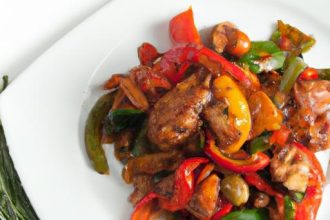

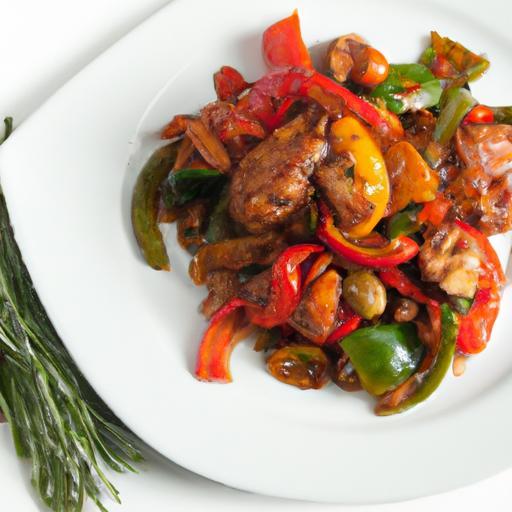
There’s a certain magic in Sicilian cuisine-a vibrant tapestry of flavors woven from sun-kissed eggplants, tangy tomatoes, and a symphony of herbs and spices inspired by centuries of Mediterranean influence. At the heart of this culinary mosaic lies caponata, a classic Sicilian dish that effortlessly balances sweet, sour, and savory notes into a harmonious bite. Whether served as a hearty appetizer or a flavorful side, caponata invites you to savor the spirit of Sicily with every forkful. Ready to bring a taste of the island to your kitchen? Let’s dive into an authentic caponata recipe that promises to transform simple ingredients into a timeless Sicilian delight.
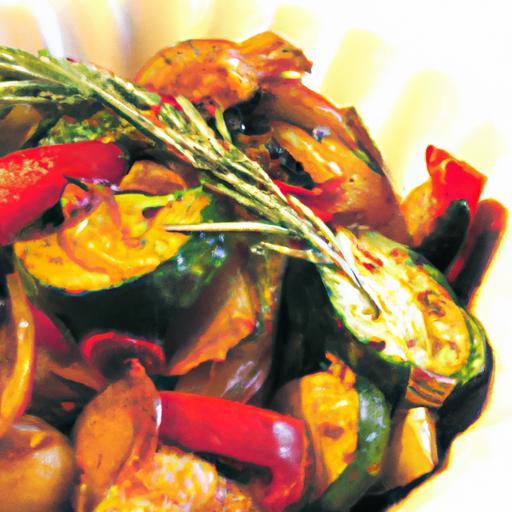
Savor Sicily: A Classic Caponata Recipe to Try Today opens the door to an unforgettable sicilian culinary journey. This vibrant eggplant-based relish blends history, culture, and a masterful balance of sweet and sour flavors that have been cherished for centuries. Originating from Sicily’s coastal kitchens,caponata is more than just a dish-it encapsulates the island’s diverse heritage,where Arab,Spanish,and Mediterranean influences converge in a single bite. As a treat for the senses, its glossy, colorful medley of fried vegetables and tangy dressing promises to transport you straight to a sun-drenched Sicilian table.
Prep and Cook Time
- Preparation: 25 minutes
- Cooking: 35 minutes
- Total Time: 1 hour
Yield
Serves 6 as an appetizer or side dish
Difficulty Level
Medium – Requires attentive cooking and balancing of flavors
essential Ingredients for Authentic Sicilian Caponata
- 2 large eggplants (about 1.5 lbs), cut into 1-inch cubes
- 1 large yellow onion, finely chopped
- 3 celery stalks, sliced diagonally
- 2 ripe tomatoes, peeled and chopped (or 1 cup canned peeled tomatoes)
- 1/2 cup green olives, pitted and sliced
- 1/4 cup pine nuts, toasted
- 1/4 cup capers, rinsed
- 1/3 cup red wine vinegar
- 3 tbsp sugar
- 1/4 cup extra virgin olive oil, plus more for frying
- Salt and freshly ground black pepper, to taste
- Fresh basil leaves for garnish
Mastering the Art of Balancing Sweet and sour Flavors in Caponata
The magic of caponata lies in the expertly balanced tang of the red wine vinegar paired with the gentle sweetness of sugar. The vinegar gives the dish its characteristic brightness, while the sugar softens and rounds out the acidity, creating a luscious harmony. It’s essential to add these ingredients gradually and taste as you go, adjusting to your desired equilibrium. Remember, the flavors deepen and mellow after chilling, making caponata an ideal make-ahead treat.
Step-by-Step Instructions: Crafting Your Classic Caponata
- Prepare the eggplant: Sprinkle the cubed eggplants lightly with salt and let them sit in a colander for 20 minutes to draw out bitterness and excess moisture. Than, rinse and pat dry thoroughly.
- Fry the eggplant: Heat a generous layer of olive oil in a large skillet over medium heat. Fry the eggplant cubes in batches, turning occasionally until golden and tender, about 6-7 minutes per batch. drain on paper towels.
- Sauté the aromatics: In a separate large pan, heat 1/4 cup olive oil.Add chopped onions and celery, sautéing until fragrant and translucent about 5 minutes.
- Add tomatoes, olives, and capers: Stir in the tomatoes, olives, and capers. Let the mixture simmer gently for 10 minutes until the tomatoes break down and the sauce thickens slightly.
- combine and season: Return the fried eggplant to the pan. Mix together the vinegar and sugar until dissolved, then pour over the vegetables. Stir gently, cook for another 5 minutes, allowing the flavors to meld together.
- Add pine nuts and adjust seasoning: Fold in the toasted pine nuts and season generously with salt and black pepper. Remove from heat and let cool to room temperature.
- Chill and marry flavors: Transfer the caponata to a serving bowl, cover, and refrigerate for at least 2 hours or overnight. This resting period is crucial to develop the signature harmony of flavors.
Tips for Success When Making Caponata
- Use firm, fresh eggplants to avoid mushy textures; salting helps reduce bitterness and excess water.
- Control frying temperature: maintain medium heat to achieve golden cubes without burning.
- For a vegan-friendly dish,avoid adding any animal products and deepen flavors with quality olive oil and fresh vegetables.
- Don’t skip the chilling step; caponata tastes best after resting, allowing the sweet and sour notes to fully develop.
- Toast pine nuts lightly for a crunchy contrast, taking care not to burn them, which imparts bitterness.
Creative Serving Suggestions to Elevate Your Caponata experience
serve your classic Sicilian caponata chilled or at room temperature as a vibrant side to grilled fish or hearty rustic bread. For a visually stunning appetizer, spoon caponata onto toasted crostini and garnish with fresh basil and a drizzle of extra virgin olive oil. Alternatively, layer it as a topping on creamy burrata cheese or use it as a flavorful filling for warm focaccia or pizza bases.Its versatility also shines as a topping for roasted potatoes or alongside simple grilled vegetables to celebrate pure Sicilian freshness.

| Nutritional Info per serving |
Calories | protein | Carbs | Fat |
|---|---|---|---|---|
| Caponata | 180 kcal | 3 g | 20 g | 10 g |
For those eager to explore more authentic Sicilian dishes, check out our Sicilian Ratatouille variations. Simultaneously occurring, for a deep dive into caponata’s rich cultural origins, the Encyclopedia Britannica’s article on Caponata offers trustworthy insights.
Q&A
Q&A: Savor Sicily – A Classic Caponata Recipe to try Today
Q1: What is Caponata,and why is it considered a quintessential Sicilian dish?
A1: Caponata is a vibrant,tangy vegetable medley hailing from Sicily,characterized by its harmonious blend of sweet,sour,and savory flavors. traditionally made with eggplant, tomatoes, celery, olives, and capers, this vegetable stew reflects the island’s rich agricultural heritage and its love for bold, layered tastes.It’s quintessentially Sicilian because it embodies the island’s culinary philosophy: simple, fresh ingredients transformed into a dish bursting with character.
Q2: What are the key ingredients that make a classic Caponata?
A2: The heart of Caponata lies in tender, sautéed eggplants mingling with sautéed celery, ripe tomatoes, green olives, tangy capers, and a splash of sweet vinegar that balances each bite. Pine nuts or raisins are often added to provide bursts of texture and subtle sweetness. The magic comes from slow-cooking these ingredients to meld their flavors into a luscious, chunky relish.
Q3: How does the preparation method influence the final taste and texture of Caponata?
A3: preparation is crucial: frying the eggplant until golden and slightly crisp releases its creamy texture, while sautéing celery until tender adds a pleasant crunch. The sweet and sour sauce-a mix of vinegar and sugar simmered down with tomatoes-imparts the signature balance that makes Caponata so addictive. letting the Caponata rest for a few hours or overnight allows the flavors to deepen and marry beautifully, enhancing the complexity of the dish.
Q4: Can Caponata be enjoyed in different ways beyond a traditional side dish?
A4: Absolutely! Caponata is remarkably versatile. It works beautifully as a topping for toasted bread,creating a vibrant bruschetta. It can also be served cold or at room temperature alongside grilled vegetables or as a zesty accompaniment to fish and chicken. Some even enjoy it as a flavorful filling for sandwiches or as a unique pizza topping-its versatility mirrors Sicily’s playful culinary spirit.
Q5: How can I ensure my Caponata is perfectly balanced and not too sour or sweet?
A5: Achieving that perfect sweet-and-sour balance is a culinary dance. Start with a gentle hand on the sugar and vinegar, adding them bit by bit while tasting frequently. Remember,the sweetness should accentuate,not overpower,the savory vegetables,and the acidity should brighten the dish without overwhelming it. Using fresh-quality vinegar and natural sweeteners like raisins can help maintain harmony. Patience in cooking and tasting is your best tool here.
Q6: Are there any tips for selecting the best eggplants for Caponata?
A6: Choose firm, glossy eggplants with smooth skin and without blemishes for the freshest flavor and texture. Small to medium-sized globe eggplants or Sicilian varieties work best as they have fewer seeds and are less bitter. To reduce bitterness and excess moisture, sprinkle sliced eggplant with salt and let it sit for about 30 minutes before rinsing and patting dry-this step helps achieve a richer, less watery Caponata.Q7: Can Caponata be made ahead of time, and how should it be stored?
A7: Caponata is one of those dishes that improves with time. It can be made a day or two in advance and refrigerated in an airtight container.As it rests,the flavors deepen and blend,giving it a more profound and harmonious taste.Serve it cold or gently warmed, depending on your preference. It keeps well for up to 4 days in the fridge, making it a fantastic make-ahead option for busy days or entertaining.
Enjoy crafting this iconic Sicilian treasure in your kitchen-Savor Sicily,one luscious bite of Caponata at a time!
The Conclusion
As you close the chapter on your Sicilian culinary adventure,remember that caponata is more than just a dish-it’s a vibrant celebration of Sicily’s rich history,sun-soaked produce,and soulful flavors.Whether served as a tangy appetizer, a side to crusty bread, or a hearty topping for grilled meats, this classic caponata recipe invites you to savor the island’s essence with every bite. So, gather your ingredients, embrace the slow symphony of sweet and sour contrasts, and bring a taste of Sicily to your table today. Buon appetito!