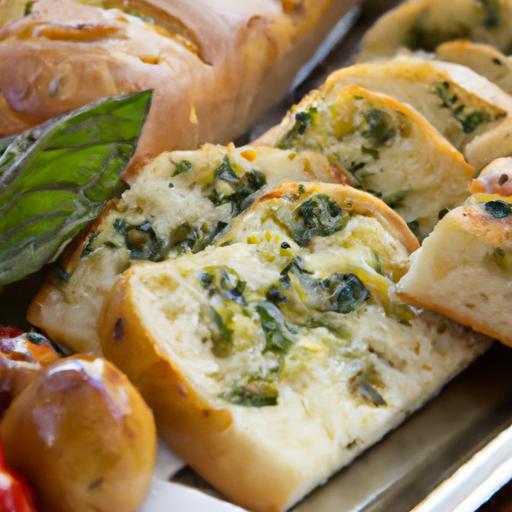

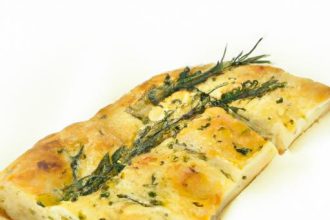

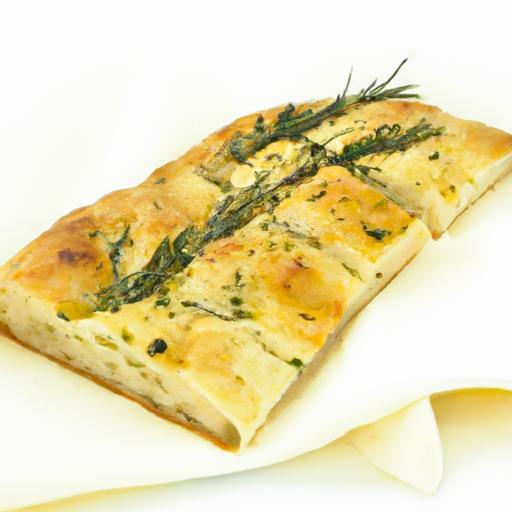
In teh sun-drenched landscapes of Italy, where culinary traditions are as rich as the history that shapes them, a humble yet irresistible treasure emerges from rustic ovens: focaccia.This herb-infused olive oil bread, with its golden crust and pillowy heart, is more than just a staple-it is indeed a journey into the very soul of Italian flavors. “Focaccia Unveiled: Italy’s Herb-infused Olive Oil Bread Delight” invites you to explore the artistry behind this beloved bread, revealing how simple ingredients-flour, water, olive oil, fragrant herbs, and a touch of sea salt-transform into a sensory masterpiece. Join us as we peel back the layers of history, tradition, and technique that make focaccia a timeless emblem of Italy’s gastronomic heritage.
Focaccia Unveiled opens a fragrant window into Italy’s time-honored tradition of crafting bread kissed with herb-infused olive oil. This golden, airy flatbread, beloved across regions from liguria to Tuscany, is much more than a simple accompaniment-it’s a sensory celebration of rustic simplicity and fragrant herbs steeped in Mediterranean sunshine. I still remember my first taste in a small Genoese bakery, where the crisp crust gave way to tender, olive-oil-laden crumb, imbued with rosemary and sea salt; that moment sparked my lifelong passion for mastering this iconic comfort bread.
Prep and Cook Time
- Planning: 20 minutes
- rising Time: 1 hour 30 minutes
- Baking Time: 20-25 minutes
Yield
Serves 6-8 as an appetizer or side dish
Difficulty Level
Easy to Intermediate – Perfect for bakers wanting to elevate their bread game
Ingredients
- 3 cups all-purpose flour, sifted
- 1 cup warm water (105°F-110°F)
- 2 teaspoons active dry yeast
- 1 teaspoon granulated sugar
- 1 teaspoon fine sea salt
- ½ cup extra-virgin olive oil, divided
- 2 tablespoons fresh rosemary, finely chopped
- 1 tablespoon fresh thyme leaves
- 1 tablespoon fresh oregano, finely chopped
- Coarse sea salt for sprinkling
- Optional: finely minced garlic cloves (1-2), for extra aromatic depth
The Art of Infusing Olive Oil with Fresh Herbs for Perfect Flavor
Start by gently warming ¼ cup extra-virgin olive oil in a small saucepan over low heat. Add the fresh rosemary, thyme, oregano, and optional garlic, allowing the herbs to slowly release their fragrances. This low-and-slow infusion, about 10 minutes, imparts a delicate, herbaceous character that transforms the olive oil into a liquid symphony. Remove from heat and let it cool completely before incorporating into your dough and drizzling over the focaccia.
Step-by-Step Guide to Crafting Authentic Herb-Infused Focaccia
- Activate the yeast: In a small bowl, combine warm water, sugar, and yeast. Stir gently and let it sit for 5-10 minutes until frothy.
- Prepare the dough: In a large mixing bowl, stir together flour and sea salt. Create a well and pour in the frothy yeast water along with ¼ cup of the cooled herb-infused olive oil. Mix with a wooden spoon until a shaggy dough forms.
- Knead to perfection: Transfer dough to a floured surface and knead for 8-10 minutes until smooth and elastic. Add a teaspoon of olive oil to your hands to keep dough supple and avoid sticking.
- First rise: Lightly oil a large bowl with remaining plain olive oil, place dough inside, cover with a clean kitchen towel or plastic wrap.Let it rise in a warm place for about 1 hour or until doubled in size.
- Prepare the baking pan: Generously oil a 9×13-inch baking sheet with herb-infused olive oil. Gently transfer the risen dough and stretch it to fit the pan. Don’t worry if it resists; let it rest for 5 minutes, then try again for an effortless stretch.
- Dimple the dough: Using your fingertips, press down evenly to create characteristic dimples all over. This helps hold the oil and herbs beautifully during baking.
- Final touch: Brush the top generously with the remaining herb-infused olive oil. Sprinkle with coarse sea salt and an extra pinch of fresh rosemary for a dazzling aroma.
- Bake: Preheat the oven to 425°F (220°C). Place the pan on the middle rack and bake for 20-25 minutes, until the crust turns a perfect golden brown and feels firm to the touch.
- Cool and enjoy: Remove focaccia from the oven, let cool slightly on a wire rack. Serve warm for the best flavor and texture.
Expert Tips for Baking and Serving Focaccia Like an Italian Chef
- Hydration is key: A slightly wetter dough yields the prized airy crumb-don’t be afraid if your dough is tacky but not overly sticky.
- Use fresh herbs: They impart brightness that dried herbs simply cannot match in Focaccia Unveiled.
- Think olive oil quality: As olive oil shines in every bite, opt for extra-virgin, cold-pressed varieties with robust flavor.
- Allow proper resting: Patience during the rise ensures growth of gluten and those delightful bubbles inside the bread.
- Serve promptly or make-ahead: Enjoy freshly baked focaccia warm or cool completely and reheat gently layered with foil to restore crispness.
- Experiment: Try infusing olive oil with lemon zest or chili flakes for seasonal variations.
Serving Suggestions
Slice your herb-infused focaccia thick for an Italian-inspired bruschetta base topped with ripe tomatoes, creamy burrata, or a drizzle of balsamic glaze. pair it with fresh salads, roasted vegetables, or warm bowl soups for an authentic Mediterranean experience. An extra scattering of flaky sea salt and a final drizzle of uncooked herb olive oil just before serving enhances both flavor and appearance.

| Nutrient | Per Serving (1 slice) |
|---|---|
| Calories | 210 kcal |
| Protein | 5g |
| Carbohydrates | 30g |
| Fat | 8g |
| Fiber | 2g |
For a deeper dive into italian breads, check out our article on Italian Breads Explained. To explore the heart of olive oil’s culinary benefits, visit the International Olive Council for expert insights.
Q&A
Q&A: Focaccia Unveiled: italy’s Herb-Infused Olive Oil Bread Delight
Q1: What is focaccia and why is it so beloved in Italy?
A1: Focaccia is a vibrant Italian flatbread, celebrated for its golden crust, airy crumb, and that irresistible drizzle of fragrant olive oil.It’s beloved because it’s simple yet deeply flavorful-an edible canvas kissed by herbs and sunshine, embodying the essence of Italian comfort and conviviality.
Q2: How does focaccia differ from regular bread or pizza dough?
A2: While focaccia and pizza dough share similar base ingredients-flour, water, yeast, and salt-focaccia is typically richer with more olive oil incorporated both in the dough and on top. This creates a tender crumb and a crispy, oily crust adorned with dimples that hold pools of olive oil and herbs, distinguishing it from the thinner, more elastic nature of pizza.
Q3: What herbs are traditionally used in focaccia, and what do they contribute?
A3: classic focaccia frequently enough features rosemary, thyme, or sage. Rosemary’s piney aroma and earthy flavor elevate the bread to aromatic heights, while thyme adds subtle floral notes and sage lends a soft, savory warmth. These herbs infuse the bread with unmistakable Mediterranean character.
Q4: Why is olive oil so essential in focaccia?
A4: Olive oil is the soul of focaccia. It not only enriches the dough for a moist, tender interior but also crisps the crust to a golden finish. Beyond texture, high-quality olive oil carries fruity, peppery notes that mingle with herbs, delivering layers of fragrant complexity with every bite.
Q5: Can focaccia be customized beyond herbs?
A5: absolutely! While herbs form the classic foundation, focaccia invites creativity. It can be adorned with caramelized onions, sun-dried tomatoes, olives, roasted garlic, or even sea salt flakes for a subtle crunch. the spirit of focaccia is its adaptability-simple yet versatile.
Q6: What is the best way to enjoy fresh focaccia?
A6: Fresh focaccia is heavenly enjoyed warm, straight from the oven. Its aromatic crust and pillowy interior are perfect on their own,dipped in more olive oil or paired with fresh vegetables,cheeses,or rounded out in a sandwich. It also makes an excellent companion to light soups and salads.
Q7: How has focaccia evolved across italy’s regions?
A7: From Liguria’s famous “Focaccia Genovese,” light and salty, to Apulia’s thicker, oil-soaked versions studded with cherry tomatoes and olives, focaccia reflects regional tastes and ingredients. Each locale adds its unique touch, making focaccia a delicious storytelling bread with many regional personalities.
Q8: Is focaccia difficult to make at home?
A8: Not at all! Focaccia is wonderfully beginner-friendly. Its forgiving dough requires minimal kneading and thrives with a little patience during rises. The magic lies in simple ingredients treated well-flour, yeast, salt, water, generous olive oil, and fresh herbs. With a bit of love and warmth, your kitchen will smell like an Italian bakery in no time.
Q9: What should I look for when buying focaccia outside Italy?
A9: Seek focaccia that boasts a golden crust dotted with glistening olive oil pools and fragrant herbs. It should be light, airy, and not overly dense or dry. The aroma of fresh herbs and olive oil is a telltale sign of quality. Whenever possible, choosing freshly baked focaccia will deliver the best experience.
Q10: Can focaccia be stored or reheated without losing its charm?
A10: Focaccia is best enjoyed fresh but can be stored in an airtight container for a day or two. To revive its crispiness, reheat gently in a preheated oven at low temperature or toast it lightly. This rekindles its warm aroma and crisp edges, bringing it close to just-baked bliss.
To Wrap It Up
As the aroma of freshly baked focaccia lingers in the air, it’s clear that this humble Italian bread is much more than just a side dish-it’s a celebration of tradition, flavor, and artistry. From the golden, olive oil-kissed crust to the vibrant herbs that infuse every bite, focaccia invites us to savor the simple yet profound pleasures of Italian cuisine. whether enjoyed plain, topped with seasonal vegetables, or paired with a rich olive oil for dipping, this herb-infused delight continues to capture hearts and palates around the world. So next time you break into a warm slice, remember: you’re tasting centuries of culture baked into every crumb, a timeless testament to Italy’s culinary heritage. Buon appetito!