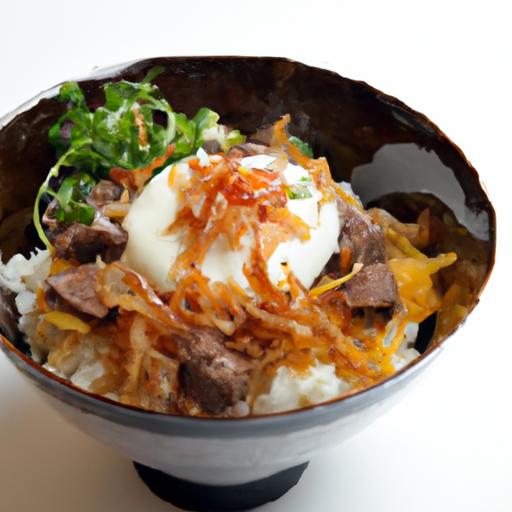



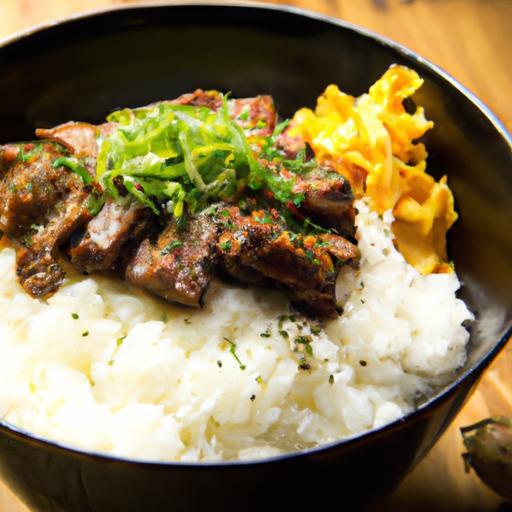
In the bustling streets of Japan, amidst the neon lights and the hum of everyday life, there exists a humble yet irresistible culinary treasure: Gyudon. This savory beef rice bowl, celebrated for its comforting flavors and swift readiness, has won the hearts of locals and food lovers worldwide alike. “Gyudon Delight: Japan’s Savory Beef Rice Bowl Uncovered” takes you on a flavorful journey into the origins, cultural significance, and mouthwatering secrets behind this beloved dish. Whether you’re a seasoned foodie or new to Japanese cuisine, prepare to uncover why Gyudon has earned its place as a quintessential taste of Japan’s culinary landscape.
Origins and Evolution of Gyudon: A Culinary Journey Through Japan
Gyudon Delight is more than just a comforting bowl of beef and rice; it’s a culinary emblem deeply rooted in Japan’s rich food culture. Originating in the Edo period (1603-1868), gyudon first gained popularity as a fast, affordable meal for working-class Tokyoites. Over time, this savory beef rice bowl evolved, embracing regional flavors and cooking styles while maintaining its signature simplicity and satisfying umami-rich profile. As a culinary content creator and food stylist, I find gyudon’s balance of textures and flavors irresistibly inspiring-lightly sweet soy-simmered beef atop fluffy steamed rice creates a harmony that’s easy to love and even easier to replicate at home.
Prep and Cook Time
- Preparation Time: 10 minutes
- Cooking Time: 15 minutes
Yield
Serves 4 generous portions
Difficulty Level
Easy – Perfect for cooks at any skill level
Ingredients
- 400g thinly sliced beef ribeye (or sirloin), preferably well-marbled
- 2 large onions, thinly sliced
- 3 cups steamed Japanese short-grain rice
- 3 tbsp soy sauce (preferably Japanese shoyu)
- 2 tbsp mirin (sweet rice wine)
- 2 tbsp sake (Japanese rice wine, optional but recommended)
- 1 tbsp sugar
- 1 cup dashi stock (or substitute with low-sodium chicken broth)
- Pickled red ginger (beni shoga), for garnish
- 2 scallions, thinly sliced, for garnish
- 1 tsp toasted sesame seeds (optional)
- Shichimi togarashi (Japanese seven-spice), optional for heat
Instructions
- Prepare the broth: In a deep skillet or medium saucepan, combine dashi stock, soy sauce, mirin, sake, and sugar. Bring to a gentle simmer over medium heat while stirring to dissolve the sugar.
- cook the onions: Add the sliced onions to the broth and simmer until translucent and tender, about 7-8 minutes, stirring occasionally to avoid sticking.
- Sear the beef: Add the thinly sliced beef to the simmering broth/onion mixture in batches, gently separating the slices with chopsticks or a fork. Cook just until the beef turns opaque,about 2-3 minutes; avoid overcooking to keep it tender.
- Simmer for flavor melding: Reduce the heat to low and let the beef and onions bath together in the sweet-savory broth for an additional 3 minutes to allow full flavor absorption.
- Assemble the bowls: Divide the steamed rice between four serving bowls. Spoon the beef and onion mixture generously over the rice, making sure to include some of the flavorful broth.
- garnish and serve: Top each bowl with a handful of pickled red ginger, a sprinkle of sliced scallions, toasted sesame seeds, and a dash of shichimi togarashi if you like a little heat. Serve immediately for the best taste and texture.
Chef’s Notes: Tips for Success
- Choosing the right beef is crucial-look for thinly sliced, well-marbled cuts like ribeye or sirloin to achieve tenderness without the need for long cooking times.
- Adjust the sweetness by varying the amount of sugar and mirin to fit your palate; some prefer a more savory, less sweet gyudon.
- If dashi stock is unavailable,a light chicken broth or kombu (kelp) broth can be excellent substitutes to maintain umami depth.
- To prep ahead, you can cook the beef-onion mixture a day in advance. reheat gently on low heat with a splash of water or broth to restore moisture.
- For a richer experience, serve gyudon with a softly poached egg (onsen tamago) on top; its creamy yolk melts into every bite, elevating the savory-sweet balance beautifully.
Serving Suggestions
Present Gyudon Delight in deep,rustic bowls to showcase its steaming warmth and inviting aromas.Garnish with vibrant pickled red ginger to cut through the richness and add a pop of color. A side of lightly steamed greens or a crisp cucumber sunomono salad will create a balanced, refreshing contrast. For an authentic experience, include a small bowl of miso soup and a cup of green tea. The interplay of flavors, colors, and textures makes this simple dish a complete, soul-satisfying meal.

| Nutrient | Per Serving |
|---|---|
| Calories | 520 kcal |
| Protein | 32 g |
| Carbohydrates | 62 g |
| Fat | 14 g |
For those wanting to discover more about authentic Japanese rice bowls, check out our comprehensive guide to donburi rice bowls. To delve deeper into the history and cultural impact of gyudon, Japan Guide’s detailed overview offers excellent insights.
Q&A
Q&A: Gyudon Delight: Japan’s Savory Beef Rice Bowl Uncovered
Q1: What exactly is Gyudon?
A: gyudon, often called “beef bowl,” is a beloved Japanese comfort dish featuring thinly sliced beef simmered with onions in a subtly sweet and savory sauce, served atop a steaming bowl of white rice. It’s a quick, hearty meal that embodies home-style Japanese cooking at its finest.
Q2: Where did Gyudon originate?
A: Gyudon has its roots in the late 19th century during Japan’s Meiji era, when Western influence brought new ingredients and cooking methods to the country. It grew popular as a fast, affordable meal for busy workers in urban areas, becoming a staple in Japanese fast-food culture.
Q3: What ingredients make Gyudon so special?
A: The magic lies in the marriage of tender, thinly sliced beef and caramelized onions simmered in a blend of soy sauce, mirin, sake, and a touch of sugar. This creates a luscious sauce that perfectly complements the neutral canvas of steamed rice, garnished often with pickled ginger and a soft-poached egg.
Q4: How does the cooking technique affect Gyudon’s flavor?
A: The key is in gently simmering rather than frying the beef, allowing it to soak up that sweet-savory broth. This slow melding of flavors creates a tender, juicy texture and a rich, layered taste experience that’s both comforting and complex.
Q5: Can Gyudon be customized to suit diffrent tastes or dietary needs?
A: Absolutely! While traditional Gyudon focuses on beef, you can experiment with variations like adding mushrooms, green onions, or tofu alongside the beef for extra texture and flavor. For a lighter twist, using lean cuts of beef and reducing sugar content can keep the dish vibrant and healthy without losing its essence.
Q6: What accompaniments best complement a Gyudon meal?
A: Classic accompaniments include radiant red pickled ginger (beni shoga), which cuts through the richness with its tangy punch, and a drizzle of savory soy-based sauce or a sprinkling of shichimi togarashi (Japanese seven-spice) for a mild kick. A side of miso soup and steamed vegetables rounds out the meal perfectly.
Q7: Why has Gyudon maintained its popularity in Japan and beyond?
A: Gyudon’s enduring appeal lies in its simplicity, speed, and soulful flavors that nourish both body and spirit. It fits seamlessly into the fast-paced modern lifestyle while offering a gustatory glimpse into Japan’s culinary heart-a flavorful balance of umami, sweetness, and comforting warmth.
Q8: Is Gyudon suitable for beginners to cook at home?
A: Definitely! Gyudon is wonderfully accessible.With just a handful of ingredients and straightforward steps, anyone can recreate this iconic dish in their own kitchen. It’s a perfect introduction to Japanese home cooking,promising satisfying results without complex techniques.
This Q&A aims to unfold the savory layers of Gyudon’s story, ingredients, and cultural significance-inviting readers to savor Japan’s beef bowl tradition in full flavor and spirit.
Wrapping Up
As the savory aroma of tender beef mingled with sweet soy sauce and fragrant onions lingers in your memory, it’s clear why gyudon holds a cherished place in Japan’s culinary landscape. More than just a humble rice bowl, gyudon is a delicious reflection of Japan’s knack for transforming simple ingredients into comfort food that warms both body and soul. Whether enjoyed at a bustling Tokyo eatery or made at home with a personal touch, gyudon invites you to savor a storied tradition-one bite at a time. So next time hunger strikes, let this beefy delight transport you to the heart of Japan’s flavor-rich heritage.