



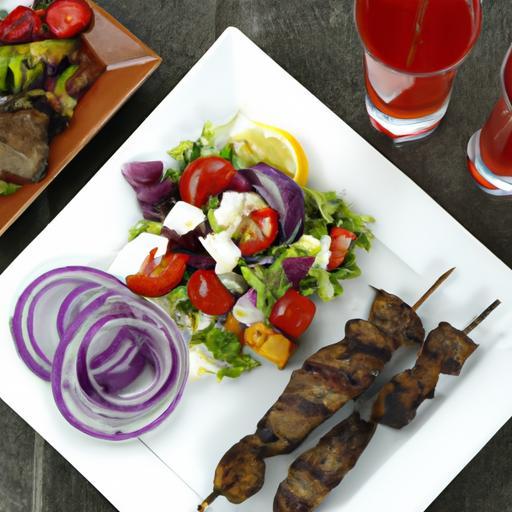
beneath the sun-drenched skies of Greece, where the aegean breeze carries whispers of ancient tales, there sizzles a timeless culinary treasure: souvlaki. More then just grilled meat on a skewer, souvlaki is a vibrant tapestry woven from history, tradition, and the unmistakable flavors of the Mediterranean. In “Souvlaki Secrets: The Art of Greece’s Grilled Meat Skewers,” we journey beyond the smoky coals and tender bites to uncover the craftsmanship, regional variations, and cultural rituals that elevate this humble dish into an art form. Join us as we peel back the layers of marinade, technique, and heritage that make souvlaki not only Greece’s beloved street food but a symbol of communal joy and gastronomic mastery.
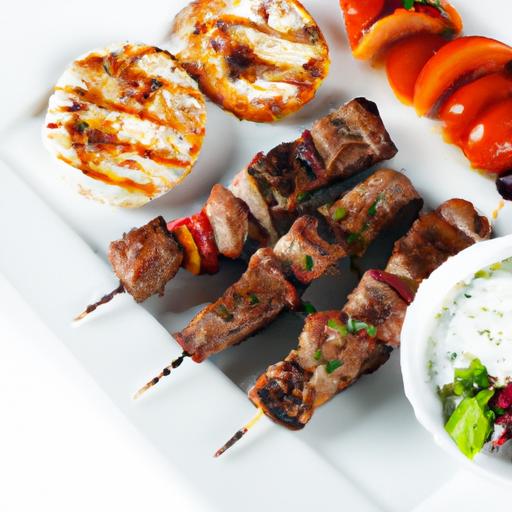
Souvlaki secrets unlock the essence of Greek cuisine through perfectly tender,flavor-infused meat skewers that bring an authentic mediterranean experience to your table. Originating from ancient street food traditions, this dish’s magic lies in the harmony between a masterful marinade, the choice of premium cuts, and time-honored grilling techniques. Every bite bursts with smoky char and juicy tenderness, transporting you to the sun-drenched islands and bustling tavernas of Greece.
Prep and Cook Time
- Preparation: 25 minutes (plus 4 hours marinating)
- Cooking: 10-12 minutes
- Total Time: 4 hours 35 minutes
Yield
- Serves 4 hungry guests (approx. 16 skewers)
Difficulty Level
- Medium – requires marinating time and attention to grilling technique
Ingredients
- 1.5 lbs boneless chicken thighs, cut into 1-inch cubes
- 3 tbsp extra virgin olive oil
- Juice of 1 large lemon
- 3 cloves garlic, minced
- 1 tbsp dried oregano
- 1 tsp smoked paprika
- 1 tsp ground cumin
- Salt and freshly ground black pepper, to taste
- Wooden or metal skewers, soaked if wooden
- Fresh parsley, finely chopped for garnish
Instructions
- Prepare the marinade: In a large bowl, whisk together olive oil, lemon juice, minced garlic, oregano, smoked paprika, and cumin. Season generously with salt and pepper. This blend builds the flavor backbone, tenderizing and infusing each piece with authentic Greek character.
- Marinate the meat: Add the chicken cubes to the marinade,tossing gently to coat. Cover and refrigerate for at least 4 hours, or overnight for maximum tenderness and depth of flavor.
- Preheat the grill: Aim for medium-high heat. If using charcoal, wait until the flames subside, leaving glowing coals that promise an even, smoky cook. Oil the grates lightly to prevent sticking.
- Assemble the skewers: Thread the marinated chicken pieces onto the skewers, leaving a small gap between each piece to ensure even cooking and char development.
- Grill the souvlaki: Place skewers on the grill.cook for about 10-12 minutes, turning every 2-3 minutes. You want an irresistible golden-brown exterior with subtle charring, while maintaining juicy interior tenderness. Use a meat thermometer if desired-target an internal temperature of 165°F (74°C).
- Rest and garnish: Remove the skewers and let rest for 5 minutes. sprinkle with freshly chopped parsley for a burst of color and herbal freshness.
Tips for Success
- Use chicken thighs instead of breast for moister, juicier souvlaki with a richer flavor profile.
- Don’t rush the marinade time-four hours minimum allows the lemon’s acidity and herbs to truly tenderize the meat.
- Soak wooden skewers in water for at least 30 minutes prior to grilling to prevent burning.
- Maintain medium-high heat on your grill to achieve that signature char without drying the meat.
- Substitute dried oregano with fresh if available-add it just before grilling to avoid bitterness.
- For a variation, swap chicken with lamb or beef cuts like sirloin; just adjust cooking time accordingly.
- Prepare the marinade a day ahead for even richer flavor layers and convenience.
Serving Suggestions
Present your souvlaki skewers alongside a traditional tzatziki sauce-a creamy blend of Greek yogurt, cucumber, garlic, and dill-for cool contrast. Accompany with warm pita bread,grilled vegetables,and a crisp Greek salad featuring ripe tomatoes,cucumber,red onion,kalamata olives,and feta cheese. A sprinkle of fresh lemon wedges and oregano over the dish brings a finishing touch that elevates the experience from casual street food to celebratory feast.

| Nutrient | Per Serving |
|---|---|
| Calories | 320 kcal |
| Protein | 35 g |
| Carbohydrates | 2 g |
| Fat | 18 g |
Discover more authentic Greek grilling tips in our Authentic Greek Grilling Guide. For further cultural insight, refer to the Greek Gastronomy Guide for expert articles on regional flavors and traditions.
Q&A
Q&A: Souvlaki Secrets: The Art of Greece’s Grilled Meat Skewers
Q1: What exactly is souvlaki, and why is it such a beloved dish in Greece?
A1: Souvlaki is a classic Greek delicacy consisting of bite-sized pieces of marinated meat, skewered and grilled to perfection. Its popularity stems from its simplicity, bold flavors, and the joyful communal spirit it inspires-whether served on a pita or plated with fresh salad and tzatziki.It embodies the essence of greek street food culture and the Mediterranean lifestyle.
Q2: Wich types of meat are traditionally used in authentic souvlaki?
A2: Traditionally, souvlaki is made using tender cuts of lamb, chicken, or beef, each bringing its own unique flavor profile. Lamb offers a rich, slightly gamey taste that pairs beautifully with herbs like oregano and rosemary. Chicken provides a lighter, juicier option that soaks up marinades wonderfully.Beef adds a hearty, robust character to the dish.
Q3: What marinade secrets elevate souvlaki to a mouthwatering experience?
A3: the secret lies in a harmonious blend of fresh herbs, citrus, and quality olive oil. Marinating meats with lemon juice, garlic, oregano, thyme, and a splash of vinegar not only tenderizes the meat but infuses it with vibrant, zesty flavors that burst with every bite. Patience is key-allowing the meat to absorb the marinade for several hours or overnight yields the best results.
Q4: How crucial is the grilling technique when making souvlaki?
A4: Grilling is an art in itself. The grilling must be done over medium-high heat to achieve those signature smoky char marks while keeping the meat juicy inside. Turning the skewers carefully and not rushing the process ensures even cooking. A slight char on the outside contrasts delightfully with tender, succulent meat on the inside, creating that irresistible texture and flavor balance.
Q5: Can souvlaki be enjoyed beyond the traditional pita wrap?
A5: Absolutely! While the pita wrap stuffed with grilled meat, fresh tomatoes, onions, and creamy tzatziki is iconic, souvlaki is wonderfully versatile. It can be served on a platter with roasted vegetables, alongside rice or lemon potatoes, or even as a flavorful topping on a vibrant Greek salad. Each presentation celebrates the dish’s rustic charm in a new way.Q6: What role do herbs and spices play in the craft of souvlaki?
A6: Herbs and spices are the soul of souvlaki’s flavor.Oregano, thyme, rosemary, and sometimes mint provide earthy, aromatic notes that complement the smoky grilled meat. garlic and black pepper add depth and a subtle kick,while lemon or vinegar provide tang and brightness. Together, they create a perfect balance, making each bite an ode to Greek culinary heritage.
Q7: Is it possible to make souvlaki a healthy option without sacrificing flavor?
A7: Definitely! Souvlaki, when prepared mindfully, can be a nutritious meal. using lean cuts of chicken or beef trimmed of excess fat, marinating in heart-healthy olive oil and herbs, grilling instead of frying-all contribute to a wholesome dish. Pair it with fresh vegetables, salad, and whole grain pita to create a balanced and satisfying experience without compromising on taste.Q8: How has souvlaki evolved over time and across regions in Greece?
A8: While the essence of souvlaki remains rooted in tradition, regional variations bring delightful diversity. In some areas, meat is paired with local herbs or spices; elsewhere, different cuts or cooking methods are favored. Modern chefs also experiment with marinating times and ingredient combinations, reflecting Greece’s dynamic culinary scene while honoring time-tested techniques.
Q9: What’s the best way to serve souvlaki at a gathering or feast?
A9: For communal enjoyment, present souvlaki on large platters surrounded by bowls of complimentary sides-think fresh tomato salad, olives, grilled vegetables, and tzatziki. Provide warm pita bread for guests to assemble their own wraps, encouraging a relaxed, interactive dining experience. Adding a touch of freshly squeezed lemon over the skewers just before serving elevates the flavors and invites lively conversation around the table.
Q10: Any insider tips for someone eager to perfect their homemade souvlaki?
A10: start with quality meat, fresh herbs, and a simple marinade. Don’t rush the marinating process-overnight is ideal. Invest time in mastering the grill, aiming for that perfect balance of char and juiciness. serve souvlaki with fresh, vibrant sides to complement and contrast the robust grilled flavors. With patience and passion, your skewers will capture the very heart of Greek summer evenings.
Future Outlook
As the smoky aroma of sizzling meat wafts through the air and the vibrant flavors of Greece dance on your palate, it becomes clear that souvlaki is more than just a dish-it’s a party of tradition, craftsmanship, and communal joy. Behind every perfectly charred skewer lies a story of time-honored techniques and regional secrets, passed down through generations. Whether enjoyed on a bustling Athenian street or in the comfort of your own kitchen, mastering the art of souvlaki invites you to savor a true taste of Greece’s culinary soul. So next time you fire up the grill, remember: each skewer holds a little piece of history, ready to be shared and savored. Opa!