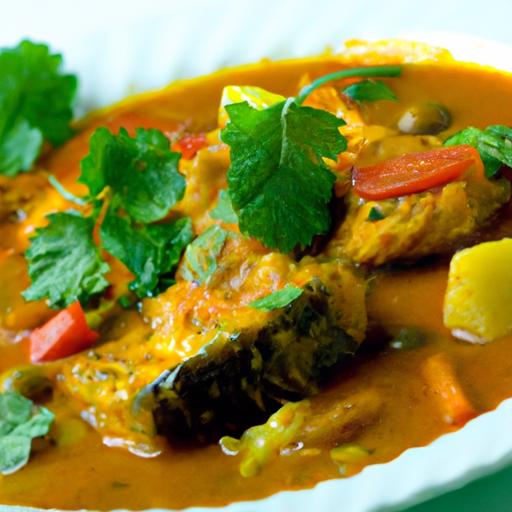


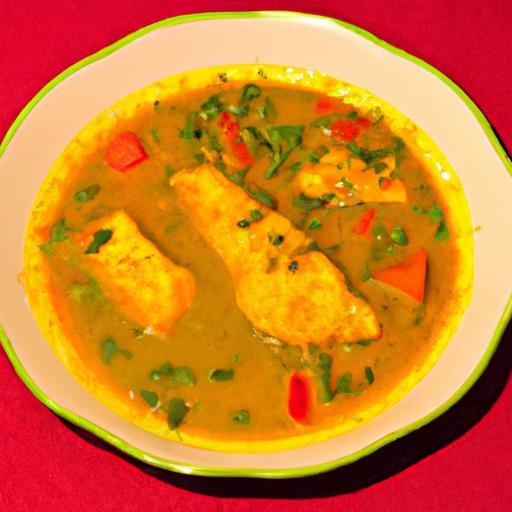
Nestled along teh sun-kissed shores of IndiaS western coast, Goa is a land where the vibrant rhythms of the sea meld seamlessly with rich culinary heritage. Among its many gastronomic treasures, Goan Fish Curry stands out as a flavorful emblem of coastal tradition-a dish that sings with tangy, spicy notes and tells a story of time-honored recipes passed down through generations. Infused with the zest of tamarind, the heat of red chilies, and the creamy warmth of coconut milk, this curry is more than just a meal; it’s a sensory journey into the heart of Goan culture. Join us as we dive into the depths of this iconic dish,uncovering the secrets behind its irresistible tang and the coastal spirit that defines it.
Goan fish curry is a vibrant festivity of coastal tradition, bringing together a tangy symphony of flavors that tell the story of Goa’s rich maritime culture. This iconic dish, cherished across the Konkan coast, merges indigenous spices, fresh fish, and creamy coconut milk to create an unforgettable taste experience. Growing up near Goan shores, I remember the irresistible aroma that would drift from kitchen windows-the promise of a luminous, zesty curry that’s both comforting and exhilarating.this recipe unlocks that very magic with every spoonful.
Prep and cook Time
- Preparation: 15 minutes
- Cooking: 30 minutes
- Total Time: 45 minutes
Yield
Serves 4 hearty portions
Difficulty Level
Medium - approachable for home cooks looking to explore coastal Indian cuisine
Key Ingredients That Define the Authentic Tangy Flavor
- Fish: 600g firm white fish (pomfret, kingfish, or surmai), cut into chunks
- Coconut milk: 1 cup fresh or canned, for creamy balance
- Tamarind pulp: 2 tablespoons, the soul of its distinct tanginess
- Goan curry paste: made from roasted dry red chilies (6), coriander seeds (1 tbsp), cumin seeds (1 tsp), black peppercorns (½ tsp), fennel seeds (1 tsp)
- Onion: 1 large, finely sliced
- Garlic and ginger paste: 1 tablespoon
- Mustard seeds: 1 teaspoon, for tempering
- Curry leaves: 10-12 fresh leaves, adding that unmistakable aroma
- Green chilies: 2, slit lengthwise, for subtle heat
- Turmeric powder: ½ teaspoon, earthy warmth and vibrant color
- Salt: to taste
- Vegetable oil or coconut oil: 3 tablespoons, enhancing authenticity
- fresh coriander leaves: handful, chopped, for garnish
Step-by-Step guide to Crafting the Perfect Goan Fish Curry
- Prepare the curry paste: In a dry skillet over medium heat, toast the dry red chilies, coriander seeds, cumin seed, black peppercorns, and fennel seeds until fragrant (about 2-3 minutes). Allow to cool, then grind them into a fine powder using a mortar and pestle or spice grinder. Set aside.
- Soak tamarind: In a small bowl, soak tamarind pulp in ½ cup warm water for 10 minutes.Squeeze and strain to extract the tamarind juice; discard solids.
- Sauté aromatics: Heat oil in a deep pan over medium heat. Add mustard seeds and wait for them to crackle. Then add curry leaves, sliced onions, and green chilies. Sauté until onions turn translucent and golden, about 7-8 minutes.
- Add ginger-garlic paste and spices: Stir in the ginger-garlic paste and sauté another 2 minutes until aromatic. Then add turmeric powder and prepared curry paste. Cook stirring continuously for 3-4 minutes, allowing raw spice flavors to mellow and blend beautifully.
- Simmer with coconut milk and tamarind: Pour in the tamarind juice and coconut milk. Stir well to combine and bring to a gentle simmer. Let this base cook uncovered for 10 minutes, letting the flavors marry and the sauce thicken slightly.
- Add fish pieces: Gently add the fish chunks,ensuring thay are well submerged in the sauce. Cover and cook on low heat for 8-10 minutes-just enough for the fish to poach tenderly without falling apart.
- Adjust seasoning: Taste and add salt as necessary. If the curry feels too thick, add a splash of water to loosen its consistency.
- Final touch: Turn off the heat and garnish generously with freshly chopped coriander leaves.
Tips for Success
- Use fresh,firm white fish to prevent disintegration during cooking.
- For a smokier depth, opt for coconut oil instead of vegetable oil-this adds an authentic Goan aroma.
- If tamarind is unavailable, substitute with 1 tablespoon of fresh lemon juice for tang but add it only at the end to preserve bright acidity.
- Prepare the curry paste in advance and refrigerate to save time on busy days.
- Do not overcook the fish; aim for tender, flaky pieces that soak in the sauce.
pairing Suggestions to Elevate Your Coastal Dining Experience
Serve your Goan fish curry piping hot alongside steamed fluffy white rice, which perfectly absorbs the zesty, creamy sauce. For an even more conventional affair, include a side of sol kadhi (coconut and kokum drink), known for its digestive qualities and complementary tang. Freshly sliced onions sprinkled with a pinch of black salt and a wedge of lime can brighten the palate further.
Lightly roasted papads or homemade Goan sannas (sweet coconut rice cakes) also make superb partners to scoop this rich curry. A crisp glass of chilled coconut water or mango shikanji finishes the meal beautifully.
| Nutrient | Per Serving |
|---|---|
| Calories | 320 kcal |
| Protein | 28 g |
| Carbohydrates | 9 g |
| Fat | 18 g |

For more culinary journeys into Indian coastal cuisine, explore our detailed recipe on Goan Prawn Curry. To deepen your understanding of tamarind’s unique role in regional cooking, visit Encyclopedia britannica.
Q&A
Q&A: Goan Fish Curry – A Tangy Taste of Coastal Tradition
Q1: What makes Goan Fish Curry distinct from other fish curries in India?
A1: Goan Fish Curry stands out primarily because of its unique blend of tangy and spicy flavors, achieved through the use of kokum or tamarind and freshly grated coconut. Unlike many other curries, it balances acidity and heat with a refreshing coastal freshness, reflecting the vibrant coastal culture of Goa.
Q2: Which fish varieties are traditionally used in Goan Fish Curry?
A2: The best Goan Fish Curries often feature locally available fish such as kingfish (surmai), mackerel (bangda), or pomfret. These fish varieties hold their shape well in the curry and soak up the spices beautifully, creating a perfect harmony of flavor and texture.
Q3: What are the essential spices and ingredients in Goan Fish Curry?
A3: Key ingredients include mustard seeds, dried red chilies, coriander seeds, cumin, and fresh green chilies, blended into a vibrant masala paste. Fresh coconut or coconut milk lends creaminess, while kokum or tamarind juice adds the characteristic tang. Curry leaves and garlic elevate the aromatic profile, making each spoonful a sensory delight.
Q4: How does kokum influence the flavor of the curry?
A4: Kokum is a souring agent native to the Konkan coast and is treasured for its vibrant purple hue and sharp tanginess. It delivers a fruity sour note that is lighter and more floral than tamarind,perfectly complementing the spices and fish without overpowering the delicate flavors.
Q5: Can Goan Fish curry be prepared in a vegetarian-kind way?
A5: While the traditional dish centers around fish, the essence of the Goan curry-its coconut base and tangy masala-can be adapted for vegetables such as drumsticks, okra, or even plantains. However, purists note that the authentic experience truly comes alive with fresh coastal fish.Q6: What is the best accompaniment to Goan Fish Curry?
A6: Steaming hot rice is the perfect partner-its subtle flavor and fluffy texture balance the intense tang and spice of the curry. Some also enjoy it with sannas,sweet coconut rice cakes,which add a gentle sweetness that contrasts beautifully with the curry’s zest.
Q7: How has Goan Fish Curry evolved over time?
A7: Rooted in centuries-old Konkani traditions,Goan Fish Curry has gracefully embraced regional influences-incorporating Portuguese elements such as vinegar and subtly adapting to modern palates. Yet, it remains a soul-warming celebration of Goa’s bountiful sea and aromatic spices.
Q8: What cooking tips ensure a perfect Goan Fish Curry?
A8: Freshness is key! Use fresh fish and freshly grated coconut wherever possible. Cook the fish gently to avoid it breaking apart, and allow the curry to simmer just long enough for flavors to meld without losing its vibrant tang. Lastly, don’t rush the tempering of spices-it unlocks the curry’s signature aroma.
Q9: Is Goan fish Curry typically a dry or soupy curry?
A9: Traditionally, Goan Fish Curry has a thin, broth-like consistency-a flavorful, slightly tangy soup that’s both comforting and light. This soupy nature allows the rice to soak up every last drop of its bold, coastal essence.
Q10: How can one appreciate Goan Fish Curry beyond the plate?
A10: Enjoying Goan Fish Curry is like taking a tasty voyage along the sun-drenched shores of Goa-each bite tells a story of vibrant markets, salty sea breezes, and centuries of cultural fusion. Pair it with good company, traditional Goan music, and the rhythm of waves to truly savor its coastal soul.
The Way Forward
As the sun sets over the shimmering Arabian Sea, the tempting aroma of Goan Fish Curry lingers in the coastal breeze-a delicious reminder of a rich heritage steeped in tradition and flavor. This tangy, coconut-infused delicacy is more than just a meal; it is indeed a vibrant tapestry of Goan culture, where every spoonful tells a story of generations past and a way of life intimately tied to the sea. Whether enjoyed with steaming rice or crusty bread, Goan Fish Curry invites you to savor the essence of coastal India-bold, fresh, and unforgettable. So, next time you crave a culinary journey that dances between spice and sour, let this iconic curry transport you straight to the heart of Goa’s timeless coastal charm.