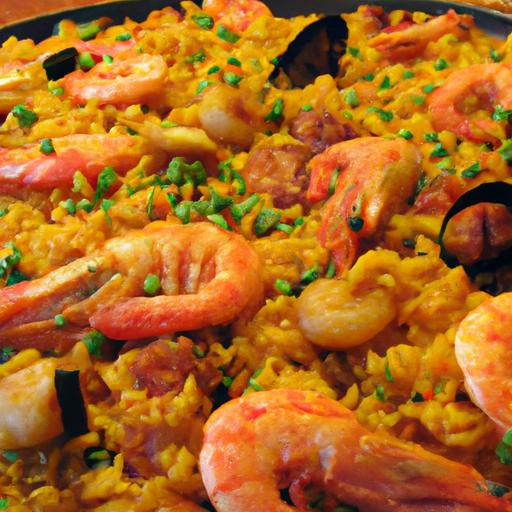


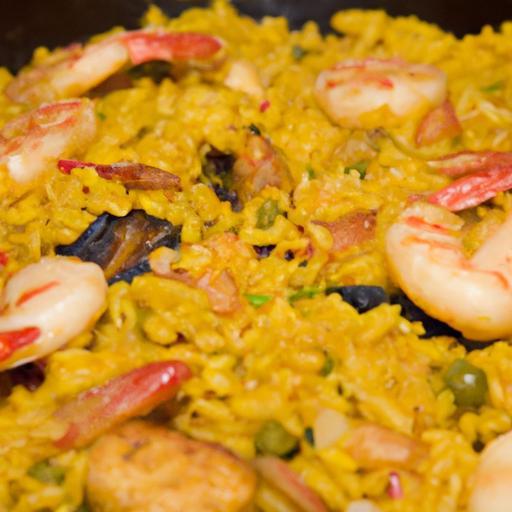
Bursting with color, aroma, and rich tradition, paella is more than just a dish-it’s a vibrant party of Spanish heritage, especially from its birthplace in Valencia.This iconic culinary masterpiece brings together fresh seafood,smoky saffron,tender meats,and perfectly cooked rice in a harmonious symphony of flavors that tell a story as old as the Mediterranean coast itself. Join us as we delve into the art of savoring spanish paella, uncovering its history, regional variations, and the time-honored techniques that transform simple ingredients into a flavorful feast that continues to captivate taste buds worldwide.
Savoring Spanish Paella is an immersive journey into one of Valencia’s most cherished culinary treasures. This iconic dish, rooted in the fertile lands and sunny coasts of eastern Spain, represents much more than just a meal-it encapsulates history, culture, and communal joy in every vibrant bite. Growing up around Mediterranean kitchens, I recall how the allure of paella’s golden saffron-infused rice mingled with the fresh aroma of seafood and garden vegetables, inspiring gatherings that stretch long into the evening. Today,crafting an authentic Valencian paella invites you to explore the essence of Spanish heritage while savoring deeply layered flavors that delight both the eye and palate.
Prep and Cook Time
- Preparation: 25 minutes
- Cooking: 50 minutes
- Total: 1 hour 15 minutes
Yield
- Serves 6 generous portions
Difficulty Level
- Medium (perfect for home cooks eager to master customary technique)
Ingredients
- 3 tablespoons extra virgin olive oil
- 1 medium onion, finely chopped
- 4 cloves garlic, minced
- 1 large ripe tomato, grated (about 1/2 cup pulp)
- 1 red bell pepper, sliced into strips
- 1 cup green beans (bajoqueta), trimmed and halved
- 1 cup lima beans (or broad beans), shelled
- 2 ½ cups bomba or short-grain rice
- 6 cups homemade or quality low-sodium vegetable broth
- Pinch of saffron threads (soaked in 3 tablespoons warm broth)
- 1 teaspoon smoked paprika
- Salt, to taste
- 12 large shrimp, peeled and deveined
- 12 mussels, cleaned and debearded
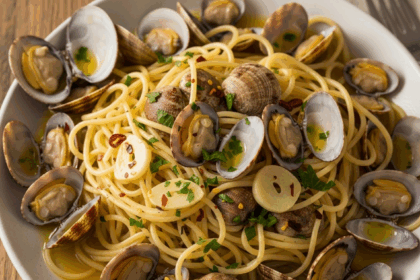
- 12 clams, cleaned
- Fresh lemon wedges, for garnish
- Chopped fresh parsley, for garnish
Instructions
- Heat the olive oil in a wide, shallow paella pan over medium heat. Add the chopped onion and sauté until translucent and fragrant, about 5 minutes.
- Add the garlic and cook for another minute, stirring constantly to avoid burning.
- Incorporate the grated tomato, stirring continuously to form a thick sofrito base. Let it simmer gently for about 8 minutes until the tomato loses its raw flavor and thickens.
- Add the red bell pepper, green beans, and lima beans to the pan.sauté for 4-5 minutes, allowing the vegetables to soften but remain vibrant.
- Sprinkle in the smoked paprika and stir well to coat the veggies evenly. Season lightly with salt.
- Pour in the rice, ensuring it is indeed distributed evenly across the pan without stirring too much-this helps form the prized socarrat (crust).
- Slowly add the warm vegetable broth infused with the saffron threads. Spread the mixture evenly, then simmer uncovered over medium heat. Do not stir the rice again once the broth is added.
- After 15 minutes, arrange the shrimp, mussels, and clams decoratively on top, gently pressing them into the rice so they steam evenly.
- Cook an additional 15-20 minutes, or until the rice is tender and liquid absorbed. Adjust heat to avoid burning but allow the bottom crust to form-a hallmark of authentic paella.
- Remove the pan from heat and cover loosely with a clean kitchen towel. Let it rest for 5 minutes; this enhances flavor melding and perfects the texture.
- Garnish with fresh parsley and lemon wedges. Serve straight from the pan, encouraging guests to squeeze lemon over their portions for a bright finish.
Tips for Success
- Use bomba rice or another short-grain rice to ensure optimum absorption and texture.
- Quality saffron is essential; soak it beforehand to unlock its color and aroma fully.
- Resist the urge to stir after adding the broth. The goal is cooking the rice evenly while crafting a crunchy socarrat layer at the base.
- You can substitute fresh clams and mussels with calamari rings for another seafood twist, or add artichoke hearts for a seasonal variation.
- Preparing the broth at home using vegetable scraps and herbs creates a profound flavor that elevates the dish significantly.
- Paella is best shared instantly, but if needed, leftovers can be gently reheated with a splash of broth to revive moisture.
Serving Suggestions
Present your vibrant paella in the traditional pan to showcase its colorful ingredients. Encourage guests to use lemon wedges to add a fresh zestiness that cuts through the richness. Pair with a crisp Albariño or Verdejo-both grape varieties from Spain that harmonize beautifully with seafood and saffron. Complement the meal with a simple selection of Spanish tapas like marinated olives, roasted peppers, or a refreshing tomato salad, for a truly authentic feast experience.
| nutrient | Per Serving |
|---|---|
| Calories | 480 kcal |
| Protein | 28 g |
| Carbohydrates | 55 g |
| Fat | 12 g |

Q&A
Q&A: Savoring Spanish Paella: A Flavorful Feast From Valencia
Q1: What makes Valencian paella distinct from other types of paella?
A1: Valencian paella is the original and traditional version hailing from the region of Valencia, Spain. It features a harmonious blend of fresh local ingredients such as rabbit, chicken, green beans, and sometimes snails. The dish is celebrated for its vibrant combination of earthy saffron-infused rice cooked to perfection in a wide, shallow pan called a paellera. What truly sets it apart is the emphasis on simplicity and the use of regional produce, capturing the essence of the Valencian countryside.
Q2: What is the meaning of saffron in a Valencian paella?
A2: Saffron is the golden thread that weaves flavor, color, and aroma into Valencian paella. This precious spice imparts a subtle floral and slightly sweet note, turning the rice a gorgeous sun-kissed yellow.Beyond aesthetics, saffron’s distinctive taste elevates the dish’s complexity, making every bite a fragrant celebration of spanish culinary heritage.
Q3: Can paella be made vegetarian while honoring the Valencian tradition?
A3: Absolutely! While traditional Valencian paella usually includes meat and sometimes snails, a vegetarian interpretation can still honour the spirit of the dish by focusing on seasonal vegetables like artichokes, tomatoes, green beans, and bell peppers. The key is to build rich, layered flavors using a smoky paprika, a well-prepared sofrito (a sautéed tomato and onion base), and saffron. The rice remains the star, absorbing all the vibrant tastes from the vegetable broth.Q4: What is the role of the socarrat in paella?
A4: The socarrat is the prized crispy layer of toasted rice that forms at the bottom of the pan during cooking. It adds a delightful texture contrast – slightly crunchy while rich with caramelized, nutty flavors. Achieving the perfect socarrat requires patience and a keen eye, as it must be carefully coaxed to develop without burning. Many paella lovers consider this a hallmark of a truly authentic and well-made paella.
Q5: Why is cooking paella outdoors ideal?
A5: Traditionally, paella is cooked over an open flame outdoors, which allows the heat to spread evenly under the wide pan and helps develop the characteristic smoky aroma. Cooking outside connects the experience to its agricultural roots,evoking images of Valencian harvests and celebrations. The open-air habitat frequently enough encourages social gatherings, turning the act of cooking paella into a shared festival of flavors and fellowship.
Q6: How critically important is the type of rice in making Valencian paella?
A6: The rice is absolutely essential! Valencian paella shines brightest when made with short-grain varieties like Bomba or Calasparra, which absorb flavorful broth without becoming mushy. These grains swell to soak up saffron and stock, while maintaining firmness-a perfect balance that distinguishes an excellent paella from an ordinary rice dish.
Q7: Can seafood be included in Valencian paella, or is that a different style?
A7: Traditional Valencian paella typically centers on meats like chicken and rabbit, along with vegetables and sometimes snails. Seafood paella exists as its own delicious variation known as paella marinera, which highlights fresh catches from the mediterranean such as shrimp, mussels, and squid. Both styles celebrate the richness of Spanish culinary culture but maintain distinct identities rooted in their main ingredients.
In Retrospect
As the final grains of saffron-tinted rice settle on your plate, it’s clear that paella is far more than a dish-it’s a vibrant celebration of Valencia’s rich history, culture, and coastal bounty. Savoring Spanish paella invites you not just to taste a meal, but to experience a flavorful feast that bridges tradition and community. Whether enjoyed seaside with friends or recreated in your own kitchen, paella captures the essence of Spanish hospitality, reminding us that the best flavors are those shared and cherished together. So next time you hear the sizzle of socarrat forming, let it be a call to gather, savor, and celebrate the timeless spirit of Valencia’s culinary treasure.