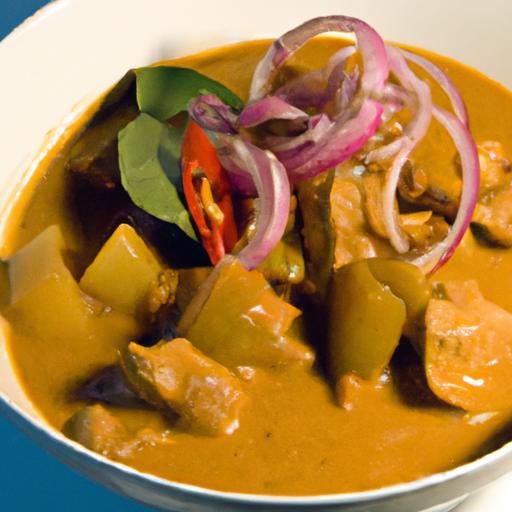



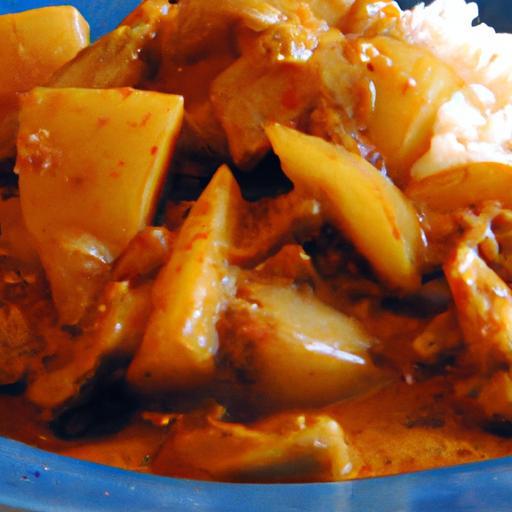
Steeped in aromatic spices and enriched by centuries of cultural exchange, Massaman curry is more than just a beloved Thai dish-it’s a flavorful tapestry woven from history, tradition, and the crossroads of civilizations. This rich,creamy curry with its harmonious blend of cardamom,cinnamon,and coconut milk invites us to embark on a culinary voyage that transcends borders and time. From ancient trade routes linking the East and west to royal kitchens and humble street stalls, Massaman curry tells a story of adaptation and fusion, reflecting thailand’s unique position as a melting pot of influences. Join us as we explore the origins, ingredients, and historical meaning of Massaman curry-a true gastronomic emblem of Thai heritage.
Massaman curry is an extraordinary testament to the rich tapestry of Southeast Asian history and culinary artistry. This dish draws its deep, complex flavors from centuries of cultural fusion that blend Thai traditions with influences from Persian, Indian, and Malay cuisines. Rich, hearty, and fragrant, Massaman curry invites home cooks and food lovers alike on an immersive journey that’s both nostalgic and refreshingly unique.
Prep and Cook Time
- Preparation Time: 20 minutes
- Cooking Time: 1 hour
Yield
Serves 6 generously
Difficulty Level
Medium – perfect for adventurous home cooks eager to explore authentic Thai flavors
Key Ingredients That Define Massaman’s unique Taste
At the heart of an unforgettable Massaman curry lies a vibrant blend of spices and ingredients that reflect its multicultural heritage:
- Massaman curry paste: A seductive mix of roasted dried chili peppers, coriander seeds, cumin, cinnamon, cloves, cardamom, star anise, nutmeg, and mace.
- Coconut milk: Adds a luscious creaminess that balances the bold spices.
- Tamarind paste: Provides a subtle tangy depth that brightens the curry.
- Peanuts or cashews: These add a delightful nuttiness and textural contrast.
- Meat choice: traditionally beef or chicken, slow-cooked until tender.
- Potatoes and onions: Infuse earthy sweetness and body, making this curry satisfyingly hearty.
- Brown sugar or palm sugar: Layered sweetness that complements the dish’s savory qualities.
Traditional Preparation Techniques and modern Twists
Massaman curry’s preparation starts with toasting the whole spices to release their intoxicating aromas before pounding them into a fragrant paste. The traditional method involves a mortar and pestle, encouraging a deeper connection with the ingredients. Simmering the curry slowly over low heat allows the starch from the potatoes and the richness of coconut milk to meld into a silky sauce.
Modern kitchen conveniences like food processors can speed up paste-making without sacrificing flavor. For an inventive twist, try adding roasted sweet potatoes or substituting beef with tender chunks of lamb or tofu for a vegetarian spin. Including a splash of tamarind concentrate or kaffir lime leaves can also elevate the aromatic profile.
The Origins of Massaman Curry and Its Cultural Fusion
Originating during Thailand’s Ayutthaya period, Massaman curry is believed to be heavily influenced by Muslim traders and Persian flavors, lending to the dish’s unique blend of exotic spices uncommon in other Thai curries. The melding of Indian curry spice traditions, Malay sweetness, and local Thai ingredients showcases a beautiful culinary synthesis, making this curry a symbol of cross-cultural harmony in cuisine.
Ingredients
- 3 tablespoons Massaman curry paste (store-bought or homemade)
- 1.5 lbs beef chuck, cut into 1-inch cubes (substitute with chicken or tofu if preferred)
- 2 cups coconut milk, well stirred
- 2 medium potatoes, peeled and cut into chunks
- 1 large onion, sliced
- 3 tablespoons roasted peanuts or cashews
- 2 tablespoons tamarind paste
- 2 tablespoons palm sugar (or brown sugar)
- 1/4 cup fish sauce (or soy sauce for vegetarian)
- 2-3 dried bay leaves
- 1/2 cup water or beef stock
- 1 tablespoon vegetable oil
Instructions
- Toast and prepare curry paste: If making fresh, toast the whole spices over medium heat until fragrant.blend with other paste ingredients until smooth.
- Brown the beef: Heat vegetable oil in a heavy-bottomed pot over medium-high heat. Add beef cubes and sauté until browned on all sides (about 5 minutes). Remove and set aside.
- Cook the paste: In the same pot, add Massaman curry paste. Sauté gently in oil for 2-3 minutes until aromatic, stirring constantly to avoid burning.
- Add coconut milk: Pour in 1 cup of coconut milk, stirring to combine the curry paste thoroughly. Simmer gently until the oil begins to separate on the surface.
- Combine the beef and vegetables: Return browned beef to the pot. Add potatoes, onion slices, bay leaves, tamarind paste, palm sugar, fish sauce, and water or stock. stir well.
- Simmer low and slow: Cover and reduce heat to low. Let the curry simmer gently for 45 minutes to 1 hour, or until beef is tender and potatoes are soft. Adjust seasoning taste during cooking.
- Add nuts just before serving: Stir in roasted peanuts or cashews 5 minutes before finishing to maintain texture.
- Final touches: Remove bay leaves. If the sauce is too thick, thin with a splash of coconut milk or water. Serve piping hot.
Tips for Success
- For an authentic flavor,make your own Massaman curry paste using fresh whole spices.
- Slow simmering enhances tenderness-avoid high heat to prevent separating coconut milk.
- Balance the sweetness and sourness by tasting mid-cooking; add extra tamarind paste or sugar gradually.
- Vegetarians can easily swap meat for extra firm tofu and use soy sauce instead of fish sauce.
- Make the curry a day ahead-flavors deepen overnight, making it even more delicious.
Serving Suggestions to Elevate Your massaman Dining Experience
Serve Massaman curry over steamed jasmine rice to soak up the rich sauce. Garnish with freshly chopped cilantro, a few toasted peanuts, and a sprinkle of thinly sliced red chili for heat and beautiful color contrast.
accompany with a refreshing Thai cucumber salad to balance the richness with crisp acidity. For an exotic touch, pair your meal with traditional thai desserts like mango sticky rice.

| nutrient | Per Serving (approx.) |
|---|---|
| Calories | 450 kcal |
| Protein | 30 g |
| Carbohydrates | 25 g |
| Fat | 25 g |
Q&A
Q&A: Massaman Curry – A Flavorful Journey Through Thai History
Q1: What makes massaman curry distinct from other Thai curries?
A1: Massaman curry stands apart through its unique blend of rich, warming spices such as cinnamon, cloves, and nutmeg, combined with traditional Thai ingredients like lemongrass and galangal. unlike the fiery heat often associated with Thai curries, Massaman offers a balanced, mildly spiced profile infused with a gentle sweetness and earthiness, drawing from its multicultural roots.
Q2: Where does Massaman curry originate from?
A2: Massaman curry is a culinary reflection of Thailand’s historical cultural exchanges. Its origins trace back to Southern Thailand, where Persian and Indian traders introduced the aromatic spices that blend with native Thai ingredients. The name “Massaman” is believed to derive from the word “Muslim,” highlighting the influence of Muslim traders who helped bring this fragrant,spiced dish into Thai cuisine.
Q3: How did historical trade influence the ingredients in Massaman curry?
A3: Historical trade routes introduced a treasure trove of spices uncommon in traditional Southeast Asian cooking, such as cardamom, cinnamon, star anise, and cumin. These spices were incorporated alongside local aromatics-like kaffir lime leaves and galangal-resulting in the sophisticated layering of flavors that characterized Massaman curry. The curry reflects an intercultural tapestry woven by traders, immigration, and culinary curiosity.
Q4: What are the typical ingredients used in Massaman curry today?
A4: A classic Massaman curry recipe frequently enough features tender chunks of chicken or beef (excluding pork), slow-cooked in a creamy coconut milk base with potatoes, roasted peanuts, onions, and the essential Massaman curry paste. The curry is sweetened lightly with tamarind paste and palm sugar, creating a harmonious balance of savory, sweet, and tangy notes.
Q5: How is Massaman curry typically served in Thai culture?
A5: Massaman curry is commonly enjoyed with steamed jasmine rice, allowing the fragrant sauce to soak into every grain. It’s often served during special occasions and family gatherings, appreciated for its comforting warmth and celebratory nature. The dish’s mild heat and complex spices make it accessible and beloved by both locals and visitors.
Q6: Can Massaman curry be adapted for vegetarian or vegan diets?
A6: Absolutely! Plant-based versions of Massaman curry swap meat for hearty vegetables like sweet potatoes, carrots, tofu, or mushrooms while maintaining the signature spice blend and coconut richness. This adaptation preserves the essence of the dish’s layered flavors without compromising its soul.
Q7: Why is Massaman curry considered a symbol of cultural fusion?
A7: Massaman curry embodies a culinary crossroads where Thai flavors meet Middle Eastern and Indian spice traditions. This fusion signifies not only the blending of ingredients but also the mingling of communities, trade, and history-reminding us how food can narrate stories of connection across continents and time.
Q8: How has Massaman curry evolved in modern cuisine?
A8: In contemporary kitchens worldwide, Massaman curry continues to inspire creative interpretations, from luxurious restaurant plates to cozy home-cooked meals. Its approachable spice level and comforting depth invite chefs and food lovers to experiment with proteins, vegetables, and even grains, ensuring this historic dish remains both timeless and fresh.
Embark on your own flavorful journey with Massaman curry-a dish where every bite tells a story of history,culture,and the art of spice blending.
Key Takeaways
As the rich, aromatic spices of Massaman curry continue to simmer in kitchens around the world, they serve as a living testament to Thailand’s vibrant history and cultural tapestry. This dish is more than just a meal-it’s a flavorful journey that tells stories of trade, tradition, and conversion. Each bite invites us to appreciate the harmonious blend of influences that have shaped not only the curry itself but also the diverse heritage of Thai cuisine. So next time you savor the creamy warmth of Massaman, remember you’re tasting a delicious chapter in a centuries-old narrative that bridges continents and cultures with every spoonful.