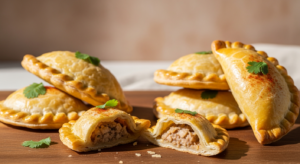


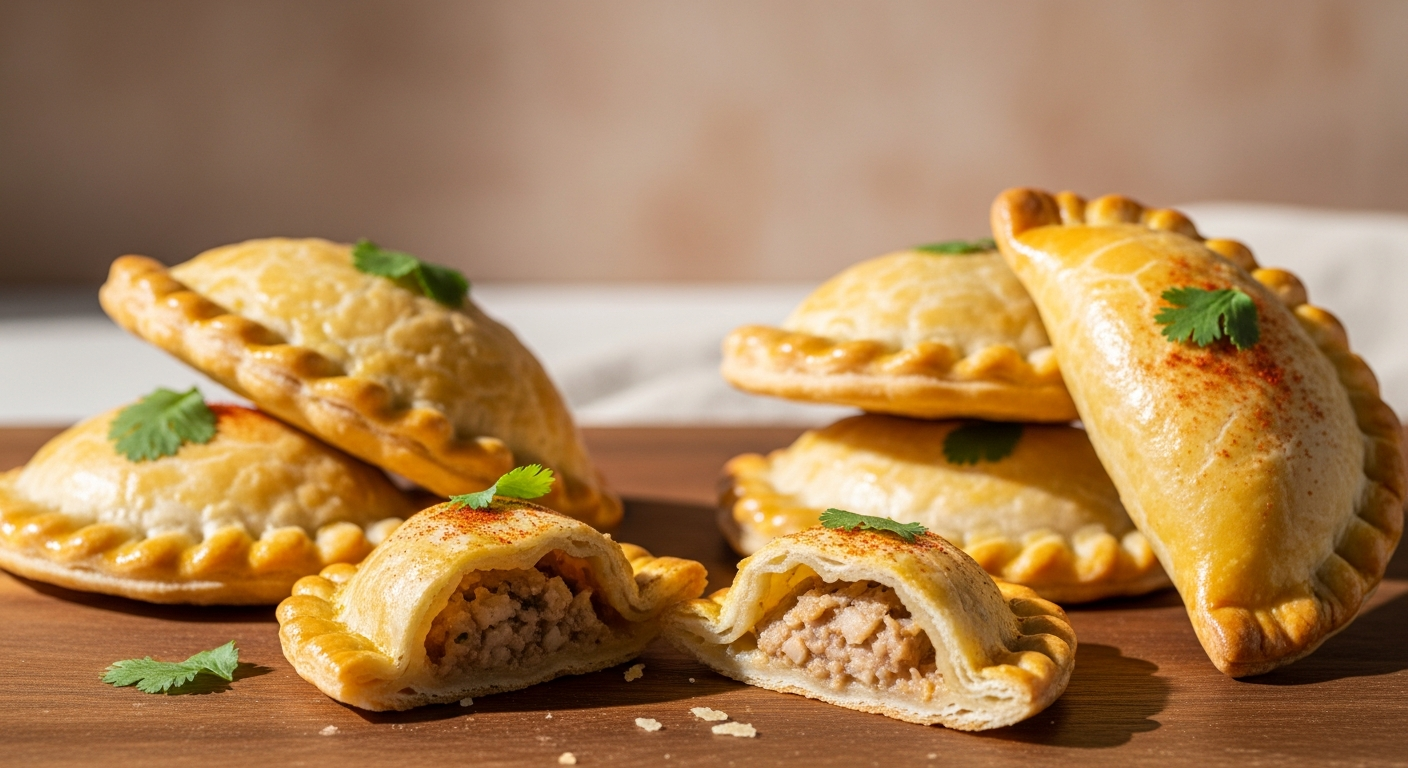
Beneath their golden, flaky exteriors lies a world of rich tradition, bold flavors, and culinary creativity-welcome to the captivating universe of empanadas. These stuffed pastries, beloved across continents and cultures, are far more than just a convenient snack; they are edible stories wrapped in dough, each fold holding secrets of regional ingredients, time-honored techniques, and the passionate hands that craft them.
In “Empanadas Unwrapped: The art of Stuffed Pastries Explored,” we embark on a flavorful journey to unravel the history, variations, and artistry behind empanadas, discovering how this humble yet irresistible treat continues to inspire chefs and food lovers alike around the globe.
Empanadas Unwrapped: The Art of Stuffed Pastries Explored
Empanadas unwrapped reveal a rich tapestry of flavors and stories,weaving together centuries of culinary tradition from bustling south American markets to Mediterranean village kitchens. This beloved stuffed pastry has journeyed across continents, evolving with each culture’s unique touch while maintaining its irresistible appeal. Whether you crave the delicate, flaky crust or the vibrant fillings bursting with fresh ingredients, mastering empanadas opens the door to endless creative possibilities in your kitchen.
Prep and Cook Time
- Planning: 30 minutes
- Resting Dough: 1 hour
- Cooking: 20 minutes
- Total Time: Approximately 1 hour 50 minutes
Yield
- Makes 12 medium-sized empanadas
Difficulty Level
- medium
Ingredients
- For the Dough:
- 3 cups all-purpose flour, sifted
- 1 teaspoon salt
- 1/2 cup unsalted butter, chilled and diced
- 1 large egg
- 3/4 cup cold water (plus extra if needed)
- 1 tablespoon white vinegar
- For the Filling (Classic Beef & Veggies):
- 1 pound lean ground beef
- 1 small onion, finely chopped
- 1/2 cup red bell pepper, diced
- 2 cloves garlic, minced
- 1/2 cup green olives, sliced
- 1 teaspoon smoked paprika
- 1 teaspoon ground cumin
- Salt and freshly ground black pepper, to taste
- 2 tablespoons olive oil
- 1/4 cup beef broth or vegetable stock
- 1 hard-boiled egg, chopped (optional)
- For Assembly and Cooking:
- 1 egg, beaten (for egg wash)
- Vegetable oil or olive oil, for frying or baking
Instructions
- Prepare the dough: In a large bowl, combine the sifted flour and salt. Add the chilled, diced butter and work it into the flour using your fingers or a pastry cutter until the mixture resembles coarse crumbs.
- Mix liquids: In a small bowl, whisk together the egg, cold water, and white vinegar. Gradually add this liquid mixture to the flour and butter, stirring gently until the dough begins to come together. If too dry,add a teaspoon of water at a time.
- Knead and rest: Turn the dough onto a lightly floured surface and knead gently until smooth, about 5 minutes. Wrap in plastic wrap and chill for at least 1 hour to relax the gluten, ensuring a tender, flaky crust.
- Make the filling: Heat olive oil in a skillet over medium heat. Sauté the onion and garlic until translucent, about 3 minutes. Add the ground beef, breaking it apart with a wooden spoon, and cook until browned and cooked through, about 7-8 minutes.
- Add vegetables and spices: Stir in the red bell pepper, olives, smoked paprika, cumin, salt, and pepper. Pour in the beef broth and cook for another 5 minutes, allowing the mixture to thicken slightly.Remove from heat and let cool. Stir in chopped hard-boiled egg if using.
- Roll and cut dough: Roll the chilled dough to 1/8-inch thickness. Use a 5 to 6-inch round cutter to cut circles. Keep dough scraps refrigerated and re-roll as needed.
- Assemble empanadas: Place 2 tablespoons of filling in the center of each dough circle. Moisten edges with a little water,fold dough over filling,and press edges to seal. Crimp edges with a fork or by hand to ensure a tight seal.
- Cook to perfection: For a golden baked empanada, preheat oven to 375°F (190°C). Place empanadas on parchment-lined baking sheets,brush with beaten egg to create a shiny crust,and bake for 20 minutes or until golden brown.
- Alternate frying method: Heat 2 inches of vegetable oil in a deep pan to 350°F (175°C).Fry empanadas in batches, turning occasionally, until deep golden, about 3-4 minutes per side. Drain on paper towels before serving.
Tips for Success
- Flaky dough secrets: Keep butter cold and avoid overworking the dough to maintain a tender, flaky texture.
- Filling versatility: Swap beef for shredded chicken, sautéed mushrooms, or spiced chickpeas for vegetarian options.
- Sealing tips: Be sure to wet edges well and press firmly to prevent filling from leaking during cooking.
- Make-ahead: Dough can be made and refrigerated for up to 2 days; fillings keep well in the fridge for 3 days or can be frozen.
- Freezing empanadas: Place assembled empanadas on a baking sheet, freeze until firm, then transfer to a freezer bag. bake from frozen adding 5-7 minutes to cooking time.
Serving Suggestions
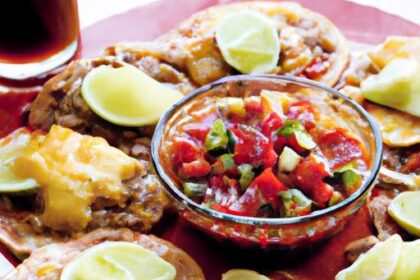
Serve empanadas warm, paired with a crisp chimichurri sauce or a zesty mango salsa for radiant contrast. Garnish plates with fresh cilantro sprigs and thin lime wedges. For an inviting presentation, arrange empanadas in a rustic basket lined with colorful linen, alongside a fresh mixed greens salad dressed in citrus vinaigrette. A refreshing glass of iced hibiscus tea or sparkling water with lime completes this vibrant, flavorful meal.
Nutritional Details
| Per Empanada | Calories | Protein | Carbs | Fat |
|---|---|---|---|---|
| One Medium Empanada | 280 kcal | 15 g | 25 g | 12 g |
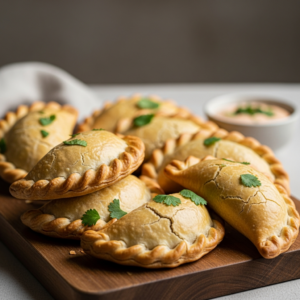
Explore the intricate world of empanadas unwrapped, and let your kitchen become the stage for these timeless pastries that bring warmth and connection to every bite.
Learn more about dough-making techniques in our Homemade Pie Crust Guide and dive deeper into culinary traditions at Britannica’s Empanada History.
Q&A
Q&A: Empanadas Unwrapped: The Art of stuffed Pastries Explored
Q1: What exactly is an empanada?
A1: An empanada is a delightful stuffed pastry, originating from the Iberian Peninsula, that has traveled far and wide to become a beloved treat across many cultures. It’s essentially a dough pocket filled with a variety of ingredients-think savory meats, vibrant vegetables, cheeses, or even sweet fillings-then baked or fried to golden perfection.
Q2: How did empanadas become such a global culinary favorite?
A2: empanadas have a engaging journey, beginning in Spain and Portugal and spreading throughout Latin America, the Caribbean, and even parts of Asia. Their appeal lies in their portability and versatility; you can tailor fillings to local flavors, making empanadas a canvas for cultural creativity and personal taste.
Q3: What types of dough are traditionally used for empanadas?
A3: The dough can vary widely depending on the region and the desired texture. Commonly, a wheat flour-based dough enriched with butter or oil provides a tender yet sturdy shell.Some variations incorporate corn flour or even flaky pastry techniques, offering either a crisp or flaky bite that complements the filling perfectly.
Q4: Can empanadas be made vegetarian or vegan without losing their essence?
A4: Absolutely! Empanadas shine in the vegetarian realm with fillings like roasted vegetables, spiced lentils, mushrooms, or hearty beans. When crafted thoughtfully, these plant-based options burst with flavor, texture, and nourishment, proving that empanadas are as diverse and inclusive as the people who love them.
Q5: What role do spices and herbs play in empanada fillings?
A5: Spices and herbs are the heart of empanada magic. From smoky paprika and cumin to fresh cilantro, oregano, and chili, these aromatics elevate simple ingredients into layers of excitement. They not only add flavor but provide regional identity-each empanada tells a story through its seasoning.
Q6: How do cooking methods affect the final empanada experience?
A6: Empanadas may be baked or fried, and each method offers a distinct textural adventure.Baking yields a golden, slightly crisp crust with a tender crumb, ideal for a lighter finish. Frying creates a crunchier, more indulgent exterior, sealing in juices and warmth, perfect for a crispy comfort food approach.
Q7: Are there sweet empanadas, and what kinds of fillings do they include?
A7: Yes! Sweet empanadas are a charming twist-think fillings like spiced fruit preserves, dulce de leche alternatives made from coconut cream or caramelized sugar, or even nutty mixtures with cinnamon and sugar. These treats make a perfect dessert or snack, showcasing the pastry’s versatility beyond savory.
Q8: What tips can home cooks use to master empanada folding and sealing techniques?
A8: Folding empanadas is both an art and a science. Key tips include keeping dough cool for pliability, avoiding overfilling to prevent leaks, and using a fork or a traditional pinching method to seal edges tightly.Practice turns the folding process into a satisfying ritual that not only secures the filling but also adds decorative charm.
Q9: How can empanadas be adapted for celebrations and communal gatherings?
A9: Empanadas are perfect party fare because they’re individually portioned, portable, and customizable.For celebrations, consider colorful fillings, decorative dough patterns, or themed shapes. They can be served hot or at room temperature, making them ideal for sharing stories and flavors with friends and family.
Q10: What is the broader cultural importance of empanadas in various societies?
A10: Beyond being a delicious dish,empanadas symbolize hospitality,ingenuity,and cultural exchange. Their ability to absorb and reflect localized tastes makes them a culinary bridge across languages and traditions.Sharing empanadas often means sharing history, family recipes, and moments of connection.
Concluding Remarks
As we close the flaky folds of our exploration into the world of empanadas, it’s clear that these stuffed pastries are far more than just a delicious bite. They are edible storytellers, each filled with history, culture, and creativity that transcend borders and generations. From the bustling street markets of Latin America to the cozy kitchens of home cooks worldwide, empanadas invite us to savor tradition while inspiring innovation. So next time you unwrap one of these golden pockets of flavor, remember: you’re not just tasting a pastry-you’re partaking in an art form that has been lovingly crafted and shared across time. The journey of the empanada continues, one delicious fold at a time.